How to Stop Cat From Eating Dog Food 2026: Explained Simply
You’ve probably found yourself watching your cat, with a mixture of amusement and exasperation, delicately picking at your dog’s kibble. This common household scenario, where a cat develops a taste for dog food, can be more than just a quirky behavior; it can signal underlying issues with feeding habits or accessibility. Thankfully, you can effectively redirect these culinary explorations with the right strategies.
Our research shows that intervention is key because cat food is specifically formulated for feline nutritional needs. Adult cat food, for instance, typically contains at least 26% protein and significantly higher levels of crucial nutrients like taurine compared to dog food, which is formulated for omnivores. As of 2026, veterinary guidelines still emphasize these distinct dietary requirements for optimal feline health.
This guide will walk you through practical steps to ensure your cat sticks to their own balanced diet.
Quick Answer
Stop cats from eating dog food by physically separating their food bowls and feeding stations. This involves using elevated bowls, specialized feeders, or feeding in different rooms. Also, make your cat’s own food more appealing, as they may be seeking novel tastes or textures.
Ensure your cat receives adequate nutrition and hasn’t developed a persistent behavioral issue.
Why Is Your Cat Sneaking Dog Food?
Understanding the root cause is the first step to fixing this habit. Your cat isn’t being spiteful; they’re acting on instinct, opportunity, or nutritional cues. It’s our job to interpret those actions and adjust the environment accordingly.
Curiosity and Boredom
Cats are naturally inquisitive creatures. If there’s something new or readily available in their environment, they’re likely to investigate. A dog’s food bowl, with its unique smells and textures, can be a tempting novelty, especially if your cat is experiencing boredom or a lack of stimulation.
Think of it as a game of exploration for them.
Taste and Texture Preferences
Sometimes, the simple appeal of a different flavor or crunch can draw a cat to dog food. While cat food is formulated for felines, dog kibble might offer a taste or mouthfeel that your cat finds more exciting. This isn’t necessarily a reflection of your cat’s food being inadequate, but rather a simple preference for something different.
Some owners report their cats are drawn to the larger kibble size or specific protein sources in dog food.
Nutritional Differences (Why It Matters)
This is a critical point. Cat food and dog food are fundamentally different because cats and dogs have distinct nutritional requirements. Cats are obligate carnivores, meaning they must eat meat to thrive.
Their food needs to be high in protein and include specific amino acids like taurine, which they cannot synthesize themselves.
- Taurine: Essential for heart function, vision, and digestion in cats. Deficiencies can lead to serious health problems.
- Protein Levels: Cat food typically contains a higher percentage of protein than dog food.
- Fat Content: While both need fats, the specific types and amounts differ.
Feeding your cat dog food regularly can lead to nutritional deficiencies, potentially causing health issues over time. While an occasional nibble is unlikely to cause harm, it’s a behavior we want to correct for long-term health. If you’re ever concerned about your cat’s diet or nutritional intake, it’s always best to consult with your veterinarian.
For more on feline dietary needs, exploring resources on cat food can be beneficial.
Simple Access is Key
Often, the simplest explanation is the most accurate. If your dog’s food is easily accessible to your cat, your cat will likely take advantage of it. This means considering not just where the dog eats, but also when, and ensuring that unattended bowls are out of reach.
The more difficult it is for your cat to access the dog’s food, the less likely they are to try.
Step 1: Create Physical Barriers
The most direct way to stop your cat from eating dog food is to make it physically impossible for them to reach it. This usually involves a combination of strategic placement and specialized feeding equipment.
Elevate the Dog Food Bowl
One of the easiest and most effective methods is to raise your dog’s food bowl. This works best if your dog is of a medium to large breed or is comfortable eating from a raised station.
- Countertop Feeding: If your dog can safely jump onto a counter, place their bowls there. Ensure the counter is stable and that your dog can access it without risk of falling. This completely removes access for most cats.
- Raised Bowl Stands: You can purchase or use stands that elevate your dog’s bowls to a height that is comfortable for them but too high for your cat. The ideal height depends on your dog’s breed and size, but aim for their chest to be parallel with the bowl rim.
If your dog is a breed that struggles with jumping or has mobility issues, this might not be the best option. Always prioritize your dog’s safety and comfort when implementing any changes.
Use Smart Pet Feeders
For a more sophisticated solution, consider using a smart pet feeder. These feeders are designed to dispense food only when triggered by a specific pet, effectively creating a barrier.
- Weight-Activated Feeders: These feeders have a mat or platform that weighs the pet. When your dog stands on it (they are significantly heavier than most cats), the food compartment opens. When they step off, it closes.
- Microchip-Activated Feeders: These feeders scan your dog’s microchip or a special collar tag. When the correct pet is detected, the lid opens, dispensing food. This is ideal for households with multiple pets where even weight differences are not enough to prevent access.
When investing in these, check the specifications. Most require batteries or electricity and some have app connectivity for tracking feeding schedules. Their primary advantage is ensuring that only the intended pet can access their specific food.
Separate Feeding Times and Locations
This is a fundamental redirection technique. If your cat and dog eat at different times, in different places, and the dog’s food is put away immediately after, your cat won’t have the opportunity to scavenge.
- Scheduled Meals: Feed your dog at set times, for example, twice a day. When it’s time to eat, take your dog to a designated area (a different room, a crate, or even the backyard if safe and practical).
- Immediate Cleanup: Once your dog has finished their meal, remove the bowl and any leftover food. Store the dog food in an airtight container, ideally in a cupboard or pantry.
- Cat’s Mealtime: Feed your cat at a similar scheduled time, but in a completely separate location. Feeding them in a room the dog cannot access, like a bedroom or bathroom, is ideal.
For cats who are used to free-feeding, transitioning to scheduled meals might take a little time. You can gradually reduce the amount of food left out or start by feeding them a set amount at specific times. If your cat is already on a specific diet, like for a 6-month-old kitten, sticking to that schedule is crucial.
Secure Dog Food When Not in Use
If you free-feed your dog, meaning you leave kibble out all day, this needs to change. Free-feeding is often a primary reason for cats to have constant access to dog food.
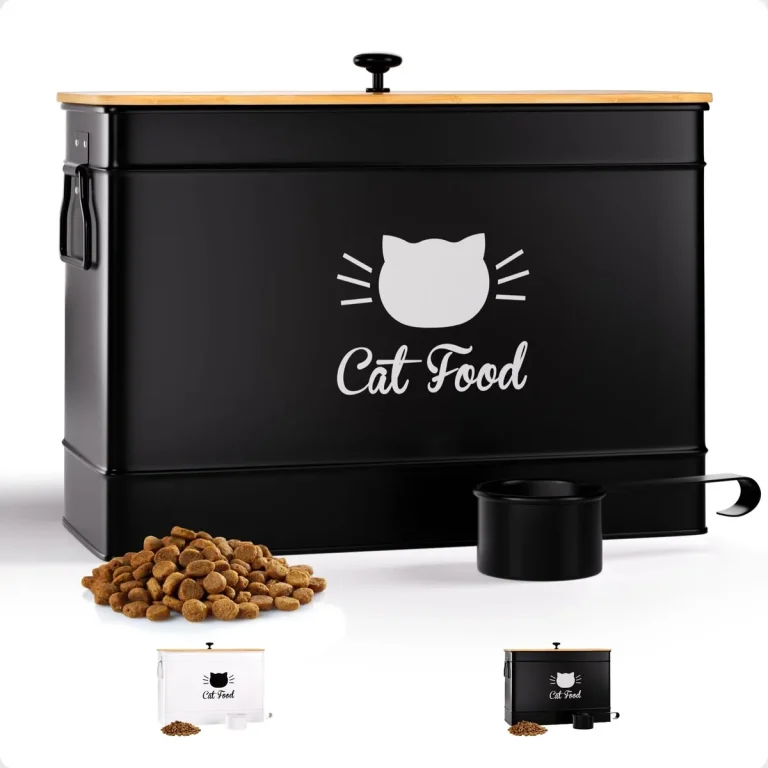
- Airtight Containers: Invest in good-quality, airtight food storage containers for your dog’s kibble. Many come with scoops and are designed to keep food fresh and pest-free.
- Pantry or Cabinet Storage: Store these containers in a secure location like a pantry, a cupboard with a child-proof lock if necessary, or a high shelf in a garage. The goal is to make it inaccessible and unappealing for your cat to investigate.
The key here is consistent implementation. If the dog food is put away reliably after each feeding, the opportunity for your cat to explore it diminishes significantly. This strategy aligns with maintaining the integrity of dry cat food, as described in articles about what is kibble cat food.
Step 2: Make the Dog Food Less Appealing
Beyond physically blocking access, you can also try making the dog’s eating environment less attractive to your feline friend. This is more about subtle deterrents that might discourage your cat from lingering around the dog’s food.
Clean Up Old Kibble
Stale, old kibble can become less palatable and can even develop an odor that might not appeal to a discerning cat (or dog, for that matter). Regularly cleaning your dog’s food bowl and ensuring no leftover kibble is left strewn around the feeding area is a simple yet effective step.
- Daily Bowl Washing: Wash your dog’s food and water bowls daily with soap and water. This removes residual food particles and bacteria that can contribute to unpleasant smells.
- Sweep or Vacuum Feeding Area: After your dog has finished eating, sweep or vacuum the area around their bowls to pick up any stray kibble. This prevents your cat from picking at dropped pieces.
This practice not only helps deter your cat but also maintains better hygiene for your dog, minimizing the risk of bacteria buildup in their bowls.
Rethink Feeding Station Location
Where your dog eats can sometimes inadvertently attract your cat. Consider if the current spot is too accessible or too tempting.
- Quieter Spaces: If your dog eats in a busy area of the house, moving their feeding station to a quieter, less trafficked spot might make it less interesting for a curious cat. A corner of the kitchen, a laundry room, or even a dedicated feeding mat can work.
- Inaccessible Zones for Cats: Think about locations your dog can access but your cat cannot, such as a raised platform they can’t jump onto, or a room with a cat-proof barrier you might install.
The aim is to make the dog’s feeding area feel less like a communal dining space and more like a private dining experience for the dog.
Step 3: Boost Your Cat’s Own Food Appeal
If your cat is consistently drawn to the dog’s food, it might be a sign that their own food isn’t quite hitting the mark. They could be bored with it, or perhaps it’s not meeting their needs. Making your cat’s food more enticing can be a powerful way to redirect their attention.
- Variety in Flavors and Textures: Cats can get bored with the same meal day after day. Try introducing different brands or formulas of cat food. You might discover they have a preference for pâté, chunks in gravy, or even different protein sources like salmon, chicken, or lamb. Explore options from a reputable source on cat food.
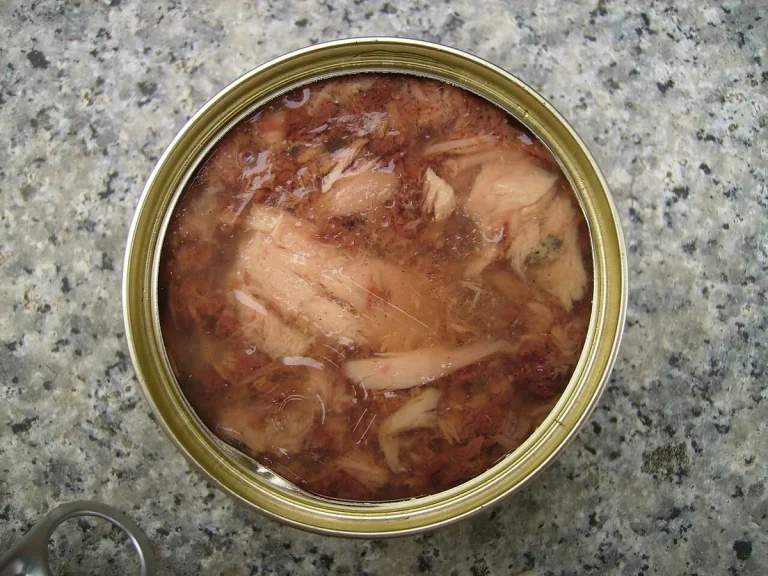
- Consider Wet Food: Many cats find wet food significantly more appealing than dry kibble due to its aroma and texture. If you’re currently feeding dry kibble, incorporating some wet food into their diet, perhaps once or twice a day, can be a game-changer. You can even mix a small amount of wet food into their dry kibble to enhance overall appeal. Remember to check the optimal storage for opened cans, as how long does canned cat food last once opened is crucial for safety.
- Slightly Warm the Food: Warming wet cat food (just to room temperature or slightly above, never hot) can release more of its aroma, making it more enticing for your cat. A few seconds in the microwave or a bit of warm water mixed in can do wonders.
- Ensure Complete Nutrition: Make sure the cat food you are providing is formulated for your cat’s life stage and specific needs. For instance, kittens have different requirements than adult cats or senior cats. You wouldn’t want to be feeding your adult cat a kitten food, just as you wouldn’t want them eating dog food. Resources on what’s the healthiest dry cat food can offer guidance on selecting quality options.
Mistakes to Avoid
When trying to stop your cat from eating dog food, certain approaches can unintentionally worsen the problem or create new issues. Being aware of these common pitfalls can save you time and frustration.
- Punishing Your Cat: Cats do not understand punishment. Scolding, spraying water, or any form of negative reinforcement will likely only make your cat fearful of you and may drive the behavior underground without truly resolving it. They won’t connect the punishment to the act of eating dog food; they’ll just associate it with your presence.
- Leaving Dog Food Accessible: This is the most straightforward mistake. If the dog food is there, and your cat has access, the behavior will continue. The easiest fix is often the most effective: remove the opportunity entirely. This means no free-feeding for the dog.
- Ignoring Nutritional Differences: While an occasional lick of kibble might be harmless, relying on dog food for your cat’s diet is dangerous. As mentioned, cats have specific dietary needs, particularly for amino acids like taurine, which dog food lacks in sufficient quantities. This can lead to serious health problems like dilated cardiomyopathy or vision impairment over time.
- Assuming It’s Just a Phase: While some cats might grow out of curiosity-driven scavenging, many will not without consistent management. Waiting too long to address the issue can solidify the habit and complicate the solution.
When to Talk to Your Veterinarian
While most cases of cats eating dog food are manageable through environmental adjustments and feeding strategy changes, there are situations where professional advice is necessary. Your veterinarian is your best resource for any health-related concerns.
- Sudden Changes in Eating Habits: If your cat has suddenly started a compulsive habit of eating dog food, or if their appetite has changed dramatically, it’s worth discussing with your vet. This could indicate an underlying medical issue they’re trying to address through unusual food choices.
- Concerns About Nutrition: If you suspect your cat has been regularly consuming dog food and you’re worried about nutritional deficiencies or imbalances, your vet can perform a health assessment and recommend appropriate dietary adjustments or supplements. They can also advise on the precise caloric needs for your cat, which is important for overall health and satiety, as understanding how many calories in canned cat food can be part of a balanced feeding plan.
- Persistent Behavioral Issues: If you’ve implemented the recommended strategies diligently for several weeks and your cat still persistently tries to eat the dog food, despite all efforts, your vet can help rule out behavioral issues that might require more specialized intervention, possibly with a veterinary behaviorist. They can also confirm if your cat is at a healthy weight and stage for their food, ensuring they aren’t unknowingly eating kitten food when they should be on adult formulas.