How to Make Bird Food at Home in 2026 (What Actually Works)
Making your own bird food at home is a rewarding way to support your local avian visitors, offering them fresh, nutritious meals tailored to their needs. It's often more economical than buying pre-made mixes and allows you to control exactly what goes into each serving. You can even craft blends that specifically attract certain species to your backyard.
Our research indicates that consistent feeding, especially with homemade blends, can significantly increase the diversity and frequency of bird visits. For example, many backyard birds, like finches and cardinals, thrive on a diet rich in seeds and healthy fats, which is easy to replicate in your own kitchen. This guide breaks down how to get started with confidence.
Quick Answer
You can make bird food at home by combining seeds, grains, and healthy fats. Measure ingredients like sunflower seeds, millet, and oats. Add binders like flour or cornmeal.
Mix well, form into balls or cakes, and let set. Avoid toxic items like avocado or salt. This custom approach feeds local birds effectively.
Why Make Your Own Bird Food?
When you can pick up a bag of birdseed at any store, you might wonder why you'd bother making your own bird food at home. For starters, it often boils down to cost-effectiveness. Commercially prepared bird foods can add up, especially if you're feeding a flock.
By sourcing your own ingredients, you gain better control over your budget.
Beyond savings, homemade options offer unmatched freshness. Store-bought mixes can sit on shelves for extended periods, potentially losing nutritional value or becoming stale. You can also tailor recipes to the specific birds in your area.
Different species have different dietary preferences, and a custom blend ensures you're offering what they truly need, rather than a generic mix that might go uneaten.
Choosing the Right Ingredients for Your Feathered Friends
Seeds and Grains Your Local Birds Love
The foundation of most homemade bird food is a good mix of seeds and grains. These provide essential carbohydrates and oils for energy. Sunflower seeds, especially black oil sunflower seeds, are a universal favorite among many backyard birds, offering high fat content for sustained energy.
Millet is another excellent choice, particularly for smaller birds like sparrows and finches, as it's easy for them to handle.
Cracked corn is a hit with larger birds like jays and woodpeckers, providing a good source of carbohydrates. Oats, whether whole or rolled, add valuable fiber and energy. When creating your own mixes, aim for a varied selection.
For instance, a common DIY blend might include 40% black oil sunflower seeds, 30% cracked corn, and 20% millet, with 10% other seeds like safflower or peanut pieces.
Protein Boosters: Suet and Peanut Butter
While seeds and grains form the base, protein is crucial, especially for nesting birds and during colder months. Suet, rendered beef fat, is a fantastic source of high energy. You can buy blocks of suet or render your own, then mix it with seeds, nuts, or dried fruit to create nutritious cakes.
This is particularly popular with woodpeckers, chickadees, and nuthatches.
Peanut butter, when presented correctly and without added salt or artificial sweeteners, is also a protein powerhouse. It's a favorite of many insect-eating birds. A common way to use it in homemade food is to spread it thinly on pine cones or mix it with an equal part of cornmeal or flour to create a firmer, less sticky product that birds can peck at.
What to Leave Out: Toxic Foods and Fillers
It's just as important to know what not to include in your bird food. Some common human foods are actually toxic to birds. Avocado, for instance, can cause respiratory distress and heart failure.
Chocolate is highly toxic due to theobromine. Onions and garlic, even in small amounts, can damage a bird's red blood cells.
Also, avoid feeding birds anything with added salt or sugar. Birds don't have the metabolic pathways to process these in large quantities, and it can lead to dehydration or other health issues. Always opt for unsalted, unsweetened, and plain ingredients.
Be mindful of fillers in commercial seed mixes; sometimes these include less desirable grains or artificially colored bits that birds may ignore, leading to waste.
Your Step-by-Step Guide to Homemade Bird Food
Mixing Your Basic Birdseed Blend
Creating a simple birdseed mix is incredibly straightforward. Start by gathering your chosen ingredients. A good starting point is a ratio like 2 parts black oil sunflower seeds, 1 part cracked corn, 1 part white proso millet, and 1 part rolled oats.
You can modify this ratio based on what your local birds prefer.
Measure your ingredients into a large bowl or container. You can use scoops, cups, or even weight measurements, as long as you keep your ratios consistent. Gently toss the seeds and grains together to ensure an even distribution.
If you're making a large batch, use a clean bucket or a plastic storage bin. This provides a good base that you can then use as-is in most tube or hopper feeders.
Crafting Birdseed Balls and Cakes
For a more engaging treat, especially for birds that prefer clinging or those you want to attract with specific offerings, seed balls or cakes are ideal. To make these, you'll need a binder. A common binder is a mixture of all-purpose flour and water, or for a richer, more energy-dense option, unsalted peanut butter softened with a little vegetable oil or melted suet.
Gelatin, when bloomed in water and mixed into ingredients, also works well as a binder and adds protein.
Combine your dry seed and grain mix with your chosen binder. Mix thoroughly until all the dry bits are coated. The consistency should be moldable, like dough.
If it's too dry, add a touch more liquid or peanut butter; if too wet, add a bit more flour or cornmeal. You can further enhance these mixes with dried berries (like cranberries or blueberries, ensuring they have no added sugar) or mealworms for an extra protein boost.
Drying and Storing Your Creations
Once your seed balls or cakes are formed, they need to set or dry. For seed balls, you can press them firmly into silicone molds or shape them by hand and chill them in the refrigerator for at least an hour to firm up, or longer for a very firm ball. Seed cakes made with suet or peanut butter binders will also benefit from refrigeration to solidify.
If you're using a flour-and-water binder and want a drier, cake-like consistency, especially for outdoor feeders that might be exposed to rain, you can bake them at a very low temperature (around 200°F / 93°C) for 30-60 minutes until firm but not brittle. Alternatively, you can air-dry them in a warm, dry place for 1-2 days. Properly dried and stored homemade bird food should be kept in an airtight container in a cool, dark place, or in the refrigerator, where it can last for several weeks.
Attracting Specific Bird Species with Custom Blends
Feeder Fillers for Finches and Chickadees
Finches and chickadees have a fondness for small, high-energy seeds. Nyjer (sometimes called thistle seed) is a particular favorite of goldfinches, but it’s very fine and best dispensed from specialized feeders with small openings. For a more general finch and chickadee blend, focus on black oil sunflower seeds (shelled or unshelled), white proso millet, and fine-grade cracked corn.
Small amounts of safflower seeds can also be incorporated, as many smaller birds enjoy them, and they're less appealing to squirrels.
When making blends for these small birds, it’s good to ensure the seeds are easy to crack open. If you're using unshelled sunflower seeds, consider offering them shelled in some feeders to cater to birds with smaller beaks. A well-balanced mix, perhaps two parts black oil sunflower, one part millet, and a half-part safflower for variety, will keep these energetic little visitors coming back.
Hearty Meals for Woodpeckers and Jays
Woodpeckers and jays are a bit more robust and appreciate larger, more calorie-dense foods. Cracked corn is a staple for them, as are larger sunflower seeds and peanuts. You might also consider adding pieces of raw, unsalted peanuts (shelled or unshelled) to your mix.
For woodpeckers, suet-based feeders or cakes are particularly effective, as they mimic the insects wood-boring species seek out.
If you're making a mix specifically for jays or larger woodpeckers, don't be shy with the corn and peanuts. You can also add whole peanuts or even mealworms to suet cakes to create a high-protein, high-energy feast. These larger birds are less picky than finches, so a robust mix of corn, sunflower seeds, and peanuts will be a guaranteed hit.
For the Cardinal Crowd
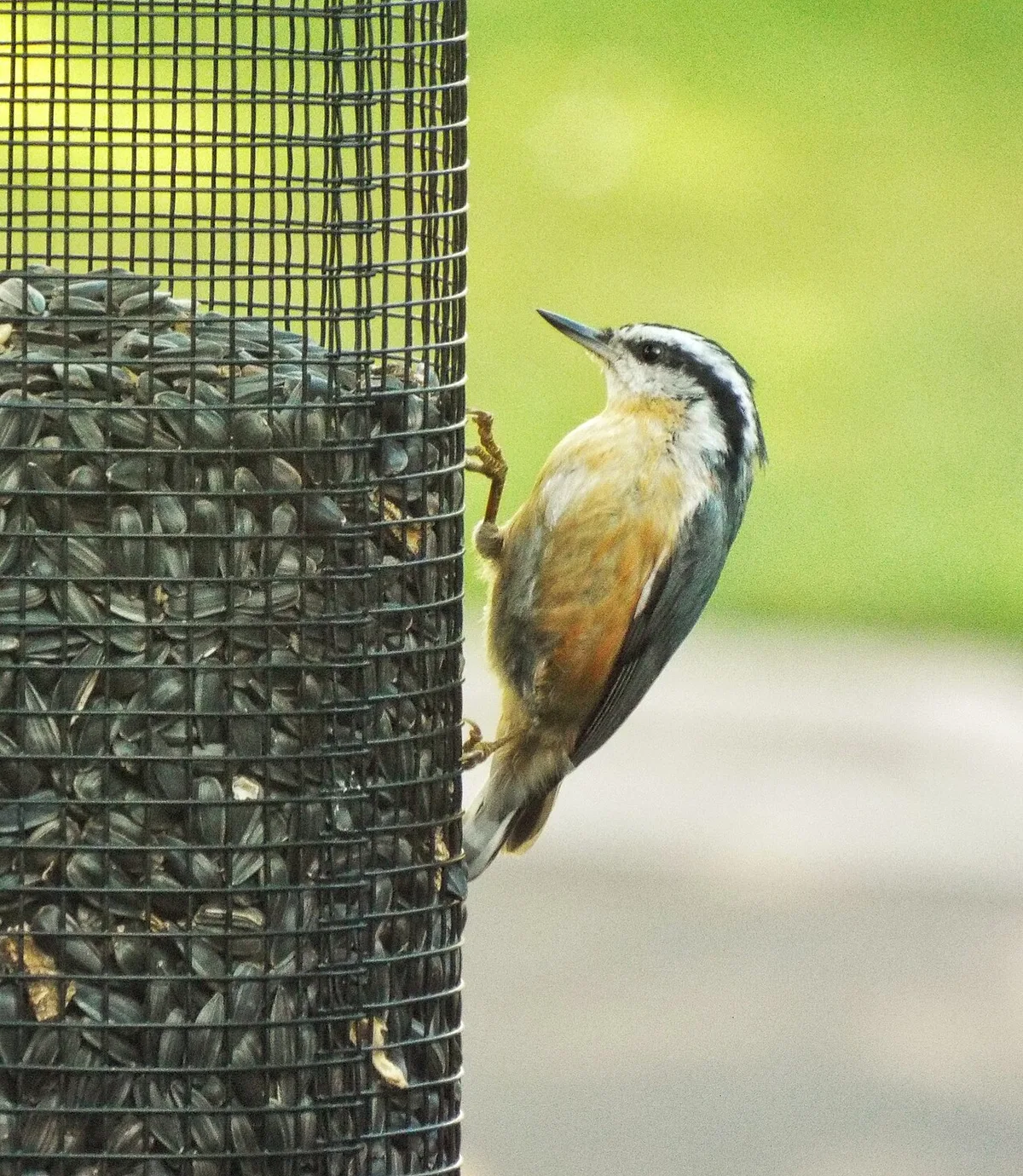
Cardinals are known for their picky eating habits, but they generally love a mix of sunflower seeds and safflower seeds. They can also be enticed by corn and a good quality suet. Often, cardinals will pick through a general mix to find their favorites, so a blend with a higher proportion of black oil sunflower seeds and safflower seeds is a good bet for attracting them.
Wikimedia Commons / David Whelan
If you find cardinals are overlooking other seeds, try offering a mix that's primarily sunflower seeds, perhaps with some safflower and a bit of cracked corn. They also appreciate a reliable source of calcium, so a small amount of crushed oyster shell can be added to suet cakes. Offering these preferred foods in a sturdy feeder that can accommodate their size will make your yard a cardinal magnet.
The Advantages of DIY Bird Food
Making bird food yourself offers a couple of significant perks. First, there's the economic advantage. Buying ingredients in bulk, like sunflower seeds or millet, is usually cheaper per pound than purchasing pre-mixed commercial birdseed.
This is especially true if you feed birds year-round, as the costs can really add up over time.
Second, you gain satisfaction from knowing exactly what your feathered visitors are eating. You control the quality and freshness of the ingredients, avoiding artificial fillers or preservatives that can sometimes be found in store-bought options. This direct involvement enhances the experience of backyard birding, making it feel more personal and impactful.
Beyond the Basics: Expert Tips for Success
Seasonal Swaps for Year-Round Feeding
Your bird feeding strategy should adapt to the seasons. During colder months, birds need more calories and fat to stay warm. This is when suet cakes, peanut butter mixes, and hearty blends rich in sunflower seeds and corn are most beneficial.
Many birds struggle to find insects and natural food sources when everything is frozen over.
As the weather warms into spring and summer, birds are busy nesting and feeding young. Protein becomes even more critical. While seeds remain important, you might add more mealworms or a higher protein content in your suet blends.
Some birds also appreciate a ready source of clean water, so consider a bird bath. In autumn, you can gradually increase the fat content again as birds prepare for winter.
Keeping Feeders Clean for Bird Health
Clean feeders are essential for preventing the spread of diseases among birds. Homemade food, while fresh, can still spoil, especially in humid or warm weather. It’s a good idea to clean your feeders every one to two weeks.
A mild solution of one part bleach to nine parts water is effective for a thorough cleaning.
Rinse feeders thoroughly with plain water after washing and let them air dry completely before refilling. If you notice any mold on uneaten food, discard it immediately and clean the feeder. This simple maintenance prevents the buildup of bacteria and fungi, ensuring that your efforts to feed birds are keeping them healthy, not making them sick.