What Human Food Can Birds Eat 2026: Beginner-Friendly Guide
Thinking about sharing your snacks with the local feathered friends? It’s a thoughtful gesture, but when it comes to what human food can birds eat, caution is key. Many everyday items we enjoy can be harmful, even toxic, to birds, leading to severe health issues or even death.
Our research indicates that understanding a bird’s specific dietary needs and the composition of human foods is critical for their well-being.
That’s why we’ve broken down common human foods into safe, questionable, and outright dangerous categories. We’re looking at this from a factual, research-backed standpoint, referencing information consistent with avian nutrition guidelines. For instance, per USDA agricultural research, many processed human foods contain excessive salt or sugar detrimental to birds’ sensitive systems, while fresh, whole foods can offer beneficial nutrients.
Let’s figure out what’s truly on the bird-safe menu.
Quick Answer: It Depends! Here’s the Scoop on Safe & Unsafe Foods
Yes, some human foods are safe for birds, but many are not. Safe options include small amounts of cooked, unsalted grains, certain fruits, and vegetables. Avoid avocado, chocolate, caffeine, alcohol, and salty or sugary snacks.
Always ensure food is fresh and mold-free, as contaminants can be deadly.
The Big Question: Is My Leftover Apple Safe for the Birds?
When you’re cleaning out your fridge or have a bit of food left from a meal, the impulse to toss it towards a bird feeder can be strong. You see sparrows pecking at stray crumbs or pigeons feasting on discarded crusts, and it seems natural. However, this assumption can be dangerous.
Birds have very different digestive systems and nutritional requirements compared to mammals. What’s perfectly healthy for you might be indigestible or poisonous for them.
This guide aims to clarify which common human foods pose a risk and which can be offered safely, differentiating between wild birds and the specific needs of pet bird species. We’re focusing on providing you with the practical knowledge to make informed decisions, much like understanding what is kibble cat food helps pet owners choose the right nutrition for their cats. A little knowledge can go a long way in helping our avian neighbors thrive.
Grains and Seeds: The Bird Table Staples
Grains and seeds form the foundation of many birds’ natural diets, so it makes sense that some human-prepared versions can be good additions. However, the way we process them, particularly with added salt, sugar, or fats, changes their suitability. When offering these, the key is simplicity and lack of additives.
Grains: Bread, Crackers, and Cereals – What’s Okay?
Plain, unsalted, and unseasoned grains are generally safe in moderation for many backyard birds. Think of things like cooked oatmeal (plain, no sugar or milk), plain white or whole wheat bread (stale is fine, but avoid moldy pieces), and unsweetened breakfast cereals. These provide carbohydrates for energy.
However, it’s crucial to remember that bread and crackers are often referred to as “empty calories” for birds because they offer little nutritional value beyond energy. Overfeeding these can lead to a situation where birds fill up on low-nutrient foods, neglecting more nutritious natural sources or specialized bird feed. This is similar to how we might caution against feeding cats too much of a low-quality filler food, resembling the concerns around whats the healthiest dry cat food.
As of 2026, ornithological research continues to emphasize variety and natural foraging over reliance on processed grains.
Seeds: Sunflower, Millet, and More – Bird Favorites
Most commercially available birdseed blends are packed with various seeds, and for good reason. Birds love them, and they provide essential fats and proteins. If you have leftover plain seeds from a pet bird’s diet, like unsalted sunflower seeds or millet, these can be offered in small quantities.
It’s important that any seeds offered are unsalted and unseasoned. Salt is a significant concern for birds, and many snack-type seeds we eat are heavily salted. Keep an eye on mold, too; moldy seeds can produce toxins that are deadly to birds.
If you wouldn’t eat it, don’t offer it.
Fruits and Veggies: Nature’s Candy for Feathers
Many birds naturally consume fruits and certain plant matter, so incorporating some human-grade produce into their diet can be beneficial. The crucial aspect here is to select items that are not only avian-safe but also haven’t been treated with pesticides or artificial coatings. Washing all produce thoroughly is a non-negotiable step.
Safe Fruits: Berry Good Options and Apple Slices
Fruits are a fantastic source of vitamins, minerals, and natural sugars for energy. Soft fruits like berries (raspberries, blueberries, strawberries), melon, and grapes (cut into small pieces to prevent choking) are generally well-received by a variety of bird species. Apples are also a hit, but you’ll want to remove the core and seeds, as apple seeds contain a small amount of cyanide, which can be toxic in large doses.
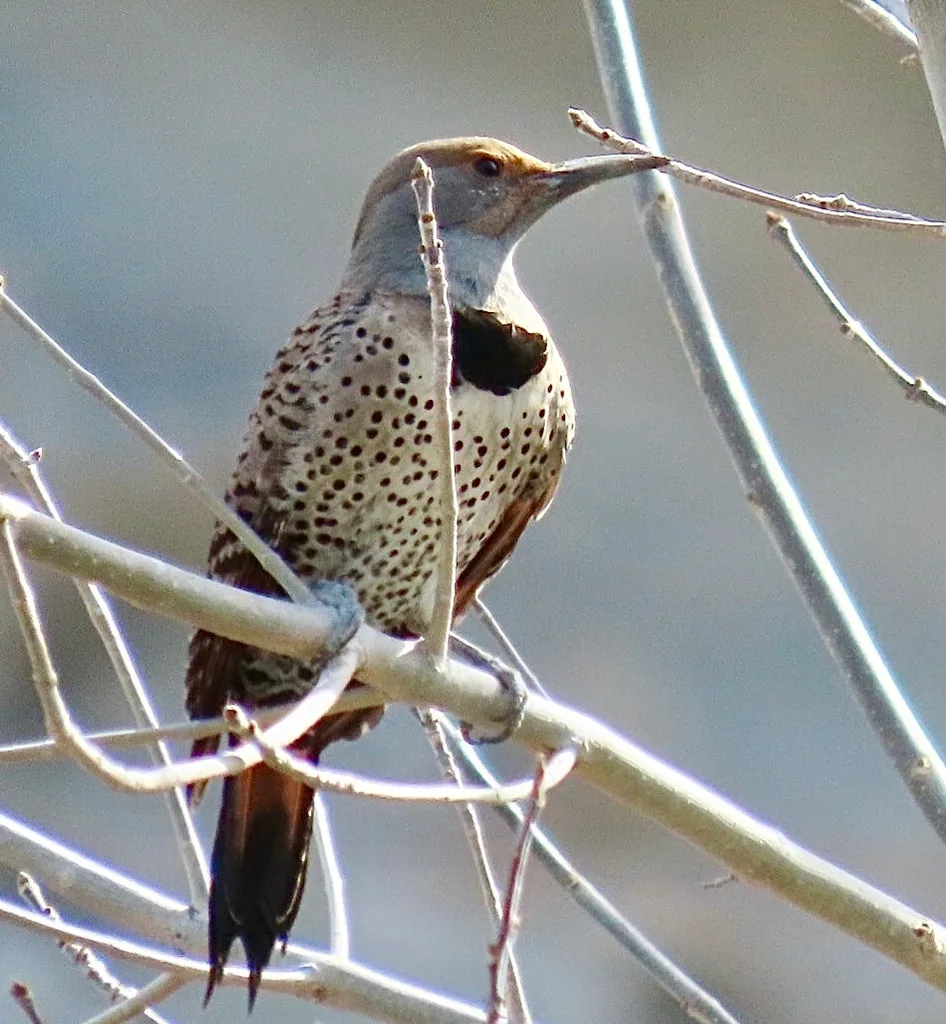
Image source: iNaturalist / Irene
Stone fruits like cherries, plums, and peaches are okay to offer, but again, the pits must be removed. The pits contain amygdalin, which breaks down into cyanide. It’s similar to how we must be careful with our own pets; for example, understanding how to make cat food from scratch involves knowing which ingredients are safe and how to prepare them properly.
Offer fruits fresh and ripe but avoid anything overripe or moldy, as this can lead to health issues.
Safe Veggies: Leafy Greens and Other Garden Goodies
Many vegetables are nutrient powerhouses for birds. Leafy greens like spinach, kale, romaine lettuce, and collard greens can be offered, though in moderation for some birds (spinach, for example, contains oxalates that can interfere with calcium absorption in very large quantities).
Other good choices include cooked sweet potatoes, carrots (cooked or raw, grated), peas, corn (cooked, off the cob), and broccoli. Ensure vegetables are cooked until tender if raw is too hard for them to digest, especially for smaller birds. Always wash them thoroughly to remove any pesticide residues.
Foods to Absolutely Avoid: The “No” List for Fruits and Veg
While many fruits and veggies are safe, some are downright dangerous and should never be offered.
- Avocado: This is a big one. All parts of the avocado plant, including the fruit, pit, and leaves, contain a toxin called persin. Persin can cause respiratory distress and heart failure in many bird species.
- Onions and Garlic: These can cause damage to a bird’s red blood cells when consumed in large amounts, leading to anemia.
- Rhubarb: The leaves of the rhubarb plant are toxic due to high oxalate content.
- Mushrooms: Wild mushrooms can be poisonous, and even cultivated ones can cause digestive upset for birds.
Foods That Look Innocent But Are Dangerous
Beyond the obvious toxic fruits and veggies, some seemingly harmless human foods hide serious risks for our feathered friends. These are items that often catch people by surprise, making them crucial to highlight.
Avocado: The Silent Killer
We mentioned avocado in the fruits section, but it bears repeating and emphasizing because it’s responsible for so many bird fatalities. Avocado contains a substance called persin, which is toxic to a wide range of bird species. The level of toxicity can vary depending on the type of avocado and the bird species, but it’s not worth the risk.
The toxin is present in the fruit’s flesh, skin, pit, and leaves. Even small amounts can lead to severe respiratory problems, fluid accumulation around the heart, and sudden death. This is non-negotiable, never feed avocado to any bird, wild or pet.
Chocolate: Toxic Treat
If there’s any leftover chocolate from a party or snack, keep it far away from bird feeders. Chocolate contains theobromine and caffeine, both of which are toxic to birds. The darker the chocolate, the higher the concentration of theobromine, making it even more dangerous.
Ingesting chocolate can lead to vomiting, diarrhea, tremors, seizures, and even death. Birds are particularly sensitive to these stimulants, and their bodies can’t process them effectively. This is a hard rule for all birds, much like ensuring cats don’t ingest certain human foods.
For instance, when considering best cat food for anemic cats, the focus is on specific nutrient deficiencies, not on generally toxic substances.
Onions and Garlic: Best Left Off the Menu
These common kitchen staples, used for flavoring countless dishes, are best avoided when feeding birds. While not acutely poisonous in tiny traces, larger amounts of onions and garlic can damage a bird’s red blood cells. This damage can lead to anemia, making it difficult for the bird to transport oxygen.
The symptoms might not appear immediately, but regular or substantial consumption can cause weakness, lethargy, and respiratory issues. It’s safer to simply exclude them from any offerings.
Xylitol and Artificial Sweeteners: A Dangerous Game
Many diet foods, sugar-free gums, candies, and even some peanut butters sweetened with a sugar substitute called xylitol are dangerous for birds. Xylitol can cause a rapid drop in blood sugar (hypoglycemia) and liver failure in birds. Even if a product doesn’t contain xylitol, other artificial sweeteners and colors found in processed human foods can be detrimental to a bird’s health, potentially causing organ damage or other severe reactions.
Stick to natural, whole foods.
Key Considerations for Safe Feeding
Offering human food to birds isn’t just about picking safe items; it’s about thoughtful provision. Several factors come into play that can turn a potentially helpful gesture into a harmful one. Our research highlights that responsible feeding requires more than just a list of “yes” and “no” foods.
Nutritional Balance: More Than Just Filling a Tummy
Birds in the wild have evolved to seek out a diverse diet from a variety of natural sources. These include insects, seeds, fruits, nectar, and grains, each providing different vitamins, minerals, proteins, and fats essential for their health, reproduction, and energy levels. When we offer human food, it’s often high in carbohydrates and fats and low in essential nutrients like protein and calcium.
For instance, a diet heavily reliant on bread can displace the intake of nutrient-dense insects or seeds, leading to malnutrition. This is particularly critical for developing young birds who require specific nutrients for growth. Over time, an unbalanced diet can weaken a bird’s immune system, making them more susceptible to diseases.
This is a core tenet in animal nutrition across species; think about the careful balance required for best cat food for 6 month old kitten to ensure proper development.
Spoilage and Mold: The Silent Threats
Wild birds are resourceful, but spoiled or moldy food can be their downfall. Mold produces mycotoxins, which are potent poisons that can cause severe illness or death. These toxins can affect a bird’s respiratory system, liver, and immune function.
Even foods that look perfectly fine to us can harbor unseen threats for birds.
This is why it is paramount to check any food you offer for freshness. Never offer anything that is moldy, has a foul odor, or shows signs of decay. For pet birds, this is even more critical, as they are confined to their environment and cannot avoid contaminated food.
Always dispose of uneaten fresh food daily, just as you would manage how long canned cat food last once opened to prevent spoilage.
Portion Control: Especially for Pet Birds
While wild birds can generally regulate their intake, pet birds might not always have the same capacity, especially if the food is highly palatable. Feeding excessive amounts of human food, even safe items, can lead to obesity, digestive upset, and other health problems. Overfeeding can also encourage picky eating habits, making it harder to provide them with a balanced diet of appropriate bird food.
For pet birds, human food should be treated as a treat, not a staple. A good rule of thumb is that treats should make up no more than 10% of their total daily intake. Always research the specific needs of your pet bird species; for example, some birds thrive on a diet rich in certain fruits and vegetables, while others need more seeds or specialized pellets.
Common Mistakes That Harm Birds
Feeding birds can be a rewarding experience, but it’s easy to make mistakes that can do more harm than good. Many well-intentioned actions can inadvertently put birds at risk. Understanding these common pitfalls is as important as knowing what foods are safe.
From improper storage to offering the wrong treats, these errors can lead to serious health consequences.
The most frequent error is offering food that’s gone bad or has developed mold. Even small amounts of mycotoxins can weaken birds, making them vulnerable to disease. Another significant mistake is introducing foods that are inherently toxic, like avocado or chocolate, without realizing the danger.
Feeding the Wrong Things: The Top Pitfalls
Beyond the most obviously toxic items, there are other human foods that, while edible for us, can cause significant problems for birds. For instance, heavily salted snacks like pretzels, potato chips, or salted nuts should be avoided entirely. Birds’ kidneys cannot process high levels of sodium, and a salt overload can lead to dehydration, kidney damage, and death.
Even seemingly innocent items like milk or dairy products can cause digestive upset. Birds lack the enzymes to properly digest lactose, meaning dairy can lead to diarrhea and poor nutrient absorption. Similarly, processed meats that are high in fat and salt are not suitable.
Offering a varied, natural diet is far better than relying on processed human leftovers, much like selecting appropriate food for pets. For instance, ensuring a kitten receives the correct nutrition is vital for its foundational health. For a deep dive, you might look into best cat food for 6 month old kitten.
Neglecting Feeder Cleanliness: A Health Hazard
The feeder itself is as critical as the food you put in it. Dirty feeders are breeding grounds for bacteria and mold, spreading disease among birds. Birds aren’t just eating the food; they’re also leaving droppings and other contaminants in the feeder.
If this isn’t cleaned regularly, it creates a significant health hazard.
At a minimum, feeders should be cleaned weekly, and more often during wet or humid weather when mold grows faster. Use a solution of one part bleach to nine parts water, or a mild dish soap. Rinse thoroughly and allow the feeder to dry completely before refilling.
This hygiene is crucial for preventing outbreaks of avian diseases like salmonellosis or avian pox.
Birds Food Safety Checklist: Quick Reference
Having a quick reference guide can make deciding what to offer much simpler and safer. This checklist covers the essential dos and don’ts, helping you make fast, informed choices at a glance.
-
DO offer:
- Plain, unsalted cooked oatmeal (no sugar or milk)
- Unsalted seeds (from pet bird food, for example)
- Small amounts of fresh, washed fruits (berries, apple chunks without seeds, melon, grapes cut small)
- Fresh, washed vegetables (leafy greens, cooked carrots, peas, corn)
- Plain, unsalted cooked eggs (scrambled or hard-boiled, crumbled)
-
DO NOT offer:
- Avocado
- Chocolate
- Salty snacks (pretzels, chips, salted nuts)
- Sugary items (candy, cookies, sweetened baked goods)
- Dairy products (milk, cheese)
- Alcoholic or caffeinated beverages
- Moldy or spoiled food
- Onions, garlic, rhubarb, or mushrooms
- Xylitol and artificial sweeteners
This simple checklist helps prevent common mistakes that could endanger birds. It’s a practical tool for anyone looking to supplement their diet safely, ensuring the food you provide is beneficial rather than harmful.
Do’s and Don’ts at a Glance
Sometimes, a visual or a direct comparison is the easiest way to absorb information. Here’s a breakdown of what you should and should not offer, presented clearly to guide your feeding choices.
| DO Offer (In Moderation) | DO NOT Offer (Harmful/Toxic) | Key Reason for Avoidance |
|---|---|---|
| Unsalted Grains (cooked oats, plain bread crumbs) | Avocado | Contains persin toxin (fatal) |
| Unsalted Seeds (sunflower, millet) | Chocolate | Contains theobromine (toxic) |
| Fresh, Washed Fruits (berries, apples sans seeds) | Salty Snacks (chips, pretzels) | High sodium content dangerous |
| Fresh, Washed Veggies (leafy greens, peas, corn) | Dairy Products (milk, cheese) | Lactose intolerance in birds |
| Cooked, Unsalted Eggs (scrambled, crumbled) | Alcohol & Caffeine | Stimulants, can be fatal |
| Small amounts of clean water | Onions & Garlic | Can cause anemia |
This table offers a quick, scannable overview. Remember that even “safe” foods should be offered in moderation, especially to wild birds. Over-reliance on human food can lead to nutritional deficiencies if it displaces more appropriate natural food sources.
Feeding Wild Birds vs. Pet Birds: Different Rules Apply
While the fundamental principles of bird nutrition and safety apply to both wild and pet birds, there are distinct differences in how we approach feeding them. Wild birds have the advantage of a diverse natural environment, and our offerings should ideally supplement, not replace, their natural diet. Pet birds, on the other hand, are entirely dependent on us for their nutritional needs.
For wild birds, providing supplementary food, particularly during harsh weather like winter or drought, can be a lifeline. However, consistency is key. If you start feeding them, it’s best to continue regularly, as they may come to rely on that food source.
It’s also important to consider the impact of supplementary feeding on the local ecosystem and bird behavior.
When it comes to pet birds, the stakes are even higher. Their diet must be carefully balanced to meet all their nutritional requirements. This usually involves a high-quality commercial bird pellet or seed mix specifically formulated for the species, supplemented with small amounts of fresh fruits, vegetables, and appropriate treats.
Mismanagement of a pet bird’s diet can lead to serious health problems, much like an improperly managed diet for cats can lead to issues such as obesity or urinary tract infections. For detailed information on feline nutrition, consult resources like whats the healthiest dry cat food.
When to Seek Expert Advice (or Not)
Deciding what human food is safe for birds often boils down to common sense and a few crucial facts. However, there are times when consulting an expert or reliable resource is the wisest course of action. This is especially true if you’re dealing with a pet bird or notice unusual behavior or signs of illness in a wild bird.
If you’re unsure about a specific food item, err on the side of caution and don’t offer it. For pet owners, connecting with an avian veterinarian or a reputable bird breeder can provide tailored dietary advice. Likewise, if you observe a wild bird that appears sick or injured after consuming something from your feeder, contact your local wildlife rehabilitation center or a wildlife biologist.
Frequently Asked Questions
Can birds eat bread?
Yes, plain, unsalted bread and bread crumbs are generally safe for birds in moderation for wild birds. However, they offer little nutritional value and can lead to unbalanced diets if birds fill up on them. Avoid moldy bread or bread with added salts or sugars.
Is it okay to feed birds pasta?
Plain, cooked, unsalted pasta is usually safe for birds. Birds can digest it, and it provides carbohydrates for energy. As with bread, it should be offered sparingly and never be the sole food source.
Ensure it’s not seasoned or covered in sauce.
Can birds eat peanut butter?
Peanut butter can be offered with caution, but it must be unsalted and without any added sugar or xylitol. It’s a high-fat, high-protein food. Use it sparingly, perhaps smeared thinly on a pinecone or in a specialized feeder, and always offer it fresh without any mold.
What are the most dangerous human foods for birds?
The most dangerous human foods for birds include avocado, chocolate, alcohol, caffeine, onions, garlic, salty snacks, and anything containing xylitol or artificial sweeteners. These can cause severe illness, organ damage, or even be fatal. Always avoid these items.