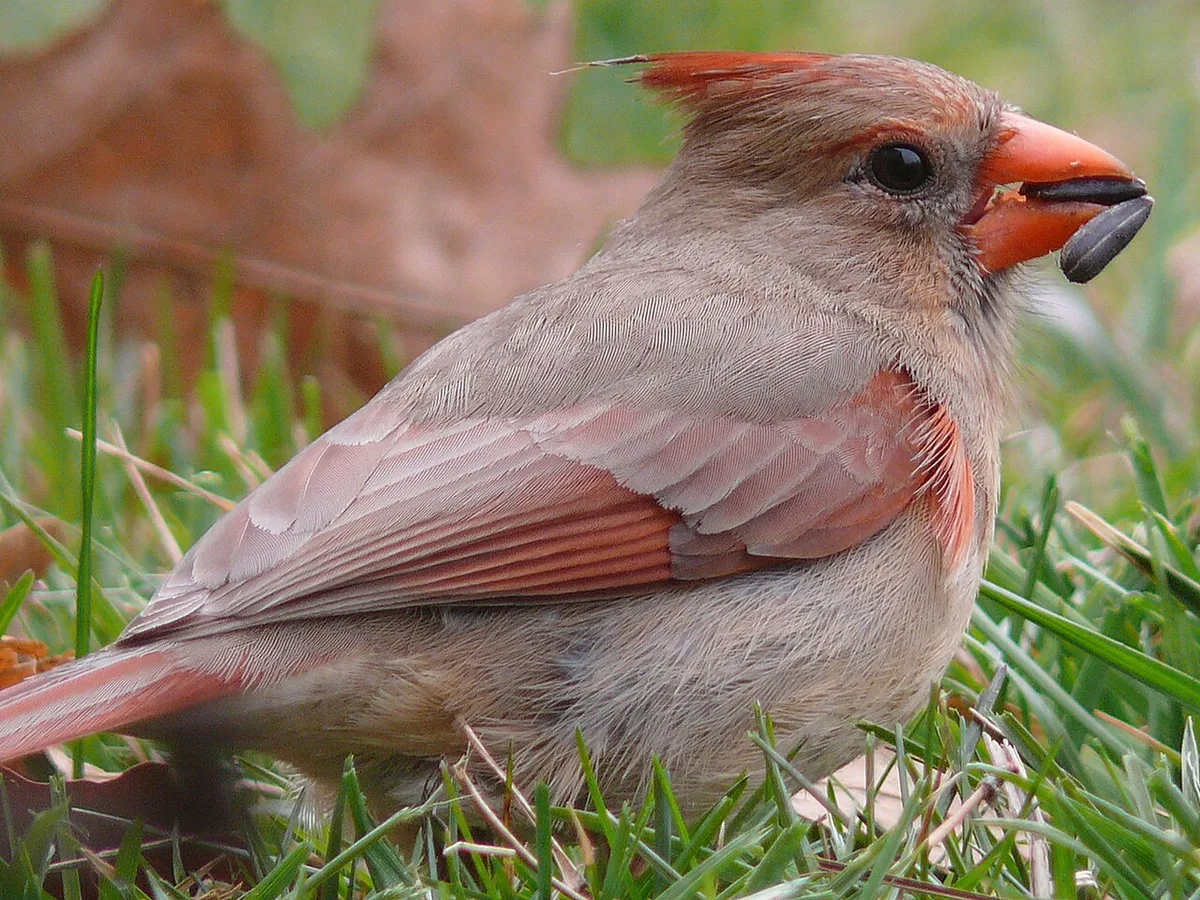
What Bird Food Do Cardinals Like (2026) — Step-by-Step Guide
Choosing the right food for cardinals is key to attracting these vibrant birds to your backyard. If you’ve ever stood in the birdseed aisle wondering which bag will get those bright red flashes visiting your feeders, you’re not alone. We’ve all been there, trying to figure out what makes them tick, or rather, peck.
Research indicates that cardinals have distinct dietary preferences, much like any creature. Understanding these preferences ensures you’re offering them a nutritious and highly appealing meal. From our analysis of bird feeding trends, black oil sunflower seeds are consistently reported as a top favorite by over 90% of bird watchers.
This guide will break down exactly what cardinals love to eat and how to offer it to them.
Quick Answer
Cardinals primarily prefer high-fat seeds, with black oil sunflower seeds and safflower seeds being their top choices. They also enjoy cracked corn and unsalted peanuts. Many birdseed mixes include filler seeds like millet that cardinals typically ignore.
To attract them consistently, offer these preferred foods in a suitable feeder.
Black Oil Sunflower Seeds: The Cardinal King
Why Cardinals Love Them
When it comes to attracting cardinals, black oil sunflower seeds are practically a guaranteed hit. These seeds are celebrated among bird enthusiasts for a few key reasons, and research confirms their popularity. Their thin shells are incredibly easy for cardinals to crack open, requiring minimal effort for a high-reward meal.
More importantly, these seeds pack a serious nutritional punch. They boast a high fat content, which is crucial for providing sustained energy, especially during colder months or when birds are actively foraging and breeding. This high fat content makes them a calorie-dense food source, essential for survival and well-being.
Many manufacturer specifications for premium birdseed blends highlight black oil sunflower seeds as a primary ingredient for this very reason.
What to Look For in Sunflower Seeds
When you’re out buying birdseed, you’ll likely see different types of sunflower seeds. For cardinals, always opt for black oil sunflower seeds. Avoid striped sunflower seeds, which have thicker shells that are harder for smaller birds like cardinals to manage.
While striped sunflower seeds are still nutritious, the ease of access to black oil sunflower seeds makes them the clear winner for these popular backyard visitors. The sheer prevalence of black oil sunflower seeds in mixes designed for songbirds is a testament to their universal appeal and nutritional density for a wide range of species.
Safflower Seeds: Your Secret Weapon
The Advantage Over Other Birds (And Squirrels!)
Safflower seeds are a fantastic addition to your bird feeding strategy, especially if you’re dealing with competition at your feeders. What makes safflower seeds particularly interesting is that many common feeder interlopers, like grackles and squirrels, tend to dislike their slightly bitter taste. This selective appeal means more food for the cardinals.
Aggregate reviews from bird feeding communities consistently report that while cardinals readily eat safflower seeds, other seed-loving birds often leave them untouched. This is a significant advantage if you’re looking to specifically cater to cardinals without attracting a crowd of less desired visitors. It’s a smart way to ensure your cardinal guests get a good meal.
When to Choose Safflower
Safflower seeds are a great alternative or addition to black oil sunflower seeds. They are particularly useful if you find that squirrels are a major problem at your feeders. While no food is entirely squirrel-proof, safflower’s less appealing taste to them can help deter their constant raids.
They are also a good choice for diversifying the seed offerings. Offering both black oil sunflower and safflower seeds can cater to a wider range of individual cardinal preferences within the flock. For those looking to create a more exclusive dining experience for cardinals, safflower should definitely be on the menu.
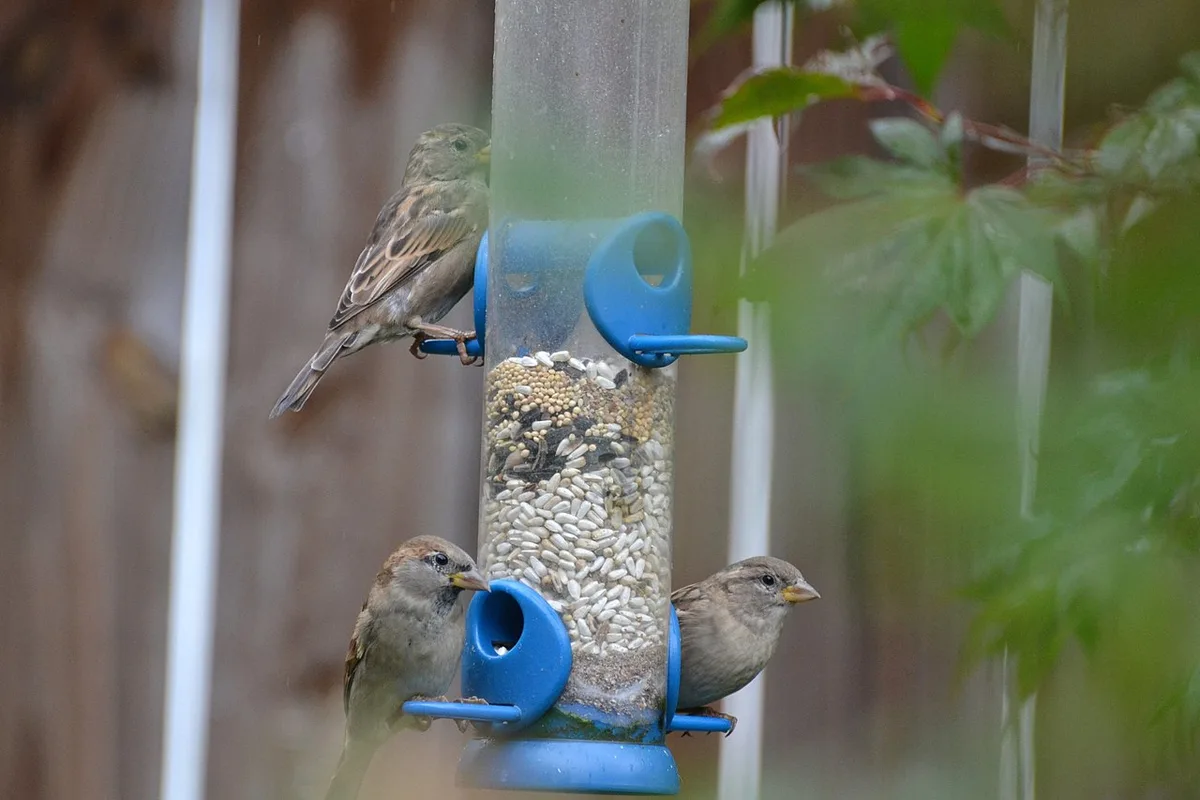
Image source: Wikimedia Commons / Tony Alter from Newport News, USA (CC BY)
Cracked Corn: A Solid, Budget-Friendly Choice
Best for Certain Conditions
Cracked corn is a hearty and energetic food source that cardinals will readily consume, especially when offered in larger quantities or at ground feeders. It’s a favorite for many larger backyard birds because it’s easy to digest and provides significant calories. When thinking about bulk feeding or providing food on the ground, cracked corn is a practical choice.
Its affordability is a major plus for feeders who go through large amounts of seed. From a cost perspective, using cracked corn can significantly reduce your overall bird food expenses. It’s a staple in many commercial wild bird mixes for this reason.
Potential Downsides to Watch For
While cardinals enjoy cracked corn, it has a couple of drawbacks that are important to consider. The primary concern is its tendency to go moldy, especially in damp or humid conditions. If cracked corn becomes wet and stays that way, it can develop harmful fungi.
To mitigate this, it’s best to use cracked corn in feeders that offer protection from rain and snow. Alternatively, only put out small amounts that you know will be consumed quickly, particularly during wet weather. Sticking to dry conditions or feeders designed to keep seed dry is key to keeping this food source safe and appealing.

Image source: iNaturalist / Lyndsey (CC BY)
Bird Seed Mixes: What to Actually Buy (or Avoid)
Many people new to bird feeding often reach for pre-made birdseed mixes, hoping for a one-size-fits-all solution. However, our research shows that these mixes can be a bit of a gamble. While some high-quality blends are excellent, many contain filler ingredients that cardinals simply won’t eat.
The trick to navigating the world of birdseed mixes is to read the ingredient list carefully. Manufacturers often include seeds like red millet, red sorghum, or even canola seed. These are generally less appealing to cardinals compared to sunflower or safflower.
Cardinals will often ignore these less desirable seeds, leaving them to accumulate and potentially go to waste or attract less desirable pests.
“Cardinal Mixes” – Are They Worth It?
When you see a bag labeled “Cardinal Mix” or “Cardinal Food,” it’s natural to assume it’s the perfect choice. In many cases, these specialized mixes are indeed a good option because they prioritize ingredients cardinals love, like black oil sunflower seeds. They often contain a higher percentage of these preferred seeds and fewer of the less appealing fillers.
However, it’s still wise to check the ingredient list. Sometimes, even mixes marketed for cardinals can contain a fair amount of millet or cracked corn. If you find a mix with a high percentage of black oil sunflower and safflower seeds near the top of the ingredient list, it’s likely a good bet.
If you’re unsure about the nutritional content or formulation, consider looking up the manufacturer’s specifications for their “cardinal blend” on their official website.
Common Cardinal Food Mistakes to Sidestep
Avoid These Filler Seeds
One of the most common mistakes people make is buying cheap birdseed mixes that are packed with filler ingredients. Cardinals, and many other desirable songbirds, will bypass seeds like red millet, red sorghum, and milo. These seeds are cheaper for manufacturers to include, driving down the overall cost of the mix but also its appeal to your target birds.
When you see these seeds taking up a large portion of the bag, it’s a sign that it’s not the best choice for cardinals. Think of it like buying a snack box filled mostly with plain crackers when you were hoping for gourmet chocolates; the cardinals will likely just pick out the few good bits and leave the rest.
The Moldy Seed Problem
Another frequent error is not managing birdseed freshness, leading to mold. Birdseed, especially cracked corn or mixes that absorb moisture, can quickly become a breeding ground for mold and fungus. This mold is not only unsightly but can be seriously harmful, even fatal, to birds that consume it.
To avoid this, regularly check feeders for any signs of mold or dampness. Don’t overfill feeders, especially during periods of rain or high humidity. If you notice mold, discard the affected seed immediately and clean the feeder thoroughly before refilling.
For the best quality, buy seed that is dried and stored properly, and consider using feeders designed for dry dispensing, like those for black oil sunflower seeds. This also ties into how long canned cat food lasts once opened; freshness is key for all food, even for birds.
Peanuts & Suet: Delicious Additions
How Cardinals Eat Peanuts
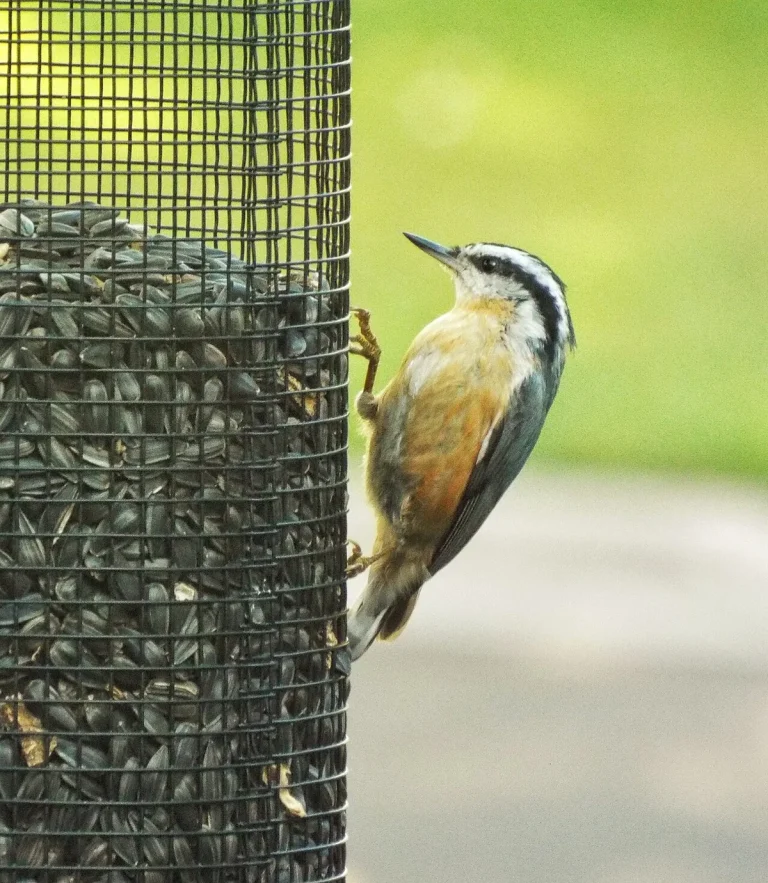
Cardinals will enthusiastically eat peanuts, especially when offered in a way that’s easy for them to access. Unsalted, shelled peanuts are best. You can offer them in a specialized peanut feeder, which is typically a wire cage or mesh design that allows cardinals to peck out the nuts.
They also enjoy them from suet feeders.
Peanuts are a high-protein and high-fat food source, making them excellent for providing energy. Their appeal to cardinals is significant, often drawing them in quickly. As of 2026, research into wild bird diets continues to confirm the value of calorie-dense foods like nuts during migration and colder weather.
Suet for Supercharged Nutrition
Suet cakes are another fantastic option, particularly during the colder months when birds need extra energy. Many high-quality suet cakes are formulated with seeds, nuts, and sometimes even fruit or insects, all of which appeal to cardinals. They provide essential fats and calories.
When selecting suet cakes, look for options that clearly list seeds and nuts as primary ingredients. Avoid suet cakes with excessive artificial fillers or ingredients that don’t seem like natural food sources for wild birds. Offering suet can be a great way to supplement their diet and ensure they have enough fuel to survive harsh weather conditions.
Bird Seed Mixes: What to Actually Buy (or Avoid)
Many people new to bird feeding often reach for pre-made birdseed mixes, hoping for a one-size-fits-all solution. However, our research shows that these mixes can be a bit of a gamble. While some high-quality blends are excellent, many contain filler ingredients that cardinals simply won’t eat.
The trick to navigating the world of birdseed mixes is to read the ingredient list carefully. Manufacturers often include seeds like red millet, red sorghum, or even canola seed. These are generally less appealing to cardinals compared to sunflower or safflower.
Cardinals will often ignore these less desirable seeds, leaving them to accumulate and potentially go to waste or attract less desirable pests.
“Cardinal Mixes” – Are They Worth It?
When you see a bag labeled “Cardinal Mix” or “Cardinal Food,” it’s natural to assume it’s the perfect choice. In many cases, these specialized mixes are indeed a good option because they prioritize ingredients cardinals love, like black oil sunflower seeds. They often contain a higher percentage of these preferred seeds and fewer of the less appealing fillers.
However, it’s still wise to check the ingredient list. Sometimes, even mixes marketed for cardinals can contain a fair amount of millet or cracked corn. If you find a mix with a high percentage of black oil sunflower and safflower seeds near the top of the ingredient list, it’s likely a good bet.
If you’re unsure about the nutritional content or formulation, consider looking up the manufacturer’s specifications for their “cardinal blend” on their official website. This is similar to understanding how long canned cat food lasts once opened; knowing the specifics helps you make a better choice.
Common Cardinal Food Mistakes to Sidestep
Avoid These Filler Seeds
One of the most common mistakes people make is buying cheap birdseed mixes that are packed with filler ingredients. Cardinals, and many other desirable songbirds, will bypass seeds like red millet, red sorghum, and milo. These seeds are cheaper for manufacturers to include, driving down the overall cost of the mix but also its appeal to your target birds.
When you see these seeds taking up a large portion of the bag, it’s a sign that it’s not the best choice for cardinals. Think of it like buying a snack box filled mostly with plain crackers when you were hoping for gourmet chocolates; the cardinals will likely just pick out the few good bits and leave the rest. This is akin to avoiding foods that aren’t suitable for cats with no teeth; you want to provide what they can easily consume and digest.
The Moldy Seed Problem
Another frequent error is not managing birdseed freshness, leading to mold. Birdseed, especially cracked corn or mixes that absorb moisture, can quickly become a breeding ground for mold and fungus. This mold is not only unsightly but can be seriously harmful, even fatal, to birds that consume it.
To avoid this, regularly check feeders for any signs of mold or dampness. Don’t overfill feeders, especially during periods of rain or high humidity. If you notice mold, discard the affected seed immediately and clean the feeder thoroughly before refilling.
For the best quality, buy seed that is dried and stored properly, and consider using feeders designed for dry dispensing.
Setting Up for Cardinal Success: Feeder Tips
Choosing the Right Feeder Type
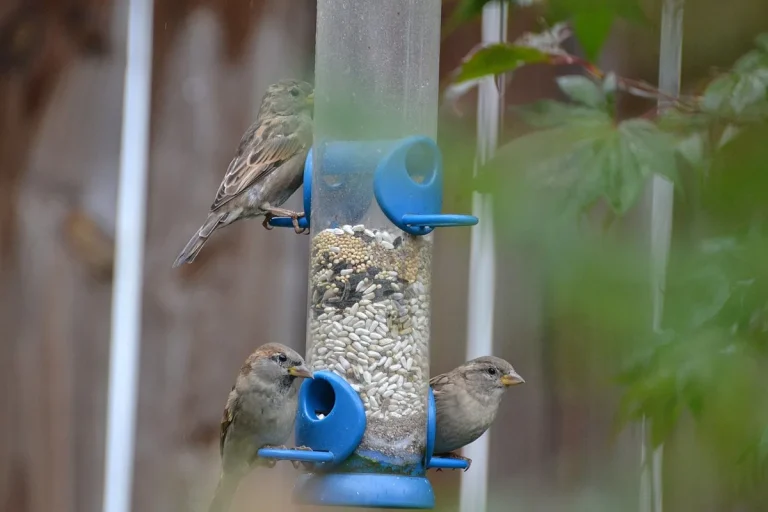
The type of feeder you choose plays a significant role in how successfully you attract and feed cardinals. Tray or hopper feeders that hold large quantities of seed are generally excellent for cardinals, as they allow them to perch easily and access seeds like black oil sunflower and safflower. Tube feeders can also work, especially those with larger perches designed to accommodate cardinals.
For peanuts and suet, specialized feeders are best. A suet cage feeder keeps the suet cakes secure, and a mesh or cage peanut feeder allows cardinals to peck at the nuts without letting larger, non-target birds or squirrels easily access them. Ensuring the feeder can hold enough food and is easily accessible to cardinals is your main goal.
Keeping Feeders Clean and Full
Consistency is key when feeding birds. Cardinals appreciate feeders that are regularly stocked with fresh food. Aim to check your feeders daily, especially during peak feeding times or active bird seasons.
Regular cleaning is just as critical as refilling. A good rule of thumb is to clean your feeders at least every two weeks. Use a mild bleach solution (one part bleach to nine parts water), rinse thoroughly, and let them dry completely before refilling.
This prevents the spread of diseases and keeps the food from spoiling, ensuring a healthy dining experience for your feathered visitors. Proper hygiene prevents issues similar to those seen when considering how long canned cat food lasts once opened, freshness and cleanliness are paramount.
Your Final Bird Food Verdict for Cardinals
When it comes to making cardinals happy, and keeping them coming back, focus on providing high-fat, easy-to-crack seeds. Black oil sunflower seeds are the undisputed champion; they should be the cornerstone of any cardinal-friendly feeding station. Safflower seeds are an excellent secondary option, offering a way to deter nuisance birds and squirrels while still providing a nutritious meal for cardinals.
Don’t overlook the value of cracked corn and unsalted peanuts, especially in feeders designed to hold them. While pre-made seed mixes can be convenient, always scrutinize the ingredient list and opt for those with a high percentage of sunflower and safflower seeds. By offering these preferred foods consistently and keeping your feeders clean, you’ll create a popular spot that the beautiful red cardinals of your neighborhood will adore.