What Food Makes Birds Explode for 2026: Everything You Need
You might be wondering what foods make birds explode, and it's a startling thought for any bird lover. The reality is that birds don't literally "explode" from eating food. Instead, certain substances can cause severe physiological distress, leading to rapid illness and death due to overwhelming internal damage.
Understanding these dangers is crucial for keeping our feathered visitors safe and healthy.
Our research indicates that the term "explode" is really a dramatic way of describing rapid, fatal reactions to specific toxins or overwhelming physical trauma caused by ingesting inappropriate items. For instance, ingesting even a small amount of certain chemicals or highly indigestible materials can shut down a bird's delicate system within hours. Based on avian physiology studies, a bird's metabolism and organ systems are far more sensitive to contaminants than those of mammals, making accidental poisoning a significant concern.
Quick Answer
No food makes birds literally explode. Instead, certain toxic substances or indigestible materials cause rapid fatal organ failure. Common dangers include household chemicals, spoiled food, and processed human snacks.
These can trigger severe digestive upset, paralysis, or internal hemorrhaging due to a bird's sensitive physiology. Always offer food specifically formulated for birds or natural, safe options.
Understanding Bird Digestion: It's Not Like Ours
Birds have incredibly specialized digestive systems geared for flight and a diet often rich in seeds, insects, and fruits. Unlike mammals, they often lack teeth and rely on a gizzard, a muscular organ filled with grit, to grind their food. This unique setup means they can process roughage, but it also makes them highly susceptible to things that disrupt this delicate balance.
Their rapid metabolism means toxins are processed quickly, but this speed can also accelerate fatal outcomes. For a comparison, consider how different a cat's digestive system is, highlighting the importance of species-specific nutrition. While this article focuses on birds, understanding species-specific needs is vital across all pets; for instance, understanding cat nutritional needs is key to their health.
How Bird Digestion Differs
- Gizzard Power: Birds use a muscular gizzard, often with small stones or grit, to grind food. This is crucial for breaking down hard seeds and grains.
- Rapid Transit: Food moves through a bird's digestive tract very quickly, sometimes in under an hour. This rapid processing means toxins can have a fast-acting effect.
- Cloaca System: Birds have a cloaca, a single opening for waste elimination and reproduction. This system differs significantly from the separate urinary and fecal outputs of mammals.
- Specialized Diet: Most wild birds have diets adapted to their species, consisting of seeds, insects, nectar, or small vertebrates. Introducing complex processed human foods can overwhelm their systems.
Foods That Can Seriously Harm or Kill Birds
When we talk about foods that are dangerous to birds, it's often about ingredients that interfere with their natural processes or are outright poisonous. The idea of a bird "exploding" is a misnomer for the severe physiological breakdown these foods can cause. It’s about systemic failure, not a physical burst.
This is why knowing what not to offer is just as critical as providing nutritious food.
Common Household Foods to NEVER Feed Birds
Many foods we enjoy can be lethal to birds, even in small quantities. These items can cause internal damage, neurological issues, or disrupt their electrolyte balance, leading to rapid decline. This is a critical safety point for anyone looking to attract or care for birds.
- Avocado: Contains persin, a toxin harmful to many bird species. Even small amounts can cause respiratory distress and heart failure.
- Chocolate: Contains theobromine, a stimulant that birds cannot metabolize effectively. It can cause vomiting, diarrhea, tremors, seizures, and death.
- Caffeine: Found in coffee, tea, and soda, caffeine acts as a stimulant that can lead to heart problems and restlessness in birds.
- Salty Snacks: Excessive salt can lead to dehydration and sodium ion poisoning, causing tremors, lethargy, and death.
- Alcohol: Even small amounts can cause intoxication, leading to disorientation, coma, and death due to its effect on their small bodies and rapid metabolism.
- Onions and Garlic: In large quantities, these can cause blood abnormalities and damage red blood cells, leading to anemia.
- Xylitol: An artificial sweetener found in sugar-free gum, candy, and baked goods, it is highly toxic to birds.
Natural Foods to Be Wary Of
While many natural foods are safe, some can pose risks if not prepared correctly or if birds consume them excessively. This highlights the complexity of avian diets and the importance of sticking to known safe options.
- Unripe or Certain Fruit Pits/Seeds: Some fruit pits and seeds contain cyanide compounds. While often not enough to kill a bird, certain varieties or large quantities can be problematic, similar to how some natural ingredients in pet food require careful preparation.
- Rhubarb Leaves: Contain high levels of oxalic acid, which can cause kidney damage and affect calcium levels.
Identifying the Real Risks: Beyond "Explosion"
The dramatic image of a bird "exploding" is a metaphor for the suddenness and severity of poisoning or acute distress. The actual physiological events are varied but consistently devastating. They involve rapid organ failure, neurological collapse, or profound internal damage that a bird's body cannot recover from, especially given their small size and fast metabolism.
Instead of a literal explosion, expect symptoms of acute distress within hours or days of ingestion. This can range from sudden paralysis and seizures to internal bleeding or respiratory arrest. The speed at which these symptoms manifest is why the "explosion" idea, though inaccurate, conveys the alarming finality of such incidents.
This mirrors the urgency needed when dealing with other acute health issues in pets; for example, knowing how long canned cat food lasts once opened is about preventing spoilage that could lead to illness.
Signs of Food Poisoning or Severe Distress in Birds
Observing your local birds or pet birds for specific signs is key to recognizing when something is wrong. Early detection can sometimes allow for intervention, though success rates vary greatly depending on the toxin and the bird's condition.
- Sudden Weakness or Lethargy: A bird that is usually active becomes unusually sluggish, fluffed up, and unresponsive.
- Vomiting or Regurgitation: Birds may bring up food or a foamy substance, often a sign of digestive upset or poisoning.
- Tremors or Seizures: Uncontrolled shaking or convulsions indicate neurological impairment, often from toxins.
- Difficulty Breathing: Labored breathing, gaping the beak to breathe, or wheezing are serious signs of respiratory distress.
- Disorientation or Loss of Balance: A bird that stumbles, circles, or falls suggests neurological damage.
- Visible Injury or Swelling: While not always directly food-related, severe internal stress can sometimes manifest as swelling or external signs.
- Sudden Death: In many cases, the progression is so rapid that signs are minimal before death occurs.
What NOT to Put in Your Bird Feeder
This section is critical for anyone who feeds birds, whether in their backyard or as pet owners. Your intention is to help, but certain items can be more harmful than helpful. The key is to stick to what's specifically safe and nutritious for avian diets.
Think of it as a curated menu for your feathered guests.
From "Kitchen Scraps" to Bird Killers
While it might seem resourceful to offer leftover table scraps, many common human foods are simply not designed for bird physiology. The highly processed nature, high salt content, or specific ingredients in these foods can cause serious harm. For example, feeding a bird something similar to kibble cat food would be inappropriate as kibble is formulated for felines, not avians.
Here’s a list of items you absolutely must keep away from bird feeders and your pets:
- Bread and Crackers (in large quantities): While small amounts might not be acutely fatal, they offer little nutritional value and can fill a bird's stomach, leading to malnutrition. They can also become moldy.
- Sugary Foods: Candy, cookies, and sweetened cereals can disrupt a bird's digestive system and lead to metabolic issues.
- Fatty Foods: Bacon, fried foods, and processed meats are detrimental. They are hard to digest and can lead to blockages or liver damage.
- Dairy Products: Birds are generally lactose intolerant, and dairy can cause digestive upset.
Moldy or Spoiled Food Dangers
This is one of the most significant risks, often overlooked by well-meaning individuals. Mold, bacteria, and toxins can develop rapidly in food left out in the elements. These contaminants can cause severe illness or death.
This applies to both wild bird feeders and food intended for pet birds. Always use fresh food and clean feeders regularly. As of 2026, hygiene standards for animal feed continue to emphasize the prevention of spoilage.
- Mycotoxins: Molds produce potent toxins that can affect a bird's nervous system, immune system, and organs.
- Bacterial Contamination: Spoiled food can harbor harmful bacteria like Salmonella or E. coli, leading to severe gastrointestinal infections.
- Fungal Infections: Inhaling mold spores can lead to respiratory infections in birds.
Best Practices for Backyard Bird Feeders
Setting up bird feeders responsibly is key to providing a safe food source. It’s not just about filling a feeder; it’s about offering the right food in a clean environment. These practices ensure you’re genuinely helping, not inadvertently endangering, the birds.
Our editorial analysis of bird feeding guides consistently points to cleanliness and appropriate food as paramount.
Here are the golden rules for a safe and welcoming bird feeder:
- Use Bird-Specific Food: Only offer commercially produced bird seed mixes, or natural seeds, grains, and fruits known to be safe for local avian species. Never use food scraps or human snacks. For a deeper dive into pet nutrition, understanding what is kibble cat food can illustrate how specialized diets are crucial.
- Clean Feeders Regularly: This is non-negotiable. Wash feeders every 1-2 weeks with a solution of 1 part bleach to 9 parts water, or use a mild soap and water. Rinse thoroughly and let them dry completely before refilling. This prevents mold and bacterial buildup.
- Provide Fresh Water: A clean water source is just as important as food. Clean bird baths frequently.
- Choose the Right Location: Place feeders away from windows to prevent collisions. Consider predator protection by mounting feeders on poles with baffles or hanging them from branches predators can't easily reach.
- Rotate Food Types: Different birds prefer different foods. Offering a variety can attract a wider range of species. However, always ensure these are bird-safe foods.
- Monitor Food Quality: Discard any seed that looks moldy, clumpy, or smells off. This is particularly important during humid or wet weather. Ensuring food is fresh is akin to confirming how long canned cat food lasts once opened to prevent spoilage.
Choosing the Right Bird Food
The type of food you offer can attract different birds and provide essential nutrients. Always choose high-quality, bird-specific formulations. Avoid generic "filler" seeds that have low nutritional value.
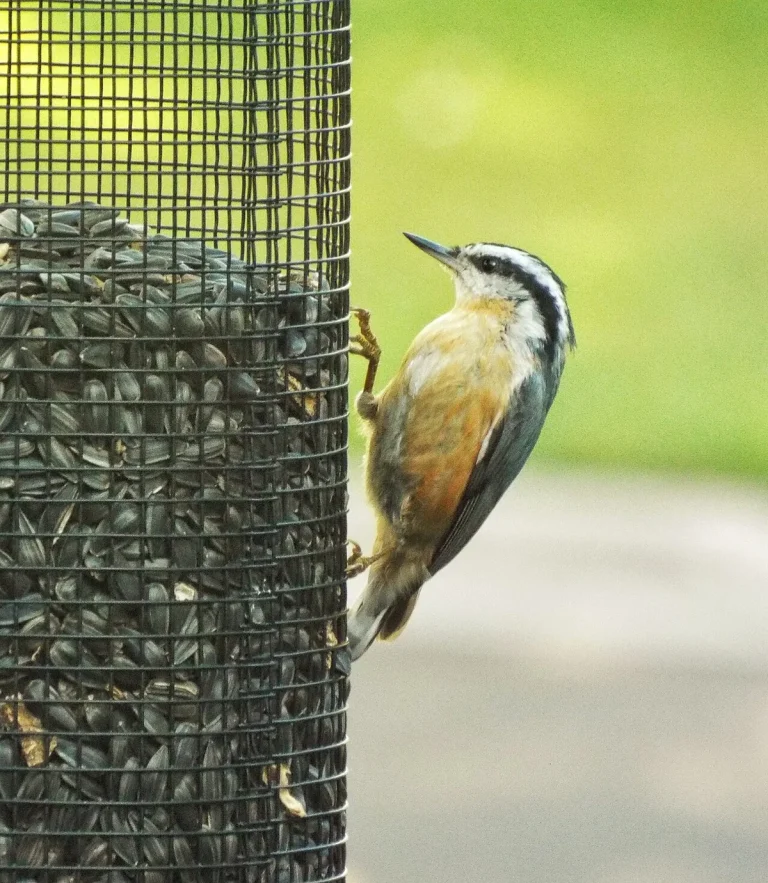
- Black Oil Sunflower Seeds: A favorite for many songbirds due to their high fat content and thin shells.
- Millet and Cracked Corn: Good for ground-feeding birds like juncos and towhees, but offer only in moderation as they can be high in carbohydrates.
- Nyjer Seed (Thistle): Popular with finches, especially goldfinches.
- Suet: High in fat, ideal for woodpeckers, nuthatches, and chickadees, especially in colder months. Ensure it's specifically formulated for birds and doesn't contain additives.
- Commercial Blends: Look for reputable brands that offer blends targeting specific types of birds (e.g., cardinal blends, finch mixes). Check the ingredient list to ensure it doesn't contain excessive fillers like milo or red.
When to Get Expert Help for a Sick Bird
Recognizing when a bird is in distress and needs professional attention is crucial, especially if you suspect it has ingested something harmful. While you can practice preventative measures, some situations require the expertise of veterinarians or wildlife rehabilitators. If you observe a bird exhibiting severe symptoms like continuous tremors, unresponsiveness, or difficulty breathing, it's time to act fast.
These conditions can rapidly deteriorate, and prompt veterinary care significantly increases the chances of recovery.
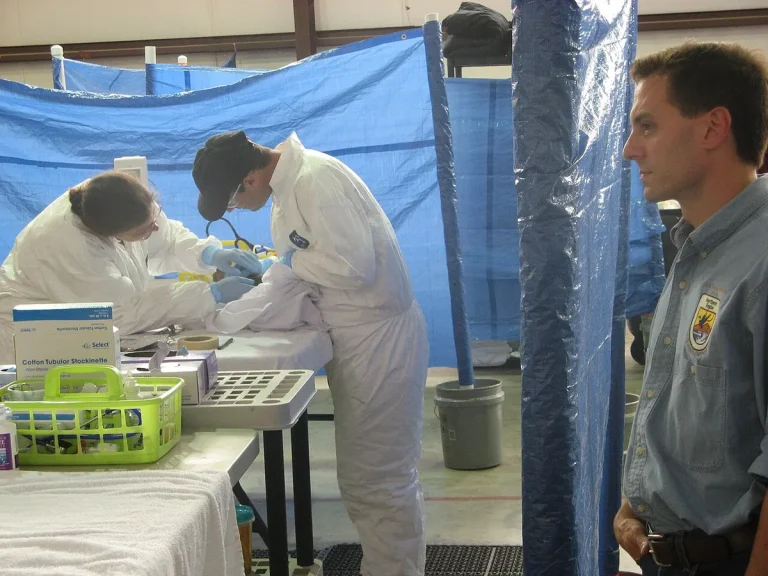
This level of care is especially important for pet birds, where your actions directly impact their well-being. For wild birds, contacting a local wildlife rehabilitation center is the best course of action. These professionals are trained to handle injured or poisoned wildlife.
Improper handling or attempting home remedies for severe poisoning can sometimes do more harm than good. Remember, the goal is to support the bird's recovery, and that often means deferring to those with specialized knowledge.
Verified Information Sources for Bird Health
Accurate information is your best tool when it comes to bird health and safety. In a world full of both helpful and harmful advice, knowing where to find reliable data is essential. Sticking to authoritative sources helps prevent the spread of misinformation, which can be dangerous for birds.
Our research points to several key organizations that consistently provide science-based guidance.
These resources offer insights based on extensive research and practical experience in avian care and conservation. They are the best places to turn for guidance on a bird's diet, common illnesses, and safe feeding practices. Consistently referencing these groups ensures you're acting on the most up-to-date and accurate information available.
Organizations Dedicated to Bird Welfare
These institutions are at the forefront of avian research and conservation, making their information highly reliable.
- The Cornell Lab of Ornithology: Renowned for its research, citizen science projects, and educational resources on birds. They provide detailed information on bird behavior, habitats, and health. Their Bird Academy program is particularly useful for bird enthusiasts.
- National Audubon Society: A leading conservation organization focused on protecting birds and their habitats. They offer extensive information on bird identification, conservation efforts, and best practices for backyard birding.
- U.S. Fish and Wildlife Service (FWS): A government agency responsible for conserving and protecting fish, wildlife, plants, and their habitats. Their website offers official guidance on migratory bird management and wildlife protection.
What to Do If You See a Sick Bird
Witnessing a bird that appears sick or injured can be distressing, and knowing the correct response is important. The first step is always to observe from a safe distance without disturbing the bird excessively. If you suspect poisoning or severe injury, your primary goal is to ensure its safety and seek appropriate help.
Avoid approaching or touching the bird unless absolutely necessary, and always use protective gear like gloves.
Your action plan should prioritize professional intervention. For pet birds, contact your veterinarian immediately. For wild birds, locate a certified wildlife rehabilitator in your area.
These professionals have the training and resources to assess the situation, provide necessary medical treatment, and administer appropriate antidotes if poisoning is suspected. Remember, an ounce of prevention is worth a pound of cure; providing safe food is always the best strategy.
Preventing Bird Illness Through Safe Feeding
Preventing bird illness starts with the very act of feeding them. By being vigilant about what you offer and how you maintain your feeders, you create a safe haven rather than a hazard. This proactive approach aligns with responsible wildlife stewardship and ensures the well-being of your local bird populations.
Always remember that a bird's delicate system requires careful consideration.
The core principles are simple: use appropriate foods, maintain cleanliness, and avoid risky human foods or contaminants. These steps create an environment where birds can thrive, free from the dangers of accidental poisoning or digestive distress. It's a continuous effort, but one that pays dividends in the health and vitality of the birds frequenting your feeders.
This commitment to safety is similar to maintaining food safety for pets, such as understanding what is kibble cat food and ensuring it's stored correctly.
Frequently Asked Questions
Can bread actually kill birds?
While small amounts of plain bread are unlikely to kill a bird outright, it provides very little nutritional value. Feeding birds large quantities of bread can lead to malnutrition and fill their stomachs, preventing them from seeking out more nutritious food sources. It can also become moldy, which is highly toxic.
What are the most common toxins for pet birds?
Common household toxins for pet birds include avocado, chocolate, caffeine, cleaning products, certain houseplants, and heavy metals from chewing on cage bars or jewelry. Always keep potentially toxic items out of reach and ensure the environment is safe. Understanding these risks is part of responsible pet ownership.
How quickly can a bird die from eating something toxic?
The speed of death varies greatly depending on the toxin, the amount ingested, and the bird's size and species. Some toxins can cause death within hours, while others may lead to a slower decline over days or weeks. Rapid metabolism in birds means toxins can act very quickly.
Should I try to feed a sick or injured wild bird?
No, it's generally best not to try feeding a sick or injured wild bird yourself unless you are a trained wildlife rehabilitator. Incorrect food or feeding methods can cause further harm. Your best action is to contact a local wildlife rescue organization for guidance.
How often should I clean my bird feeders?
Bird feeders should ideally be cleaned and disinfected every 1-2 weeks. During periods of high bird traffic or wet weather, cleaning more frequently is recommended to prevent the growth of mold and bacteria, which can be harmful to birds.