What Food Do Birds Eat 2026
Ever wondered what's really in that bag of bird seed or why certain birds flock to one feeder but ignore another? Understanding what food birds eat is key to attracting them to your yard and keeping them healthy. It’s more than just scattering seeds; it's about providing the right nutrition that nature intends for your local feathered friends.
Feeding birds can be incredibly rewarding, turning your backyard into a vibrant, living space. Our research into avian diets and feeding habits reveals that providing a variety of high-quality foods makes a significant difference. For instance, per the Cornell Lab of Ornithology’s guidelines, a quality wild bird food mix should contain a minimum of 15% protein for most common backyard species.
Quick Answer
Birds eat a diverse diet including seeds, fruits, nectar, and insects. The specific food depends on the bird species, its habitat, and the season. A good wild bird food mix typically includes sunflower seeds, millet, and safflower.
Hummingbirds thrive on nectar. Many common birds also seek out insects for essential protein.
Why Pictures Matter When Choosing Bird Food
When you're trying to figure out what food to put out for your feathered visitors, visuals can be incredibly helpful. It's not always obvious what's inside a bag of seed, and seeing different food types can make a big difference in your choices. Knowing what to look for helps you provide the best nutrition for the birds you want to attract.
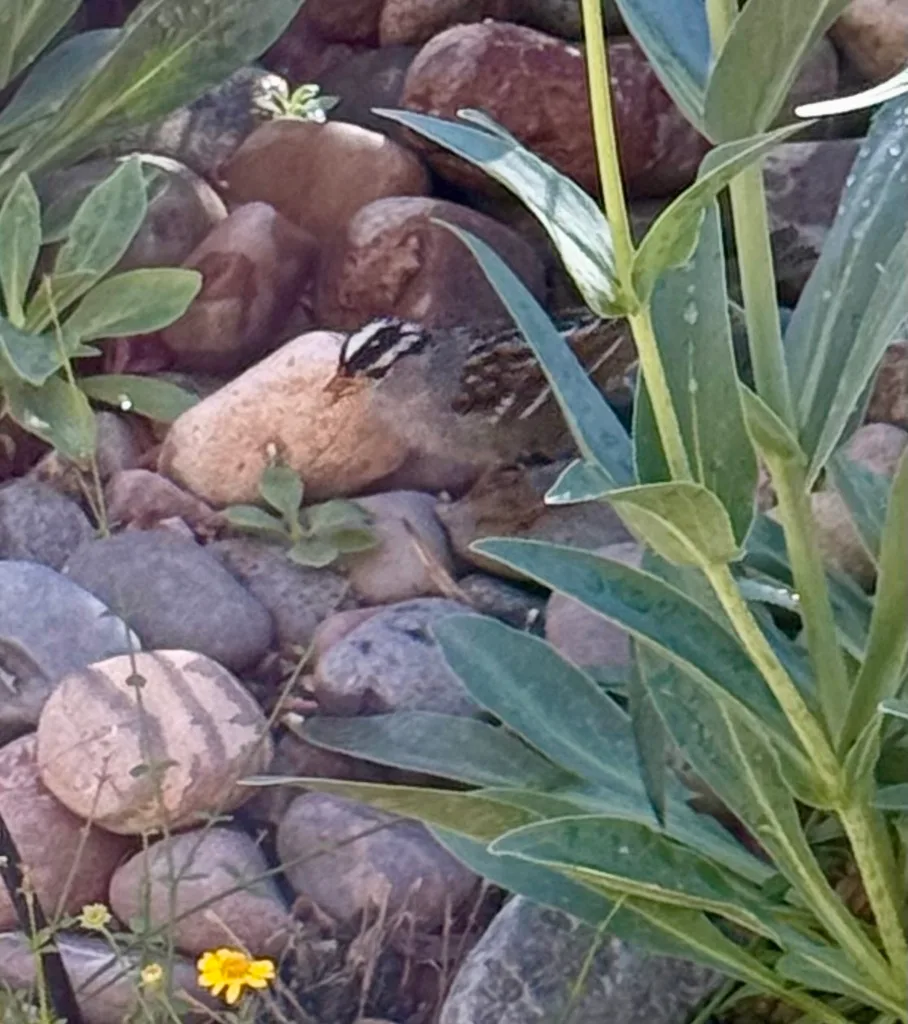
Image source: iNaturalist / Irene
Seeing is Believing: Identifying Bird Food Visually
Think about it like grocery shopping for yourself. You can read the labels, but seeing the actual product, the color, the texture, the size, tells you a lot. For bird food, this means recognizing the shapes and colors of different seeds, the texture of suet, or the clarity of nectar.
This visual identification helps you ensure you're not buying filler ingredients that birds often ignore, leading to waste and less-than-ideal nutrition.
Common Food Mixes: What You'll See in the Bag
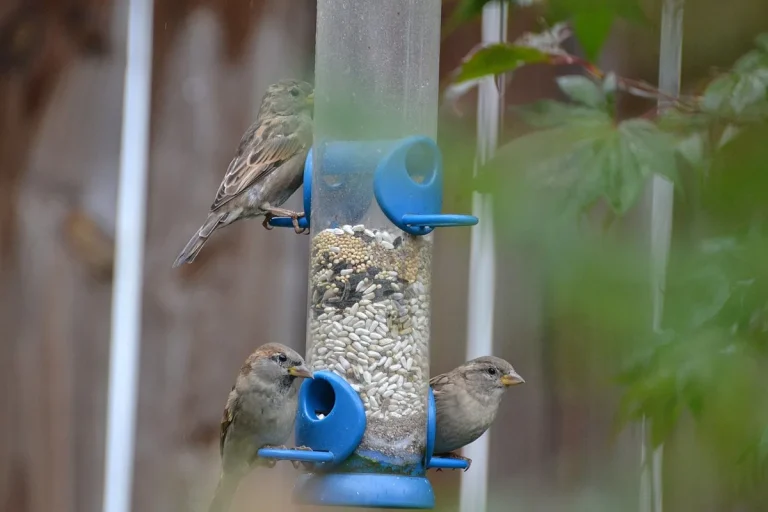
Most commercially available bird seed mixes are a blend of several ingredients, making them a general offering for a variety of species. You'll often see a mix of small, dark sunflower seeds, pale millet grains, and sometimes reddish-brown safflower seeds. Sometimes, there are also smaller, dark grains like cracked corn or oat groats.
The proportion of each ingredient varies widely. Higher-quality mixes will have a larger percentage of sunflower seeds and fewer of the less desirable 'fillers.'
Decoding Bird Seed: What Those Grains Mean
Bird seed isn't just a generic term; each type of seed offers different nutritional benefits and appeals to specific birds. Understanding these components helps you select mixes that will truly attract the birds you want to see and provide them with the energy they need. It's like knowing that certain fruits are sweeter or have more vitamins than others.
Sunflower Seeds: The All-Star Nibble
Black oil sunflower seeds are king in the bird feeding world, and for good reason. These seeds have a thin shell and a high oil content, offering plenty of energy and fat. They are a favorite for a wide range of backyard birds, including finches, chickadees, nuthatches, and grosbeaks.
White-striped sunflower seeds are also popular but tend to have a thicker shell, making them a bit harder for smaller birds to crack open. As of 2026, black oil sunflower seeds remain the most recommended ingredient in general-purpose wild bird food formulations.
Millet & Milo: Filling Grains for Many
Millet is a small, round grain that's often found in cheaper seed mixes, but it's still a valuable food source for certain birds, especially ground feeders and sparrows like the Song Sparrow. Milo, also known as sorghum, is a reddish grain that looks similar to millet. While it’s a staple ingredient in many lower-cost mixes, many songbirds aren't as fond of it as they are of sunflower seeds.
Birds that will eat milo often include larger ground feeders like pigeons and doves, though some smaller birds will peck at it if nothing else is available.
Safflower & Nyjer: For the Pickier Eaters
Safflower seeds are white and have a slightly bitter taste, which many squirrels and grackles tend to dislike, making them a good option if you're trying to deter those particular visitors. Birds like House Finches, American Goldfinches, and Northern Cardinals are big fans of safflower. Nyjer (pronounced NIE-jer), often referred to as thistle seed due to its similarity, is a tiny, black seed that's a favorite of finches.
Because it's so small, it's best offered in specialized nyjer feeders that have small ports to prevent the seed from spilling out.
Corn & Oats: The Bulk Fillers
Cracked corn is a calorie-dense food that appeals to larger birds like jays, woodpeckers, and doves. However, it can also attract a lot of unwanted guests, including rodents and deer, especially if it becomes wet and moldy. It's generally best avoided in mixes if you're trying to attract primarily songbirds or if you have pest issues.
Oat groats (hulled oats) are another common filler. Many birds will eat them, but they are often less preferred than sunflower seeds.
Beyond Seeds: Other Delicious Bird Snacks
While seeds form the backbone of a bird’s diet, many species rely on other food sources for optimal health and energy. Offering a variety beyond just seeds can attract a wider array of birds and meet the specific nutritional needs of different feathered visitors. This is particularly true for active birds like hummingbirds or those in colder climates.
Suet: High-Energy Fuel
Suet is rendered animal fat, typically beef fat, often mixed with seeds, nuts, or fruit. It's an incredibly high-energy food source, crucial for birds, especially during cold winter months when they need extra calories to stay warm. You'll commonly find suet sold in solid blocks, fitting into wire cages that can be hung from trees or feeders.
Birds that particularly enjoy suet include woodpeckers, nuthatches, chickadees, and Wrens. Offering suet can bring different species to your yard than those that just eat seeds.
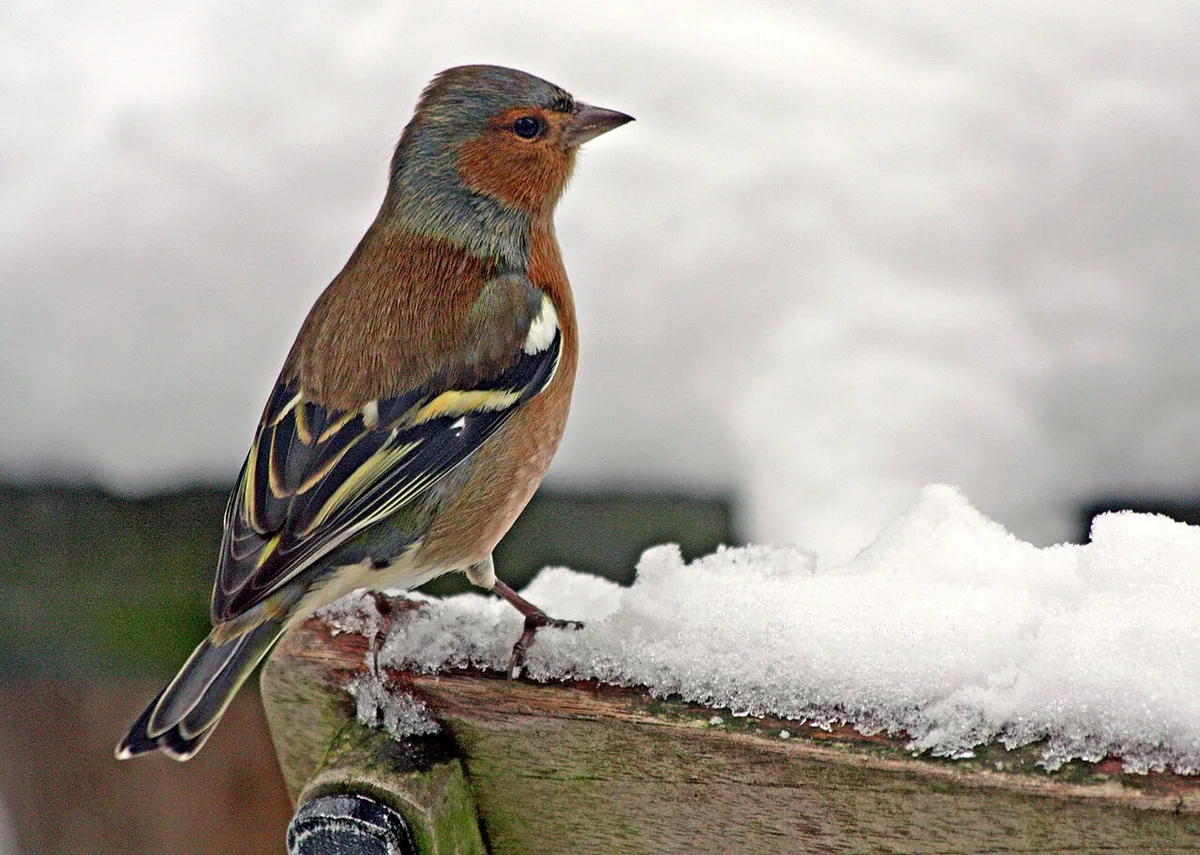
Image source: Wikimedia Commons / Gareth Williams from Redhill, England (CC BY)
Mealworms & Insects: A Protein Boost
For many birds, especially during nesting season when they're feeding young, insects are a primary food source. You can supplement their natural diet by offering dried or live mealworms. Birds like robins and bluebirds are particularly fond of mealworms.
This protein boost is vital for the growth and development of baby birds. While it might seem a bit unusual to us, it's a natural and highly beneficial food for many species.
Feeding Specific Birds: Who Likes What
Attracting particular bird species to your yard often comes down to offering their most preferred foods. While a general mix will bring in a variety of common visitors, tailoring your offerings can draw in the more specialized eaters. This is where understanding the nuances of what different birds like to eat really pays off.
Finch Favorites
Finches are a diverse group, and their food preferences can vary. American Goldfinches, for instance, absolutely adore nyjer seed, often needing specialized feeders with very small ports to hold this tiny grain. House Finches and Purple Finches are more generalists; they'll happily eat black oil sunflower seeds and safflower seeds.
If you want to attract a wide array of finches, a mix containing plenty of black oil sunflower seeds and a good supply of nyjer seed is your best bet.
Woodpecker Welcome Treats
Woodpeckers have specialized feeding habits, often clinging to tree trunks to forage for insects. While they'll visit feeders, their needs are different. Suet is a fantastic treat for woodpeckers, providing them with the high fat content they need.
Many woodpecker species also enjoy black oil sunflower seeds and shelled peanuts. If you have specific woodpeckers in your area, like Downy or Hairy Woodpeckers, offering shelled peanuts in a mesh feeder is another effective strategy.
Hummingbird Nectar: Sweet Science
Hummingbirds have a very specific diet: nectar. They need a high-sugar solution to fuel their incredibly fast metabolisms. This is made by mixing plain white granulated sugar with water.
The generally accepted ratio is 1 part sugar to 4 parts water. It's crucial to use only plain white sugar; avoid honey, artificial sweeteners, or colored dyes, as these can be harmful or even fatal to hummingbirds. The mixture should be changed every few days, especially in warm weather, to prevent fermentation and mold.
Beyond Seeds: Other Delicious Bird Snacks
While seeds form the backbone of a bird’s diet, many species rely on other food sources for optimal health and energy. Offering a variety beyond just seeds can attract a wider array of birds and meet the specific nutritional needs of different feathered visitors. This is particularly true for active birds like hummingbirds or those in colder climates.
Suet: High-Energy Fuel
Suet is rendered animal fat, typically beef fat, often mixed with seeds, nuts, or fruit. It's an incredibly high-energy food source, crucial for birds, especially during cold winter months when they need extra calories to stay warm. You'll commonly find suet sold in solid blocks, fitting into wire cages that can be hung from trees or feeders.
Birds that particularly enjoy suet include woodpeckers, nuthatches, chickadees, and Wrens. Offering suet can bring different species to your yard than those that just eat seeds.
Mealworms & Insects: A Protein Boost
For many birds, especially during nesting season when they're feeding young, insects are a primary food source. You can supplement their natural diet by offering dried or live mealworms. Birds like robins and bluebirds are particularly fond of mealworms.
This protein boost is vital for the growth and development of baby birds. While it might seem a bit unusual to us, it's a natural and highly beneficial food for many species.
Feeding Specific Birds: Who Likes What
Attracting particular bird species to your yard often comes down to offering their most preferred foods. While a general mix will bring in a variety of common visitors, tailoring your offerings can draw in the more specialized eaters. This is where understanding the nuances of what different birds like to eat really pays off.
Finch Favorites
Finches are a diverse group, and their food preferences can vary. American Goldfinches, for instance, absolutely adore nyjer seed, often needing specialized feeders with very small ports to hold this tiny grain. House Finches and Purple Finches are more generalists; they'll happily eat black oil sunflower seeds and safflower seeds.
If you want to attract a wide array of finches, a mix containing plenty of black oil sunflower seeds and a good supply of nyjer seed is your best bet.
Woodpecker Welcome Treats
Woodpeckers have specialized feeding habits, often clinging to tree trunks to forage for insects. While they'll visit feeders, their needs are different. Suet is a fantastic treat for woodpeckers, providing them with the high fat content they need.
Many woodpecker species also enjoy black oil sunflower seeds and shelled peanuts. If you have specific woodpeckers in your area, like Downy or Hairy Woodpeckers, offering shelled peanuts in a mesh feeder is another effective strategy. If you're concerned about your cat's dietary needs, you might find it helpful to look at the healthiest dry cat food options, though bird diets are entirely different.
Hummingbird Nectar: Sweet Science
Hummingbirds have a very specific diet: nectar. They need a high-sugar solution to fuel their incredibly fast metabolisms. This is made by mixing plain white granulated sugar with water.
The generally accepted ratio is 1 part sugar to 4 parts water. It's crucial to use only plain white sugar; avoid honey, artificial sweeteners, or colored dyes, as these can be harmful or even fatal to hummingbirds. The mixture should be changed every few days, especially in warm weather, to prevent fermentation and mold.
Foods Birds Shouldn't Eat (And Why!)
Just as important as knowing what birds should eat is knowing what they definitely shouldn't. Putting out the wrong kind of food can cause serious harm, from digestive upset to serious illness, and can even be fatal. Think of it like not giving a baby human certain foods; they just aren't equipped to handle them.
- Moldy Bread: Bread itself isn't ideal for most birds, as it offers little nutritional value. Moldy bread, however, can contain mycotoxins that are dangerous for birds to ingest, leading to respiratory and neurological problems.
- Salty Snacks: Chips, pretzels, and other salted human snacks are incredibly harmful. Birds don't have a high tolerance for salt, and it can cause dehydration, organ damage, and even death.
- Avocado: The pit and skin of an avocado are toxic to many birds. While the flesh might seem okay, it’s best to avoid it entirely to prevent any risk.
- Chocolate: Like many pets, birds are sensitive to theobromine, a compound found in chocolate, which can be poisonous.
- Dairy Products: Most birds are lactose intolerant. While a tiny bit of cheese might not kill a larger bird, it’s not a natural food source and can cause digestive upset. Stick to their natural diets. If you are exploring dietary options for your pets, understanding how long canned cat food lasts once opened is a key safety aspect, and similar caution applies to bird feeding.
Practical Bird Feeding Tips That Work
Beyond just selecting the right food, how you present it and maintain it makes a huge difference in how much your birds will enjoy your offerings and how healthy they remain. These practical steps ensure your feeders are a welcome, safe, and consistent food source. It's all about making your yard a reliable restaurant for your feathered friends.
Choosing the Right Food Mix for Your Yard Birds
When you're at the store, look beyond the colorful packaging. Identify your common yard birds first. If you see lots of finches, a mix with a high percentage of black oil sunflower and nyjer is ideal.
For a wider variety including larger birds, a mix heavy on black oil sunflower seeds, supplemented with millet and maybe some cracked corn (if pests aren't an issue), works well. Avoid mixes with a lot of red milo or wheat as primary ingredients, as these are often less appealing to songbirds.
Storing Bird Food So It Stays Fresh
Bird food, especially seed mixes, can go rancid or become moldy if not stored properly. This is not only unappealing to birds but can also make them sick. Always store bird food in airtight containers in a cool, dry place.
Avoid storing large quantities if you have a slow turnover, as it’s better to buy smaller bags more frequently. Check the food periodically for signs of mold or insect infestation. If you notice any, discard the entire batch.
Common Bird Feeding Blunders to Sidestep
Even with the best intentions, feeders can attract more than just the birds you want. Squirrels are notorious for raiding feeders, and other critters might be drawn by spilled seed. Furthermore, improper maintenance can lead to disease transmission among birds, turning your helpful feeding station into a hazard.
Dealing with Unwanted Guests (Squirrels, Pests)
Squirrels are agile and persistent. To deter them, use feeders with squirrel-proof features, like baffles above or below the feeder, or feeders that close under a squirrel's weight. Placing feeders away from jump-off points like branches or fences can also help.
For smaller pests like rodents, ensure no food is left scattered on the ground, and consider cleaning up any spills promptly, especially if using corn or grains that attract them.
Signs Your Bird Food Has Gone Bad
Rotten or moldy bird food is a major risk. Look for a musty smell, visible mold growth (often greenish or whitish fuzz), or signs of insect infestation (like tiny weevils or larvae). If the seed clumps together excessively, it might be damp and starting to spoil.
As a general rule, if you wouldn't want to eat it yourself, don't put it out for the birds. Regularly clean feeders and discard any food that shows signs of spoilage. As of 2026, many ornithological organizations stress that feeder hygiene is as critical as food quality.
Frequently Asked Questions
What is the most popular bird food?
Black oil sunflower seeds are widely considered the most popular and versatile bird food, loved by a broad spectrum of backyard birds for their high oil and protein content and easy-to-crack shells.
Can I feed birds table scraps?
Generally, no. Most table scraps are not suitable and can be harmful. Foods high in salt, sugar, or fat, dairy products, and moldy items should be avoided.
Stick to specialized bird food.
How often should I refill bird feeders?
Refill feeders as needed, checking them daily or every other day, especially in busy seasons. The goal is to provide a consistent food source without overfilling, which can lead to spoilage.
What is the best food for winter birds?
High-fat foods like suet and black oil sunflower seeds are excellent for winter birds. These provide essential energy needed to maintain body temperature in cold weather.
Do birds need clean water to drink?
Yes, clean, fresh water is just as crucial as food. Birds need water for drinking and bathing, helping them regulate body temperature and maintain feather health.
Choosing the Right Food Mix for Your Yard Birds
When you're at the store, look beyond the colorful packaging. Identify your common yard birds first. If you see lots of finches, a mix with a high percentage of black oil sunflower and nyjer is ideal.
For a wider variety including larger birds, a mix heavy on black oil sunflower seeds, supplemented with millet and maybe some cracked corn (if pests aren't an issue), works well. Avoid mixes with a lot of red milo or wheat as primary ingredients, as these are often less appealing to songbirds.
Storing Bird Food So It Stays Fresh
Bird food, especially seed mixes, can go rancid or become moldy if not stored properly. This is not only unappealing to birds but can also make them sick. Always store bird food in airtight containers in a cool, dry place.
Avoid storing large quantities if you have a slow turnover, as it’s better to buy smaller bags more frequently. Check the food periodically for signs of mold or insect infestation. If you notice any, discard the entire batch.
Dealing with Unwanted Guests (Squirrels, Pests)
Squirrels are agile and persistent. To deter them, use feeders with squirrel-proof features, like baffles above or below the feeder, or feeders that close under a squirrel's weight. Placing feeders away from jump-off points like branches or fences can also help.
For smaller pests like rodents, ensure no food is left scattered on the ground, and consider cleaning up any spills promptly, especially if using corn or grains that attract them.
Signs Your Bird Food Has Gone Bad
Rotten or moldy bird food is a major risk. Look for a musty smell, visible mold growth (often greenish or whitish fuzz), or signs of insect infestation (like tiny weevils or larvae). If the seed clumps together excessively, it might be damp and starting to spoil.
As a general rule, if you wouldn't want to eat it yourself, don't put it out for the birds. Regularly clean feeders and discard any food that shows signs of spoilage. As of 2026, many ornithological organizations stress that feeder hygiene is as critical as food quality.
Frequently Asked Questions
What is the most popular bird food?
Black oil sunflower seeds are widely considered the most popular and versatile bird food, loved by a broad spectrum of backyard birds for their high oil and protein content and easy-to-crack shells.
Can I feed birds table scraps?
Generally, no. Most table scraps are not suitable and can be harmful. Foods high in salt, sugar, or fat, dairy products, and moldy items should be avoided.
Stick to specialized bird food.
How often should I refill bird feeders?
Refill feeders as needed, checking them daily or every other day, especially in busy seasons. The goal is to provide a consistent food source without overfilling, which can lead to spoilage.
What is the best food for winter birds?
High-fat foods like suet and black oil sunflower seeds are excellent for winter birds. These provide essential energy needed to maintain body temperature in cold weather.
Do birds need clean water to drink?
Yes, clean, fresh water is just as crucial as food. Birds need water for drinking and bathing, helping them regulate body temperature and maintain feather health.