Why Do Cats Need Wet Food? A Complete Feeding Guide
We all want to do right by our cats, but figuring out the perfect diet can feel like navigating a minefield. So let’s cut straight to it: knowing why cats need wet food is one of the most important health decisions you’ll make for your feline friend, and the answer isn’t just about preference; it has real medical consequences.
A cat’s body hasn’t changed much since its wild ancestors, and that ancient design still demands a moisture-rich, high-protein diet. As of 2026, leading veterinary nutritionists overwhelmingly recommend wet food for the majority of domestic cats because their natural thirst drive is remarkably weak. Let’s walk through the facts so you can make an informed choice, no fluff, just what matters.

Why Accuracy Matters for Your Cat’s Diet
Cats are obligate carnivores, which means their entire digestive system evolved to process animal tissue, not grains, not starches, and certainly not a bowl of dry kibble left out all day. Their bodies are built to get most of their water from prey, which is about 70% moisture. A mouse isn’t dry.
A bird isn’t dry. So when we feed a diet that’s only 6- 10% water, we’re working against millions of years of evolution.
The stakes are high. A mistake here can lead to chronic dehydration, urinary crystals, bladder stones, or kidney disease. That’s why accuracy isn’t just a buzzword; it’s a matter of your cat’s long-term comfort and lifespan.
In our research, the data consistently points to one simple truth: cats who eat wet food as a primary or significant part of their diet have better hydration, more dilute urine, and lower rates of common lower urinary tract issues.
You wouldn’t guess how often owners inadvertently cause health problems by relying entirely on dry food, thinking it’s convenient and nutritionally complete. It is complete in many ways, but moisture is the missing piece, and it’s a big one.
Quick Answer: Wet Food Isn’t Optional for Most Cats
Cats need wet food primarily for hydration. Their natural thirst drive is low. Dry food alone rarely provides enough water.
Chronic dehydration raises the risk of urinary crystals and kidney disease. Wet food mimics the moisture content of natural prey. It keeps urine dilute and flushes the bladder.
That’s the short, straightforward answer.
How a Cat’s Biology Demands Moisture-Rich Food
Let’s look under the hood. A cat’s kidneys are incredibly efficient at concentrating urine; that’s why they can survive in arid environments. But that efficiency comes at a cost: they don’t feel thirsty until they’re already somewhat dehydrated.
It’s a survival adaptation that works against them in a modern home with a bowl of dry kibble.
When you feed only dry food, your cat has to voluntarily drink enough water to compensate. And most don’t. Studies from university veterinary programs show that cats eating exclusively dry food have significantly more concentrated urine than those on wet food.
Concentrated urine means higher levels of minerals like struvite and calcium oxalate, the building blocks of painful crystals and stones.
Wet food flips that equation. A 3-ounce can of wet cat food contains roughly 2.5 ounces of water. That’s about 80% moisture.
Dry food, by contrast, is only 6, 10% water. So a cat eating 200 calories of dry food gets maybe 30 mL of water from the food itself. A cat eating the same calories from wet food gets around 150 mL.
That difference is enormous over the course of a day.
There’s also the protein factor. Cats break down protein for energy, and that process produces urea, which needs to be flushed out via urine. More protein means more waste to excrete, and adequate water is essential for that job.
Wet food naturally provides both the protein and the water needed to handle it, a perfect evolutionary match.
In short, their biology didn’t prepare them for a dry, processed diet. We have to bridge that gap ourselves, and wet food is the most practical way to do it.
The Real Risks of a Dry-Only Diet
Feeding nothing but dry kibble isn’t just a bit less optimal, it can be genuinely dangerous over time. Let’s run through the most common problems, backed by real veterinary data.
Urinary tract issues top the list. Male cats are especially vulnerable. When urine is too concentrated, minerals can precipitate into crystals or stones. These can block the urethra, a life-threatening emergency that requires immediate vet intervention.
The link between low-moisture diets and feline lower urinary tract disease (FLUTD) is well documented.
Chronic dehydration is a silent thief. A cat that doesn’t get enough water runs a higher risk of chronic kidney disease, which is one of the leading causes of death in older cats. The kidneys work harder to maintain balance, and over years, that wear and tear adds up.
Obesity and diabetes are more common on dry food. Many dry foods are high in carbohydrates, some contain 30, 50% carbs. Cats have no biological need for carbohydrates. Those extra calories get stored as fat, and the constant blood sugar spikes can contribute to insulin resistance.
Dental health myths hurt more than help. You’ve probably heard that dry food cleans teeth. It doesn’t. Most kibble shatters on contact, doing little more than a biscuit would.
Worse, the high starch content can actually promote plaque. Wet food doesn’t clean teeth either, but it doesn’t make things worse.
Other issues include constipation (common in cats that don’t get enough moisture) and an increased risk of hairballs (dry food doesn’t help move hair through the digestive tract). And let’s not forget the behavioral side: cats who eat dry food tend to be less interested in drinking water from a bowl, creating a vicious cycle.
If you’re considering a mixed approach, the safest route is to make wet food the foundation and use dry at most as a supplement. For cats with existing urinary or kidney problems, wet food isn’t just recommended, it’s often prescribed.
Safe Practices for Adding Wet Food to Your Cat’s Routine
So you’re convinced. Now how do you make the switch without drama? Cats are notorious for rejecting new foods, so a little strategy goes a long way.
Start slow. If your cat has been on dry food for years, sudden changes can cause stomach upset or outright refusal. Begin by mixing a small spoonful of wet food into their dry portion. Gradually increase the wet-to-dry ratio over 7 to 10 days.
Patience is key.
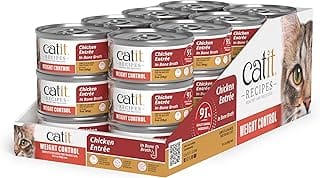
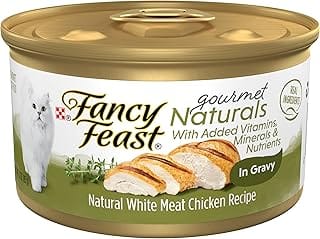
Choose the right texture. Some cats love pâté. Others prefer chunks in gravy or shredded textures. Buy a few single cans of different types to see what your cat actually likes.
Don’t commit to a case until you know.
Warm it up. Wet food straight from the fridge is less appealing. Heat it for 10, 15 seconds in the microwave (stir well to avoid hot spots) or run the sealed pouch under warm water. The warmth releases the aroma, which is a powerful attractant.
Mind the portions. Wet food spoils quickly at room temperature. Don’t leave it out for more than 30, 60 minutes. Uneaten food should be covered and refrigerated immediately.
We’ve written a full guide on how to preserve wet cat food if you want the nitty-gritty storage details.
Balance the diet. Not all wet foods are created equal. Look for a statement from AAFCO that the food is “complete and balanced” for your cat’s life stage. Avoid products with vague ingredients like “meat by-products” without specifics.
Steer clear of high-carb fillers, your cat’s ancestors never ate corn.
Water still matters. Even with wet food, always provide fresh, clean water. A cat on an all-wet diet will still drink some, and that’s fine. You can also add a splash of water to the wet food to boost moisture further.
Watch the transition signs. During the switch, monitor your cat’s stool. Slight softening is normal. Diarrhea or vomiting means you’re moving too fast, slow down.
And always check that your cat is eating enough calories. Weight loss is a red flag.
If you have a picky eater who refuses wet food entirely, don’t panic. Some cats genuinely prefer dry, and there are ways to make dry food safer, like adding water, bone broth (unsalted, no onions), or high-moisture toppers. But wet food remains the gold standard for most.
When in doubt, especially with a senior cat or one with a known health condition, consult your veterinarian. They can recommend specific brands or prescription diets that match your cat’s exact needs, such as the best food for cats with kidney disease if that’s a concern.
Now that you understand the “why,” the “how” becomes much easier. Your cat’s biology is hardwired for moisture, and matching that need with wet food is one of the best things you can do for their health.
Step-by-Step: Transitioning from Dry to Wet Food
Switching your cat’s diet takes patience. Cats are creatures of habit, and sudden changes often lead to refusal or digestive upset. Here’s a proven method that works for most cats.
Days 1 to 3: The introduction phase. Mix one teaspoon of wet food into your cat’s regular dry portion. Stir it well so the wet food coats the kibble. If your cat walks away, try a smaller amount the next day.
Days 4 to 6: Increase the ratio. Move to a 75% dry, 25% wet mix. Some cats accept this easily. Others need the wet food warmed slightly to boost the aroma.
A quick 10 seconds in the microwave does the trick.
Days 7 to 9: Go half and half. At this point, offer equal parts wet and dry. Your cat should be eating the bowl clean. If not, hold at the previous ratio for a few extra days.
There’s no rush.
Days 10 to 14: The final push. Aim for 75% wet, 25% dry. If things go well, you can move to all wet food by day 14. Watch for soft stool or vomiting.
Those are signs you’re moving too fast.
What if your cat refuses completely? Some cats are stubborn. Try a different texture or protein source. A cat that hates pâté might love shredded chicken in gravy.
Adding a small amount of unsalted bone broth can also help. You can find more tips in our guide on how to get your cat to eat dry food, which covers similar strategies that work for wet food too.
If you have a cat with a sensitive stomach, consider a dedicated transition over three weeks. The slower pace gives their gut bacteria time to adjust. Your cat’s digestion matters more than speed.
Common Mistakes Owners Make and How to Avoid Them
Even well-meaning owners slip up. Here are the most frequent errors we see in our research, along with simple fixes.
Leaving wet food out too long. Wet food spoils within 30 to 60 minutes at room temperature. Bacteria grow fast. Any uneaten food should go straight into the fridge.
Cover it with a tight lid or plastic wrap.
Serving it straight from the fridge. Cold food is less aromatic and less appealing. Cats rely on smell more than taste. Warm the portion slightly before serving.
Your cat will thank you.
Switching brands too often. Cats can develop preferences for specific textures and flavors. Constant changes can cause pickiness or digestive upset. Stick with one brand for a few weeks before trying something new.
Ignoring the calorie count. Wet food varies wildly in calories. Some 3-ounce cans pack 70 calories, others push 120. Overfeeding wet food can lead to weight gain.
Check the label and adjust portions based on your cat’s ideal weight.
Mixing wet and dry in the bowl incorrectly. If you combine them, serve the wet food first. Let your cat eat that, then offer dry food separately. Mixed bowls can lead to the wet food drying out or the dry food getting soggy.
Forgetting about dental health. Wet food doesn’t clean teeth. Neither does dry food, despite the myth. You still need to brush your cat’s teeth or provide dental treats.
A dedicated cleaning routine prevents gum disease.
Assuming all wet food is equal. Some wet foods are packed with fillers like carrageenan, guar gum, or high-carb starches. Read the ingredient list. Look for named protein sources and low carbohydrate content.
We’ve covered the best food bowls for cats in a separate guide, and the right bowl can make a difference. Shallow, wide bowls prevent whisker fatigue and encourage eating.
When to Seek Veterinary Advice About Your Cat’s Diet
Most cats do fine on a high-quality wet food diet. But some situations require professional guidance. Here’s when to call the vet.
Your cat has a diagnosed health condition. Cats with kidney disease, diabetes, hyperthyroidism, or urinary crystals need specific diets. Prescription wet foods are often required. A vet can recommend the right product and portion size.
Your cat is losing weight or refusing to eat. A cat that stops eating for more than 24 hours is at risk of hepatic lipidosis. That’s a serious liver condition. Don’t wait.
Get professional help immediately.
Your cat has a history of urinary blockages. Male cats who have had a blockage need a carefully managed diet. Wet food is usually recommended, but the specific mineral balance matters. A vet can prescribe a diet that prevents recurrence.
You’re unsure about portion sizes. Overfeeding and underfeeding are both common. A vet can calculate your cat’s exact calorie needs based on age, weight, activity level, and health status. It’s a simple check that saves trouble later.
Your cat is a senior with changing needs. Older cats often need higher protein, lower phosphorus, and extra moisture. Their kidneys may not work as efficiently. A vet can recommend a diet that supports aging organs.
For cats with kidney concerns, we’ve reviewed the best food for cats with kidney disease, which covers both wet and prescription options. Always involve your vet when managing a chronic condition.
How Much Wet Food to Feed by Weight and Life Stage
Portion sizes depend on your cat’s weight, age, and activity level. The chart below gives general guidelines for adult cats on an all-wet food diet.
| Cat Weight | Daily Wet Food (3 oz cans) | Daily Calories |
|---|---|---|
| 5 lbs | 1 can | 150–170 |
| 8 lbs | 1.5 cans | 200–240 |
| 10 lbs | 2 cans | 250–290 |
| 12 lbs | 2.5 cans | 300–340 |
| 15 lbs | 3 cans | 350–400 |
These are starting points. Adjust based on your cat’s body condition. You should be able to feel their ribs without pressing hard.
If you can’t, cut back a little. If the ribs are too prominent, increase the portion.
Kittens need more. Growing kittens require up to twice the calories per pound compared to adults. Feed them three to four meals a day until they reach about 80% of their adult size. Our guide on when do I switch from kitten to cat food covers the timing in detail.
Senior cats may need less. Older cats are often less active. Their metabolism slows down. Reduce portions slightly to prevent weight gain.
But keep protein high to maintain muscle mass.
Pregnant or nursing cats need more. A nursing queen can need three to four times her normal calorie intake. Feed her as much as she wants. She’ll regulate her own intake.
Indoor cats need less than outdoor cats. Indoor cats burn fewer calories. A typical 10-pound indoor cat does well on about 200 calories per day. An outdoor cat of the same weight might need 280.
Always check the label on your specific brand. Calorie density varies. If you’re feeding a mix of wet and dry, calculate the calories from both.
You can use our guide on how much dry cat food for a cat in 2026 to help with the math.
Mixed Feeding: Combining Wet and Dry the Right Way
Many owners choose to feed both wet and dry food. It’s a practical approach that balances convenience with health benefits. Here’s how to do it well.
Make wet food the foundation. Serve wet food as the primary meal. It provides the majority of moisture and protein. Use dry food as a supplement or a second meal.
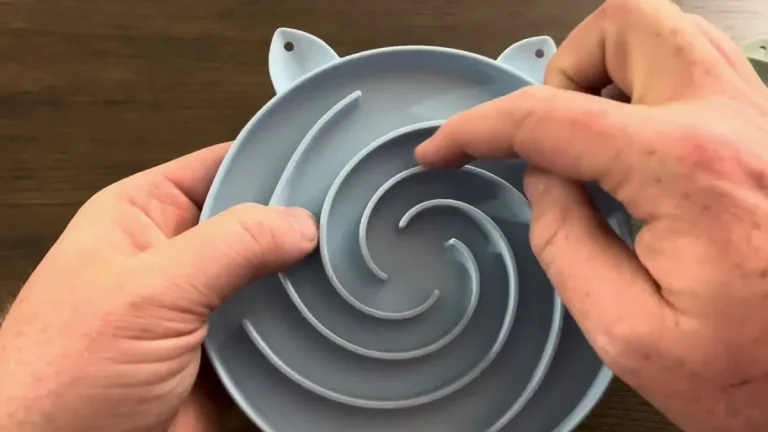
Use dry food for enrichment. Dry food works well in puzzle feeders, treat balls, or slow feeders. It keeps your cat mentally stimulated. That’s a real benefit.
Separate the meals. Don’t mix wet and dry in the same bowl. The wet food can make the dry food soggy. Bacteria grow faster.
Serve them at different times of day.
Calculate calories carefully. If you feed one can of wet food (80 calories) and a quarter cup of dry food (100 calories), your cat gets 180 calories total. Adjust based on your cat’s needs. Overfeeding is easy with mixed feeding.
Choose a high-quality dry food. Not all dry food is junk. Look for options with named meat proteins, low carbohydrates, and no artificial preservatives. Some dry foods are better than others for urinary health.
We’ve reviewed the best dry cat food for urinary tract health if that’s a concern.
Watch for weight gain. Mixed feeding can lead to overfeeding if you’re not tracking. Weigh your cat monthly. Adjust portions if you see the numbers creeping up.
Consider your cat’s preference. Some cats prefer wet food and will eat less dry. Others are kibble addicts. You can use the wet food as the main meal and offer dry food as a bedtime snack.
That’s a common routine that works well.
The decision between wet and dry isn’t all or nothing. A thoughtful mixed approach gives you the best of both worlds.
What to Look for in a High-Quality Wet Food
Not all cans are created equal. Read the label carefully. Look for a named protein source as the first ingredient.
Chicken, turkey, salmon, or beef. Avoid vague terms like “meat by-products” or “animal digest.”
Check for an AAFCO statement. It should say the food is “complete and balanced” for your cat’s life stage. That guarantees minimum nutrient standards.
Skip foods with added sugars, artificial colors, or excessive fillers like corn and wheat.
Look for low carbohydrate content. Many wet foods are naturally low in carbs, but some contain starchy thickeners. Aim for under 10% carbs on a dry matter basis.
The moisture content should be 75% or higher.
Verified Summary: The Bottom Line on Wet Food for Cats
Wet food isn’t a luxury. It’s a biological necessity for most cats. Their desert-adapted bodies don’t drink enough water on their own.
Wet food bridges that gap naturally.
The risks of a dry-only diet are real. Urinary crystals, kidney disease, obesity, and chronic dehydration. The benefits of wet food are clear.
Better hydration, dilute urine, and a diet that matches their evolutionary design.
Start slow. Choose quality. Watch portions.
And when in doubt, ask your vet. Your cat’s health depends on getting this right.
Frequently Asked Questions
Can I feed my cat only wet food?
Yes. Many cats thrive on an all-wet food diet. Just ensure it’s complete and balanced for their life stage.
Wet food provides all the moisture and nutrition they need.
How much wet food should I feed my cat daily?
A 10-pound cat typically needs about 2 cans of 3-ounce wet food per day. Adjust based on your cat’s activity level and body condition. Check the label for calorie content.
Is wet food bad for my cat’s teeth?
No. Wet food doesn’t damage teeth. Neither does dry food clean them effectively.
Brushing is still the best way to maintain dental health.
Can I mix wet and dry food together?
Yes, but serve them separately. Mixed bowls can lead to spoilage and picky eating. Offer wet food as the main meal and dry food as a supplement.
What if my cat refuses wet food?
Try different textures and protein sources. Warm the food slightly. Add a small amount of unsalted bone broth.
Some cats need time to adjust. Patience is key.
Does wet food cause diarrhea?
A sudden switch can cause loose stools. Transition gradually over 7 to 14 days. If diarrhea persists, consult your veterinarian.