How to Preserve Wet Cat Food: Easy Storage Tips
Opening a fresh can of minced chicken or salmon paté is a daily ritual for millions of pet parents. Wet food offers excellent hydration, making it a popular choice over dry crunch kibble. However, once you break that sterile seal, oxygen and bacteria start breaking down the ingredients immediately.
Learning how to preserve wet cat food is the best way to prevent foodborne illness, stop nutrient loss, and save money on wasted meals. Our editorial research team examined guidelines from veterinary nutritionists and food safety standards to compile this definitive storage manual. As of 2026, proper preservation remains the most overlooked aspect of home feline care.
Quick Answer
To preserve wet cat food safely, store opened leftovers in an airtight glass or BPA-free plastic container in the refrigerator immediately. Keep the fridge temperature between 35°F and 40°F. Always discard any wet food left in the bowl at room temperature for more than two hours.
Refrigerated leftovers must be consumed within three days to prevent bacterial growth.
Why Improper Storage is a Health Risk for Cats
Serving spoiled wet food can lead to severe gastrointestinal issues for your pet. When wet food sits in an open container, it quickly loses its nutritional value. Light, heat, and air degrade essential vitamins and amino acids like taurine, which cats require for healthy vision and heart function.
Furthermore, cats have an incredibly sensitive sense of smell. Spoiled fats in the food turn rancid, creating an odor that humans might not notice but will cause cats to reject the meal outright. If you are using specialized formulas, such as hydration-rich kidney diets, proper preservation ensures your cat actually eats the life-saving nutrients they need.
The Biological Threat: Pathogens and the “Danger Zone”
The primary reason wet food spoils so quickly is its high moisture content, which usually sits between 75% and 82%. This moisture creates a perfect breeding ground for microscopic pathogens.
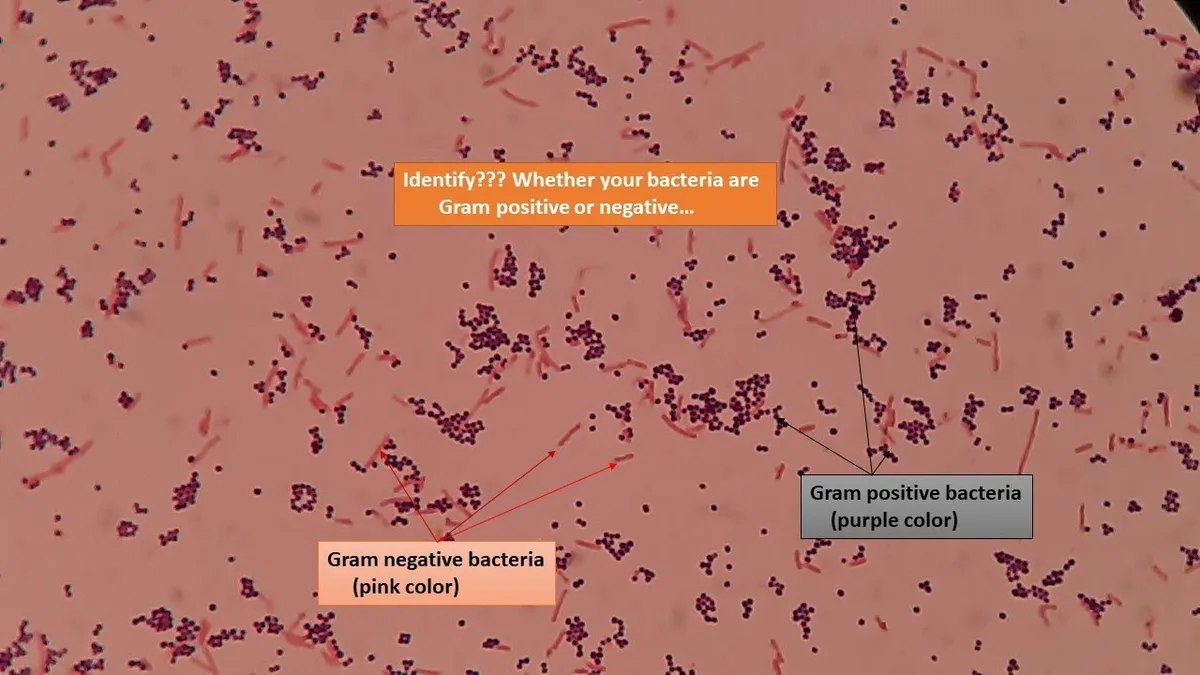
Image source: YouTube / Microhub Plus (YouTube thumbnail (fair-use with source credit))
The U.S. Food and Drug Administration (FDA) monitors pet food safety standards and warns that several deadly bacteria can multiply rapidly in wet pet food:
- Salmonella enterica: Causes severe diarrhea, fever, and vomiting in both cats and the humans who handle their food.
- Listeria monocytogenes: A resilient bacterium that can survive and even grow in cold refrigerator temperatures.
- Clostridium botulinum: Can multiply in low-oxygen environments, producing toxins that cause paralysis.
- Escherichia coli (E. coli): Leads to severe abdominal cramps and dehydration.
These bacteria thrive in what food safety experts call the “Danger Zone”, which is the temperature range between 40°F and 140°F (4°C to 60°C). Inside this zone, bacterial populations can double every 20 minutes.
Step-by-Step: Registering the Safe Room-Temperature Window
To prevent your cat from consuming dangerous levels of bacteria, you must manage the time their food sits out. Follow this simple protocol to track and manage the safety window:
Step 1: Note the Serving Time
Write down or mentally log the exact time you place the food bowl on the floor. If your cat is a slow grazer, setting a simple phone timer is a great habit.
Step 2: Assess Your Room Temperature
Determine the ambient temperature of your feeding area. If your home is air-conditioned and sits below 80°F (27°C), the maximum safe feeding window is two hours.
Step 3: Adjust for Warm Climates
If your kitchen lacks air conditioning, or if you are leaving food out for outdoor colony cats during summer, the rules change. When ambient temperatures exceed 80°F (27°C), shorten the safety window to exactly one hour.
Step 4: Pick up the Leftovers
Once the safety window closes, remove the bowl. Never add fresh wet food to a bowl that still contains older, crusty leftovers. Throw the uneaten food away and wash the dish with hot, soapy water before the next feeding.
The Decanting Decision: Why Metal Cans are Bad for Storage
Many pet owners simply pull open a can, scoop out half, and slide the open tin directly into the fridge. In our research, we found that storing food in the original metal can is a poor practice.
Once the tin-plated steel or aluminum can is opened, oxygen reacts with the exposed inner metal lining. This oxidation process can leach a distinct metallic taste into the outermost layer of the food. While this leaching is rarely concentrated enough to cause toxicity, it heavily impacts the food’s flavor.
A sensitive cat, like a pampered American Shorthair, may refuse the leftover portions entirely due to this metallic taste. Decanting, which means transferring the food to an inert glass or ceramic container, is the best way to keep the flavor intact and appeals to picky eaters on wet diets.
Step-by-Step: Refrigerating Leftovers to Lock in Freshness
Refrigeration is the easiest way to preserve wet cat food, but you must do it quickly to halt bacterial activity. If you leave open food on the counter for even thirty minutes before refrigerating, you accelerate spoilage.
Follow this sequence to ensure your leftovers remain safe and appetizing:
Step 1: Portion and Decant
Instead of putting the open can in the fridge, transfer the leftover food into a clean glass container. Glass is completely non-reactive and will not alter the flavor of the food. If you are feeding a cat with special dietary requirements, accurate portioning at this stage helps track daily calorie intake.
Step 2: Seal and Compress
Push down on the food with a spoon to remove large air pockets before sealing. Air pockets contain oxygen, which feeds aerobic bacteria and causes the top layer of the food to dry out. Seal the container with a tight lid to create an impermeable barrier.
Step 3: Pick the Coolest Spot
Place the container near the back of the middle shelf of your refrigerator. Avoid storing pet food inside the refrigerator door shelves. The temperature in the door fluctuates every time you open the fridge, which can compromise the preservation process.
Step-by-Step: Freezing and Thawing Wet Food portion-by-portion
Freezing wet cat food is an excellent long-term storage strategy, especially if you buy bulk cases of luxury canned formulas for indoor cats. When kept at 0°F (-18°C), frozen wet food can remain nutritionally intact for up to one month.
Follow these steps to freeze and thaw your portions safely:
Step 1: Prep Your Trays
Clean a silicone ice cube tray thoroughly with hot water and soap. Avoid using standard plastic trays, which are rigid and make removing frozen cubes incredibly difficult.
Step 2: Fill and Level the Cubes
Spoon the wet food into each well of the tray. Use the back of a spoon to press the food down into the corners, then level the surface.
Step 3: Flash Freeze
Place the filled silicone tray flat in your freezer for four to six hours. This rapid freezing process prevents larger ice crystals from forming, which can degrade the texture of the meat and gravy when thawed.
Step 4: Bag and Label
Once the cubes are frozen solid, pop them out of the silicone tray. Place the cubes immediately into a BPA-free plastic freezer bag. Write the date and the food brand on the bag so you can track expiration easily.
Step 5: Thaw in the Fridge
Plan by moving one frozen food cube from the freezer to the refrigerator twelve hours before feeding. Never leave frozen pet food on the kitchen counter to thaw. The outer boundary of the cube will warm up and enter the bacterial Danger Zone while the center remains frozen.
Comparing Storage Options: Silicone Lids, Containers, and Freezing
Choosing the right preservation tool depends on your daily schedule, budget, and how picky your cat behaves at meal times. Some methods offer unmatched convenience, while others prioritize long-term freshness and taste protection.
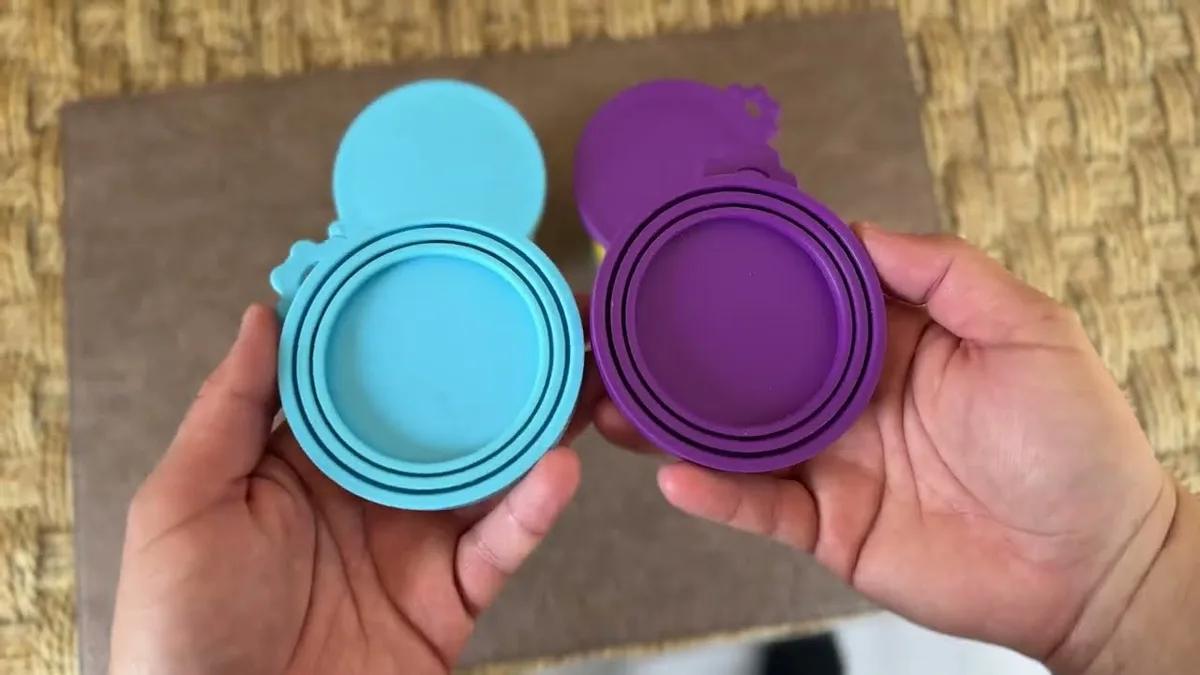
Image source: YouTube / Nick Recommends (YouTube thumbnail (fair-use with source credit))
Review this breakdown of the three most popular preservation methods to find the right fit for your household:
Option A: Standard Can with Silicone Lids
This method involves pulling a tight silicone cap directly over the original opened can. It is highly convenient and creates less washing up for busy pet owners. However, because it keeps the food inside the metal container, it is not ideal for cats that suffer from appetite loss.
Option B: Airtight Glass Containers
This involves transferring the wet food into dedicated glass jars with clasping lids. It offers the absolute best odor barrier and prevents any food-drying issues. It is highly recommended that you feed premium veterinary formulas, such as food for underweight cats, where flavor retention is crucial.
Option C: Portion Freezing
This method uses silicone ice cube trays and sealed bags to store food for weeks. It is the best choice for multi-cat households using rotating diets, or for owners of single cats who only eat small meals. The main drawback is the time required to thaw the portions safely.
The Aroma Equation: Why Cold Food Triggers Feline Food Refusal
Cats are instinctual hunters that prefer their food to match the body temperature of freshly caught prey, which is roughly 100°F (38°C). Chilled food directly from the refrigerator has almost no scent, which often causes cats to ignore it completely.
Because a cat’s appetite is heavily driven by olfaction, cold temperatures lock in the volatile compounds that make meat smell enticing. If you serve wet food straight from the fridge, it can lead to frustrating mealtime battles.
Warming the food releases those critical odors, which is especially helpful if you are trying to coax a sick cat to eat. For example, when feeding highly digestible food for sensitive stomachs, warming the meal ensures your cat receives vital nutrition without further stress.
Safe Warming Protocols: Steaming, Mixing, and Hot-Spot Risks
Warming refrigerated cat food requires a delicate touch to avoid destroying nutrients or burning your cat’s mouth. You must never heat the food to a piping-hot state; the target is tepid room temperature.
Avoid using a microwave, as it heats foods unevenly and creates concentrated steam bubbles called hot spots inside the meat. These hot spots can easily scald your cat’s tongue and throat. Additionally, high microwave radiation can break down delicate, heat-sensitive vitamins.
Instead, use these safe warming techniques:
Method 1: The Warm Water Bath
Place the portion of refrigerated food inside a small zipper bag or a heat-safe ceramic dish. Submerge the bottom of the container in a bowl of warm, hot-tap water for five to ten minutes. Stir the food occasionally to distribute the warmth evenly.
Method 2: The Warm Broth Mix-In
Stir one or two teaspoons of warm, low-sodium cat broth directly into the cold food. You can also use warm filtered water. This method instantly raises the temperature of the meal while adding extra hydration, which is highly beneficial for cats using urological health foods.
Critical Mistakes: Chemical Leaching, Microwaving, and Cross-Contamination
Many pet owners unknowingly compromise their cat’s health by making simple storage mistakes. One of the most common issues is using containers that are not certified BPA-free. Bisphenol-A can leach into moist, acidic pet food, especially during storage or warming.
Another serious risk is cross-contamination in the kitchen. Using the same spoon to scoop wet pet food and then stirring your own food can transfer harmful bacteria to herd-priority surfaces. Always wash pet food spoons and bowls separately from human dishes, using hot water and soap.
Finally, avoid placing uncovered pet food in the fridge. This exposes the food to circulating cold air, which dries out the meat and leaves a hard, unpalatable crust. It also allows strong fish or poultry odors to transfer directly to your own groceries.
FAQs: Your Practical Wet Food Storage Questions Answered
Can I mix old wet cat food with new wet cat food?
No, you should never mix leftovers with newly opened wet food. Mixing them inoculates the fresh portion with any bacteria that have already started growing in the leftovers. Always serve them in separate dishes or wash the bowl completely before adding a fresh portion.
How long does canned cat food stay good in a cold room?
Wet cat food cannot sit out safely for more than two hours, even in a cold room. While a chilly room slows down bacterial growth slightly, it does not stop it. Indoor environments still sit well within the bacterial Danger Zone where pathogens thrive.
Can you freeze wet cat food in its original can?
No, you must never freeze wet cat food inside its original metal can. Water expands as it freezes, which can burst the sealed seams of the can or break the airtight seal. This compromises the food safety and can introduce metal shards into the food.
Is it safe to feed cold, wet food straight from the fridge?
Yes, it is entirely safe to feed cold food, but your cat might refuse to eat it. Cold food lacks the strong, warm aroma that stimulates a cat’s appetite. If your cat turns their nose up at chilled food, use a warm water bath to gently raise the temperature.
How do I know if refrigerated wet cat food has gone bad?
You can identify spoiled wet cat food by its appearance, smell, and texture. Bad food often has a dry, darkened crust on top, an unusually sour or rancid odor, or pooled liquid at the bottom. If you notice any of these signs, discard the food immediately.