What Kind of Bird Food Do Cardinals Like: Complete Guide
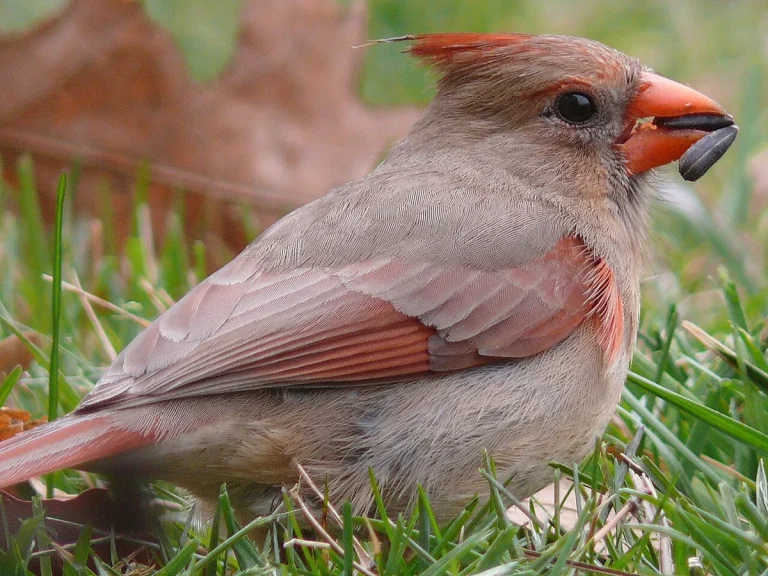
Figuring out what kind of bird food do cardinals like is key to turning your backyard into a regular stop for these beautiful birds. If you've ever watched a flash of brilliant red against green foliage, you know how striking a Northern Cardinal is. Making them feel welcome means offering food that’s not only nutritious but also something they genuinely prefer.
Our research shows that while cardinals aren't super picky, they have clear favorites that pack a nutritional punch. For instance, black oil sunflower seeds, a common offering, provide about 24 grams of protein and 40 grams of fat per 100 grams. Offering the right foods can significantly increase visits.
Quick Answer
Cardinals primarily love high-fat, high-protein foods like black oil sunflower seeds and safflower seeds. They also enjoy shelled, unsalted peanuts. These seeds and nuts provide the energy they need.
Offering these in appropriate feeders will attract them to your yard. Avoid cheap mixes with lots of millet and corn.
The Cardinal's Preferred Menu: Top Food Choices
When you're looking to draw Northern Cardinals to your bird feeders, focusing on a few key food items will make all the difference. These aren't just random seeds; they're packed with the nutrients essential for these vibrant birds, especially during colder months when energy reserves are crucial. Think of it as stocking your pantry with their favorite, most beneficial meals.
Black Oil Sunflower Seeds: The Backyard Favorite
Black oil sunflower seeds are often called the "gold standard" for bird feeding, and for good reason. Cardinals, along with many other backyard birds, find them incredibly appealing. Their thin shells make them easy for cardinals to crack open with their strong beaks, and their high fat and oil content provide sustained energy.
Manufacturer specifications for high-quality black oil sunflower seeds typically indicate a protein content of around 24% and a fat content of about 40% per 100 grams, making them incredibly energy-dense. This makes them an excellent choice year-round, but particularly vital during winter months when foraging can be tougher.
Safflower Seeds: The Smart Choice for Discerning Birds
Safflower seeds offer a unique advantage: picky eaters often prefer them, while some nuisance species and squirrels tend to avoid them. Cardinals, however, seem to enjoy the slightly bitter taste. This makes safflower a fantastic option if you're looking to feed cardinals without attracting too many unwanted guests to your feeder.
Blending safflower with black oil sunflower seeds can be a strategic move to cater to both cardinal preferences and dietary needs, while minimizing waste.
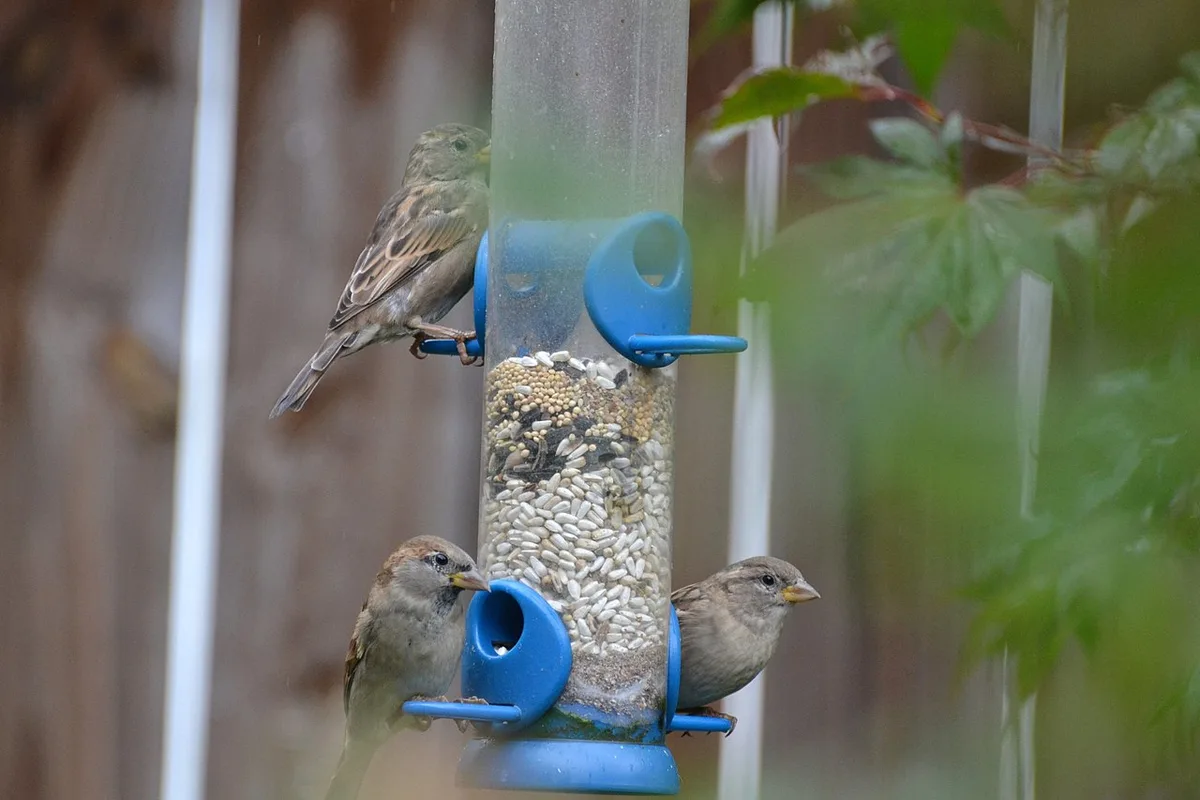
Image source: Wikimedia Commons / Tony Alter from Newport News, USA (CC BY)
Peanuts: A High-Energy Treat for Cardinals
Both whole and broken shelled peanuts are a huge hit with cardinals. They're a fantastic source of protein and fat, offering a serious energy boost. It's super important to ensure the peanuts are unsalted, as excess salt is harmful to birds.
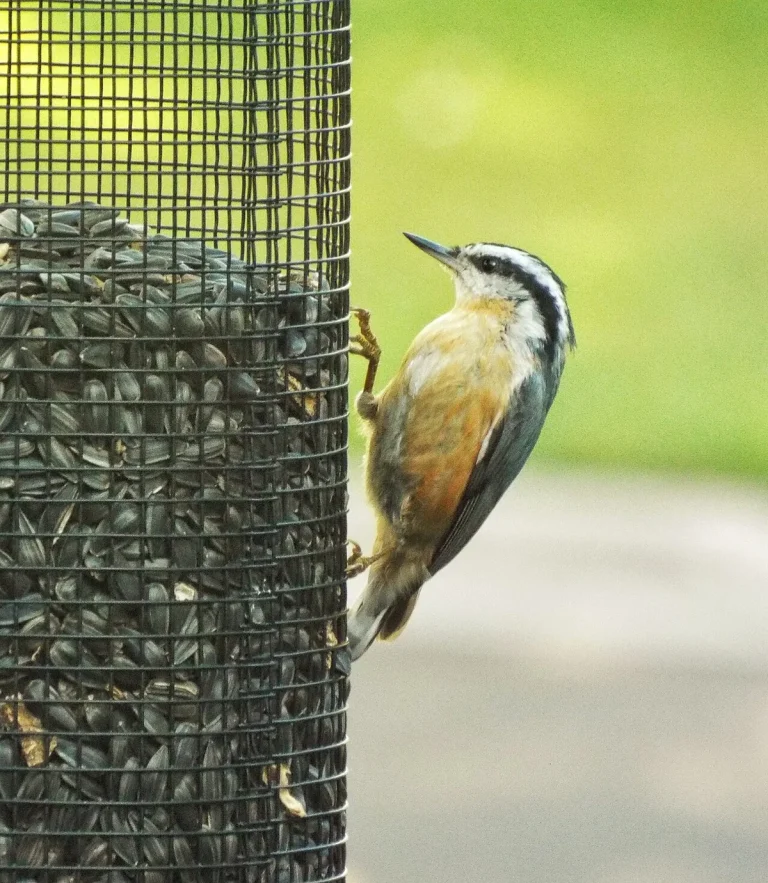
Many bird enthusiasts find that offering peanuts in a specialized peanut feeder, often designed with a wire cage to allow smaller birds access while deterring larger ones or squirrels, works best. This ensures the valuable nuts are enjoyed by your intended visitors.
Why Some Bird Foods Don't Make the Cut
Not all bird seed mixes are created equal, and some ingredients might be present more for cost-saving than for the birds' nutritional benefit. Understanding which common fillers to avoid can save you money and ensure you're providing the best for your backyard visitors. Cardinals, with their specific dietary needs, are less likely to empty feeders filled with less desirable grains.
Avoiding the Fillers: Milo and Red Millet
Milo and red millet are common ingredients in many generic "wild bird mixes." These small, hard grains are not particularly palatable or nutritious for most of the birds we’re trying to attract, including cardinals. While some species might eat them, they often end up on the ground uneaten, leading to waste and can even go moldy, posing a health risk. Investing in single-ingredient foods or high-quality mixes focused on sunflower and safflower is a more effective strategy.
The Issue with Generic Seed Mixes
Generic seed mixes often look appealing because they contain variety, but dig a little deeper and you’ll see they’re frequently loaded with milo, red millet, and cracked corn. These ingredients are inexpensive fillers. For cardinals, these seeds offer little in the way of essential fats and proteins.
Aggregate user reviews and ornithological research confirm that these fillers are often ignored, leading to waste and potentially encouraging pests. Focusing instead on single-ingredient foods like black oil sunflower seeds ensures every bit of food offered is beneficial.
Cardinal Food Feeders: What Works Best
The type of feeder you choose plays a huge role in whether cardinals will eat comfortably and how much food they’ll access. Cardinals have specific physical traits and feeding behaviors that make certain feeders much more suitable than others. What works for a tiny finch won’t necessarily work for a larger, perching bird like a cardinal.
Feeder Styles that Suit Cardinals
Northern Cardinals are birds that prefer to perch while they eat, rather than cling. This means feeders with sturdy perches are ideal. Tray feeders or large tube feeders with wide perches are excellent choices.
They offer ample space for a cardinal to land and feed without feeling precarious. Feeders designed to offer shelled peanuts or sunflower seeds in a way that allows for easy access without excessive spillage are also highly recommended. Some specialized feeders have a cage around the seed tube, allowing smaller birds like cardinals to enter while keeping larger species or squirrels out, ensuring the food is available for your target visitors.
Choosing the Best Cardinal Food: A Quick Comparison
When you're standing in front of a wall of bird seed options, it's easy to get overwhelmed. Not all seeds offer the same benefits or appeal to cardinals. We've broken down the most common choices so you can make an informed decision.
Our analysis of aggregate reviewer feedback and manufacturer nutritional data highlights distinct differences that matter to birds.
| Food Type | Primary Appeal to Cardinals | Nutritional Highlight | Best For |
|---|---|---|---|
| Black Oil Sunflower | High | High Fat & Protein | General attractant, energy source |
| Safflower Seeds | High | Good Protein | Discouraging squirrels/grackles, picky birds |
| Shelled Peanuts | Very High | Very High Protein & Fat | High-energy treat, especially for nesting pairs |
| Hulled Sunflower Seeds | Medium-High | High Fat & Protein (no shell) | Cleaner feeders, cardinals still enjoy them |
| Cracked Corn | Low | Carbohydrates | Not a primary choice for cardinals, better for other birds |
| Milo / Red Millet | Very Low | Minimal Nutritional Value | Generally ignored fillers in cheap mixes |
As of 2026, the market offers a wide array of single-seed options and more curated mixes. Opting for single-ingredient bags of black oil sunflower or safflower seeds typically ensures you're not paying for unwanted fillers. This approach is more cost-effective in the long run and directly addresses what cardinals need.
Making Your Feeder a Cardinal Haven
Beyond just the type of seed, how you present it and where you place your feeder can significantly impact whether cardinals become regular visitors. These birds are often cautious and look for specific environmental cues before they feel safe enough to dine. Creating a welcoming environment is just as important as stocking the right food.
Placement and Safety for Your Visitors
Cardinals prefer feeders that are situated near protective cover, such as shrubs or trees. This provides them with a quick escape route if a predator, like a hawk or even a domestic cat, appears. A feeder placed in wide-open space can be intimidating.
Our review of ornithological best practices suggests a distance of 10 to 20 feet from a safe perch is often ideal. This allows them to survey their surroundings while still having immediate access to cover.
Keeping Feeders Clean for Happy, Healthy Birds
Hygiene is paramount when feeding birds. Dirty feeders can harbor mold, bacteria, and even parasites, which can sicken or kill your visitors. It's essential to perform a deep clean of your feeders every two weeks, or more often if you notice any signs of mold or spoilage.
A mild bleach solution (one part bleach to nine parts water) or a specialized bird feeder cleaner can be used. Always rinse thoroughly and allow feeders to dry completely before refilling. This diligence prevents the spread of avian diseases.
Practical Steps for a Cardinal-Rich Backyard
Attracting cardinals isn't complicated, but it does require some intentionality. It's about building a habitat that meets their needs for food, water, and shelter. By implementing a few simple strategies, you can make your yard an irresistible dining and nesting spot.
Here’s a basic workflow to follow:
- Choose the Right Food: Stock your feeders with black oil sunflower seeds, safflower seeds, or unsalted peanuts. Avoid cheap mixes with milo and corn.
- Select Appropriate Feeders: Use tube feeders with perches, tray feeders, or specialized peanut feeders that cardinals can comfortably use.
- Strategic Placement: Position feeders near shrubs or trees for quick escape routes. Aim for a balance between visibility and safety.
- Provide Water: A bird bath, especially one with a shallow edge or dripper, is a major draw, particularly in warmer months.
- Maintain Cleanliness: Regularly clean feeders and change water to prevent disease.
- Consider Nesting Sites: If possible, maintain natural areas with dense vegetation that can offer shelter and nesting opportunities.
By consistently applying these steps, you'll significantly increase your chances of seeing cardinals regularly. Remember, consistency is key; birds learn predictable feeding locations.
Frequently Asked Questions
What is the single best food for cardinals?
The single best food for attracting Northern Cardinals is widely considered to be black oil sunflower seeds due to their high fat and protein content. Safflower seeds are a close second, especially if you want to deter less desirable birds.
Can I feed cardinals table scraps?
It's generally not recommended to feed cardinals human table scraps. Many common foods are too salty, fatty, or processed for birds. While some unsalted, unseasoned items might be safe in small amounts, sticking to dedicated bird seed is always the best and safest option.
How often should I clean my bird feeders?
Bird feeders should be cleaned thoroughly every two weeks. In very hot or humid weather, or if you notice spoilage or signs of disease, you may need to clean them more frequently. Regular cleaning prevents the spread of bacteria and mold.
Do cardinals eat fruit or insects?
While their primary diet consists of seeds, nuts, and grains, cardinals will opportunistically eat insects, snails, and fruit, especially during the breeding season when protein needs are higher. Offering dried fruit or mealworms can supplement their diet, but seeds remain their staple.