How Long for Cat to Digest Food: Pro Tips & Tricks
Ever wonder what’s going on inside your feline friend after they polish off their meal? It’s a pretty common question for cat parents, and honestly, there isn’t one single-number answer. Think of it less like a stopwatch race and more like a gentle, internal journey.
We’ll get into the typical timelines, but it’s really about understanding the different factors that can speed things up or slow them down for your cat. As of 2026, our research confirms these general guidelines remain consistent for most healthy domestic cats. Read more: How Many Calories in Friskies Canned Cat Food.
Quick Answer
A cat typically digests food in 12 to 24 hours. This timeline varies based on diet, age, and health. Wet food usually digests faster than dry kibble.
Kittens and senior cats may have different digestion rates. Underlying health issues can significantly alter this period.
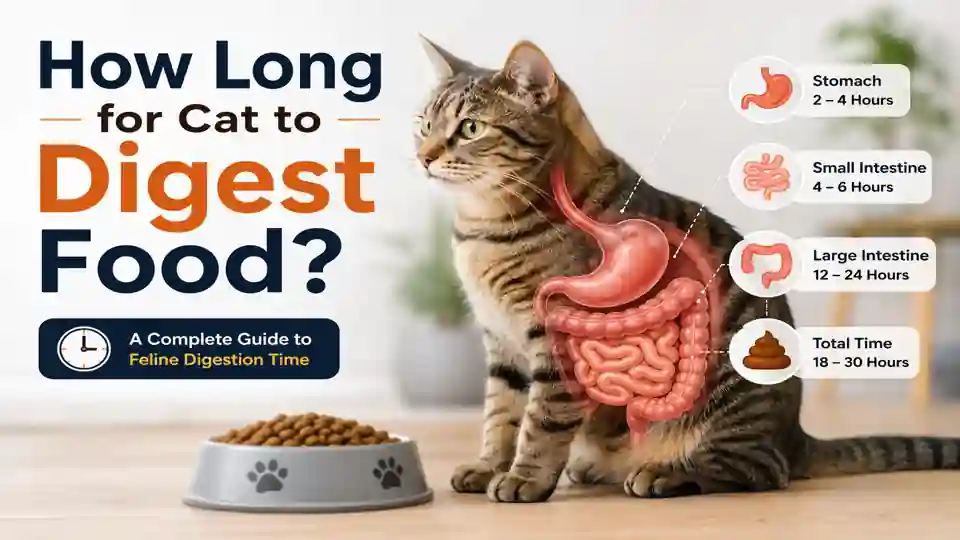
The 12-24 Hour Gut Journey: What’s Typical?
For most healthy adult cats, a solid meal typically makes its way through their digestive system within 12 to 24 hours. This is the general window you can expect from the moment they eat until the final output.
This timeframe covers the entire process, from the food entering the stomach to waste being eliminated. It’s a comprehensive period reflecting the body’s efficient nutrient extraction and waste processing.
Key Insight: The General Digestive Timeline
The core of understanding feline digestion lies in recognizing this 12-24 hour window. It’s not a rigid rule but a common range that helps pet owners gauge normal bodily functions. Deviations from this within reason are usually not a concern, but consistent, significant changes warrant attention.
- Ingestion: The moment food enters the mouth.
- Stomach Processing: Initial breakdown begins.
- Small Intestine: Nutrient absorption occurs.
- Large Intestine: Water absorption and waste formation.
- Elimination: Final waste removal.
This entire cycle, for most cats, completes within a day.
Why Digestion Times Vary: Factors at Play
It’s not just about what they eat, but also who they are and how they’re doing overall. Several elements influence how long food stays in your cat’s system.
Diet: Wet Food vs. Dry Food
The type of food you eat plays a significant role in the speed of digestion. Understanding the properties of each can help you anticipate how it might affect your cat.
- Wet Food: Generally digests more quickly. Wet food has a higher moisture content and can be easier for their system to break down and process. This often means less time spent in the stomach and intestines.
- Dry Food (Kibble): Can take a bit longer. Kibble requires more water to process and might sit in their stomach for a while before moving on. The compressed nature of kibble and its lower moisture level contribute to this slower transit. What is kibble cat food, after all, but a dehydrated, processed meal?
Age: Kittens to Seniors
A cat’s age profoundly impacts their digestive capabilities.
- Kittens: Their digestive systems are still developing, so digestion might be a bit faster and less predictable than in adults. As kitten food is often formulated for easy digestion, this aids their growth. When should a cat stop eating kitten food? This is often a concern for owners as kittens mature.
- Senior Cats: Older cats can sometimes experience slower digestion, especially if they have underlying health issues. Their bodies may not produce digestive enzymes as efficiently as they did when they were younger.
Activity Level’s Role
A cat’s daily routine can influence their internal clock.
- A more active cat will have a more active metabolism and digestive tract, which can contribute to faster processing. Physical movement aids the gut’s natural peristalsis.
- A sedentary cat might have a slower rhythm, with food moving through their system at a more leisurely pace. Understanding the Best Dry Food for Picky Cats.
Health Status: When to Watch Closely
This is a huge factor. Any underlying health conditions, like inflammatory bowel disease, kidney issues, or even simple things like a hairball, can significantly alter how long food stays in their system. If you notice really consistent, pronounced changes, it’s always best to chat with your vet.
Stress and Its Digestive Impact
Believe it or not, a stressed-out cat might not digest food as efficiently. Changes in their environment, a new pet, or even loud noises can impact their system. When a cat experiences stress, their body can divert resources away from non-essential functions like digestion, slowing down the process or causing other issues.
This is why maintaining a calm environment can be beneficial for their overall well-being, including their gut health.
What “Digested” Really Means for Your Kitty
When we talk about digestion time, we’re usually referencing the entire process from ingestion to elimination. It involves breaking down the food in the stomach and small intestine, absorbing nutrients, and then passing the remaining waste through the large intestine.
This comprehensive cycle ensures your cat gets the most out of their diet. The energy and nutrients from their food are extracted, while the indigestible material is prepared for expulsion.
Feline Digestive System Overview
The feline digestive tract is a marvel of biological engineering, designed to efficiently process a diet high in animal protein.
- Mouth: Chewing breaks down food mechanically, and saliva begins enzymatic breakdown.
- Esophagus: A muscular tube that transports food to the stomach via peristalsis.
- Stomach: A muscular organ that churns food and secretes acid and enzymes (like pepsin) to break down proteins further.
- Small Intestine: The primary site for nutrient absorption. Enzymes from the pancreas and liver aid in digesting carbohydrates, fats, and proteins into absorbable molecules.
- Large Intestine (Colon): Absorbs water and electrolytes from remaining indigestible material, forming feces. Bacteria here can also synthesize certain vitamins.
- Rectum and Anus: Stores and expels waste.
The speed at which food moves through these organs dictates the overall digestion time.
Common Digestive Quirks and When to Worry
Most of the time, you won’t need to time your cat’s meals. They’re usually pretty good at managing their internal plumbing. However, noticing changes can be important for proactive pet care.
Signs of Slow or Rapid Digestion
While a 12-24 hour window is typical, sudden shifts can indicate an issue.
- Apparent Slowing: If your cat suddenly seems to be having fewer bowel movements than usual (e.g., going from daily to every two or three days) and their appetite remains normal, this could indicate slower transit. This isn’t true constipation unless they are straining or unable to pass stool.
- Apparent Speeding Up: Conversely, if your cat starts having very loose stools or bowel movements much more frequently than normal, particularly if the output is less formed, it might suggest food is moving too quickly.
What to Do About Digestive Issues
If you’re concerned about your cat’s digestion, the first step is observation. Note the frequency of their eliminations, the consistency of their stool, and any changes in appetite or energy levels.
- Dietary Adjustments: If you suspect a particular food is causing issues, discuss this with your vet. They might suggest a change, perhaps to a more easily digestible diet, like some formulations of wet food or a specialized prescription diet. Owners sometimes explore how to make cat food from scratch, but this requires careful nutritional planning and veterinary guidance.
- Hydration: Ensure your cat has constant access to fresh water. Proper hydration is crucial for smooth digestion, especially for cats on dry food.
- Hairball Management: Many cats experience digestive disruptions due to hairballs. Regular grooming can help minimize ingested fur. Products designed to help pass hairballs are also available.
Talking to Your Vet About Digestion
When you notice consistent or significant changes in your cat’s digestive habits, reaching out to your veterinarian is the best course of action. They are your primary resource for understanding and addressing feline health concerns.
Your vet will ask detailed questions about your cat’s diet, including what they eat and how often, and any specific products you use. They’ll inquire about your cat’s behavior, energy levels, and any other symptoms you might have observed.
What to Expect During a Vet Visit
During an examination, the vet will likely perform a physical assessment. This can include palpating your cat’s abdomen to check for any abnormalities, such as masses or blockages. They may also ask about vaccine status and deworming history.
Depending on the initial findings and your cat’s condition, the vet may recommend diagnostic tests. These could include:
- Fecal Analysis: To check for parasites, bacteria, or other abnormalities in the stool.
- Bloodwork: To assess overall health, organ function (like kidneys or liver), and check for specific markers of disease.
- X-rays or Ultrasound: To visualize the digestive tract and identify any structural issues, foreign bodies, or signs of inflammation.
Based on the diagnosis, your vet will create a tailored treatment plan, which might involve medication, dietary changes, or further specialized care. They can confirm if your cat’s digestion time falls within a normal range or if intervention is needed.
Common Mistakes to Avoid with Cat Digestion
Understanding what not to do is just as important as knowing what to do when it comes to your cat’s digestive health. Many common pet owner behaviors, while well-intentioned, can inadvertently cause problems.
Overfeeding and Underfeeding
- Overfeeding: Giving your cat too much food can overwhelm their digestive system, leading to slower transit times, vomiting, and weight gain. This also increases the amount of waste produced. It’s crucial to follow feeding guidelines for specific products like What Is Kibble Cat Food or consult your vet for portion control.
- Underfeeding: Conversely, not feeding enough can lead to deficiencies and can also cause the digestive system to become less efficient over time. It’s important to provide adequate calories and nutrients.
Abrupt Diet Changes
Switching your cat’s food suddenly can cause significant digestive upset. Their system needs time to adjust to new ingredients, proteins, and fiber levels.
- Recommendation: Implement new foods gradually over 7-10 days.
- Day 1-3: 25% new food, 75% old food.
- Day 4-6: 50% new food, 50% old food.
- Day 7-9: 75% new food, 25% old food.
- Day 10: 100% new food.
Ignoring Warning Signs
Dismissing changes in your cat’s stool or behavior is a common mistake. What might seem like a minor, one-off issue could be an early indicator of a developing problem. Always pay attention to consistency, color, frequency, and any straining.
Expert Tips for Optimizing Feline Digestion
Beyond the basics, a few expert approaches can help keep your cat’s digestive system running smoothly. These are common practices among veterinary professionals and experienced feline caregivers.
Provide Sufficient Fiber
Fiber plays a crucial role in digestive health by adding bulk to stool and aiding its movement through the intestines. While cats are obligate carnivores, a small amount of appropriate fiber in their diet can be beneficial.
- Sources: Some commercial cat foods are formulated with digestible fiber sources. If you’re exploring options for a balanced diet, consider options that mention fiber content.
- Hairball Control: Fiber can also assist in passing swallowed hair, reducing the frequency of hairballs.
Encourage Regular Exercise
Physical activity is fundamental for good digestion. It stimulates the muscles in the intestinal walls, promoting the forward movement of food and waste.
- Playtime: Dedicate at least 15-20 minutes daily to interactive play sessions with your cat. Use feather wands, laser pointers (used responsibly), or chase toys.
- Environment: Provide climbing structures or puzzle feeders that encourage movement and mental stimulation.
Monitor Food Freshness and Storage
How you store your cat’s food can impact its quality and digestibility.
- Wet Food: Once opened, how long does canned cat food last once opened? It generally needs to be refrigerated and used within 24-72 hours, depending on the product and storage conditions. Always discard any uneaten wet food that has been left out at room temperature for more than an hour or two.
- Dry Food: Store dry kibble in an airtight container in a cool, dry place. This prevents spoilage, preserves nutrients, and deters pests. Avoid leaving large quantities out for extended periods, as they can become rancid.
When & Why to Consider Special Diets
Sometimes, a cat’s digestive system requires more specialized support than standard commercial diets can provide. This is where prescription or therapeutic diets come into play, typically under veterinary guidance.
Diagnosed Digestive Conditions
If your cat has a diagnosed condition such as:
- Inflammatory Bowel Disease (IBD): Characterized by chronic inflammation of the gastrointestinal tract.
- Pancreatitis: Inflammation of the pancreas.
- Food Allergies or Sensitivities: Adverse reactions to specific ingredients.
- Malabsorption Issues: Where the intestines aren’t absorbing nutrients properly.
These conditions often necessitate specific diets formulated to be highly digestible, hypoallergenic, or to support gut healing. Your vet may recommend diets like those designed for Best Cat Food For Anemic Cats if underlying issues are suspected.
Benefits of Therapeutic Diets
These specialized diets are engineered with specific goals:
- Highly Digestible Ingredients: Proteins and carbohydrates are chosen for their ease of breakdown.
- Limited Ingredient Approaches: To identify and eliminate common allergens.
- Added Prebiotics and Probiotics: To support a healthy gut microbiome.
- Specific Nutrient Profiles: Tailored to manage conditions like kidney disease or metabolic imbalances.
These diets are not a one-size-fits-all solution and require proper veterinary diagnosis and prescription. Feeding the wrong special diet can do more harm than good.
Frequently Asked Questions
How long does it take for a kitten to digest food?
Kittens generally digest food faster than adult cats, often within 6-12 hours. Their digestive systems are still maturing, and their high metabolic rate fuels quick processing.
Can stress make my cat’s digestion slower?
Yes, stress can absolutely affect a cat’s digestion. It can slow down the process as the body diverts energy from non-essential functions, or in some cases, cause digestive upset like diarrhea.
Is it normal for my cat not to poop every day?
While daily bowel movements are common for many cats, a slight variation isn’t usually a concern if the stool is well-formed and your cat isn’t straining. However, a consistent absence of bowel movements for more than 48-72 hours, or straining without producing stool, warrants veterinary attention.
How does cat food freshness affect digestion?
Fresh food is more digestible. Stale or rancid food can introduce bacteria or lose nutritional value, potentially leading to digestive upset, vomiting, or diarrhea. Proper storage of both wet and dry food is key.