Mastering How Many Cans of Wet Food Should a Cat Eat
You’ve probably stood in the pet food aisle, squinting at a feeding chart, wondering if you’re underfeeding or slowly creating a chonk. It’s one of the most common questions cat owners ask: how many cans of wet food should a cat eat? The honest answer is that it depends on your cat’s weight, age, activity level, and the specific food you choose.
The good news is that figuring out the right portion isn’t complicated once you understand a few basics. Most adult cats need somewhere between 200 and 300 calories per day, which typically translates to one or two 5.5-ounce cans of wet food. But that number shifts based on your cat’s individual metabolism and the calorie density of the brand you buy.
In our research, we found that a standard 3-ounce can ranges from 70 to 120 calories, while a 5.5-ounce can can pack anywhere from 150 to 250 calories. That’s a massive difference, and it’s why following a generic rule can lead to an overweight or undernourished cat.
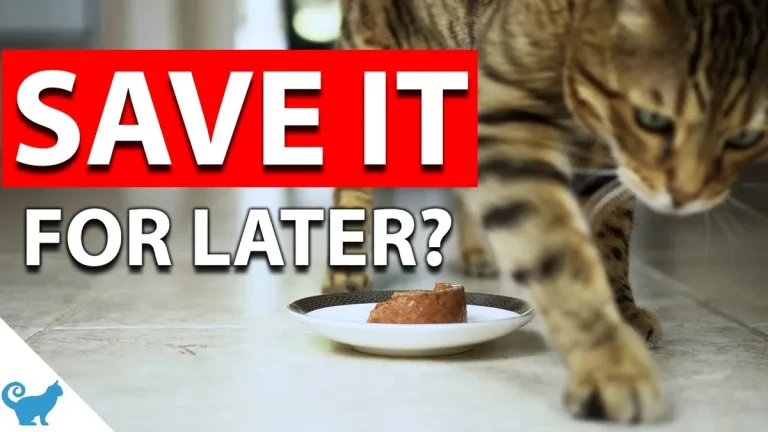
Image source: Bing (Web (fair-use with source credit))
Quick Answer
Most adult cats need one to two 5.5-ounce cans of wet food per day. This equals roughly 200 to 300 calories total. Kittens need more frequent meals and higher calories per pound.
Senior cats often need fewer calories. Check the label for exact kcal per can. Adjust based on your cat’s body condition.
When in doubt, ask your veterinarian.
Why You Can’t Just Trust the Feeding Chart on the Label
Feeding charts on cat food labels seem straightforward. They tell you exactly how much to serve based on your cat’s weight. The problem is that those charts are designed for the average cat eating only that food, and they often overestimate portions for indoor, less active felines.
Here’s what the label doesn’t tell you. The calorie density varies dramatically between brands and even between flavors within the same brand. One company’s 5.5-ounce can of pâté might contain 150 calories, while another brand’s same-size can could have 230 calories.
If you blindly follow the feeding chart, you could be off by 50 percent or more without realizing it.

Image source: Bing (Web (fair-use with source credit))
The other issue is that feeding charts assume your cat is at their ideal weight. Most indoor cats are not. According to the Association for Pet Obesity Prevention, roughly 60 percent of cats in the United States are classified as overweight or obese.
If your cat is already carrying extra pounds, following the chart will only add more.
Manufacturer specifications indicate that the feeding guidelines on packaging are starting points, not prescriptions. They’re calculated for intact, active adult cats with normal body condition. Your spayed or neutered indoor cat likely needs 20 to 30 percent fewer calories than the chart suggests.
So what should you do instead? Ignore the chart and do a quick calculation based on your cat’s ideal body weight and the actual calorie content of the food. We’ll walk you through that process step by step.
It takes less than five minutes and gives you a precise number you can trust.
If you want to know more about how long opened cans stay fresh in the fridge, we’ve covered that in our guide on wet cat food shelf life after opening.
The 3 Factors That Decide Exactly How Many Cans Your Cat Needs
Three main variables determine your cat’s daily wet food portion. Get these right, and you’ll nail the portion every time.
Cat’s Ideal Body Weight and Body Condition Score
Your cat’s current weight isn’t the number that matters. What matters is their ideal weight, which is guided by their frame size and body condition score. The Body Condition Score (BCS) is a 1-to-9 scale used by veterinarians to assess whether a cat is underweight, ideal, or overweight.
A cat at a healthy BCS of 5 has a visible waist when viewed from above. You can feel their ribs easily through a thin layer of fat, but you can’t see them through the fur. If you have to press hard to feel ribs, your cat is above ideal.
If the ribs are visible and the waist is dramatic, they’re below ideal.
Most domestic cats have an ideal weight between 8 and 12 pounds. Smaller-framed cats, especially females, might be ideal at 7 or 8 pounds. Larger breeds like Maine Coons can be perfectly healthy at 15 to 18 pounds.
Your vet can help you determine your cat’s ideal weight during their annual checkup.
Calorie Density of the Specific Food
This is the number that trips everyone up. Cats need a specific number of calories per day, not a specific number of cans. The calorie content per can is the bridge between those two numbers.
Wet food calorie density varies because of moisture content, protein sources, fat levels, and carbohydrate fillers. A 3-ounce can of a high-protein, low-carb food might deliver 100 calories. A 3-ounce can of a budget food with more fillers might only deliver 70 calories.
The same portion size, completely different nutritional impact.
To find the calorie density, look for “kcal per can” or “metabolizable energy” on the label. This information is required by AAFCO guidelines in the United States and FEDIAF standards in Europe. It’s usually printed in small text near the guaranteed analysis.
If it’s not on the can, check the manufacturer’s website.
Activity Level, Age, and Life Stage
A young, active cat who patrols the neighborhood burns far more calories than a senior cat who naps by the window. Kittens need twice as many calories per pound as adult cats because they’re growing rapidly. Pregnant and nursing queens have dramatically increased energy needs, especially during lactation.
Here’s a rough breakdown of daily calorie needs by life stage:
| Life Stage | Calories per Pound of Body Weight |
|---|---|
| Kitten (under 6 months) | 40-60 kcal |
| Kitten (6-12 months) | 30-40 kcal |
| Intact adult (active) | 25-35 kcal |
| Neutered adult (indoor) | 20-25 kcal |
| Senior (over 7 years) | 18-22 kcal |
| Pregnant/nursing queen | 40-60 kcal |
These numbers come from the National Research Council’s nutrient requirements for cats. They’re a starting point, not an absolute rule. Individual metabolism varies, and some cats naturally need more or less.
If your cat is particularly active or lives outdoors, they might need portions at the higher end of the range. Indoor cats usually need the lower end. Our guide to the best food for outdoor cats covers some of these higher-energy options.
How to Calculate Your Cat’s Daily Wet Food Portion (Step-by-Step)
Now we get to the practical part. Grab your cat’s food, a calculator, and your cat’s most recent weight. Here’s how to figure out exactly how many cans they need per day.
Step 1: Weigh Your Cat and Determine Ideal Weight
First, get an accurate weight. The most reliable method is a digital kitchen scale or a baby scale. Weigh yourself, then weigh yourself holding your cat, then subtract the difference.
A veterinary clinic scale is even better if you have easy access.
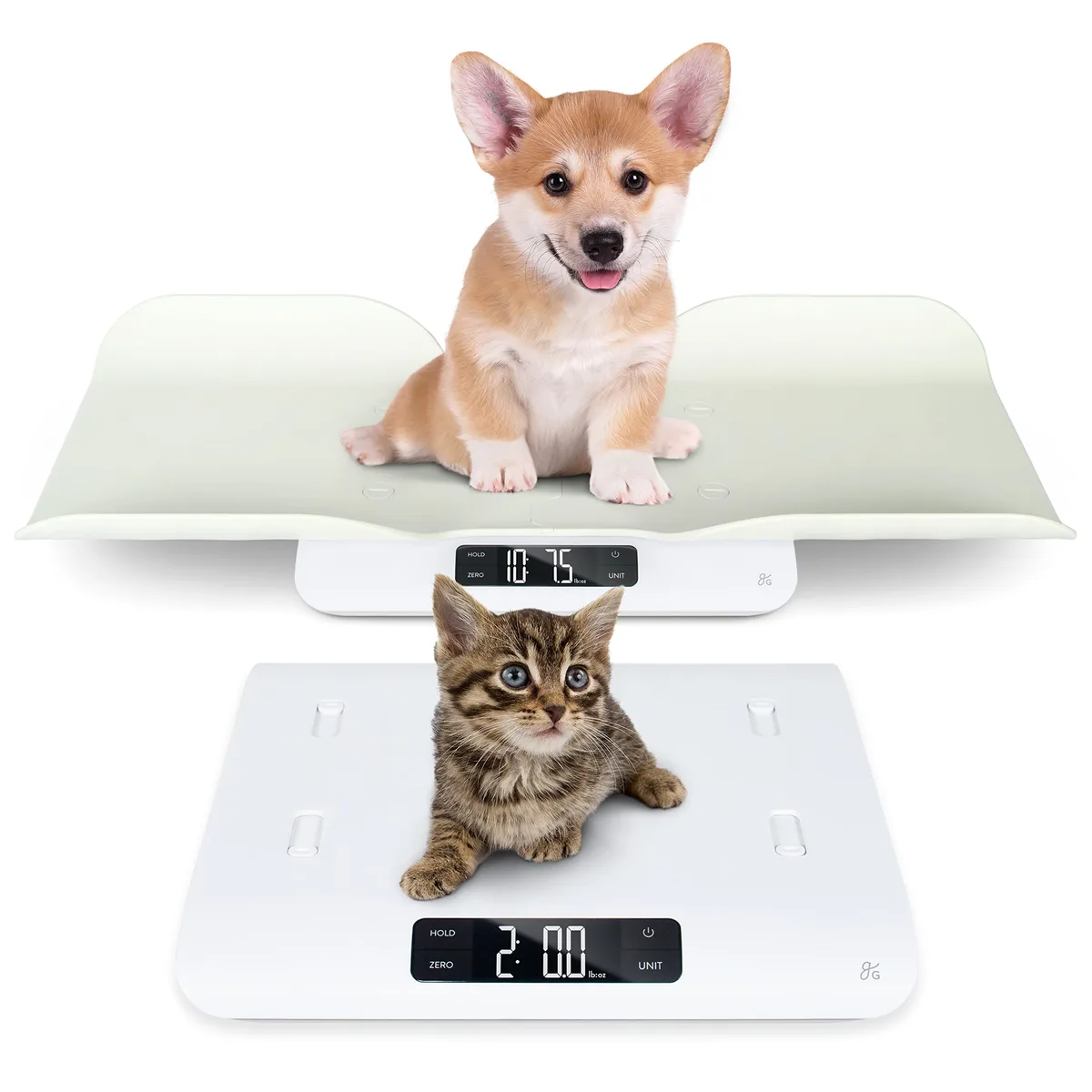
Image source: Bing (Web (fair-use with category))
Once you have the current weight, assess body condition. Use the 9-point scale we mentioned earlier. If your cat’s current weight matches their ideal body condition, use that number.
If they’re overweight, estimate their ideal weight. A good rule of thumb is that every point above 5 on the BCS scale represents roughly 10 to 15 percent excess weight.
So a 12-pound cat with a BCS of 7 might have an ideal weight of 9 to 10 pounds. That’s the number you’ll use for calorie calculation, not the 12 pounds.
Step 2: Calculate Daily Calories
Multiply your cat’s ideal weight in pounds by the appropriate calorie factor from the table above. For most neutered indoor adult cats, that’s 20 to 25 calories per pound.
Here’s the math for a typical 10-pound indoor cat:
10 lbs × 20 kcal/lb = 200 kcal per day
That’s the baseline. If your cat is active, use 25 or even 30. If they’re very sedentary, stick with 20.
You can always adjust after a few weeks based on how their body responds.
Step 3: Check the Calorie Content of Your Food
Look at the can for the kcal per can or kcal per 100g. Let’s say your food has 180 kcal per 5.5-ounce can. Divide your cat’s daily calorie target by the can’s calories:
200 kcal ÷ 180 kcal/can = 1.1 cans per day
So your cat needs roughly one full can plus a little extra. That works out to about one and a tenth cans daily, or pretty close to two full cans every other day.
Step 4: Split Portions Into Meals
Cats are natural grazers, but most do well on two to four scheduled meals per day. Splitting the daily portion prevents overeating and mimics their natural hunting rhythm.
For a cat needing 1.1 cans daily, you might serve half a can in the morning and half a can in the evening, then offer a small snack or a bit more at lunch. If you’re feeding dry food alongside, adjust the wet portion accordingly.
A Worked Example with Real Numbers
Let’s put it all together with a realistic scenario. Meet Milo, a 12-pound neutered male cat. His body condition score is 6.5, so his ideal weight is around 10.5 pounds.
Milo’s daily calories: 10.5 lbs × 22 kcal/lb = 231 kcal
His food has 175 kcal per 5.5-ounce can.
Daily cans needed: 231 ÷ 175 = 1.32 cans
That means Milo gets about one and a third cans each day. In practice, you’d serve roughly two-thirds of a can in the morning and two-thirds in the evening. Over a full week, that’s about 9.2 cans total.
If you’re wondering whether your cat’s digestive quirks are normal, our article on why cats vomit after eating wet food might offer some insight into food sensitivities.
Real-Life Portion Examples: From 5-Lb Kittens to 15-Lb Seniors
Percentages and formulas are helpful, but concrete examples make everything click. Let’s walk through several common cat profiles and what their daily portions actually look like.
Kitten Profile: 5 Pounds, Growing Fast
Kittens need a lot of fuel. They’re building tissue, burning energy, and growing at an astonishing rate. A 5-pound kitten needs roughly 200 to 300 calories per day, depending on age and activity.
| Cat Profile | Ideal Weight | Daily Calories | Daily Wet Food (approx.) |
|---|---|---|---|
| Kitten (5 lbs) | 5 lbs | 250-300 kcal | 1.5-2 cans (5.5 oz) |
| Adult indoor (10 lbs) | 10 lbs | 200-250 kcal | 1-1.5 cans (5.5 oz) |
| Overweight adult (12 lbs) | 9-10 lbs | 180-220 kcal | 1-1.25 cans (5.5 oz) |
| Senior cat (8 lbs) | 8 lbs | 160-180 kcal | 0.75-1 can (5.5 oz) |
| Active outdoor cat (11 lbs) | 11 lbs | 275-330 kcal | 1.5-2 cans (5.5 oz) |
Kittens should eat three to four meals per day, not two. Their stomachs are small, and they can’t handle a massive portion at once. Split the daily total evenly across those meals.
Adult Indoor Cat Profile: 10 Pounds, Neutered
This is the most common scenario. A 10-pound neutered indoor cat needs roughly 200 to 240 calories daily. On a food with 180 calories per 5.5-ounce can, that works out to about one and a quarter cans.
You might serve half a can in the morning, half at dinner, and a small extra portion as a bedtime snack. That keeps your cat satisfied without overloading their system.
Overweight Adult Profile: 12 Pounds, Goal of 9.5
Weight loss in cats needs to be slow and steady. Rapid weight loss can trigger hepatic lipidosis, a dangerous liver condition. Aim for a loss of about 0.5 to 1 percent of body weight per week, which is roughly 1 to 1.5 ounces for a 12-pound cat.
For weight loss, feed based on the ideal weight of 9.5 pounds, not the current 12. That means around 190 to 210 calories per day, or just over one 5.5-ounce can. Expect visible progress over three to four months.
Senior Cat Profile: 8 Pounds, Less Active
Older cats often have slower metabolisms and less muscle mass. They typically need fewer calories, around 160 to 180 per day. That’s about three-quarters to one full 5.5-ounce can.
Seniors also benefit from more moisture in their diet, which supports kidney function. Wet food is an excellent choice for this reason. Just watch portions carefully, since senior cats are prone to both weight gain and unintended weight loss.
Regular weigh-ins every two weeks help you catch trends early.
For more context on how cats transition to solid foods at different life stages, our guide on when cats start eating solid food has useful benchmarks.
Mixing Wet and Dry Food Without Overfeeding
Many cat owners combine wet and dry food for convenience and variety. That works perfectly fine, but the math gets trickier. The key is tracking total daily calories across both foods.
Start by calculating your cat’s daily calorie target using the method from earlier. Let’s say your cat needs 220 calories per day. If you feed half a 5.5-ounce can of wet food at 180 kcal per can, that’s 90 calories from wet food.
The remaining 130 calories need to come from dry food.
Here’s a quick reference for mixing by calorie percentage:
| Feeding Style | Wet Food Share | Dry Food Share |
|---|---|---|
| Mostly wet | 75% of calories | 25% of calories |
| Half and half | 50% of calories | 50% of calories |
| Mostly dry | 25% of calories | 75% of calories |
A quarter-cup of most dry foods contains roughly 100 to 130 calories. Check your bag’s label for the exact number, since formulas vary widely. If you’re portioning both, measure the dry food with a real measuring cup, not a scoop that could be oversized.
Remember that dry food is around 10 percent moisture while wet food is 70 to 80 percent moisture. A wet-heavy diet helps maintain hydration. A dry-heavy diet requires your cat to drink plenty of water.
If you notice your cat isn’t drinking enough, increasing the wet food portion is a simple fix.
Common Feeding Mistakes That Quietly Add Pounds
Even with the right daily calorie target, small habits can derail your cat’s weight. These are the most common errors we see in our research and from veterinary nutritionists.
Free-feeding wet food all day. Unlike dry kibble, wet food spoils quickly at room temperature. Leaving it out for hours encourages overeating and bacterial growth. Serve measured meals and remove leftovers after 30 minutes.
Treating wet food as a snack. Some owners give half a can in the morning and a full can at night without counting calories. Treats and food toppers have calories too. Aggregate reviews show that treats can add 10 to 20 percent extra calories without anyone noticing.
Following the label instead of the cat. We covered this earlier, but it bears repeating. Feeding charts overestimate for most indoor cats. Use your cat’s ideal weight and body condition score, not the packaging.
Skipping weigh-ins. Weight changes creep up slowly. A pound gained over six months is easy to miss. Weigh your cat monthly and adjust portions if you see trends.
A digital kitchen scale makes this simple.
Transitioning too fast. Switching cold from one brand to another causes digestive upset and food refusal. Always transition over seven to ten days, mixing old and new food gradually.
If your cat is scratching around their food bowl, there might be more going on. Our article on why cats scratch around their food explores that behavior.
When to Talk to Your Vet Before Adjusting Portions
Most cats do fine with the standard calculation, but some need professional guidance. If your cat falls into any of these categories, skip the DIY approach and call your vet.
Medical conditions change everything. Diabetes, chronic kidney disease, hyperthyroidism, and urinary issues all affect calorie needs and nutrient ratios. Prescription diets are formulated for these conditions, and portioning follows a specific treatment protocol.
Every cat over seven years old should have a senior wellness exam at least twice a year. Bloodwork can catch early kidney or thyroid issues that change appetite and weight.
Kittens under six months need precise nutrition for growth. Underfeeding a kitten can cause developmental problems that last a lifetime. Overfeeding can trigger rapid growth that stresses joints.
Pregnant and nursing queens have caloric needs that shift weekly. A queen nursing four kittens can need triple her normal calories. That’s not something to guess at.
Red flags that require immediate attention:
- Refusing food for more than 24 hours. Cats can develop hepatic lipidosis, a dangerous liver condition, when they stop eating.
- Rapid weight loss of more than 5 percent in a month.
- Unexplained weight gain despite maintaining portions.
- Vomiting after meals, especially if it’s consistent.
If you’re dealing with persistent digestive issues, our guide on the best canned food for cats with diarrhea offers insight into sensitive-stomach formulas.
Frequently Asked Questions
How many times a day should I feed my cat wet food?
Most adult cats do well on two to four meals per day. Kittens need three to four meals. Splitting the daily portion keeps blood sugar stable and mimics natural hunting behavior.
A consistent schedule also helps you notice appetite changes early.
Can I leave wet food out all day?
No. Wet food left at room temperature for more than 30 minutes can develop harmful bacteria. Opened cans stay fresh in the refrigerator for up to three days when sealed properly.
If your cat grazes throughout the day, serve smaller portions and discard leftovers promptly.
How long does an opened can last in the fridge?
An opened can of wet cat food stays safe in the refrigerator for two to three days. Cover it with a tight lid or plastic wrap to prevent drying. Let it come to room temperature before serving, since most cats prefer food that isn’t cold.
Is it okay to feed only wet food and no dry food?
Yes. A complete and balanced wet food satisfies all of your cat’s nutritional needs. The high moisture content supports kidney and urinary tract health.
Many veterinary nutritionists actually recommend wet-only diets for indoor cats. Just check that the food carries an AAFCO statement of nutritional adequacy.
How much wet food does a kitten need?
Kittens need 40 to 60 calories per pound of body weight per day. A 5-pound kitten needs 200 to 300 calories daily, which is about one and a half to two 5.5-ounce cans of kitten formula food. Feed three to four meals per day until they reach roughly 12 months of age.
The Bottom Line: A Quick Reference Table
Here’s your cheat sheet when you’re in the pet food aisle or standing at the kitchen counter.
| Cat Profile | Daily Calories | 5.5 oz Cans Per Day |
|---|---|---|
| Kitten (5 lbs) | 250-300 kcal | 1.5-2 cans |
| Indoor adult (10 lbs) | 200-250 kcal | 1-1.5 cans |
| Overweight adult (12 lbs) | 180-220 kcal | 1-1.25 cans |
| Senior (8 lbs) | 160-180 kcal | 0.75-1 can |
| Active outdoor (11 lbs) | 275-330 kcal | 1.5-2 cans |
These numbers assume an average calorie density of roughly 180 kcal per 5.5-ounce can. If your food is higher or lower in calories, adjust using the step-by-step method from earlier.
Start with these numbers, monitor your cat’s body condition every two weeks, and adjust by about 10 percent if you see weight changes. When in doubt, your veterinarian is the best resource for personalized feeding guidance.