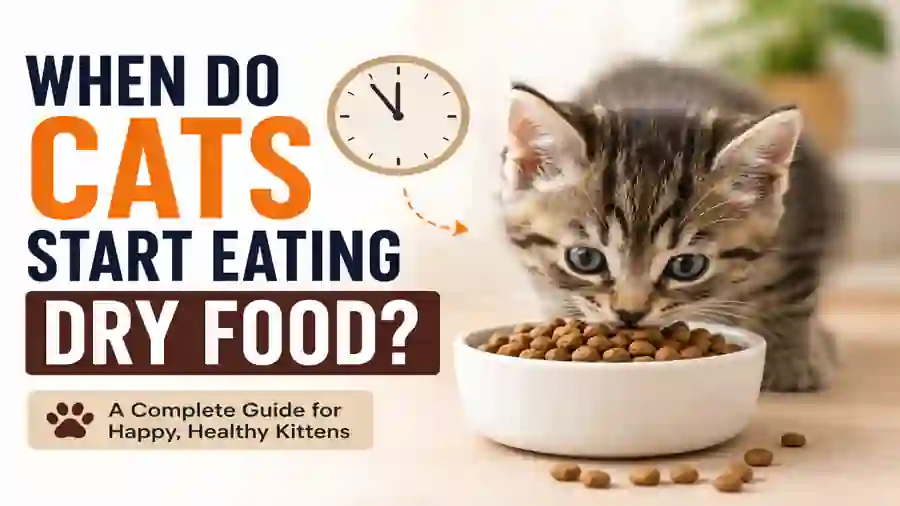
When Do Cats Start Eating Dry Food in 2026 (Easy Methods)
You’ve got a new litter of tiny kittens, or perhaps you’ve just brought home a little fuzzball who’s quickly growing into their paws. One of the biggest questions you’ll face is about their diet, specifically, when they can graduate from milk to something more substantial. Knowing when do cats start eating dry food is crucial for their proper development and ensuring they get the right nutrition at the right time.
Generally, kittens are ready to begin exploring solid foods, including dry kibble, when they reach about 4 to 6 weeks of age, coinciding with the start of their weaning process. This is a key developmental window, marked by the eruption of their baby teeth and a natural curiosity that drives them to investigate their mother’s food or anything else interesting they can nibble on. As of 2026, this age range remains the universally accepted guideline across veterinary recommendations and feline nutrition standards.
Quick Answer
Kittens typically start eating dry food around 4 to 6 weeks old. This age aligns with the weaning period. They need softened, soaked kibble initially.
Observe for teeth development and interest in solids. Consult a vet if unsure about your kitten’s readiness.
The Big Picture: Age and Development Milestones
Your kitten’s journey to solid food is a fascinating one, and age is the biggest factor. Those first few weeks are all about mom’s milk, providing everything they need. But around the 4-week mark, things start to shift.
Their bodies are getting ready for a new phase, and their digestive systems begin to mature. You’ll start to see physical changes that signal readiness, like those first tiny teeth peeking through their gums. This is nature’s way of saying, “Alright little one, time to explore new tastes and textures!” It’s a critical period for setting them up for a lifetime of good health.
Understanding the Transition: What “Starting” Dry Food Means
When we talk about kittens “starting” dry food, it doesn’t mean you just plop a bowl of crunchy kibble in front of them and expect them to crunch away. For young kittens, especially those around 4-6 weeks old, dry kibble needs a little preparation to be suitable for their underdeveloped jaws and less experienced chewing skills. The goal is to make it palatable and easy for them to ingest.
This involves gradually introducing them to solid textures. You’re essentially teaching them how to eat, chew, and swallow foods that aren’t liquid. This process sets the stage for their future dietary habits and ensures they get the necessary nutrients from solid food sources.
Signs Your Kitten is Ready for Kibble
So, how do you tell if your tiny furball is ready to trade milk for kibble, or at least start mixing it in? It’s all about observing their development and instincts. You’re looking for a combination of physical readiness and behavioral cues that indicate they’re exploring beyond just nursing.
Are Their Baby Teeth Coming In?
One of the most significant physical indicators is the eruption of their baby teeth, also known as deciduous teeth. Kittens typically start getting their incisors (the small front teeth) around 2 to 3 weeks of age. By the 4 to 6-week mark, they’ll likely have their canines (the pointy ones) and premolars coming in.
These emerging teeth are crucial because they give kittens the ability to start gnawing and breaking down solid food. If you gently feel around their gums, you might be able to feel the little points of their new teeth, confirming they have the basic tools needed for chewing.
Are They Showing Food Curiosity?
Kittens are naturally curious creatures, and this trait really blossoms as they approach the 4-week mark. You’ll notice them becoming more interested in what their mother is eating. They might follow her around, peer into her food bowl, or even try to take a tentative lick or nibble if the opportunity arises.
This burgeoning interest in solid food is a strong sign that they are mentally and physically preparing to transition away from milk. Their curiosity drives them to explore the world with their mouths, making them more receptive to trying new food textures and flavors.
Are They Getting Weaned?
The process of weaning, where a kitten transitions from nursing on their mother’s milk to eating solid food, typically begins around 4 weeks and is often completed by 8 weeks of age. If your kitten is actively starting to nurse less and showing more interest in solids, it’s a clear indication they are in the weaning phase. This gradual shift is the ideal window for introducing softened dry kibble.
They are naturally reducing their milk intake, so providing an appealing and easy-to-eat solid food option supports this crucial developmental stage and ensures they continue to receive adequate nutrition. For more on a kitten’s dietary timeline, see our guide on the best cat food for 6 month old kitten.
How to Introduce Dry Food: A Step-by-Step Approach
Introducing dry food to kittens is a gradual process, not an overnight switch. You’ll want to make it as easy and appealing as possible for their developing systems. This means starting with a modified version of kibble and slowly adjusting it.
Step 1: Soaking the Kibble
For kittens between 4 and 6 weeks old, dry kibble is usually too hard and dry for them to eat comfortably. The first step is to soften it significantly. Take the dry kibble your veterinarian recommends or that is specifically formulated for kittens, you can learn more about what is kibble cat food in our guide.
Place a small portion in a clean bowl and add warm water or, for very young kittens, kitten milk replacer. You want to aim for a consistency that is very mushy, almost like a gruel or porridge. Let it sit for a few minutes until the kibble fully absorbs the liquid and breaks down.
This makes it easier to lick and swallow, reducing the risk of choking and making it more digestible for their sensitive stomachs.
Step 2: Offering the Mushy Mix
Once you have your soaked kibble mixture, present it to your kitten in a shallow dish or a very low-sided bowl. At this stage, they might just sniff at it, lick it cautiously, or try to play with it. Don’t be discouraged if they don’t immediately dive in.
Many kittens will need a few attempts to get used to the new texture and smell. You can gently dip their paw into the mush and place it near their mouth or lightly smear a tiny bit on their gums to encourage them to taste it. Offer this softened food a couple of times a day, in addition to nursing or their mother’s milk.
Step 3: Gradually Reducing Liquid
As your kitten becomes more comfortable with the softened kibble and starts eating it more readily, you can slowly begin to reduce the amount of liquid you add. Over several days or a week, decrease the water or milk replacer ratio. You’re moving from a very mushy consistency to a firmer, but still moist, texture.
This gradual adjustment helps their digestive system adapt and strengthens their chewing muscles. Eventually, you’ll be able to offer kibble that is only lightly moistened, and then, as they grow older and their teeth are fully developed (typically by 8-10 weeks), they should be able to eat dry kibble as is.
When to Stick with Wet Food or Consult Your Vet
While kittens can start eating dry food around 4 to 6 weeks, it’s not always a straight path. Sometimes, sticking with wet food or getting professional advice is the best course of action. This is especially true if your kitten has specific dietary needs or is still very dependent on their mother’s milk.
Delaying the transition to dry kibble in these cases can prevent potential health issues and ensure proper development.
Issues with Active Nursing
If a kitten is still very much attached to nursing and shows little to no interest in solid food, pushing them towards dry kibble might be counterproductive. Kittens that are still heavily reliant on their mother’s milk need to continue receiving those benefits. Over-enthusiastic weaning can lead to stress, digestive upset, or even nutritional deficiencies if they aren’t getting enough calories from their new solid food.
It’s best to let them gradually decrease their nursing time naturally. Our research indicates kittens can nurse up to 8, 10 weeks. If they’re still enthusiastically nursing past 6 weeks, consult your vet about the best weaning timeline.
Specific Health Concerns
Certain health conditions can impact when and how a kitten can transition to dry food. Kittens with congenital issues affecting their mouth or digestive tract, or those diagnosed with allergies or sensitivities, may require specialized diets. Some cats have delicate stomachs that could be upset by the change in texture or ingredients in dry food, even if soaked.
Your veterinarian will assess the kitten’s overall health, considering any pre-existing conditions or allergies, before recommending a diet plan. They might suggest a specific type of kitten wet food or a prescription diet. For instance, best cat food for anemic cats might involve specific nutrient profiles that aren’t always met by a standard dry kibble.
Always follow their guidance rigorously.
Expert Tips for a Smooth Transition
Making the switch to dry food for your kitten can be a rewarding experience when done correctly. Our research and review of veterinary guidelines highlight several best practices. These tips focus on making the transition as stress-free and beneficial as possible for your young feline.
-
Choose High-Quality Kitten Kibble: Not all dry foods are created equal. Opt for a reputable brand with a kitten specific formula . These are designed with the right balance of proteins, fats, and essential nutrients for growing felines. Look for options where meat is the first ingredient.
-
Introduce Gradually: Don’t replace all their current food with dry kibble overnight. Begin by mixing a small amount of the softened kibble into their wet food or milk replacer. Slowly increase the ratio of dry to wet over several days.
-
Monitor for Digestive Upset: Keep an eye on your kitten’s stool. Any sudden changes, like diarrhea or constipation, could indicate their system isn’t adjusting well. If you notice issues, slow down the transition or revert to a more familiar food temporarily.
-
Ensure Plenty of Water: Dry food contains less moisture than wet food. Make sure your kitten has constant access to fresh, clean water. Some kittens are encouraged to drink more if a water fountain is used.
-
Consistency is Key: Try to feed your kitten at regular times each day. This helps establish a routine and aids digestion. Consistency also makes it easier to monitor their intake and spot any potential problems.
Common Mistakes to Avoid When Introducing Kibble
While introducing dry food is a normal step, some common missteps can cause frustration for both you and your kitten. Avoiding these pitfalls will make the process smoother and ensure your kitten thrives.
-
Switching Too Quickly: The biggest mistake is rushing the process. Kittens have sensitive digestive systems. A rapid change from milk or wet food to dry kibble can lead to vomiting, diarrhea, or refusal to eat. A gradual transition, often taking a week or more, is essential.
-
Not Soaking for Young Kittens: Failing to soften kibble for kittens under 6, 7 weeks old is another common error. They lack the developed teeth and chewing strength to masticate dry kibble adequately. This can result in them swallowing large pieces whole, which can lead to choking or digestive blockages.
-
Ignoring Refusal to Eat: If your kitten consistently turns their nose up at the new food, forcing them to eat it won’t help. It’s a sign something isn’t right, perhaps the texture, the flavor, or they’re simply not ready. Revert to a more appealing option and try again after a break.
-
Providing Insufficient Water: Dry food lacks the moisture content of wet food. If you don’t ensure adequate water intake, your kitten can become dehydrated. Always have fresh water available, and consider a pet fountain to encourage drinking.
Your Veterinarian: The Ultimate Guide
Your veterinarian is your most valuable resource when it comes to your kitten’s diet and health. They can provide personalized advice tailored to your specific kitten’s needs, breed, and any underlying health conditions. Don’t hesitate to schedule a consultation if you have any doubts or concerns.
During your visit, your vet can:
-
Assess Physical Development: They’ll check your kitten’s weight, teeth, and overall physical condition to confirm they are ready for solid food.
-
Recommend Appropriate Foods: Based on reputable feline nutrition standards, your vet can suggest specific brands or types of kitten dry food and wet food that are high-quality and nutritionally balanced.
-
Guide the Transition: They can offer a detailed plan for weaning and transitioning to dry food, including ratios and timelines.
-
Address Health Issues: If your kitten has any allergies, sensitivities, or health problems, your vet will provide dietary recommendations to manage these conditions effectively.
-
Answer Specific Questions: You can ask about portion sizes, feeding schedules, or any unusual behaviors you’re observing. They can also explain caloric needs, which are higher for kittens and change as they grow, something like understanding how many calories in canned cat food is best discussed with a professional.
Relying on your veterinarian’s expertise ensures your kitten receives the best possible start to a healthy life, built on appropriate nutrition from the earliest stages.