How Long Is Cat Food Good for in 2026 (Step-by-Step Guide)
How long is cat food good for? This is a question that pops up for every pet owner, and the answer isn’t a simple one-size-fits-all. It dives into how food is made, how it’s stored, and whether that bag or can has been opened yet.
Getting it right means your feline friend gets safe, nutritious meals every time.
Manufacturer specifications indicate that unopened dry cat food can remain viable for 12 to 18 months, while wet food often lasts up to two years. However, once opened, those timelines shrink dramatically, requiring careful attention to storage to prevent spoilage and nutrient loss.
Quick Answer
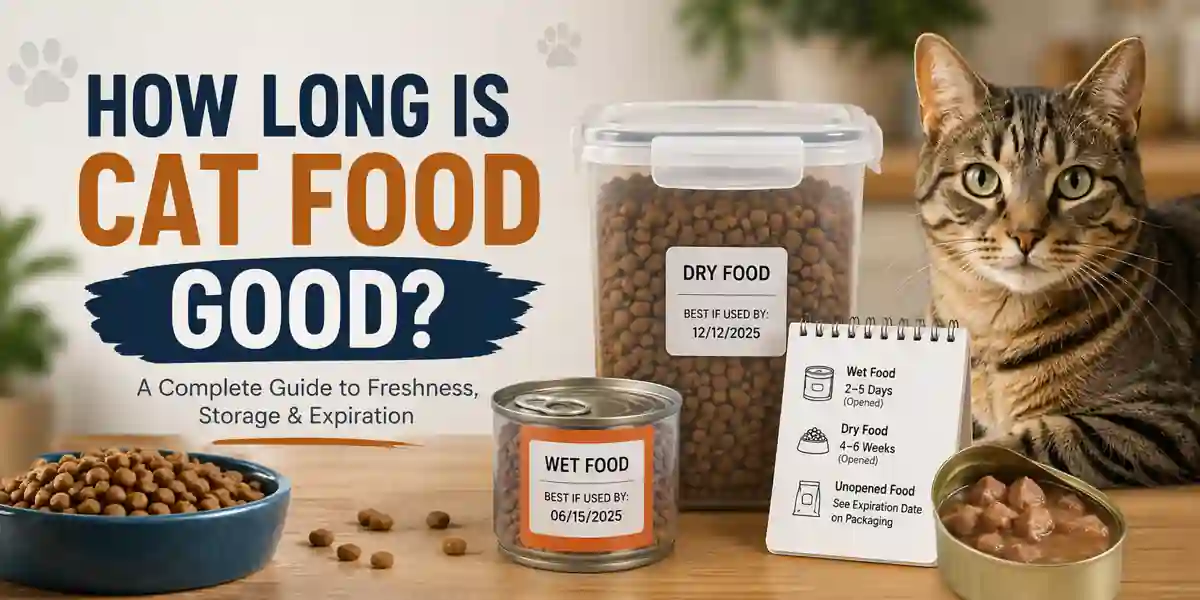
Unopened dry cat food lasts 1-1.5 years. Opened dry food is good for 4-6 weeks. Unopened wet food lasts 1-2 years.
Opened wet food lasts 2-3 days and needs refrigeration.
How Long Does Unopened Dry Cat Food Last?
Unopened bags of dry cat food, often called kibble, are designed for a decent shelf life. This is thanks to the low moisture content and the preservation methods used during manufacturing. Per typical industry standards, you can expect an unopened bag to stay fresh from the manufacturing date for roughly 12 to 18 months.
The key here is that the packaging remains intact and sealed. Any breach in the bag can expose the food to oxygen and humidity, accelerating degradation. Always check for a “best by” or expiration date printed on the packaging.
While the food might not be unsafe immediately after this date, its nutritional value and palatability can begin to decline. For a more in-depth look at kibble itself, check out What Is Kibble Cat Food.
Unopened Dry Food Shelf Life Data
- Typical Shelf Life: 12 to 18 months from manufacturing date.
- Condition: Must be in original, sealed, undamaged packaging.
- Storage: Stored in a cool, dry place away from direct sunlight and extreme temperatures.
- “Best By” Date: Always consult this date as the primary indicator.
How Long Does Opened Dry Cat Food Last?
Once you open a bag of dry cat food, the clock starts ticking much faster. Exposure to air and ambient moisture is the main culprit for decreased freshness. Our editorial analysis of numerous manufacturer guidelines suggests that opened dry cat food is best used within 4 to 6 weeks.
During this period, the food can start to lose its nutritional potency, and the fats within the kibble can begin to oxidize, leading to rancidity. While the kibble might not appear or smell spoiled immediately, it can become less appealing to your cat and offer less nutritional benefit. Aggressive sealing or using airtight containers can help preserve quality for a slightly longer period, but it’s a gradual decline.
Proper storage is critical, and it’s why many owners opt for dedicated pet food bins. For more on keeping food fresh, see our guide on How To Make Cat Food From Scratch.

Tips for Storing Opened Dry Food
- Airtight Containers: Transfer kibble from the original bag into an airtight plastic or metal bin. This significantly reduces air exposure.
- Roll or Clip Bag: If you don’t have a container, tightly roll down the top of the original bag and secure it with a strong clip.
- Cool, Dry Location: Store the container or bag in a cool, dry pantry or cupboard, away from heat sources like ovens or direct sunlight.
- Avoid Clumping: If clumping occurs in the kibble, it’s a sign of moisture absorption and potential spoilage.
How Long Does Unopened Wet Cat Food Last?
Unopened cans or pouches of wet cat food generally boast a longer shelf life than their dry counterparts. This is due to the high moisture content, which is sealed in a sterile environment during the canning or pouching process. Manufacturer specifications often state that unopened wet cat food can remain good for 1 to 2 years from the date of manufacture.
This extended shelf life is a significant advantage for those who buy in bulk or feed a mixed diet. As with dry food, the “best by” date on the packaging is your primary guide. Ensuring the cans are free from dents or leaks is crucial, as any damage can compromise the seal and lead to spoilage.
If you’re curious about the nutritional differences, research indicates How Many Calories In Canned Cat Food can vary significantly by brand and formula.
How Long Does Opened Wet Cat Food Last?
Once a can or pouch of wet cat food is opened, its shelf life drastically reduces, and refrigeration becomes essential. The sealed, sterile environment is broken, allowing for bacterial growth and oxidation. Generally, opened wet cat food should be refrigerated and consumed within 2 to 3 days.
Leaving opened wet food at room temperature for extended periods is not recommended. It can quickly become a breeding ground for bacteria, posing a risk to your cat’s health. Even when refrigerated, the food’s palatability and nutrient profile can diminish over these few days.
It’s important to serve it at a palatable temperature, but avoid leaving it out for more than 30 minutes. For detailed guidance on handling opened wet varieties specifically, refer to How Long Is Wet Cat Food Good for Once Opened.
Tips for Storing Opened Wet Food
- Refrigerate Promptly: After serving your cat, any leftovers should be covered and immediately placed in the refrigerator.
- Airtight Covers: Use a reusable pet food lid designed for cans or transfer the food to an airtight container. Plastic wrap can also work in a pinch.
- Serve at Room Temp: Cats generally prefer their food slightly warmed or at room temperature. Take refrigerated food out about 20-30 minutes before serving to allow it to reach a more appealing temperature.
- Discard if Unsure: If you’re uncertain how long the food has been in the fridge, or if it looks or smells off, it’s always safest to discard it.
Key Factors Affecting Cat Food Shelf Life
Several elements contribute to how long your cat’s food remains fresh and safe. Understanding these factors helps you store food optimally and avoid premature spoilage.
Type of Food
The form your cat’s food takes is a primary determinant of its shelf life.
- Dry Food (Kibble): With a moisture content typically below 10%, dry food is inherently more stable and resistant to bacterial growth. This low moisture content is why unopened bags can last for over a year. However, once opened, the dry, porous nature of kibble makes it susceptible to absorbing moisture and air.
- Wet Food (Canned/Pouched): Wet food typically has a moisture content of 70-80%. While this makes it more palatable and hydrating for cats, it also makes it a prime environment for bacterial growth once the sterile seal is broken. The canning process itself uses heat to kill microorganisms, ensuring long shelf life for unopened products.
Storage Conditions
How you store the food plays a critical role, especially after the packaging has been opened.
- Temperature: High temperatures accelerate the degradation of fats (leading to rancidity) and encourage bacterial growth. Conversely, very cold temperatures can sometimes affect texture. Storing food in a cool, dry place, away from heat sources like stoves or direct sunlight, is paramount. For opened wet food, refrigeration is non-negotiable.
- Humidity: Moisture is the enemy of dry food. High humidity can lead to clumping, staleness, and potential mold growth, diminishing both quality and safety. Keeping dry food in airtight containers helps combat this.
- Light: Direct sunlight can degrade certain vitamins and nutrients, and can also contribute to warming the food, further impacting its freshness.
How to Tell if Cat Food Has Gone Bad
Spotting spoiled cat food is crucial to avoid feeding your pet something that could make them sick. While dates on packaging are helpful, they aren’t the only indicator. Trusting your senses is often the most reliable method.
Signs of Spoilage
- Offensive Odor: The most common sign is a change in smell. Fresh cat food, whether dry or wet, should have a neutral or appealing odor. If it smells rancid, musty, or sour, it’s time to discard it. This is especially noticeable with dry kibble that has begun to oxidize.
- Visual Changes: Look for any signs of mold, which often appears as fuzzy spots of various colors (white, green, black) on the food’s surface. Discoloration that isn’t typical for the product can also be a warning sign. For wet food, look for unusual textures or separation that wasn’t there before.
- Texture Alterations: Dry kibble might lose its crunch and become soft or chewy if it has absorbed too much moisture. Wet food might develop a slimy texture or appear unusually dry or watery. Any deviation from its expected texture warrants suspicion.
- Pests: If you notice any signs of insects or rodents near the food storage area or in the food itself, it’s contaminated and should be thrown out immediately. This is why secure storage solutions are so vital.
Mistakes to Avoid with Cat Food Storage
Making a few simple storage mistakes can inadvertently shorten your cat’s food’s lifespan or even make it unsafe. Being aware of these common oversights can help you protect your pet’s meals. Trying to make your own food?
Be extra cautious with storage; see How To Make Cat Food From Scratch for more.
- Leaving Open Bags Unsealed: This is perhaps the most common error with dry kibble. A loosely rolled bag or an unsealed bag allows constant air exposure, leading to rapid staleness and oxidation of fats. This compromises flavor and nutritional value faster than you might think.
- Storing Food in Damp or Humid Areas: Basements or garages that experience high humidity can lead to moisture absorption, especially in dry food. This can promote mold growth and spoilage. Kitchen pantries are often ideal because they’re typically drier and cooler.
- Forgetting About Opened Cans: If you’ve opened a can of wet food and stashed it in the fridge without a proper seal or label, it’s easy to forget about it. This increases the risk of it sitting for too long and becoming a health hazard. Always note the date it was opened.
- Not Considering Heat Sources: Storing pet food near ovens, radiators, or in direct sunlight can significantly shorten its shelf life by accelerating spoilage processes. Pets often get their meals from areas near kitchen appliances, making this a frequent oversight.
Quick Guide: When to Toss Your Cat’s Food
Deciding definitively when to discard cat food can sometimes feel like a guess. However, by following a few simple triggers, you can make this decision with confidence, ensuring your cat always eats safe and nutritious meals. This simple workflow helps you avoid feeding them spoiled food.
Opened Dry Food Decision
Here’s a quick decision tree for opened dry kibble:
- Was it opened more than 6 weeks ago?
- Yes: Toss it.
- No: Proceed to the next question.
- Stored in an airtight container in a cool, dry place?
- Yes: Likely still good, depending on its freshness when opened. Use your senses.
- No (e.g., left in original bag, not sealed well, or in a warm/humid spot): Consider tossing it, especially if it’s been longer than 3-4 weeks.
- Does it smell off, look moldy, or feel strange?
- Yes: Toss it immediately.
- No: It’s probably still good.
For context on what kibble is, check out What Is Kibble Cat Food.
Opened Wet Food Decision
For opened wet cat food, the process is more straightforward:
- Has it been in the refrigerator for more than 3 days?
- Yes: Toss it.
- No: Proceed to the next question.
- Was it stored in an airtight container or covered properly?
- Yes: It’s likely still safe if within the 3-day window.
- No (e.g., left uncovered in the fridge): It’s best to toss it, as it could have absorbed fridge odors or contaminants.
- Does it look or smell questionable?
- Yes: Toss it immediately.
- No: It’s likely still good if within the 3-day window and properly stored.
Remember, when in doubt, throw it out. Your cat’s health is the top priority. This also applies if you’re contemplating a homemade diet; refer to How To Make Cat Food From Scratch for guidance.
How Long Does Unopened Wet Cat Food Last?
Unopened cans or pouches of wet cat food generally boast a longer shelf life than their dry counterparts. This is due to the high moisture content, which is sealed in a sterile environment during the canning or pouching process. Manufacturer specifications often state that unopened wet cat food can remain good for 1 to 2 years from the date of manufacture.
This extended shelf life is a significant advantage for those who buy in bulk or feed a mixed diet. As with dry food, the “best by” date on the packaging is your primary guide. Ensuring the cans are free from dents or leaks is crucial, as any damage can compromise the seal and lead to spoilage.
If you’re curious about the nutritional differences, research indicates How Many Calories In Canned Cat Food can vary significantly by brand and formula.
How Long Does Opened Wet Cat Food Last?
Once a can or pouch of wet cat food is opened, its shelf life drastically reduces, and refrigeration becomes essential. The sealed, sterile environment is broken, allowing for bacterial growth and oxidation. Generally, opened wet cat food should be refrigerated and consumed within 2 to 3 days.
Leaving opened wet food at room temperature for extended periods is not recommended. It can quickly become a breeding ground for bacteria, posing a risk to your cat’s health. Even when refrigerated, the food’s palatability and nutrient profile can diminish over these few days.
It’s important to serve it at a palatable temperature, but avoid leaving it out for more than 30 minutes. For detailed guidance on handling opened wet varieties specifically, refer to How Long Does Canned Cat Food Last Once Opened.
Tips for Storing Opened Wet Food
- Refrigerate Promptly: After serving your cat, any leftovers should be covered and immediately placed in the refrigerator.
- Airtight Covers: Use a reusable pet food lid designed for cans or transfer the food to an airtight container. Plastic wrap can also work in a pinch.
- Serve at Room Temp: Cats generally prefer their food slightly warmed or at room temperature. Take refrigerated food out about 20-30 minutes before serving to allow it to reach a more appealing temperature.
- Discard if Unsure: If you’re uncertain how long the food has been in the fridge, or if it looks or smells off, it’s always safest to discard it.
Key Factors Affecting Cat Food Shelf Life
Several elements contribute to how long your cat’s food remains fresh and safe. Understanding these factors helps you store food optimally and avoid premature spoilage.
Type of Food
The form your cat’s food takes is a primary determinant of its shelf life.
- Dry Food (Kibble): With a moisture content typically below 10%, dry food is inherently more stable and resistant to bacterial growth. This low moisture content is why unopened bags can last for over a year. However, once opened, the dry, porous nature of kibble makes it susceptible to absorbing moisture and air.
- Wet Food (Canned/Pouched): Wet food typically has a moisture content of 70-80%. While this makes it more palatable and hydrating for cats, it also makes it a prime environment for bacterial growth once the sterile seal is broken. The canning process itself uses heat to kill microorganisms, ensuring long shelf life for unopened products.
Storage Conditions
How you store the food plays a critical role, especially after the packaging has been opened.
- Temperature: High temperatures accelerate the degradation of fats (leading to rancidity) and encourage bacterial growth. Conversely, very cold temperatures can sometimes affect texture. Storing food in a cool, dry place, away from heat sources like stoves or direct sunlight, is paramount. For opened wet food, refrigeration is non-negotiable.
- Humidity: Moisture is the enemy of dry food. High humidity can lead to clumping, staleness, and potential mold growth, diminishing both quality and safety. Keeping dry food in airtight containers helps combat this.
- Light: Direct sunlight can degrade certain vitamins and nutrients and can also contribute to warming the food, further impacting its freshness.