Why Won’t My Cat Eat Dry Food? Complete Guide
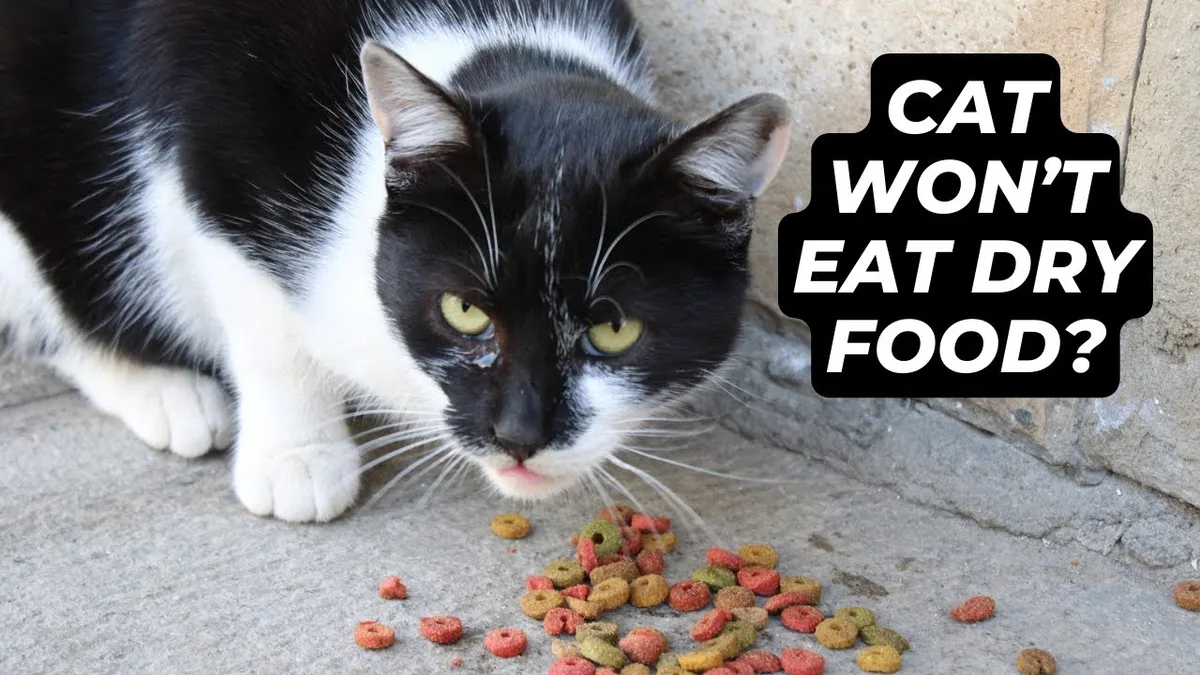
If you’re wondering why won’t my cat eat dry food, you’re not alone, and this is a situation you shouldn’t brush off. Cats can be picky, sure, but a sudden refusal of kibble often points to something deeper, pain, illness, or a problem with the food itself. Figuring out which one is the difference between a quick fix and a vet visit.
Here’s what makes this tricky: cats hide pain instinctively. That’s survival wiring from their wild ancestors. What looks like a cat being fussy about dinner is often a cat trying not to show it hurts to chew.
And the clock matters. A healthy cat can go about 24 hours without eating safely. Beyond 48 hours, a condition called hepatic lipidosis (fatty liver disease) can start developing.
That’s serious and requires veterinary treatment. So let’s walk through what’s actually going on and how to tell the difference between pickiness, pain, and a medical problem.
The Real Urgency Behind a Cat Not Eating Dry Food
This isn’t about your cat being dramatic at dinnertime. A cat that refuses dry food but still eats wet food is giving you a clue, the crunch is the problem, not the food itself. Think about what chewing dry kibble requires: pressure on teeth, gums, and the jaw.
If any part of that hurts, your cat learns fast to avoid it.
The real urgency comes down to two things. First, cats can’t go long without eating without risking their liver. Second, the cause might be progressive.
Dental disease doesn’t get better on its own. Kidney disease doesn’t wait. The sooner you identify the branch on the decision tree, the better the outcome.
This is why we treat “won’t eat dry food” as a diagnostic clue, not a behavioral quirk. It’s a signal to investigate.
Quick Answer: The 24-Hour Rule You Need to Know
Here’s your bottom line. If your cat stops eating dry food but eats wet food, you have 24 to 48 hours to figure out why. If your cat stops eating everything, call your vet that day.
The most common reasons, in order of likelihood:
- Dental pain or oral disease (tooth resorption, gingivitis, stomatitis)
- Medical illness (kidney disease, hyperthyroidism, diabetes, nausea)
- Food-related issues (stale kibble, rancid fats, wrong bowl shape)
- Stress or routine change (new home, new pet, schedule shift)
- Behavioral pickiness (least common, but possible)
If your cat is eating wet food but refusing dry, start with the mouth. If your cat is eating nothing at all, skip straight to the vet.
Is It Pickiness or Pain? How to Tell the Difference
This is the most important question you’ll answer. The good news is the clues are usually clear once you know what to look for.
Signs of Dental Pain
Your cat can’t tell you their tooth hurts, but their behavior will. Watch for:
- Drooling more than usual, or drool with a tinge of blood
- Pawing at the mouth after eating
- Chewing slowly or tilting the head to one side
- Food falling out of the mouth while eating
- Bad breath that’s stronger than typical cat breath
- Red, swollen gums or visible tartar buildup
If you see any of these, the odds are high your cat has a dental issue. Tooth resorption, where the tooth structure erodes from the inside, is especially common and painful. It often gets missed because the tooth crown can look normal until the disease is advanced.
Signs of Medical Illness (Beyond the Mouth)
Sometimes the problem isn’t the mouth at all. Medical issues can cause nausea, reduced appetite, or a change in what textures a cat will tolerate.
- Kidney disease often makes cats feel nauseous. They may refuse dry food first because it’s less appealing when they feel queasy.
- Hyperthyroidism can cause weight loss despite a good appetite, but some cats become picky or lose interest in certain textures.
- Diabetes can cause fluctuating appetite, some cats eat ravenously, others go off food.
The key difference from dental pain is that medical illness usually affects all eating, not just dry food. If your cat has no interest in wet food either, don’t wait.
Signs of Behavioral Pickiness
True pickiness is real, but it’s less common than cat owners think. Here’s what it looks like:
- Your cat checks the bowl, sniffs, and walks away, but comes running for treats
- The food has been sitting open for weeks and may be stale
- Your cat has always been a grazer and is simply eating less today
- There’s a new food brand, flavor, or texture they don’t like
The test is simple. Offer a small amount of warm wet food. If they eat it eagerly, the dry food itself is the issue, either stale, painful to chew, or something about the bowl is bothering them.
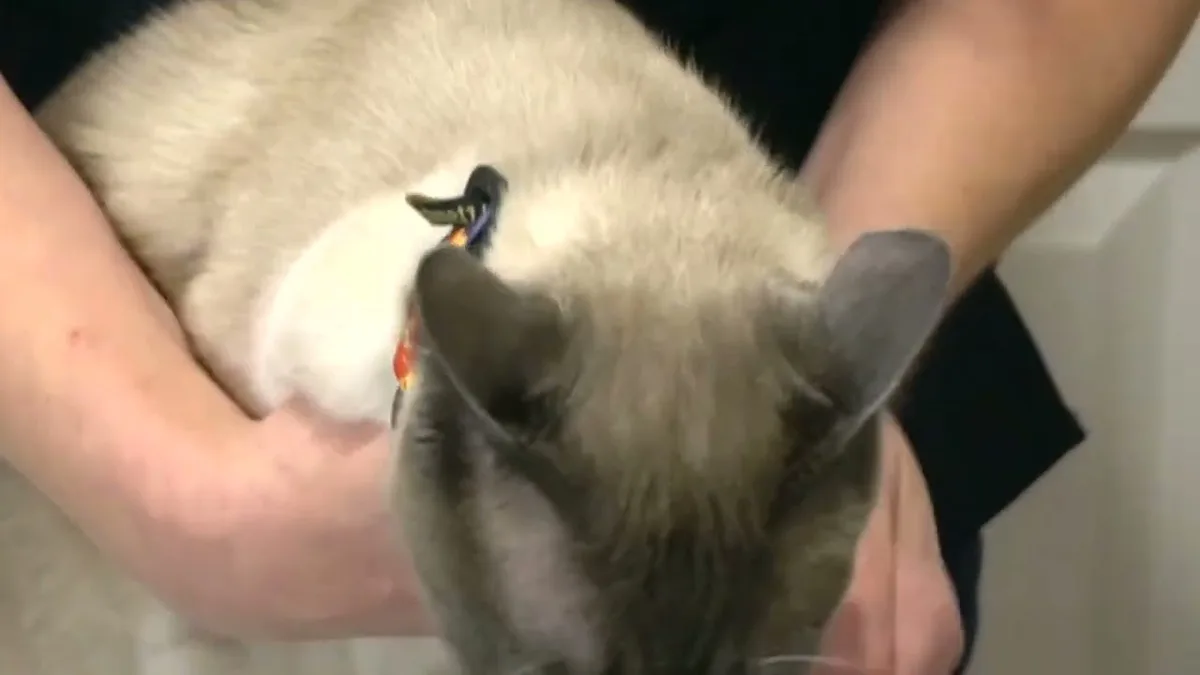
First Check: The Mouth Inspection
Before you change the food or bowl, look inside your cat’s mouth. This is step one, and it’s something you can do at home with good lighting and patience.
What to Look For
Lift your cat’s lip gently on one side. Here’s what should raise a flag:
- Red or swollen gums along the gumline, this is gingivitis
- Dark red patches on the gums or roof of the mouth, could be stomatitis
- Visible tartar, brown or yellow crust on the teeth near the gumline
- Missing or broken teeth, especially if the gum looks red around the gap
- Drooling or excessive swallowing, while you look
Why Tooth Resorption Is Often Missed
Tooth resorption is one of the most common dental diseases in cats, affecting up to 60% of older cats according to research from the Cornell Feline Health Center. The problem is that it starts at the root, below the gumline. The tooth can look perfectly fine from the outside while it’s being destroyed internally.
Signs of tooth resorption include:
- A small pink dot or line on the tooth near the gum
- Your cat chewing with only one side of the mouth
- Avoiding crunchy food entirely
- Acting fine otherwise, because cats are masters at hiding pain
If you suspect tooth resorption, a veterinary dental exam under anesthesia is the only way to confirm it. X-rays are needed to see what’s happening below the gumline.
Second Check: The Bowl and Feeding Setup
You might think a bowl is just a bowl. Cats don’t agree. The shape, material, and depth can make a huge difference in whether they’ll eat from it.
This is especially true for dry food, where the sides of the bowl can rub against whiskers with every bite.
Whisker Fatigue: The Deep Bowl Problem
Whisker fatigue isn’t a made-up term. A cat’s whiskers are deeply sensitive, they pick up vibrations, air currents, and spatial information. When a cat eats from a deep, narrow bowl, those whiskers brush against the sides every time they lower their head.
For some cats, that sensation is genuinely irritating or even painful.
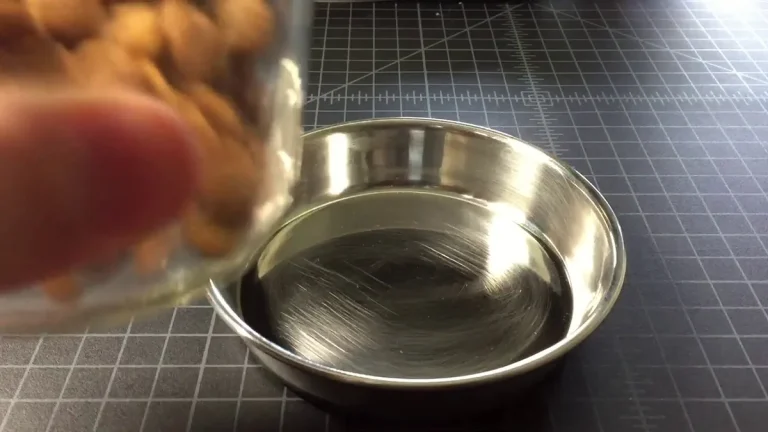
The solution is simple: switch to a wide, shallow bowl. Think more like a saucer and less like a cereal bowl. If your cat has been eating from a standard bowl and suddenly refuses dry food, try a flat dish or a specially designed whisker-friendly bowl for a few days.

Bowl Material and Chin Acne
Plastic bowls are problematic for many cats. They develop tiny scratches over time that trap bacteria. This can lead to chin acne, those little black bumps under the chin that look like dirt but are actually clogged follicles.
Chin acne can make eating uncomfortable.
Safer options are ceramic or stainless steel. Both are non-porous, easier to clean, and don’t hold odors the way plastic does. If you’ve been using a plastic bowl and notice any chin irritation, switching materials can resolve both the acne and the food refusal.
Bowl Placement and Stress Triggers
Where you put the bowl matters too. Cats are wired to feel vulnerable while eating. A bowl placed in a high-traffic area, near a noisy appliance, or right next to the litter box can create low-grade stress that puts your cat off their food.
Try moving the bowl to a quiet corner. Keep it away from the washing machine, the dishwasher, and any spot where the dog can wander by. In multi-cat households, each cat should have their own feeding station where they can eat without being watched.
Third Check: The Kibble Itself
Sometimes the problem isn’t the cat. It’s the food. Dry kibble has a shorter shelf life than most people realize, and once it goes stale, your cat’s sensitive nose will reject it long before you notice anything wrong.
Stale or Rancid Fat: How to Smell the Difference
Kibble is sprayed with fats and oils to make it palatable. Those fats oxidize over time. The result is rancidity, and cats can detect it at levels humans can’t.
Here’s the test. Open the bag and take a deep sniff. If it smells like old cooking oil, play dough, or has any sour note, the fat has turned.
That batch is unpalatable to your cat. Even if it’s within the printed expiration date, poor storage (heat, humidity, light) can accelerate rancidity.
A few practical tips from our research:
- Always reseal the bag tightly after each use. Clip it or transfer to an airtight container.
- Store kibble in a cool, dry place. Not above the fridge (heat rises) or in a garage (temperature swings).
- Buy smaller bags if your cat eats slowly. A 15-pound bag that sits open for two months is a prime candidate for rancidity.
Manufacturer guidelines generally recommend using dry food within 4 to 6 weeks of opening. If you can’t remember when you opened that bag, replace it.
Temperature Preferences and Why Cold Kibble Flips
Cats are wired to prefer food at around body temperature, roughly 100°F. That’s the temperature of fresh prey. Cold kibble straight from a garage or pantry can be less appealing by comparison.
Try warming the kibble slightly. Add a tablespoon of warm water and let it sit for 30 seconds. Don’t microwave dry kibble alone; it can create hot spots.
The warmth releases aroma compounds that make the food more enticing.
Kibble Size and Shape Problems
Not all kibble is created equal. Some brands use large, hard chunks that are difficult for senior cats or cats with dental issues to chew. Others use tiny, sharp-edged pieces that can irritate sensitive gums.
If you’ve recently switched to a new food with larger or harder kibble, that alone could explain the refusal. Compare the kibble size to the previous bag. If it’s noticeably bigger, that may be the issue, especially for an older cat.
The Decision Tree: What to Do Next
This is where we turn all that observation into action. Read each branch and find the one that matches your cat’s behavior. Then follow the recommended steps.
Branch 1: Cat Eats Wet Food but Not Dry
This is the most common scenario. Your cat is willing to eat, but something about the dry food is off.
Likely causes: Dental pain, whisker fatigue, stale kibble, or food aversion.
What to do:
- Switch to a wide, shallow bowl immediately.
- Check kibble freshness. If the bag is older than 4 to 6 weeks, buy a fresh one.
- Try softening the kibble with warm water (details in the next section).
- Inspect your cat’s mouth for redness, drooling, or pawing at the face.
- If none of these work within 48 hours, schedule a vet dental check.
Branch 2: Cat Eats Nothing at All
This branch is more urgent. A cat that refuses both wet and dry food is likely dealing with nausea, pain, or systemic illness.
What to do:
- Do not wait 48 hours. Call your vet today.
- Offer a small amount of plain boiled chicken or a veterinary recovery food if you have it.
- Watch for hiding, lethargy, vomiting, or diarrhea.
- If your cat hasn’t eaten in 24 hours and you can’t get a same-day vet appointment, consider an emergency clinic.
Per guidelines from the American Association of Feline Practitioners, any cat that stops eating for more than 24 hours should be evaluated by a veterinarian.
Branch 3: Cat Chews Then Drops the Kibble
This behavior is a strong indicator of oral pain. Your cat is hungry enough to try, but the act of chewing triggers discomfort.
Likely causes: Tooth resorption, gingivitis, a cracked tooth, or stomatitis.
What to do:
- Offer wet food in the short term to keep your cat eating.
- Schedule a veterinary dental exam. A visual check is not enough; dental X-rays are often needed.
- Do not assume it’s “just a sensitive tooth.” Cats don’t get temporary tooth sensitivity the way humans do.
Branch 4: Cat Only Eats Treats
This is a tricky one. Your cat may seem fine, they’re eating, after all, but this pattern can reinforce picky behavior.
Likely causes: Learned pickiness, stale food, or early-stage nausea where treats are still appealing.
What to do:
- Stop offering treats for 24 hours. See if hunger motivates eating the regular food.
- If your cat still refuses the main food but begs for treats, you’re dealing with a behavioral pattern.
- Try the softening trick. If that doesn’t work, gradually mix a small amount of wet food into the dry, reducing the wet over a week.
The “Softening Kibble” Trick That Actually Works
This is one of the most effective first steps for getting a cat to eat dry food again. It addresses two common problems at once: difficulty chewing and low aroma.
How Long to Soak and at What Temperature
The method is simple:
- Measure your cat’s usual portion of dry kibble.
- Add warm water, not hot, not boiling. Aim for around 100°F, roughly the temperature of a comfortable bath.
- Let it sit for 10 to 15 minutes. The kibble will absorb the water and soften significantly.
- Test one piece with your finger. It should mash easily.
The softened kibble releases more aroma, which makes it more appealing. It also requires less chewing force, which helps if your cat has mild dental discomfort.
When this works: For cats with early dental issues, whisker fatigue, or simply stale food that needs a boost.
When it won’t help: If the kibble itself is rancid, if your cat has significant oral pain, or if the problem is medical.
If your cat eats the softened kibble but not the dry version, you’ve confirmed that texture and chewing difficulty are part of the issue. That’s useful information for your vet.
Mistakes Most Owners Make
These are the common missteps we see in our research. Avoiding them can save you time, stress, and money.
Assuming It’s Just Pickiness and Waiting Too Long
This is the biggest one. A cat that refuses food is not being dramatic. Waiting a week to see if they “come around” can allow dental disease to worsen or allow hepatic lipidosis to take hold.
The 48-hour rule isn’t arbitrary. By day two without adequate food, a cat’s body begins mobilizing fat stores for energy. The liver isn’t designed to handle that load.
Fat accumulation in the liver cells can spiral into a medical emergency.
Switching Food Too Quickly
When owners panic about food refusal, the first instinct is to buy a new brand. That’s not wrong, but switching cold turkey can cause gastrointestinal upset, vomiting, diarrhea, or both. Now you have two problems.
If you want to try a new food, transition gradually over 5 to 7 days. Start with 25% new food mixed with 75% old food. Increase the ratio every couple of days.
Reinforcing Picky Behavior with Treats and Toppers
It’s natural to want your cat to eat something. So you offer treats, tuna juice, or a commercial topper. Your cat eats it.
You feel relieved. But you’ve just taught your cat that refusing kibble gets them the good stuff.
This doesn’t mean toppers are bad. They have their place, especially for cats with medical issues. But if the goal is to get your cat eating dry food again, use treats strategically.
Offer a small topper mixed into the kibble, not separately. Gradually reduce the amount over time.
When You Need a Vet (and What They’ll Check)
You can do a lot at home, but some situations require professional help. Here’s when to stop troubleshooting and start the car.
Call your vet if:
- Your cat hasn’t eaten anything for 24 hours
- There’s visible blood in the mouth or drool
- Your cat is lethargic, hiding, or vomiting
- You notice weight loss over a few days
- Your cat is pawing at the mouth repeatedly
- Your cat is drooling excessively
The Bloodwork Panel
Your vet will likely start with bloodwork. This checks:
- Kidney values (BUN and creatinine), kidney disease is common in older cats and often causes nausea
- Thyroid hormone levels, hyperthyroidism can affect appetite
- Blood glucose, to rule out diabetes
- Liver enzymes, to check for hepatic lipidosis or other liver issues
The Dental Exam Under Anesthesia
A visual exam while your cat is awake can miss a lot. Cats don’t like having their mouths handled. A thorough dental exam requires anesthesia so the vet can probe each tooth, check for pockets, and take dental X-rays.
This is how tooth resorption is diagnosed. Without X-rays, the disease often goes undetected until it’s advanced.
The 48-Hour Hepatic Lipidosis Warning
This deserves repeating. Hepatic lipidosis can develop after just two to three days of inadequate food intake in cats. It’s one of the most common serious liver diseases in cats, and it’s directly caused by anorexia.
Symptoms include yellowing of the gums or skin, lethargy, and vomiting. Treatment requires intensive veterinary care, often including a feeding tube. The prognosis is good with early treatment, but it’s entirely preventable by addressing food refusal promptly.
If you have a cat that’s overweight, the risk is higher. Fat cats mobilize fat stores more aggressively when they stop eating. Don’t wait to see if they’ll eat tomorrow.
Quick Decision Guide: Your Next Steps
Here’s a summary of what to do based on your cat’s behavior.
| If your cat is… | Most likely cause | Your first step | Vet threshold |
|---|---|---|---|
| Eating wet food, refusing dry | Dental pain, stale kibble, or bowl issue | Switch bowl, soften kibble, check freshness | 48 hours if no change |
| Eating nothing at all | Medical illness or nausea | Call vet immediately | 24 hours without food |
| Chewing and dropping kibble | Oral pain (tooth resorption) | Offer wet food, schedule dental exam | Within 48 hours |
| Only eating treats | Pickiness or early nausea | Stop treats for 24 hours, try softening | 48 hours if still refusing meals |
Frequently Asked Questions
How long can a cat go without eating dry food specifically?
A cat can go about 24 hours without any food before risk increases. If they’re eating wet food but not dry, the clock is less urgent. But if they refuse all food for 24 hours, call your vet.
Can I mix wet food with dry to get my cat to eat?
Yes. Mix a small amount of wet food into the dry kibble. Gradually reduce the wet over 7 to 10 days.
This works well for cats transitioning back to dry food after a picky phase.
Is it safe to soften kibble with water every day?
Yes. Softening kibble with warm water daily is safe. Just don’t let the soaked kibble sit out for more than 30 minutes.
Bacteria can grow quickly in moist food at room temperature.
What if my cat has always eaten dry food and suddenly stops?
A sudden change like this is almost never “just a phase.” It signals pain, illness, or a problem with the food itself. Follow the decision tree above and see your vet if it persists beyond 48 hours.