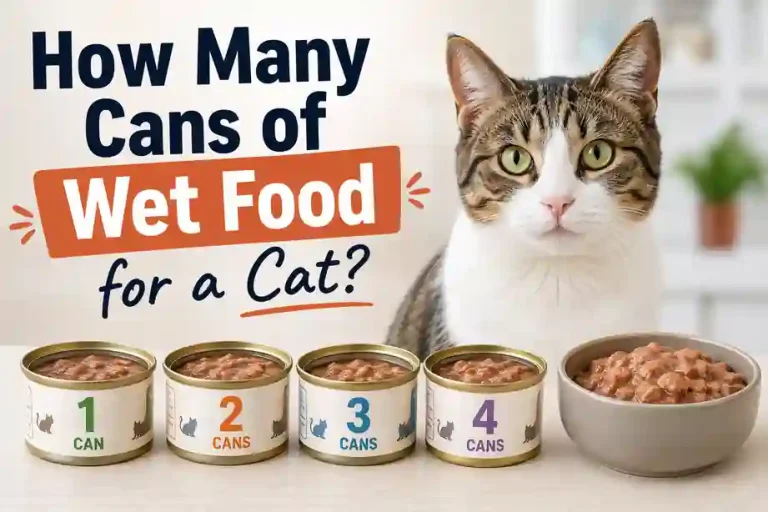
Why Does Cat Food Smell So Bad? Causes Explained
Let’s be real: you open a can of canned cat food, and your kitchen smells like a fish market that’s been left in the sun. It’s not just you; that odor is genuinely intense, and it’s by design.
The exact question “why does cat food smell so bad” has a surprisingly scientific answer. According to research published in the Journal of Animal Science, the key culprits are volatile amines and sulfur compounds formed during protein breakdown. Understanding that chemistry is the first step to realizing the smell isn’t a defect, it’s a feature.
And once you know what you’re dealing with, you can stop worrying about your food supply and start managing the smell without sacrificing nutrition.
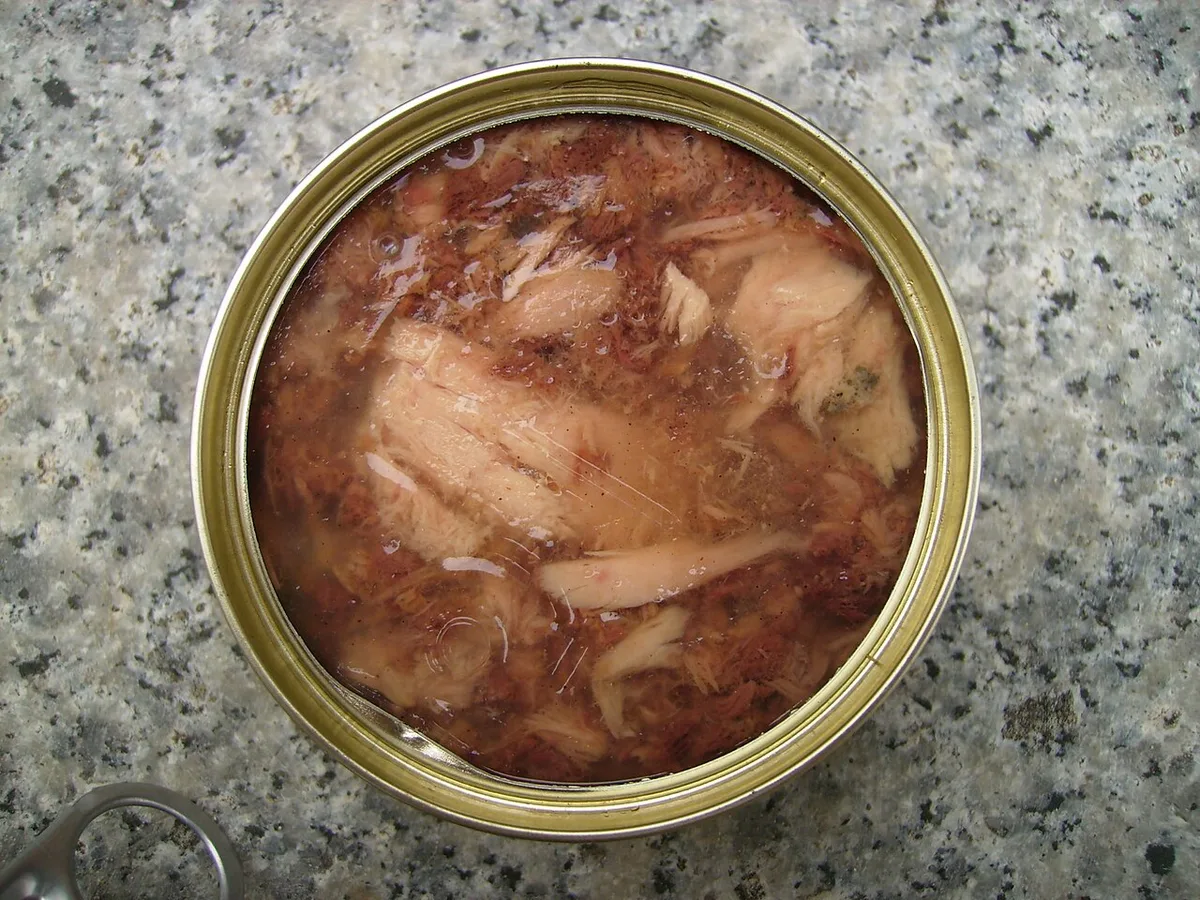
Image source: Wikimedia Commons / No machine-readable author provided. NekoJaNekoJa~commonswiki assumed (based on copyright claims). (CC BY-SA)
Quick Answer
Cat food smells bad because it’s packed with amines and sulfur compounds from animal protein. Wet food releases more than dry food. It’s a sign of high protein content.
Manufacturers intentionally make it smelly to appeal to cats. Your cat’s nose loves it.
The Real Problem: That Stink Isn’t Just Annoying, It’s Confusing
When you’re standing over a bowl of food that smells like something died, your first instinct is usually panic. Is the food spoiled cat food? Is it cheap garbage?
Am I feeding my cat something harmful? Those doubts are perfectly reasonable, but they’re often misplaced.
The confusion comes from a simple mismatch: humans evolved to associate strong animal smells with decay, while cats evolved to associate them with fresh prey. A wild cat’s meal is a small bird or mouse, animals that have a distinct, musky odor we’d find unappealing. Commercial cat food replicates that aroma on purpose, using ingredients that are chemically closer to natural prey than to what we think of as “food.”
But here’s where it gets tricky: sometimes the smell really does mean spoilage. So how do you tell the difference? That’s what we’re going to walk through step by step.
Core Explanation: The Chemistry Behind the Stink
If you want to understand why that can of chicken pâté smells so aggressive, you have to look at the molecules floating off it. There are three main chemical families at work.
Source: YouTube / Nanoencryption (YouTube thumbnail, fair-use with source credit)
Amines: The Decay Family
When animal proteins break down, amino acids get converted into small nitrogen-based compounds called amines. The three big ones in cat food are putrescine, cadaverine, and histamine. Their names alone tell you everything, putrescine is literally named after the word “putrid.” These are the same compounds that form in decomposing meat, and they’re incredibly volatile.
Our noses can detect them at concentrations as low as 0.1 parts per million.
Manufacturers aren’t trying to mimic spoiled meat, but the process of rendering and cooking animal tissues inevitably creates these amines. The higher the protein content, the more amines you get. That’s why premium high-protein cat foods often smell stronger than budget options.
Sulfur Compounds
Another major source of stink comes from sulfur-containing amino acids like methionine and cysteine. When these break down, they release hydrogen sulfide (think rotten eggs), methyl mercaptan (think skunk spray or garlic breath), and other sulfur volatiles. These compounds are extremely potent, our noses are hypersensitive to them because they signal danger in nature.
In cat food, these sulfur compounds are unavoidable. They come from muscle meat, organs, and especially fish. Fish contains high levels of trimethylamine oxide, which bacteria convert into trimethylamine, that’s the classic “fishy” smell.
Combine that with sulfur compounds and you’ve got a powerful odor bouquet.
Fat Oxidation and the Maillard Reaction
Fats don’t stay fresh forever. When exposed to oxygen and heat during processing, unsaturated fats oxidize and go rancid. Rancid fat smells like old cooking oil, paint, or cardboard.
But it’s often masked by the stronger amine and sulfur smells.
The Maillard reaction, the same browning process that makes steak taste good, also produces aromatic compounds that contribute to the overall smell. This reaction happens during cooking and creates hundreds of volatile molecules. So the smell is really a complex mix of protein breakdown, fat oxidation, and cooked flavor chemistry.
What’s Inside That Makes the Smell Stronger
Not all cat foods smell the same, and the differences come down to a few specific ingredients and production choices.
Palatability Enhancers
Manufacturers know that cats are picky eaters. To make sure a cat actually eats the food, they add something called “digestants.” These are animal tissues (usually liver, chicken, or fish) that are partially broken down with enzymes. The process creates a concentrated, super-smelly liquid or powder that gets sprayed onto dry kibble or mixed into wet food.
These digests are the single biggest source of that pungent aroma. They’re designed to be irresistible to cats, and they work, but they also make the food smell much stronger than the base ingredients alone.
Moisture Content
Wet cat food (canned or pouch) contains 78 to 85 percent water. Dry kibble is only 6 to 10 percent moisture. That water vapor carries volatile compounds straight to your nose.
When you open a can, the steam and moisture release a burst of odor. Dry food releases fewer volatiles because there’s less moisture to transport them.
If you’ve ever transitioned your cat from wet to dry food, you probably noticed the kitchen smelled less after the switch. That’s not because dry food is “better”; it’s because the odor is trapped in the dry matrix. There’s a trade-off: dry food may smell less, but you’ll want to consider the broader nutrition question of whether wet or dry is right for your cat.
Protein Source
Fish-based foods are notorious for being the stinkiest. That’s because fish contain high levels of trimethylamine and omega-3 fatty acids that oxidize quickly. Poultry-based foods smell milder, but they still pack a punch because of the amines from muscle protein.
Some manufacturers use “low-odor” claims, but our research suggests these are mostly marketing. The actual smell depends on the total protein percentage, the specific animal parts used, and the cooking method. A high-protein chicken formula can smell just as strong as a moderate fish formula.
Is Strong Smell a Sign of Good or Bad Food?
This is the million-dollar question for every cat owner. The answer is: it depends on the specific notes in the odor.
When Odor Means High-Quality Protein (Intentional)
A strong, sharp smell that’s consistent with meat, liver, or fish is usually a sign that the food is high in animal protein. It’s the same smell that tells a cat “this is food.” If the can is properly sealed, not expired, and smells like concentrated meat, you’re fine. Per AAFCO standards, the crude protein content in premium cat foods ranges from 30 to 50 percent on a dry matter basis.
That’s a lot of protein, and it’s going to smell.
When Odor Means Spoilage (Rancid Fats, Bulging Cans, Sour Notes)
Here’s where you need to trust your nose differently. Spoiled cat food has distinct markers:
-
A sour, vinegary, or yogurt-like smell (lactic acid bacteria)
-
A metallic or paint-like smell (rancid fats)
-
A strong ammonia smell (protein breakdown gone too far)
-
Any puffiness or bulging in the can (gas from bacteria)
If you detect any of those, don’t feed it. Also check the can for dents, rust, or leaks. Spoilage is rare in properly sealed commercial food, but it happens.
How to Tell the Difference: A Practical List
Odor Characteristic Likely Cause Action
Sharp, meaty, fishy (like canned tuna or liver) Normal high-protein content Safe to feed
Sour, tangy, or like yogurt Spoilage from lactic acid bacteria Throw away
Metallic, paint-like, or stale oil Rancid fats Throw away
Strong ammonia, chemical Excessive protein degradation Throw away
No smell at all Possibly bland or low-protein Check ingredients, likely safe
If you’re ever unsure, remember the rule: when in doubt, throw it out. But also know that the vast majority of strong-smelling cat food is perfectly fine; it’s just designed for a different nose than yours.