Should I Feed My Cat Wet Food or Dry Food in 2026
Figuring out whether I should feed my cat wet food or dry food can feel like a big decision, and honestly, there’s no single “best” answer for every cat. Both types offer distinct advantages and drawbacks. Our research indicates that understanding the nutritional breakdown, moisture content, and your cat’s specific needs is key to making the right choice for their health and happiness.
When looking at commercial cat foods, specifications from organizations like the Association of American Feed Control Officials (AAFCO) set minimum nutritional standards to ensure diets are complete and balanced for different life stages. For instance, a typical wet cat food might contain around 75% moisture, while dry kibble typically hovers around 10%. This difference significantly impacts your cat’s hydration.
Let’s break down what each type offers.
Quick Answer
Wet cat food offers superior hydration and often higher protein content, while dry food provides convenience and can help with dental hygiene. Both can be part of a healthy feline diet, but the ideal choice depends on your cat’s age, health, and preferences. Many owners find a mixed feeding approach works best.
As of 2026, comprehensive nutritional science supports tailoring the diet to the individual feline.
Why This Comparison Matters for Your Cat’s Health
Choosing between wet and dry cat food isn’t just about convenience or cost; it directly impacts your cat’s well-being. Cats have unique nutritional requirements and evolutionary eating habits that a balanced diet helps support. For example, cats are obligate carnivores, meaning their diet must primarily consist of meat to get essential nutrients like taurine.
Understanding the differences helps you avoid common dietary pitfalls. Dehydration is a significant concern for cats, especially those who don’t drink much water. Dry food, with its low moisture content, contributes less to daily water intake compared to wet food.
Conversely, some dry foods can contribute to better dental health, while others may be too high in carbohydrates for certain cats. Making an informed decision ensures your feline companion thrives.
Wet Cat Food: What’s Inside and How It Works
Wet cat food, often found in cans or pouches, is formulated to mimic the moisture-rich diets cats would traditionally consume in the wild. Its main appeal lies in its high water content, which is crucial for feline health. Beyond moisture, the formulation focuses on protein and fat, with generally lower carbohydrate levels compared to many dry food options.
Features of Wet Cat Food
- High Moisture Content: Typically ranges from 70% to 80% water. This is its most significant advantage, promoting hydration and supporting kidney and urinary tract health.
- Protein-Rich: Formulated with a significant portion of animal-based protein sources, crucial for obligate carnivores. Protein levels often exceed those found in dry food.
- Palatability: Many cats find the texture and aroma of wet food highly appealing, making it a good choice for picky eaters or older cats with reduced senses of taste and smell.
- Variety in Texture: Available in different forms like pâté (finely ground), chunks in gravy, or shredded meat, catering to various texture preferences.
- Lower Carbohydrates: Generally contains fewer carbohydrates than dry kibble, which can be beneficial for cats prone to weight gain or diabetes.
Benefits of Wet Cat Food
- Enhanced Hydration: This is the primary benefit. Increased water intake helps prevent urinary tract infections and kidney issues, common health problems in cats.
- Supports Weight Management: Lower carbohydrate content can help prevent obesity, especially when portion-controlled.
- Nutrient Density: Often packed with highly digestible animal proteins and fats that cats need.
- Appeals to Picky Eaters: Its strong aroma and palatable texture make it ideal for cats who are fussy eaters or have a decreased appetite.
Drawbacks of Wet Cat Food
- Less Convenient: Once opened, wet food spoils quickly and requires refrigeration. It cannot be left out for free-feeding.
- Can Be More Expensive: Per serving or per pound, wet food can often cost more than dry kibble, especially premium brands.
- Dental Health Impact: While not a direct cause of dental issues, it doesn’t offer the same abrasive cleaning action as dry kibble. For more on this, see our guide on what kibble cat food is.
- Spoilage Risk: Improper storage after opening can lead to bacterial growth. According to our research on How Long Is Wet Cat Food Good for Once Opened, it’s crucial to follow guidelines for safe storage.
Dry Cat Food (Kibble): What’s Inside and How It Works
Dry cat food, commonly known as kibble, is a convenient and popular choice for many cat owners. It’s characterized by its low moisture content and typically comes in small, crunchy pieces that are easy to store and serve. The formulation priorities include a balance of protein, fats, carbohydrates, and essential vitamins and minerals.
Features of Dry Cat Food
- Low Moisture Content: Usually contains about 10% water. This means cats eating primarily dry food need to drink significantly more water to stay hydrated.
- Convenience and Storage: Dry kibble is shelf-stable, doesn’t require refrigeration once opened (though it should be stored in an airtight container in a cool, dry place), and is easy to measure out.
- Dental Abrasion: The crunchy texture of kibble can help scrape away plaque and tartar from a cat’s teeth as they chew, potentially contributing to better dental hygiene. However, this effect is limited and not a substitute for proper dental care.
- Calorie Density: Generally more calorie-dense than wet food, making it easier for owners to overfeed if portions aren’t carefully managed. Some dry foods can contain higher levels of carbohydrates.
- Variety of Formulations: Available for specific needs like weight control, hairball reduction, kittens, or seniors (best cat food for 6-month-old kitten), and sensitive stomachs.
Benefits of Dry Cat Food
- Ease of Use: Its long shelf life and simple serving mechanism make it highly convenient for busy owners, and it’s ideal for automated feeders.
- Cost-Effective: Generally less expensive per serving than wet cat food, making it a budget-friendly option.
- Dental Health Support: Chewing kibble can offer a mild abrasive action on teeth, which may help reduce plaque and tartar buildup. But for optimal dental care, explore comprehensive strategies.
- Free-Feeding Option: Can be left out for cats who prefer to graze throughout the day, though portion control is still important to prevent obesity.
Drawbacks of Dry Cat Food
- Low Hydration: This is the most significant drawback. Cats may not drink enough to compensate for the low moisture, potentially leading to dehydration, urinary crystals, or kidney problems.
- Higher Carbohydrates: Many dry foods contain a higher percentage of carbohydrates, which aren’t essential for cats and can contribute to weight gain and diabetes if consumed in excess.
- Palatability Issues: Some cats may not find kibble as appealing as wet food, especially if they have developed a preference for softer textures.
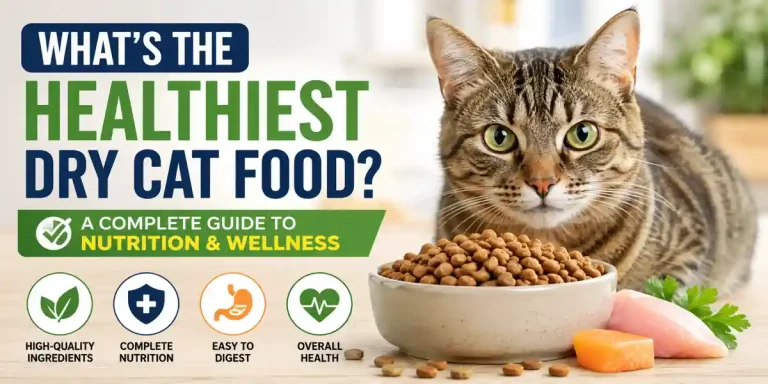
- Risk of Overeating: The calorie density and ease of access when free-feeding can contribute to obesity if portion sizes aren’t strictly monitored. Check out our guide on what’s the healthiest dry cat food for more on selecting quality kibble.
Wet vs. Dry: A Side-by-Side Look at Key Differences
| Feature | Wet Cat Food | Dry Cat Food |
|---|---|---|
| Moisture Content | High (70-80%) | Low (approx. 10%) |
| Protein Source | Usually, the primary ingredient is highly digestible | Variable, often a primary ingredient, quality varies |
| Palatability | Generally higher for most cats | Variable; some cats prefer it, others don’t |
| Convenience | Lower: spoils quickly, needs refrigeration | Higher: shelf-stable, easy to store and serve |
| Cost | Can be more expensive per serving | Often more economical per serving |
| Dental Impact | Minimal direct cleaning effect | Mild abrasive action may help scrape plaque |
| Hydration Impact | Significantly contributes to daily water intake | Minimal contribution; requires high water consumption from other sources |
Who is Wet Food Best For? Target Audiences & Use Cases
Wet cat food shines for several specific types of cats and owners. If your feline falls into any of these categories, wet food might be your primary go-to:
- Cats Prone to Dehydration or Urinary Issues: For cats with a history of urinary tract infections, bladder stones, or kidney disease, the high moisture content is invaluable. It helps keep their urinary system flushed.
- Picky Eaters: The strong aroma and softer texture of wet food often make it more appealing than dry kibble. If your cat consistently turns up their nose at dry food, wet food is likely the solution.
- Kittens and Senior Cats: Kittens have high nutritional needs and growing bodies that benefit from the nutrient density and moisture of wet food. Senior cats, who may have reduced thirst drives or dental problems, also benefit greatly from the hydration and ease of eating. If you’re curious about early stages, consider our guide on the best cat food for a 6-month-old kitten.
- Cats Needing Weight Management (with careful portioning): While calorie-dense, the lower carbohydrate count in some wet foods can be a plus for cats needing to lose weight, provided portions are strictly measured. Our article on how many calories are in canned cat food can help with this.
- Owners Who Can Manage Refrigeration: If you have the time and space to refrigerate opened cans and manage serving sizes without leaving food out, wet food is a very viable option.
Who is Dry Food Best For? Target Audiences & Use Cases
Dry cat food, or kibble, is an excellent choice for many cats and their owners due to its practicality and specific benefits. Consider dry food if your situation fits these scenarios:
- Owners Seeking Maximum Convenience: If you need a food that’s easy to store, serve, and doesn’t require immediate refrigeration after opening, dry food is your winner. It’s ideal for busy lifestyles.
- Cats Who Naturally Drink Plenty of Water: If your cat is a diligent water drinker and easily meets their hydration needs from their water bowl, the low moisture in dry food is less of a concern.
- Cats Benefiting from Dental Support: For cats that don’t have pre-existing dental issues but may benefit from some mild plaque removal, the abrasive nature of kibble can be a helpful, albeit small, contributor.
- Cats Who Thrive on Free-Feeding (with strict portion control): If your cat does not overeat and can be trusted to graze throughout the day without gaining excessive weight, dry food can be left out. However, portion control is crucial to prevent obesity.
- Budget-Conscious Owners: Generally, dry food is more economical per pound than most wet food options. This makes it a sustainable choice for feeding multiple cats or managing a tight food budget. For more on selecting the right kibble, see what’s the healthiest dry cat food.
Mixed Feeding: Getting the Best of Both Worlds
Many cat owners find that feeding a combination of wet and dry food offers the optimal solution for their pets. This approach allows you to leverage the benefits of both. For example, you can provide the crucial hydration from wet food during meals while using dry kibble for convenient, measured grazing in between.
This strategy can also be a way to introduce variety into your cat’s diet to keep them engaged with their food.
When implementing mixed feeding, it’s important to adjust portion sizes accordingly. You don’t want to simply add the recommended serving of each food on top of the other. Instead, calculate the total daily caloric need for your cat and then divide that amount between the wet and dry food you choose.
This prevents overfeeding and helps maintain a healthy weight.
Is Mixed Feeding Right for Your Cat?
Mixed feeding works well for most healthy cats. It’s particularly useful if your cat dislikes pure wet food but needs more hydration, or if your budget allows for a higher-quality wet food but you still want the convenience of kibble. It can also be a useful tool for managing specific dietary needs, like ensuring a diabetic cat gets enough protein while managing carbohydrate intake.
For a deeper dive into specific feeding scenarios, how to make cat food from scratch, although a different topic, touches on the nutritional considerations vital to all feline diets.
How to Implement Mixed Feeding
Start by determining your cat’s total daily caloric requirement. You can consult your veterinarian or use online calculators based on your cat’s age, weight, activity level, and whether they are spayed or neutered. Then, decide on the ratio of wet to dry food you want to offer.
A common starting point is 75% wet food and 25% dry food, but you can adjust this based on your cat’s needs and preferences. Always ensure fresh water is readily available, regardless of food type.
Common Mistakes When Choosing Cat Food & How to Avoid Them
Navigating the world of cat food can be confusing, and it’s easy to make missteps that could impact your cat’s health. One common error is assuming all foods labeled “grain-free” are automatically superior, when in fact, many cats digest grains perfectly well. The focus should always be on a high-quality protein source as the primary ingredient, not the absence of grains.
Another frequent mistake is free-feeding dry kibble without considering calorie intake, which can easily lead to feline obesity. Our research shows that obesity is a major health concern in cats, contributing to issues like diabetes and arthritis. Overfeeding, whether wet or dry, can have serious consequences for your cat’s long-term health and requires careful attention to portion sizes and ingredient quality.
Overlooking Nutritional Adequacy Statements
A critical pitfall is not checking the nutritional adequacy statement on the food packaging. Reputable brands will state that their food is “complete and balanced” for a specific life stage, as formulated by AAFCO. Failing to find this statement could mean the food is incomplete, lacking essential nutrients, or is intended only as a treat or supplement.
Always look for this assurance to ensure your cat is getting proper nutrition.
Ignoring Your Cat’s Individual Needs
Cats aren’t one-size-fits-all creatures when it comes to diet. What works for one cat might not work for another. For example, a highly active kitten (when should a cat stop eating kitten food) has different caloric and nutrient needs than a sedentary senior cat.
Failing to account for age, activity level, health conditions (like allergies or diabetes), and even breed predispositions can lead to suboptimal health outcomes.
Expert Tips for Evaluating Cat Food Labels
Reading a cat food label might seem straightforward, but some nuances can help you make truly informed decisions. Start by looking at the ingredient list. Ingredients are listed by weight, so the first few items are the most significant contributors to the food’s composition.
Aim for foods where a specific meat source, like “chicken,” “turkey,” or “salmon,” is listed first, rather than vague terms like “meat by-products,” if possible.
Pay close attention to the guaranteed analysis. This section details the minimum percentages of crude protein and crude fat, and the maximum percentages of crude fiber and moisture. While these numbers are important, they don’t tell the whole story about digestibility or ingredient quality.
Always cross-reference this with the ingredient list and the AAFCO statement to ensure a well-rounded, high-quality diet.
Beyond the First Few Ingredients
Don’t stop your label evaluation at the first few ingredients. Look at the entire list to identify any fillers or artificial additives. While some carbohydrates are necessary, excessive amounts of corn, wheat, or soy can be less ideal for cats, who are obligate carnivores.
Also, be wary of artificial colors, flavors, or preservatives, which offer no nutritional benefit and can sometimes cause sensitivities.
Understanding AAFCO Statements
The label should clearly state that the food meets the nutritional levels established by the AAFCO Nutrient Profiles for the specific life stage of your cat (e.g., growth, maintenance, reproduction). There are two types of AAFCO statements: “formulated to meet” and “animal feeding tests using AAFCO procedures substantiate that [Product Name] provides complete and balanced nutrition.” The latter is often considered a stronger endorsement, as it implies testing. If a food lacks an AAFCO statement or is labeled as “for intermittent or supplemental feeding only,” it’s not a complete diet.
Why is Hydration So Important for Cats?
Hydration is arguably one of the most critical, yet often overlooked, aspects of feline health. Cats evolved from desert-dwelling ancestors, and as a result, they have a naturally low thirst drive. They are adapted to obtain most of their water from their prey.
This means if their diet consists mainly of dry kibble, they may not be drinking enough water throughout the day to compensate.
Insufficient water intake can lead to a range of health problems, including urinary tract infections (UTIs), bladder inflammation (cystitis), and kidney disease. Symptoms of dehydration can be subtle at first, such as lethargy or reduced appetite, but can quickly escalate. Ensuring your cat consistently consumes adequate moisture is paramount for their overall well-being and can help prevent costly health issues down the line.
Signs Your Cat Might Be Dehydrated
You can perform a simple check to gauge your cat’s hydration level. Gently pinch the skin on the back of their neck or between their shoulder blades. If the skin snaps back into place quickly, they are likely well-hydrated.
If it remains tented or slowly returns to normal, it’s a sign they might be dehydrated. Other signs include dry or tacky gums, sunken eyes, and decreased urination.
How Different Foods Affect Hydration
As we’ve discussed, wet food has a significantly higher moisture content than dry food. A typical serving of wet food can provide a substantial portion of a cat’s daily water needs. Dry food, on the other hand, provides very little water.
Cats fed exclusively dry kibble must rely almost entirely on drinking from their water bowl, which many cats do not do sufficiently. This is why many veterinarians recommend at least a partial diet of wet food, especially for cats prone to urinary issues, or ensuring constant access to fresh, clean water for all cats. If you’re considering homemade diets, understanding hydration is just one piece of the puzzle, and how to make cat food from scratch requires careful nutritional planning.
When to See Your Veterinarian About Your Cat’s Diet
Your veterinarian is your most valuable resource when it comes to your cat’s diet, especially if they have specific health concerns. If you notice sudden changes in your cat’s appetite, weight, or energy levels, it’s always best to consult them. These can be indicators of underlying health issues that diet alone cannot fix, and professional diagnosis is essential.
It’s also wise to discuss diet with your vet when you acquire a new cat, are considering a significant change in their food, or if they have a diagnosed condition like diabetes, kidney disease, or allergies. They can provide tailored recommendations based on your cat’s individual medical history and needs, ensuring the chosen food supports their health effectively. For specific issues like anemia in cats, vets can guide you to the appropriate nutritional solutions, a topic covered in our best cat food for anemic cats guide.
Diet for Specific Health Conditions
Certain health conditions in cats require specialized diets that only a veterinarian can properly recommend. For instance, cats with chronic kidney disease often need diets low in phosphorus and higher in specific proteins to reduce the workload on their kidneys. Diabetic cats may benefit from low-carbohydrate, high-protein diets to help manage blood sugar levels.
Always follow your vet’s guidance for prescription diets or specific brand recommendations for these complex needs.
Transitioning to a New Diet
If your veterinarian recommends a diet change or if you decide to switch your cat’s food for other reasons, it’s crucial to do so gradually. Cats have sensitive digestive systems, and a sudden switch can lead to vomiting, diarrhea, or refusal to eat. Most experts recommend transitioning over a period of 7 to 10 days, slowly increasing the amount of the new food while decreasing the old.
Your vet can offer specific advice on the best transition plan for your cat.
Real Scenarios: When Mixed Feeding Made a Difference
For many owners, mixed feeding isn’t just a theoretical concept; it’s a practical solution that significantly improved their cat’s well-being. Consider a household with two cats: one is a picky eater who thrives on the texture and aroma of wet food, while the other is a robust drinker who does well on primarily dry kibble. Instead of catering to one cat’s needs at the expense of the other’s preferences or health, mixed feeding allows both to enjoy a balanced diet.
Another common scenario involves older cats experiencing dental issues. They might struggle to chew dry kibble effectively, leading to reduced food intake. By incorporating wet food, which is softer and easier to manage, these senior cats can maintain better nutrition.
This also ensures they aren’t solely reliant on kibble for hydration, which is vital as kidney function can decline with age.
Frequently Asked Questions
How long can I leave wet cat food out?
Once opened and served, wet cat food should not be left out at room temperature for more than two hours. Bacteria can multiply rapidly in moist, nutrient-rich environments. If it’s a warm day, this time frame shrinks to one hour.
Any uneaten wet food should be promptly refrigerated in an airtight container.
Can I feed my cat only dry food?
While it’s possible to feed your cat exclusively dry food, it requires careful attention to hydration. You must ensure your cat drinks enough water from their bowl to compensate for the low moisture content in kibble. Many veterinarians recommend supplementing with wet food or providing multiple fresh water sources to ensure adequate hydration and reduce the risk of urinary and kidney issues.
Is there a “best” age to transition a cat to wet or dry food?
There isn’t a single “best” age; it’s more about the cat’s individual health and needs. Kittens often benefit from the nutrient density of wet food, while transitioning to adult maintenance formulas typically occurs around one year old. Senior cats often benefit from the increased moisture and palatability of wet food, regardless of age.
Your veterinarian can advise on the ideal transition points for your specific cat.
How much should I feed my cat?
The amount you feed your cat depends on their age, activity level, metabolism, and the specific calorie content of their food. A general guideline is to consult the feeding chart on the food packaging and adjust based on your cat’s body condition. Your veterinarian can provide the most accurate calorie recommendations and help you determine appropriate portion sizes to maintain a healthy weight.
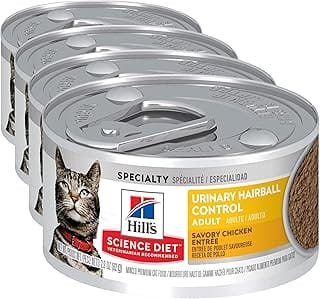
Our Top Cat Wet Food:
Purina Friskies Pate Wet Cat Food Variety Pack Seafood