How to Get Your Cat to Eat Dry Food
You’ve bought a fresh bag of quality kibble, but your cat sniffs it once, then walks away like you’ve offered a cardboard pellet. If you’re searching for how to get your cat to eat dry food, you’re not alone. Picky eating is one of the most common frustrations cat owners deal with.
But this isn’t just about stubbornness. As of 2026, veterinary nutrition guidelines from the American Association of Feline Practitioners emphasize that a cat’s food refusal can signal an underlying health issue. Pushing the wrong solution can lead to serious harm.
Let’s start with what actually works.
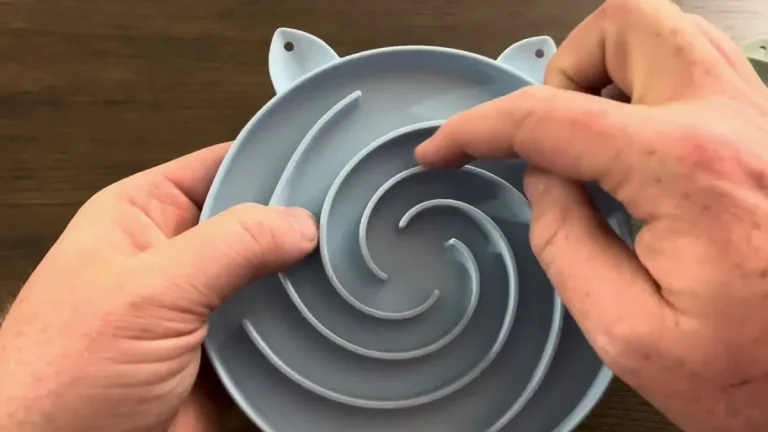
Image source: YouTube / Utility Sounds (YouTube thumbnail (fair-use with source credit))
Quick Answer
To get your cat to eat dry food, start slowly. Rule out dental pain or illness first. Transition over 7 to 14 days by mixing kibble with wet food.
Warm the kibble to release its aroma. Use a wide, shallow bowl to prevent whisker fatigue. Never force the switch by withholding food.
Why Getting Your Cat to Eat Dry Food Is a Health Decision, Not Just a Preference
You might think it’s simply a matter of taste. But in feline medicine, food refusal carries real risk. Cats are obligate carnivores with a unique metabolism.
When they stop eating for even 24 hours, their body starts breaking down fat stores for energy. In overweight cats, that process can overwhelm the liver and trigger hepatic lipidosis, a potentially fatal condition.
This is why the “tough love” approach, leave dry food down until they get hungry, is dangerous. A healthy adult cat should never go more than 24 hours without eating, according to veterinary consensus. Kittens and senior cats have even lower tolerance.
There are also legitimate reasons to feed dry food. It supports dental health through mechanical crunching. It’s more affordable than wet food.
It’s easier to portion control and can be used in puzzle feeders for routine upkeep. But the switch needs to be managed carefully.
The goal isn’t just to get kibble into the bowl. It’s to do it without compromising your cat’s health or creating long-term food aversion. That distinction is what separates safe advice from risky shortcuts.
First, Rule Out the Medical Reasons Your Cat Refuses Kibble
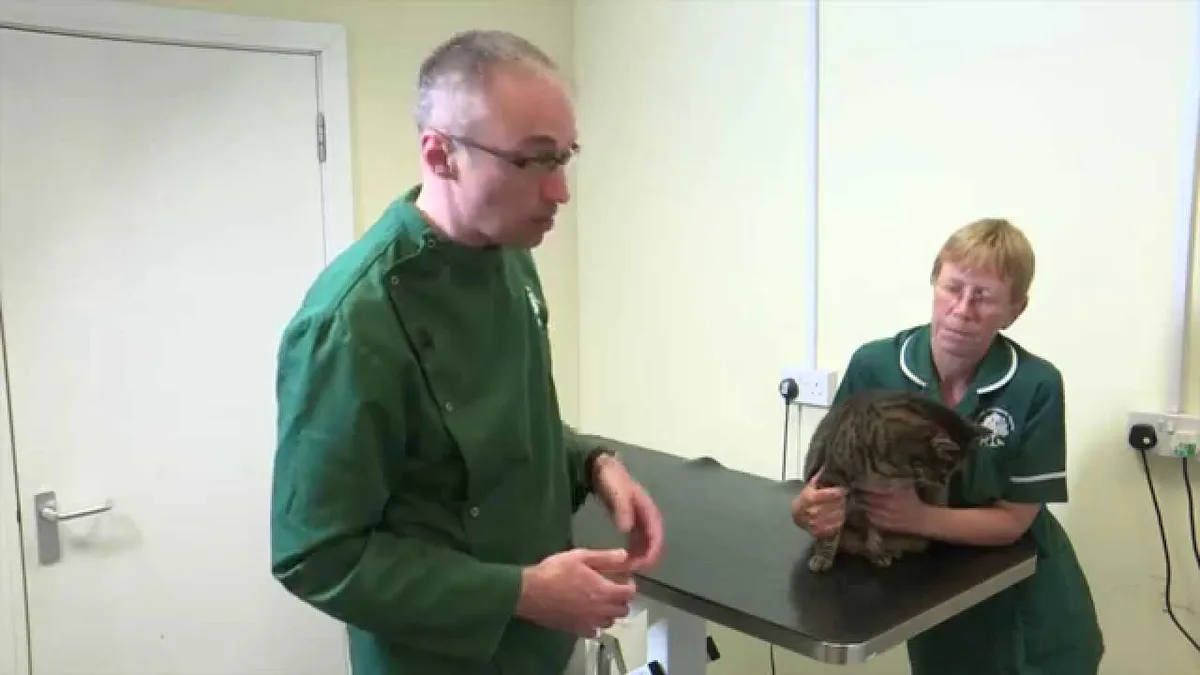
Before you change a single kibble, a vet visit should be your first step. Here is why: many cats stop eating dry food because it hurts to chew. Dry kibble is hard and unforgiving on sensitive teeth and gums.
Common medical causes include:
- Dental disease. Tooth resorption and gingivitis are extremely common in cats over three years old. Kibble hitting exposed nerves causes pain.
- Stomatitis. Severe inflammation of the mouth makes any crunchy food unbearable.
- Nausea. Kidney disease, pancreatitis, or hyperthyroidism can make a cat feel sick. Smelly food becomes unappealing.
- Gastrointestinal issues. Food allergies or inflammatory bowel disease can create negative associations with eating.
- Upper respiratory infections. A stuffed-up nose means a cat cannot smell the food. No smell, no interest.
If your cat is also losing weight, vomiting, hiding, or drooling, do not try feeding tricks. See your vet. For cats with underlying kidney issues, dry food may need a specific low-phosphorus formula.
A physical exam and dental check can confirm whether the problem is medical. Once health issues are ruled out, you can move on to behavioral strategies safely.
The Core Problem: Why Some Cats Turn Their Nose Up at Dry Food
When medical causes are cleared, the refusal usually comes down to one or more of these factors.
Aroma. Dry food has significantly less smell than wet food. Cats rely heavily on their sense of smell to decide what to eat. Stale kibble that has been sitting in an open bag for weeks has even less appeal.
Texture. Some cats are texture-sensitive. They prefer the soft, moist consistency of wet food. Crunchy kibble can feel unnatural, especially if they were weaned onto wet food as kittens.
Whisker fatigue. A deep or narrow bowl forces a cat’s whiskers to bend backward against the sides. That constant sensory pressure is uncomfortable enough that some cats refuse to eat from those bowls entirely.
Learned aversion. If a cat has ever felt sick after eating a particular food, they may associate the smell and texture with that discomfort. This can happen after a single bad experience.
Brand or shape preferences. Cats can be surprisingly specific. Some prefer small, round kibble. Others avoid fish-based formulas.
A sudden change in brand or recipe can trigger refusal.
Understanding which factor applies to your cat helps you choose the right fix. There is no single solution that works for every cat.
The Safe Way to Transition From Wet to Dry (No Starvation Methods)
The golden rule of feline diet changes is gradual. A sudden swap causes gastrointestinal upset, refusal, or both. Here is the safe method recommended by veterinary nutritionists.
Transition Schedule
| Day | Wet Food | Dry Food | Notes |
|---|---|---|---|
| 1–3 | 75% | 25% | Mix thoroughly, warm slightly |
| 4–6 | 50% | 50% | Maintain same meal times |
| 7–9 | 25% | 75% | Add a small amount of warm water |
| 10–14 | 0% | 100% | Monitor stool and appetite |
If your cat stops eating during any step, go back to the previous ratio and hold for two more days. Some cats need a full three weeks.
Step-by-Step Process
- Start with a small amount. Mix a tablespoon of dry food into their usual wet portion. Do not change brands yet.
- Warm the mixture. Microwave the wet food for 5 to 10 seconds. This releases aroma that masks the new texture.
- Crush the kibble. Use a rolling pin or the bottom of a glass to break kibble into smaller pieces. It blends better with wet food.
- Add warm water. Pour a teaspoon of warm water over the dry kibble and let it sit for two minutes. Softened kibble is more palatable.
- Serve at room temperature. Never serve food straight from the fridge. Cats prefer food around body temperature.
- Stick to a schedule. Offer the mix at the same times each day. Cats thrive on routine.
For cats that need extra calories, weight gain formulas can help during the transition. Just be sure to mix it with their current food gradually.
What Not to Do
- Never withhold food for more than 12 hours to “force” acceptance.
- Do not switch brands abruptly while transitioning textures.
- Do not add milk or human baby food without vet approval.
- Do not punish or scold a cat that refuses to eat.
How to Make Dry Food More Appealing Without Ruining Nutrition
If your cat accepts the transition but still eats reluctantly, you can boost appeal without creating long-term dependency on toppers.
Palatability Boosters That Work
- Freeze-dried raw toppers. Crush a small piece of freeze-dried chicken or fish over the kibble. These are single-ingredient and nutritionally neutral.
- Bone broth. Warm, low-sodium bone broth poured over dry food adds moisture and intense aroma. Use only pet-safe broth with no onion or garlic.
- Fish oil. A pump of salmon or sardine oil adds smell and omega-3 fatty acids. Start with a tiny drop.
- Kibble rotation. Offer two different shapes or protein sources in separate bowls. Some cats choose one over the other.
- Puzzle feeders. Rolling or wobbling feeders turn kibble into a game. Movement and effort increase interest.
- Hand feeding. Offering a few pieces by hand can break a resistance cycle. It builds positive association.
What Keeps the Diet Balanced
Wet food toppers should not exceed 10 percent of the daily calorie intake. That ensures the kibble remains the primary balanced nutrition source. Freeze-dried treats and broths should be counted as part of the meal, not extras.
For cats with sensitive digestion, sticking with gentle formulas during the transition helps avoid setbacks. A stable gut makes a cat more willing to try new textures.
If your cat is a feral or outdoor cat, the strategy shifts slightly. Feral cats often prefer dry food because it stays fresh longer and attracts fewer insects. The transition can be shorter, but the same slow introduction principles apply.
The key is patience. Some cats take two weeks. Others take two months.
As long as your cat is eating consistently and maintaining weight, you are on the right track.
The Role of Bowls, Placement, and Feeding Rituals
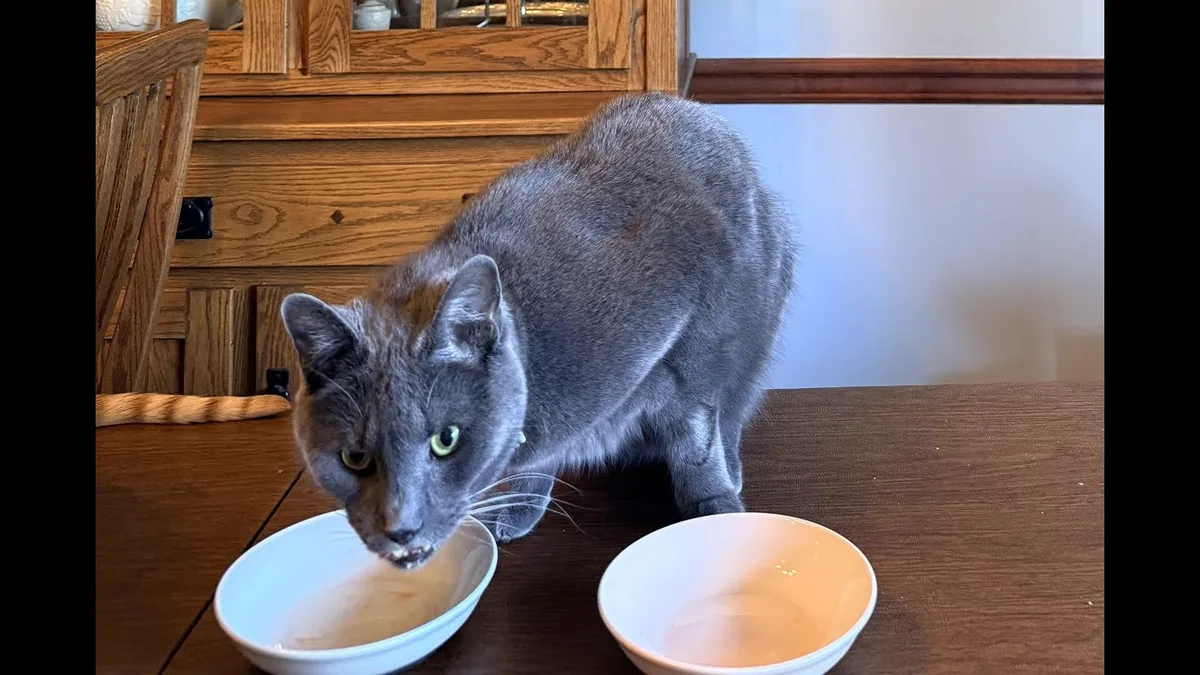
You can serve the perfect kibble mix, but if the bowl is wrong, a cat may still refuse. Deep, narrow bowls push whiskers against the sides. That constant sensory pressure is called whisker fatigue.
It makes eating uncomfortable enough that some cats skip meals.
Switch to a wide, shallow dish. Ceramic or stainless steel is best. Plastic bowls trap bacteria and can cause chin acne.
The bowl should be at least as wide as your cat’s whisker span. A flat plate or a saucer often works better than a traditional pet bowl.
Placement matters just as much. Cats are vulnerable while eating. Put the bowl in a quiet corner away from foot traffic, loud appliances, and other pets.
In multi-cat households, provide separate feeding stations. Food bowl competition is a common reason for refusal.
Feeding rituals also help. Set consistent meal times. Cats are creatures of habit.
If you free-feed dry food, try switching to two or three scheduled meals. The anticipation of a predictable meal can increase interest.
Mistakes That Backfire and Can Make Refusal Worse
Some well-intentioned tactics actually reinforce food aversion. Here are the most common errors.
Starving the cat into submission. Withholding food for 24 hours or more to “force” dry food acceptance is dangerous. It can trigger hepatic lipidosis, especially in overweight cats. Never go longer than 12 hours without offering an alternative.
Switching brands too fast. A sudden change in protein source, shape, or formula causes digestive upset. A cat that vomits or gets diarrhea after eating new kibble will associate that food with pain. That creates long-term refusal.
Using too many toppers. If you pile on wet food, broth, or treats every time, the cat learns to hold out for the good stuff. Toppers should be a temporary bridge, not a permanent crutch. Wean them off gradually.
Ignoring the expiration date. Dry food goes stale. Fats oxidize and rancid kibble smells unappealing. Check the best-by date.
Store opened bags in an airtight container and use within four to six weeks.
Forcing physical contact. Some owners try to push food into the cat’s mouth or hold the cat’s head near the bowl. That creates fear and negative associations. Let the cat approach the bowl on its own terms.
Mixing medication into kibble. Bitter pills or crushed tablets can ruin the taste of an entire meal. If your cat needs medication, use a pill pocket or a small piece of wet food separate from the dry.
If your cat has a history of allergic reactions or skin issues, be careful with new protein sources. Stick to a limited-ingredient kibble to avoid triggering sensitivities during the transition.
When to Keep Feeding Wet Food Instead of Pushing Dry
Not every cat needs to eat dry food. There are situations where pushing kibble is counterproductive or even harmful.
Chronic kidney disease. Cats with kidney disease need high moisture intake. Dry food is only 10 percent water. Wet food helps maintain hydration and supports kidney function.
A dry-only diet can worsen the condition.
Diabetes. Many diabetic cats do better on low-carbohydrate wet food. Dry food tends to be higher in carbs. If your vet recommends a wet-only diet, respect that guidance.
Dental pain. If your cat has significant dental disease, forcing crunchy kibble is cruel. Wait until dental treatment is complete. Then transition to dry food if the vet clears it.
Senior cats with reduced appetite. Older cats often lose muscle mass and need calorie-dense food. Wet food is more palatable and easier to chew. A senior cat that refuses dry may simply need the texture and aroma of wet food.
Cats after surgery or illness. Recovery requires energy. If a cat is already stressed, switching to dry food adds unnecessary challenge. Stick with what they accept until they are fully healed.
For overweight cats that need weight management, dry food can be part of a controlled calorie plan. But if your cat refuses dry despite slow transition, wet food is better than no food. Always choose the option that keeps them eating.
How Long a Cat Can Safely Go Without Eating (Know This Number)
This is the most critical number in feline nutrition: 24 hours. A healthy adult cat should not go longer than 24 hours without eating. For kittens and senior cats, the window is even shorter. After 12 hours, start offering an alternative.
The danger is hepatic lipidosis. When a cat stops eating, the body mobilizes fat stores for energy. The liver cannot process large amounts of fat quickly.
Fat accumulates in liver cells, causing organ failure. It is treatable if caught early, but it requires aggressive veterinary intervention.
Per veterinary consensus guidelines, any cat that refuses food for more than 12 hours needs a vet visit. Do not wait 24 hours if your cat is also lethargic, vomiting, or has diarrhea.
If you are in the middle of transitioning to dry food and your cat stops eating entirely, go back to wet food immediately. Keep offering wet food until the cat is eating consistently. Then restart the transition more slowly.
Cats with pre-existing conditions like urinary crystals or pancreatitis have even less tolerance for fasting. Monitor food intake closely. If your cat skips two meals in a row, call your vet.
Expert Tips From Veterinary Nutritionists for Stubborn Cats
When standard methods fail, nutritionists recommend targeted strategies.
Use the “two bowl” test. Offer dry food in one bowl and wet food in another, side by side. If the cat sniffs the dry and walks away, the issue is likely texture or smell rather than hunger. If they eat the dry but not the wet, the opposite.
Try a different kibble shape. Some cats prefer flat, star-shaped kibble over round pellets. Others like larger pieces they can pick up with their teeth. Buy small sample bags before committing.
Add a tiny bit of tuna water. Drain a can of tuna packed in water. Add one teaspoon of the juice to the dry food. The strong smell often triggers interest.
Do this sparingly to avoid creating a tuna addiction.
Crush kibble into a powder. Grind dry food in a coffee grinder. Mix the powder with warm water to create a porridge. Gradually reduce the water content over two weeks until the cat accepts whole kibble.
Use a food puzzle. A simple treat ball or a wobble feeder makes kibble feel like prey. The movement engages a cat’s hunting instinct. Some cats that ignore a bowl will chase and eat kibble from a puzzle.
Rotate proteins every few weeks. Feeding the same flavor for months can cause boredom. Rotate between chicken, turkey, and fish-based dry foods. Keep the transition slow when switching proteins.
Check the bowl’s scent. Wash bowls with hot soapy water daily. Residual odors from wet food or detergent can deter a cat. Rinse thoroughly.
Some cats prefer unscented ceramic.
Consider a second opinion. If your cat has been refusing dry food for more than three weeks despite all efforts, ask your vet for a referral to a board-certified veterinary nutritionist. They can design a custom feeding plan.
Quick Reference: A Step-by-Step Decision Guide for Picky Cats
If your cat still refuses dry food, run through this checklist in order.
Step 1. Confirm the cat has eaten something within the last 12 hours. If not, offer wet food immediately and call your vet.
Step 2. Check the bowl. Is it wide and shallow? Is it clean?
Switch to a flat ceramic dish if needed.
Step 3. Warm the kibble. Microwave for 5 seconds. Add a teaspoon of warm water and let it sit.
Step 4. Try a different kibble shape or protein source. Buy a small sample bag of a chicken-based kibble with small, round pieces.
Step 5. Offer the dry food in a puzzle feeder. The movement triggers hunting instincts.
Step 6. If none of these work after two more meals, revert to wet food and consult your vet.
When to Call the Vet (Don’t Wait Until It’s an Emergency)
Call your vet if your cat has not eaten anything for 12 hours. For kittens or senior cats, call after 8 hours.
Other red flags include vomiting, diarrhea, lethargy, hiding, drooling, or sudden weight loss. These signs suggest an underlying illness rather than pickiness.
If your cat is eating wet food but refuses dry, you usually have more time. But a complete food refusal across all food types is urgent. Hepatic lipidosis can develop within 48 hours in overweight cats.
Do not gamble with that timeline.
Troubleshooting Common Setbacks
Some cats accept dry food for a few days, then go back to refusing. This is often a texture sensitivity issue. Try crushing the kibble into smaller pieces.
You can also mix in a small amount of low-sodium chicken broth to add moisture.
If your cat develops diarrhea during transition, slow down. Go back to a higher wet food ratio for three days. A gentle diet for sensitive stomachs can help reset digestion.
Stool changes are normal during a diet shift. But if loose stools last more than 48 hours, return to wet food and call your vet.
How to Store Dry Food for Best Results
Stale kibble loses aroma and appeal. Store dry food in an airtight container, not the original bag alone. Keep it in a cool, dark place.
Use it within four to six weeks of opening.
Do not buy giant bags for a single cat. A 5-pound bag is usually a better fit. If you must buy bulk, divide it into smaller airtight portions and freeze half.
Check the best-by date before purchasing. Avoid bags that feel greasy or smell rancid. Fresh kibble has a noticeable meaty aroma.
Frequently Asked Questions
How long does it take for a cat to accept dry food?
Most cats adjust within 7 to 14 days. Some need up to three weeks. If your cat refuses after two weeks of gradual mixing, consult your vet to rule out medical causes.
Can I mix dry food with wet food long term?
Yes. Many owners feed a mix of wet and dry at each meal. Just adjust portions to avoid overfeeding.
The dry food adds crunch and dental benefits, while wet food provides moisture.
What if my cat only licks the wet food off the kibble?
Crush the kibble into smaller bits so they cannot separate them. You can also mash the wet food into the kibble with a fork. The goal is to force accidental ingestion of dry pieces.
Is it okay to leave dry food out all day?
Free feeding works for some cats but not others. If your cat is a grazer, measure the daily portion and leave it in a puzzle feeder. For cats that overeat, scheduled meals are safer.
Will a hungry cat eventually eat dry food?
Not always. Some cats will starve themselves rather than eat food they dislike or find painful. Withholding food to force acceptance is dangerous.
Always prioritize eating over food type.