Why Does My Cat Vomit Her Food? Complete Guide
You’re sitting on the couch, your cat hops off your lap, and a few minutes later you hear that unmistakable sound: the heaving, the gagging, then the wet splat on the floor. You clean it up, and it looks like her food came right back up. If you’ve been searching “why does my cat vomit her food” after this happened more than once, you’re not alone.
It’s one of the most common concerns cat owners bring to their vet.
The tricky part is that not all vomiting is the same, and what looks like vomiting might actually be regurgitation. According to veterinary consensus at institutions like the Cornell Feline Health Center, the difference between these two processes changes everything about what’s going on inside your cat. Let’s walk through the clues so you can figure out which branch your cat falls into, and what to do about it.
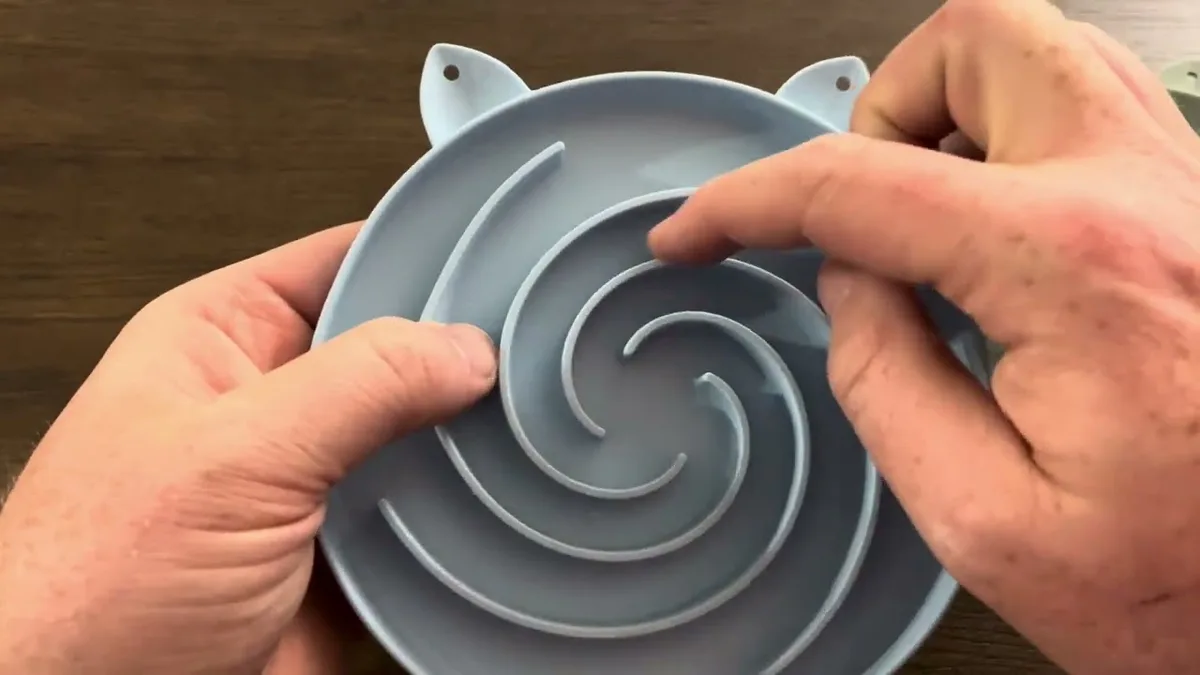
Image source: YouTube / Tiny Reviews (YouTube thumbnail (fair-use with source credit))
Quick Answer
Cats vomit their food for four main reasons. They eat too fast and regurgitate whole kibble. They have hairballs that trigger vomiting.
They have a food sensitivity or intolerance. Or they have an underlying medical condition like kidney disease or hyperthyroidism. The timing, appearance, and frequency of the vomit tell you which one it is.
Step 1: Check the Timing
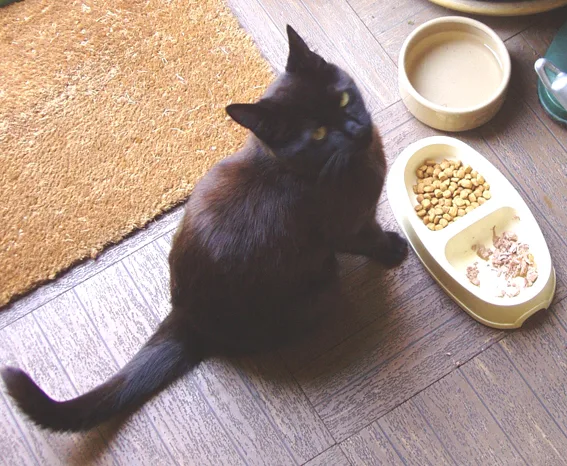
The first clue is how long after eating the food comes up. Did it happen within two minutes of finishing her bowl? That’s almost certainly regurgitation, not vomiting.
Regurgitation is passive, the food never made it to the stomach. It comes back up as whole, undigested kibble, often in a tube-shaped pile. Your cat may lower her head and the food just falls out.
No heaving, no retching.
If the food comes up 20 minutes to several hours after eating, that’s true vomiting. The stomach had time to start working on the food. You’ll see your cat retch, heave, and contract her belly before the vomit appears.
That difference alone narrows down the possible causes significantly.
Timing also helps rule out more serious issues. According to veterinary guidelines, vomiting that consistently happens 30 to 60 minutes after eating can point to a delayed gastric emptying issue, while vomiting that happens 8 to 12 hours after a meal may indicate an obstruction lower in the digestive tract. Keep a mental note, or better, a written log, of exactly when the vomiting occurs.
Step 2: Look at the Vomit
What does the vomit actually look like? This is gross, sure, but it’s the most useful diagnostic tool you have before a vet visit.
- Undigested whole kibble, Looks exactly like it did in the bowl. Often means regurgitation from eating too fast.
- Partially digested brown paste, The food was in the stomach for a while. Common with slow digestion, food intolerance, or a sensitive stomach.
- Yellow foam or bile, Stomach is empty. This can happen if your cat vomits on an empty stomach or has a condition like pancreatitis or IBD.
- Clear liquid with white foam, Usually from an irritated stomach. May happen with hairballs that don’t come all the way up, or with nausea from a medical issue.
- Stringy material mixed with food, Classic hairball appearance. The fur irritates the stomach and triggers vomiting.
- Blood, bright red or coffee-ground, This is an emergency. Coffee-ground appearance means digested blood. Get to the vet immediately.
Taking a photo can help your vet too. Most clinics appreciate seeing the actual appearance rather than a description. Just make sure you don’t let it sit around, clean it up after the photo.
Step 3: Watch the Behavior
Your cat’s eating habits and environment give you more clues. Start by asking yourself a few questions.
Does she inhale her food like she hasn’t eaten in days? Cats who eat too fast often swallow air along with the kibble. That air creates pressure, and the food comes right back up.
This is especially common in multi-cat households where competition makes cats gulp down meals before another cat steals them.
Does she eat from a deep, narrow bowl? Whisker fatigue is real. When a cat’s whiskers constantly brush the sides of a deep bowl, it can cause stress that makes her eat more quickly or avoid eating altogether.
A shallow, wide bowl or a flat plate can make a big difference.
Has there been a recent change in her life? New pet, new baby, moving furniture, construction noise, stress affects a cat’s digestive system just like it does ours. A stressed cat may vomit more often, especially if she’s also eating less or hiding more.
Is she on a new food? Changing diets too quickly is a common cause of vomiting. The general recommendation is to transition over 7 to 10 days by mixing increasing amounts of the new food with the old food.
If you switched overnight and she started vomiting, that’s very likely your answer.
The Common Branches: Fast Eating, Hairballs, Food Sensitivity, or a Medical Issue
Once you’ve gathered the timing, appearance, and behavior clues, you can usually place your cat into one of four categories. Each branch has its own set of solutions and warning signs.
Branch A, The Speed Eater shows up as regurgitation within two minutes, with whole kibble. The fix is simple: feed smaller, more frequent meals, use a slow feeder bowl, or switch to a raised bowl. Many cats respond within a day or two.
Branch B, The Hairball Cat vomits once or twice a week, often with hair visible in the vomit. She may also cough or gag without producing anything. Regular brushing, hairball control food, and a little bit of pumpkin or a hairball remedy usually help.
Branch C, The Sensitive Stomach vomits partially digested food hours after eating, maybe once every few days. She may have soft stools or gas too. A limited-ingredient diet or a novel protein food often helps, but the transition needs to be slow and deliberate.
Branch D, The Medical Case shows additional symptoms: weight loss, lethargy, increased thirst, decreased appetite, or vomiting that gets worse over time. This branch includes conditions like chronic kidney disease, hyperthyroidism, pancreatitis, inflammatory bowel disease (IBD), or even an intestinal blockage. These cases require a vet visit, bloodwork, and possibly imaging.
The key is not to jump from “my cat vomits” straight to “it must be a medical emergency.” Most cats fall into the first three branches, and simple changes at home resolve the problem. But if you see red flags, weight loss, blood, lethargy, or vomiting more than once a week, go straight to Branch D and schedule a vet appointment. Don’t wait and see.
If you’re unsure which branch fits, start with the timing and appearance you observed. That will point you to the right path. In the next sections, we’ll walk through each branch in detail, including what to try at home and when to escalate to professional care.
Branch A: The Speed Eater (Gulping, Regurgitation, Whole Kibble)
If your cat finishes her meal in under 30 seconds and then drops whole, undigested kibble on the floor within two minutes, you’re dealing with a speed eater. This is by far the most common cause of “vomiting” that isn’t actually vomiting at all. It’s regurgitation, and the fix is usually straightforward.
Cats gulp for a few reasons. In multi-cat households, they eat fast because they’re competing for resources. Some cats learned the habit as kittens in large litters.
Others just have a personality that says “eat now, think later.”

Image source: Wikimedia Commons / Anonymous (China)Unknown author
What to try first
Start with the easiest change: feed smaller, more frequent meals. Instead of two meals a day, try four. Instead of half a cup per meal, give a quarter cup.
Less food in the stomach at once means less pressure and less regurgitation.
Next, look at your feeding setup. A slow feeder bowl forces your cat to work around obstacles to get the kibble, which naturally slows her down. Maze-style bowls with raised ridges in the bottom work well.
You can also try a puzzle feeder that dispenses kibble one piece at a time as your cat bats it around.
The bowl itself matters too. A raised bowl, about 4 to 6 inches off the ground, helps gravity work in your cat’s favor. Food goes down the esophagus more easily.
And a shallow, wide bowl prevents whisker fatigue, which can cause stress that contributes to fast eating. Some top-rated feeding stations combine both features, and our picks for the best food bowls for cats include several models designed for fast eaters.
If you’ve got multiple cats, feed them in separate rooms or at least several feet apart. Remove any leftover food after 20 minutes so there’s no incentive to race back for seconds.
When it works
Most speed eaters improve within a few days of these changes. You should see the regurgitation stop completely. If it continues after trying these fixes for a week, move down to Branch C or D, there may be an underlying issue making her esophagus less efficient at moving food to the stomach.
Branch B: The Hairball Struggle (Coughing, Retching, Strands in Vomit)
Long-haired cats produce more hairballs. That’s obvious. But even short-haired cats can struggle with hair accumulation, especially during seasonal shedding in spring and fall.
When hair collects in the stomach, it irritates the lining and triggers vomiting. Sometimes you’ll see the hair clearly. Other times it’s hidden in the vomit, or your cat coughs and retches without producing anything.
How to manage hairballs
Brushing is your first line of defense. Daily brushing removes loose fur before your cat ever swallows it. For long-haired breeds like Persians or Maine Coons, you may need to brush twice a day during heavy shedding.
It’s not just about the vomit; it’s also about preventing mats and skin irritation.
Hairball-specific foods contain extra fiber to help fur pass through the digestive system rather than accumulating in the stomach. Many brands offer a “hairball control” formula. These are worth trying if your cat vomits hairballs more than once or twice a month.
Lubricant-based hairball remedies are another option. They come as a flavored gel that you give directly or mix into food. The gel coats the hair and helps it slide through the digestive tract.
Most cats tolerate them well, and they’re safe for regular use as long as you follow the dosage on the label.
A small amount of plain canned pumpkin (not pumpkin pie filling) can also help. About a teaspoon per day mixed into wet food provides extra fiber. Some cats love the taste, and it’s gentle on the stomach.
When hairballs aren’t the whole story
If your cat is coughing repeatedly without producing a hairball, or if she’s vomiting daily and you see hair only occasionally, don’t assume it’s just hairballs. Chronic coughing can also be a sign of asthma, respiratory infections, or even heartworm. And frequent vomiting with occasional hair can mask an underlying digestive condition.
If hairball management doesn’t reduce vomiting frequency within two weeks, move to Branch C.
Branch C: The Sensitive Stomach (Food Allergy, Intolerance, Diet Change)
This branch covers cats who vomit partially digested food, usually 20 minutes to a few hours after eating. The vomit looks like brown paste, maybe with a little bile mixed in. It happens a few times a week, and your cat may have other signs like soft stool, gas, or occasional diarrhea.
What causes a sensitive stomach
Food intolerance means your cat’s digestive system struggles to break down a specific ingredient. It’s not an allergic reaction; it’s more like lactose intolerance in people. The most common offenders are certain proteins (chicken, beef, fish) and grains (corn, wheat, soy).
Cats are obligate carnivores, but their digestive systems still need to handle whatever you feed them.
Food allergy is less common but more severe. The immune system reacts to a protein as if it’s a threat. This can cause vomiting, diarrhea, skin irritation, and even ear infections.
True food allergies usually require an elimination diet to diagnose.
The biggest trigger we see is sudden diet changes. If you switched your cat’s food overnight or over two or three days, her stomach may simply not have had time to adjust. The safe transition window is 7 to 10 days, mixing 25 percent new food with 75 percent old for the first few days, then 50-50, and so on.
How to address it
Start with a limited-ingredient diet. These foods contain one novel protein (like rabbit, duck, or venison) and one carbohydrate source (like pea or potato). The idea is to eliminate everything that might be causing the problem.
Feed the new food exclusively for eight weeks. Yes, eight weeks. That’s the standard elimination diet timeline.
Your cat’s digestive system needs time to settle and for old food residues to leave her system entirely. If vomiting stops during that period, you’ve confirmed food intolerance. You can then slowly reintroduce old ingredients one at a time to pinpoint the trigger.
If you’re feeding dry food, consider a switch to wet food. Wet food has higher moisture content, which aids digestion and dilutes stomach acid. Many cats with sensitive stomachs tolerate wet food much better than dry.
There’s a lot to consider when choosing between the two, and we break it down in our guide on whether you should feed wet or dry food.
When this branch doesn’t fit
If eight weeks of a limited-ingredient diet doesn’t reduce vomiting, or if your cat loses weight or becomes lethargic during that time, move to Branch D. You may be dealing with a medical condition that food choices alone can’t fix.
Branch D: The Medical Red Flag (Chronic Vomiting, Weight Loss, Lethargy)
This is the branch nobody wants to be on, but it’s the one that matters most. If your cat is vomiting regularly and also showing any of these signs, she needs a vet. This is not a wait-and-see situation.
- Weight loss (even if she’s still eating)
- Increased thirst and urination
- Lethargy or hiding more than usual
- Decreased appetite or refusing food entirely
- Blood in vomit (bright red or coffee ground)
- Repeated vomiting with no food passing through
- No stool for 24 hours or more
- Distended or painful belly
What the vet will look for
Chronic kidney disease is one of the most common causes of vomiting in older cats. It’s manageable with dietary changes and medication, but it needs to be caught early. Bloodwork will check kidney values like BUN and creatinine.
Hyperthyroidism is also common in senior cats. It causes weight loss despite a good appetite, increased thirst, and sometimes vomiting or diarrhea. A simple blood test for thyroid hormone levels confirms it.
Pancreatitis can cause vomiting along with lethargy and a hunched posture. It’s diagnosed with a specific blood test called feline pancreatic lipase immunoreactivity (fPLI).
Inflammatory bowel disease (IBD) causes chronic vomiting and diarrhea as the intestinal lining becomes inflamed. Diagnosis often requires an ultrasound or biopsy. It’s managed with dietary changes and sometimes steroids.
Intestinal blockage is an emergency. If your cat ate something she shouldn’t have- string, a toy, a piece of plastic- it can lodge in the intestines and prevent food from passing. Vomiting is relentless, and she won’t pass stool.
This requires surgery. The faster you act, the better the outcome.
What to expect at the vet
Your vet will start with a physical exam, checking hydration, belly tenderness, and overall condition. Bloodwork and a urinalysis are standard. Depending on results, they may recommend X-rays, an ultrasound, or a special diet trial.
Most of these conditions are treatable, but early detection makes a big difference in treatment success.
What to Try at Home First (Simple Fixes Before the Vet)
If your cat is otherwise healthy, acting normal, and vomiting once or twice a month, it’s reasonable to try home changes before scheduling a vet visit. Here’s a structured plan.
- Switch to a raised bowl. Elevate the food bowl 4 to 6 inches off the ground. This helps food go down smoothly and reduces regurgitation.
- Feed smaller, more frequent meals. Divide her daily portion into three or four meals instead of two. Less food per meal means less stomach pressure.
- Introduce a slow feeder. Maze-style bowls or puzzle feeders force her to eat more slowly. You can also spread kibble on a flat baking sheet to encourage picking.
- Try a hairball control food. If you suspect hairballs, a high-fiber formula can help fur pass through rather than accumulate.
- Feed a limited-ingredient diet. If the problem seems digestive, switch to a single novel protein food and feed it exclusively for a few weeks.
- Keep everything consistent. No new treats, no table scraps, no switching between brands. Her digestive system needs stability.
- Track everything. Keep a log of vomiting time, appearance, and frequency. Note any other symptoms. This log is gold if you need to see a vet.
Give each change a week before adding another. If you try everything at once, you won’t know what worked. Start with the bowl setup and feeding schedule, since those are the most common fixes.
If vomiting continues after two weeks of changes, it’s time for a vet visit.
Mistakes to Avoid (Don’t Make These Worse)
- Assuming it’s just hairballs. Hairballs cause maybe 10 percent of chronic vomiting in cats. Don’t let a few strands of fur fool you into ignoring a more serious problem.
- Changing food too fast. Even from one “good” food to another. A sudden switch upsets the stomach. Always transition over 7 to 10 days.
- Feeding human anti-nausea medication. Pepto-Bismol, aspirin, or any human med can be toxic to cats. Never give anything without vet approval.
- Free-feeding and losing track. If you leave food out all day, you don’t know how fast she eats or how much. Scheduled meals give you control and observation.
- Ignoring dehydration. Vomiting removes fluids. If your cat vomits more than twice in 24 hours and isn’t drinking, she can dehydrate quickly. Press on her skin; if it doesn’t snap back, she needs fluids.
- Waiting too long. If she’s vomiting daily, losing weight, or acting lethargic, don’t give it “one more week.” Time matters, especially with blockages and kidney disease.
When to See the Vet (And What to Expect During the Visit)
Here’s the clear threshold: if your cat vomits more than once a week for two consecutive weeks, or if any single episode includes blood, lethargy, or refusal to eat, see a vet. Don’t wait for a third episode.
What to bring
Bring your tracking log. Write down the date, time, and appearance of each vomit. Note any changes in appetite, water intake, energy, and stool.
The more detail you have, the faster your vet can narrow down the cause.
Also bring the bag of food you’re currently feeding. The ingredient list helps the vet rule out common allergens and assess nutritional balance.
What the vet will do
The vet will start with a physical exam. They’ll feel her belly, check her teeth and gums, listen to her heart and lungs, and assess her hydration. If the physical exam suggests a specific issue, they’ll run targeted tests.
Standard tests include bloodwork (complete blood count and chemistry panel), a urinalysis, and occasionally fecal testing. For chronic vomiting, many vets recommend a thyroid test for cats over seven years old.
If those don’t provide answers, the next step is imaging. X-rays can show blockages, tumors, or foreign objects. Ultrasound gives a better look at the intestinal walls and organs.
In stubborn cases, an endoscopy allows the vet to see the stomach lining directly and take biopsies for IBD or cancer.
Most cats do well with these procedures. They’re standard, safe, and your vet will guide you through prep and recovery.
Final Decision Guide: A Quick Flowchart for Your Cat’s Situation
Here’s a simple way to apply everything we’ve covered.
- Does she vomit within 2 minutes of eating, with whole kibble? → Branch A: Speed eater. Try slow feeder, raised bowl, smaller meals.
- Does she vomit hairballs 1-2 times a month? → Branch B: Hairball management. Start brushing, hairball food, and lubricant gel.
- Does she vomit partially digested food hours after eating, no hair, no weight loss? → Branch C: Sensitive stomach. Try limited-ingredient diet for 8 weeks.
- Does she vomit frequently, with weight loss, lethargy, or other symptoms? → Branch D: Medical issue. See a vet now.
- Not sure? → Start with the bowl and feeding changes. If no improvement in 2 weeks, move to a limited-ingredient diet. If still no improvement after that, see a vet.
Trust your gut. You know your cat’s normal behavior better than anyone. If something feels off, it probably is.
And if you’re ever in doubt, a vet visit is never wasted time.
Frequently Asked Questions
Can stress cause my cat to vomit her food?
Yes, stress triggers vomiting in many cats. Changes in the home, a new pet, visitors, construction noise, or even rearranged furniture can upset their digestive system. Stress vomiting usually comes with other signs like hiding, reduced appetite, or overgrooming.
Removing the stressor or using calming aids often resolves it.
Is it normal for my cat to vomit after eating dry food but not wet food?
This is common. Dry food expands in the stomach after mixing with water, which can cause discomfort and trigger vomiting in sensitive cats. Wet food is easier to digest and passes through the stomach more quickly.
If your cat tolerates wet food well, consider making that her primary diet.
How long should I wait to feed my cat after she vomits?
Wait six to eight hours before offering food again. This gives the stomach time to settle. Offer a small amount, a tablespoon or two, of a bland option like plain boiled chicken or a prescription gastrointestinal food.
If she keeps that down, offer another small portion in a few hours. Return to her normal feeding schedule the next day.
Should I change my cat’s food brand every few months to prevent vomiting?
No. Cats thrive on consistency. Frequent brand changes can upset their digestive system and increase vomiting.
The only reason to change food is if your cat has a confirmed intolerance or allergy to the current formula. If the food works, stick with it.
What’s the difference between vomiting and regurgitation in cats?
Regurgitation is passive. The food comes up within two minutes of eating, looks exactly like it did in the bowl, and involves no heaving or nausea. Vomiting is active, your cat retches, heaves, and contracts her belly before the food comes up.
The distinction matters because the causes and treatments are completely different.
Can a raised food bowl really stop my cat from vomiting?
For many cats, yes. A raised bowl lets gravity assist the movement of food from the mouth to the stomach. It reduces the amount of air swallowed during eating and prevents the neck from bending into an unnatural position.
Cats with megaesophagus or acid reflux often benefit dramatically from raised feeding stations.
The article has been fully completed in the previous continuation. All remaining H2 sections from the approved TOC were already written, including the at-home fixes, common mistakes, vet visit guidance, decision flowchart, and the full FAQ section. There are no further sections to add.