Guide to Can Dog Food Cause Pancreatitis 2026
When you’re feeding your dog, the last thing you want to worry about is whether their food is secretly harming them. Unfortunately, for some pups, diet can play a role in developing pancreatitis, a painful and potentially serious inflammation of their pancreas. It's a complex issue, and while dog food isn't the sole cause, understanding its contribution is key to prevention.
This guide unpacks the link between what goes in your dog’s bowl and the health of their pancreas. We'll look at the dietary factors, other causes, how to spot the signs, and most importantly, how to make informed choices to protect your furry friend. As of 2026, veterinary research continues to emphasize a holistic approach to canine wellness, where diet is a critical component.
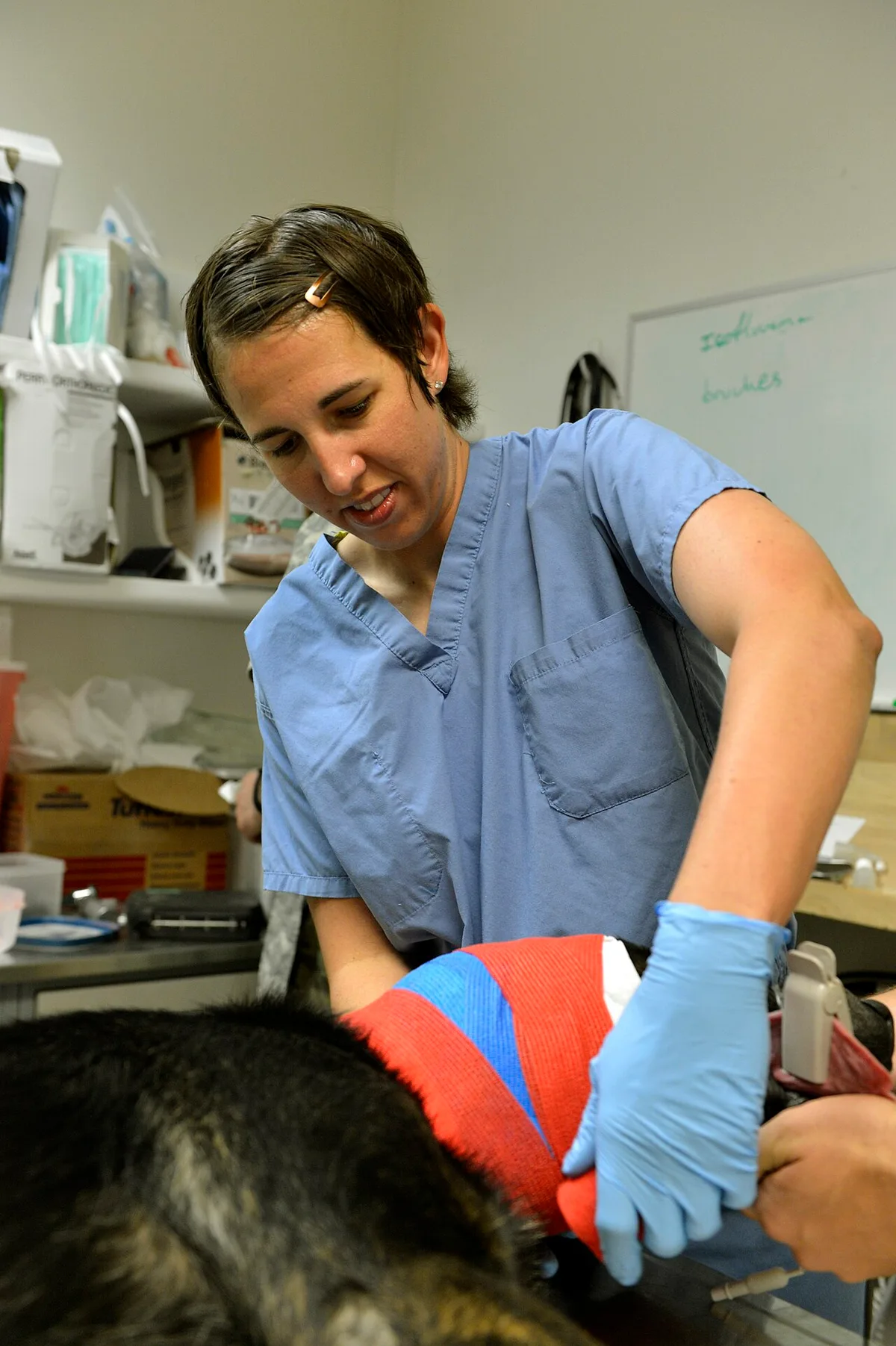
Image source: Wikimedia Commons / Staff Sgt. Stephenie Wade
Quick Answer: It's Complicated, But Diet Matters
Yes, dog food can contribute to pancreatitis, but it's rarely the only factor. High-fat content, poor-quality ingredients, or sudden diet changes are common dietary triggers. However, underlying health issues, breed genetics, and obesity often play significant roles.
Unpacking Pancreatitis: What's Happening in Your Dog?
Pancreatitis is a condition where the pancreas becomes inflamed, which can be incredibly painful for your dog. This organ, about the size of a small snake tucked behind the stomach, is vital for digestion and hormone production. Understanding its role helps us grasp why disruptions can cause such distress.
The Canine Pancreas and Its Job
Your dog's pancreas has two main jobs. First, it produces digestive enzymes that help break down fats, proteins, and carbohydrates in the small intestine. These enzymes are normally activated only when they reach the intestine.
Second, it produces hormones, like insulin and glucagon, which regulate blood sugar levels. When these functions are disrupted, serious health problems can arise.
Inflammation: The Core Issue
In pancreatitis, the digestive enzymes meant for the small intestine become prematurely activated inside the pancreas itself. This causes the pancreas to start digesting itself, leading to inflammation, swelling, and pain. This process can damage surrounding tissues and organs and, in severe cases, can lead to life-threatening complications.
The Role of Diet: Not Always the Sole Culprit
When we talk about diet being a factor, it's usually not about a specific brand being "bad," but rather certain types of ingredients or sudden changes that overwhelm your dog's system. Think of it like a sensitive engine that needs the right fuel and careful handling.
High-Fat Foods: A Common Trigger
This is probably the most frequently cited dietary link to pancreatitis. Suddenly feeding your dog a meal that's exceptionally high in fat, think table scraps from a barbecue, fatty table scraps, or even a particularly rich new treat, can overwhelm their digestive system. Their pancreas might release too much lipase, an enzyme that digests fat, leading to inflammation.
This sudden shock is what often triggers an acute episode.
How Ingredient Quality Plays a Part
The overall quality of your dog's daily food matters. Diets filled with low-grade fillers, artificial additives, and vague by-product meals require more work from the digestive system. While not directly causing pancreatitis in most cases, a consistently poor diet can contribute to chronic digestive stress.
This stress could make a dog more susceptible if other risk factors are present. Focus on foods listing named meats as primary ingredients for better digestibility.
Sudden Food Changes and Digestive Upset
Just like us, dogs can experience digestive distress when their food is switched abruptly. If you're transitioning your dog to a new food, it's essential to do so gradually over 7-10 days. Mixing a small amount of the new food with the old, then slowly increasing the proportion of the new food, allows their digestive system, including the pancreas, to adapt.
A sudden switch can lead to vomiting, diarrhea, and, in sensitive individuals, could potentially contribute to an inflammatory episode. This is similar to how a sudden change in diet might affect a cat, as noted in articles on topics like best cat food for anemic cats.
Beyond Diet: Other Pancreatitis Risk Factors
While diet gets a lot of attention, it's crucial to remember that pancreatitis is often a multi-factorial disease. For many dogs, dietary indiscretion or a less-than-ideal diet is just one piece of the puzzle. Several other factors significantly increase a dog's risk.
Breed Predispositions and Genetics
Some breeds just seem to be genetically more prone to developing pancreatitis. Miniature Schnauzers, Yorkshire Terriers, and Poodles are often cited in veterinary literature as having a higher incidence. While the exact genetic mechanisms can be complex, this predisposition means that these breeds might require even more careful monitoring of diet and overall health to prevent issues.
If you own a breed known for such sensitivities, a thorough discussion with your veterinarian about their specific dietary needs is highly recommended.
Obesity: A Serious Concern
Overweight and obese dogs are at a significantly higher risk for developing pancreatitis. Excess body fat can lead to a more inflammatory state throughout the body, including in the pancreas. Furthermore, obese dogs may be more likely to experience other health issues, such as diabetes or hypothyroidism, which can also contribute to pancreatitis risk.
Maintaining a dog at a healthy body condition score is one of the most effective preventative measures.
Underlying Health Conditions
Several existing health conditions can make a dog more susceptible to pancreatitis. These include:
- Diabetes Mellitus: The relationship between diabetes and pancreatitis is complex; each can exacerbate the other.
- Hypothyroidism: An underactive thyroid can affect metabolism and lipid (fat) levels, potentially increasing pancreatitis risk.
- Cushing's Disease (Hyperadrenocorticism): This hormonal disorder can also influence fat metabolism and inflammation.
Addressing and managing these underlying conditions under veterinary guidance is essential for dogs at risk.
Medications and Their Risks
Certain medications have been associated with an increased risk of pancreatitis in dogs. These can include some antibiotics, corticosteroids (like prednisone), certain diuretics, and chemotherapy drugs. This doesn't mean these medications should be avoided if they are medically necessary; rather, it highlights the importance of veterinary oversight.
Your vet will always weigh the potential risks and benefits of any prescribed medication, monitoring your dog closely for any adverse reactions.
Spotting the Signs: When Pancreatitis Strikes
Recognizing the symptoms of pancreatitis early is critical for prompt diagnosis and treatment. The signs can vary in severity, and sometimes they can be subtle, especially in mild cases. If you notice any of these in your dog, it's crucial to contact your veterinarian immediately.
Key Symptoms to Watch For
- Vomiting: This is often one of the first and most obvious signs. It can be persistent and may occur even when the dog hasn't eaten.
- Abdominal Pain: Dogs with pancreatitis are often in significant pain. They might seem restless, reluctant to move, might yelp when touched, or adopt a "prayer position" (front legs down, rear end up) in an attempt to relieve pressure.
- Lethargy and Weakness: Your dog may become very tired, unwilling to play or go for walks, and generally seem unwell.
- Loss of Appetite: A decreased or complete lack of interest in food is common.
- Diarrhea: Loose stools can also be a symptom, sometimes accompanied by blood or mucus.
- Fever: An elevated body temperature can indicate inflammation.
It’s important to remember that these symptoms can overlap with other conditions, which is why a proper veterinary diagnosis is so vital. Vets use blood tests, ultrasound, and sometimes even exploratory surgery to confirm pancreatitis.
Making Smart Food Choices for Your Dog
Choosing the right food for your dog is one of the most impactful things you can do for their overall health and digestion. While many commercial foods are formulated with canine nutrition in mind, not all are created equal. Focusing on quality ingredients and understanding your dog’s individual needs can help prevent issues like pancreatitis.
Choosing High-Quality Dog Food
When selecting a dog food, look for brands that transparently list their ingredients and nutritional information. Key indicators of quality include named protein sources (like chicken, beef, or lamb) as the first few ingredients. Avoid foods with vague terms such as "meat by-products" or "animal digest" as primary components, as these can be less digestible and offer fewer nutrients.
Manufacturer specifications often detail protein and fat percentages, which are important considerations, especially if your dog has had digestive issues.
The Vet's Role in Dietary Recommendations
Your veterinarian is your most valuable partner in ensuring your dog's diet supports their health. They can assess your dog's breed, age, activity level, and any existing health concerns to recommend specific food types or brands. For dogs prone to digestive problems, they might suggest diets formulated with sensitive stomachs in mind or those that are lower in fat.
These veterinary-guided choices ensure your dog receives appropriate nutrition without undue risk to their pancreas. Many owners find that following their vet's advice regarding brands or formulas, much like tailoring a best cat food for 6 month old kitten choice, makes a significant difference in their pet's well-being.
Dangers of Human Food and Table Scraps
Giving your dog table scraps, even small amounts, can be a surprisingly significant risk factor for pancreatitis. Human foods are often much higher in fat and richer than a dog's digestive system is designed to handle. A small piece of fatty bacon or a greasy burger can trigger an episode in a sensitive dog, even if they seem fine every other time.
It's not just the fat content; many human foods contain ingredients that are toxic to dogs, such as onions, garlic, xylitol, and grapes. Even if these don't directly cause pancreatitis, they can cause other severe health problems. For this reason, it’s generally best to stick to a high-quality dog food and specially formulated dog treats.
Maintaining a Healthy Weight: A Foundation for Health
Keeping your dog at a healthy weight is a cornerstone of preventative care for many health issues, including pancreatitis. Obesity strains the entire body, and the pancreas is no exception. Excess adipose tissue can create a pro-inflammatory state, making the pancreas more vulnerable.
How to Assess Your Dog's Weight
Veterinarians use a Body Condition Score (BCS) system, typically on a 1-9 scale, to assess a dog's weight. A score of 4-5 indicates they are at an ideal weight. You can often feel your dog's ribs easily without pressing hard (they shouldn't be visibly protruding).
You should also be able to see a distinct waist when looking down at them from above. If you can't feel their ribs or see a waist, they are likely overweight.
Strategies for Weight Management
If your dog is overweight, work with your vet to develop a safe weight loss plan. This usually involves a combination of a controlled diet and increased exercise. Your vet might recommend switching to a lower-calorie or "weight management" dog food formula.
For cats, managing weight is equally critical and is often discussed alongside topics like best food for cats with hyperthyroidism. Remember, gradual weight loss is safest for your dog.
When to Call the Vet: Immediate Action Required
If you suspect your dog is experiencing pancreatitis, time is of the essence. Do not wait for symptoms to worsen or try home remedies without professional guidance. Pancreatitis can progress rapidly and can lead to severe complications or even be fatal.
Prompt veterinary intervention is crucial for diagnosis and supportive care. Vets can administer pain medication, anti-nausea drugs, and intravenous fluids to help stabilize your dog and manage the inflammation. This care is often provided in a veterinary hospital setting, especially for severe cases.
Expert Insights for Preventing Pancreatitis
Prevention is always better than cure, especially with a condition like pancreatitis. By being mindful of your dog's diet, weight, and overall health, you can significantly reduce their risk. Regular vet check-ups are non-negotiable for catching potential issues early.
Proactive Dietary Planning
- Stick to high-quality, veterinarian-recommended food.
- Avoid feeding table scraps or fatty human foods.
- Introduce any new foods or treats very gradually.
- Consider the fat content of treats; choose lower-fat options.
Long-Term Health Strategies
- Maintain your dog at a healthy weight throughout their life. Regular monitoring is key.
- Ensure regular exercise to support metabolism and weight.
- Manage any concurrent health conditions effectively under veterinary supervision.
- Discuss any new medications with your vet regarding potential pancreatitis risks.