Guide to Can Dog Food Freeze 2026: Beginner-Friendly Guide
Ever wonder if you can just toss that leftover dog food in the freezer to save it for later? It's a common question, especially if you buy in bulk or have a picky eater. The short answer is sometimes, and it really depends on what kind of food we're talking about and what you hope to achieve.
Let's break it down so you can make the best choice for your furry friend.
Our research dives into the best practices for canine nutrition and food preservation. We'll look at how different types of dog food react to freezing temperatures and what that means for your dog's health and the food's quality.
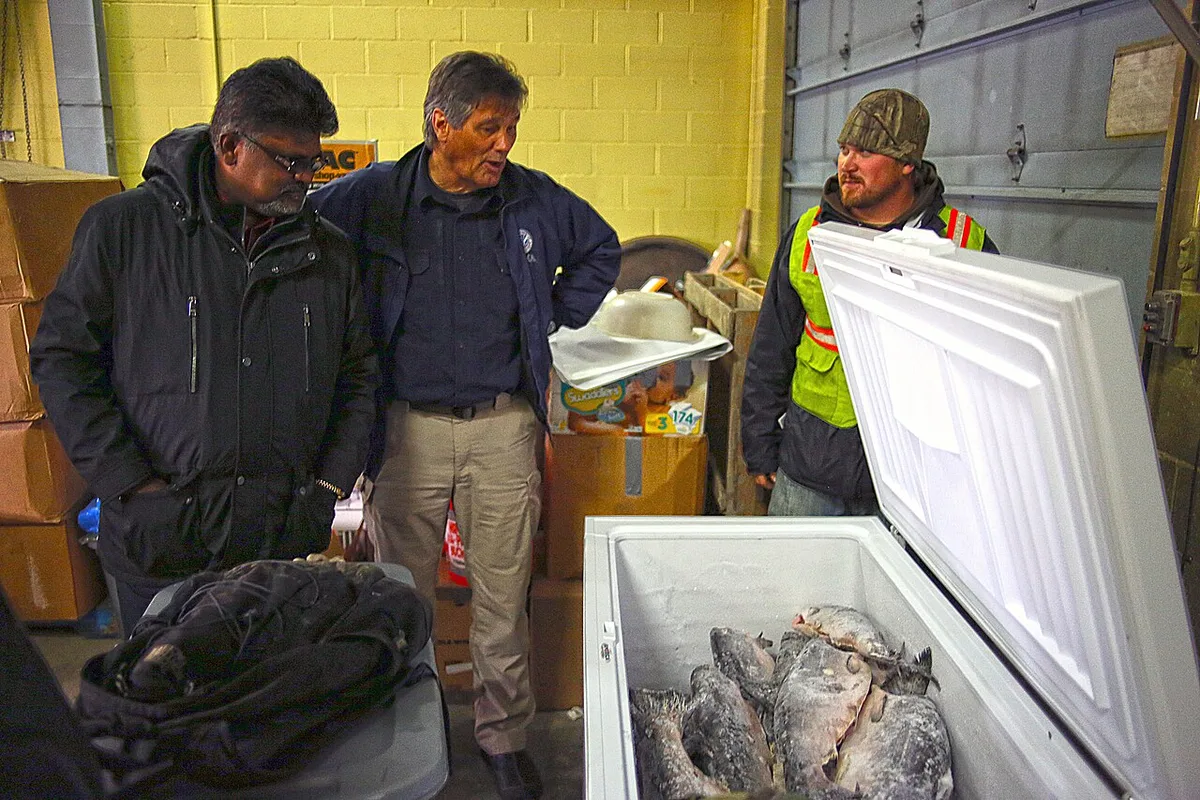
Image source: Wikimedia Commons / Adam DuBrowa/ FEMA
Quick Answer
Yes, some dog food can freeze, but not all of it is ideal. Wet dog food and homemade dog food, when properly packaged, generally freeze well. Dry kibble typically isn't recommended for freezing due to quality degradation and potential moisture issues.
Always ensure food is safely thawed before serving. As of 2026, manufacturers still advise specific storage methods for their products.
Dry Kibble: Is Freezing a Good Idea?
For the most part, you're better off not freezing dry dog food, also known as kibble. This type of food is formulated for dry storage and freezing can introduce problems that impact its quality and safety. If you're looking for long-term storage options for kibble, consider cool, dry places and airtight containers instead of the freezer.
Why Freezing Kibble Isn't Recommended
Freezing kibble isn't ideal for several key reasons, primarily related to how it affects the food's integrity. Manufacturers design dry dog food to maintain its crunch and nutritional profile when stored correctly in its original packaging or a dedicated airtight container at room temperature. Introducing it to freezing temperatures can disrupt this.
What Happens to Kibble in the Freezer
When you freeze dry dog food, you risk quality degradation. The fats present in kibble can become rancid more quickly once thawed, impacting both taste and nutritional value. Additionally, as frozen kibble thaws, condensation can form on the surface.
This moisture is a breeding ground for mold, which poses a significant health risk to your dog. While freezing itself doesn't make kibble toxic, the subsequent thawing process can compromise its safety and appeal, making it less appetizing for your pet.
Wet Dog Food: Freezing It for Later
Wet dog food, the kind that comes in cans or pouches, is a much better candidate for freezing. In fact, it's a smart strategy for reducing waste and saving money if your dog doesn't finish a whole container in one go. This method helps preserve the food's nutrients and prevents spoilage.
Image source: Wikimedia Commons / aussiegall from sydney, Australia (CC BY)
How to Freeze Canned or Pouched Wet Dog Food
If you've opened a can or pouch of wet dog food and your dog hasn't finished it, freezing the leftovers is a practical solution. For opened pouches or cans, transfer the remaining food to a freezer-safe container. Opt for containers designed to minimize air exposure, pushing out as much air as possible before sealing.
You can also portion out smaller amounts using ice cube trays, which is perfect for smaller breeds or for adding as a flavorful topper to their regular meals. Once frozen in cubes, transfer them to a freezer bag for safekeeping.
Thawing Your Frozen Wet Dog Food Safely
Properly thawing frozen wet dog food is crucial for maintaining its safety and quality. The safest method is to transfer the frozen food to the refrigerator and allow it to thaw gradually overnight. Avoid thawing at room temperature, as this creates conditions that can encourage bacterial growth.
Similarly, microwaving can create hot spots and uneven thawing, potentially making the food unsafe. Stirring the food after thawing can help redistribute any separated liquid or texture changes that naturally occur during the freezing and thawing process.
Homemade Dog Food: Freezing for Meal Prep
If you prepare your dog's meals from scratch, whether cooked or raw, freezing is often an essential part of your food management system. This allows for batch cooking and portioning, ensuring you have healthy meals ready when you need them.
Freezing Cooked Homemade Meals
Cooked homemade dog food, made from meats, vegetables, and grains, freezes very well. Similar to commercially prepared wet food, it's best to portion these meals into individual servings. Use airtight freezer-safe containers or heavy-duty freezer bags and remove as much air as possible before sealing to prevent freezer burn.
This makes it easy to grab a single meal for your dog without having to thaw a large batch.
Freezing Raw Dog Food: What You Need to Know
For raw dog food diets, freezing is a standard practice for preservation. However, it's crucial to adhere to strict food safety protocols. Use high-quality, fresh ingredients and handle them with extreme care to prevent contamination.
Portion raw meals into appropriate freezer-safe containers or bags, ensuring a tight seal. Always follow the specific guidelines provided by your veterinarian or a certified pet nutritionist regarding raw food preparation and freezing to ensure your dog's safety. Improper handling of raw food before or after freezing can pose serious health risks.
Comparing Dog Food Freezing Options
Deciding whether to freeze your dog's food involves looking at the type of food, its intended storage, and your personal convenience. Not all dog food is created equal when it comes to surviving the freezer and thawing process.
What Impacts Your Decision: Food Type & Goals
The primary factor influencing whether you should freeze dog food is its formulation. Dry kibble (2.5 to 5 lbs bags being common) is designed to remain shelf-stable at room temperature and can suffer from moisture-related spoilage and fat rancidity when frozen. Wet food, on the other hand, has a high moisture content to begin with and benefits from freezing to extend its usability after opening.
For homemade diets, the impact of freezing depends on the ingredients and how they are processed, with cooked meals generally holding up better than raw unless specific precautions are taken for raw food. Your goal, whether it's strict preservation, cost savings on bulk purchases, or convenient meal prep, will also guide your decision on the best storage method.
Mistakes to Avoid When Freezing Dog Food
Improper freezing or thawing can turn a perfectly good meal into something your dog shouldn't eat. Awareness of common pitfalls can help you avoid these issues and keep your dog safe and well-fed.
Common Errors in Freezing and Thawing
One significant mistake is freezing dry kibble. While it won't immediately harm your dog, the quality and potential for mold growth upon thawing make it a risky choice compared to proper dry storage. For wet or homemade foods, failing to remove excess air from packaging leads to freezer burn, degrading the food's quality and reducing its shelf life.
Not thawing food completely in the refrigerator is another critical error; thawing on the counter or at room temperature for extended periods can allow harmful bacteria to multiply rapidly. Likewise, using a microwave for thawing can create uneven temperatures and hot spots, which is unsafe. Always ensure a slow, controlled thaw in the fridge.
Expert Tips for Storing Dog Food
Beyond deciding if you can freeze it, knowing the absolute best ways to store any dog food ensures it stays fresh, nutritious, and safe for your pet. These practices go hand-in-hand with freezing decisions.
Beyond Freezing: Best Storage Practices
For dry kibble, once the bag is opened, transfer it to an airtight container made of food-grade plastic, stainless steel, or glass. Store this container in a cool, dry place away from direct sunlight. Avoid the original bag if it's not resealable, as it doesn't offer adequate protection against air and moisture.
If you buy large quantities of kibble, consider breaking them down into smaller, manageable batches in airtight containers rather than leaving a huge bag open in your pantry. For wet food, once a can is opened and not fully used, transfer the remainder to a sealed container and refrigerate. Unopened cans and pouches should be stored in a cool, dry environment.
Always check expiration dates on packaging, whether you plan to freeze, refrigerate, or store at room temperature.
Your Dog Food Freezing Decision Guide
When deciding if freezing is the right choice for your dog's food, consider these key factors to make an informed decision.
- Dry Kibble: Generally, do not freeze. Its composition is best maintained in cool, dry, airtight storage.
- Wet Dog Food (Canned/Pouched): Yes, you can freeze. It's ideal for preserving opened portions. Ensure proper airtight packaging before freezing.
- Homemade Dog Food (Cooked): Yes, you can freeze. Portion and package airtight to maintain quality.
- Homemade Dog Food (Raw): Yes, but with strict hygiene. Freeze raw food in a way that maintains its integrity and safety, following professional guidance.
Ultimately, the goal is to preserve the food's nutritional value and prevent spoilage. For dry kibble, that means focusing on dry storage. For wet and homemade options, freezing can be a beneficial tool when executed correctly.
Always prioritize your dog's health by ensuring food is stored and prepared safely.
Frequently Asked Questions
Can my dog get sick from frozen dog food?
Your dog could get sick if the food was contaminated before freezing or if it thawed improperly, allowing bacteria to multiply. Always use the refrigerator for thawing and ensure all food types are handled hygienically.
How long can I freeze wet dog food?
Generally, properly packaged wet dog food can be safely frozen for up to six months. For optimal quality, aim to use it within three to four months.
What happens if I feed my dog thawed kibble?
Thawed kibble may have lost some nutritional value and could have a less appealing texture or taste. More importantly, if it thawed improperly, there's a risk of bacterial contamination that could make your dog unwell.
Is it safe to freeze partially used bags of dry dog food?
It's not recommended to freeze partially used bags of dry dog food. The remaining oxygen in the bag can still lead to fat oxidation and spoilage, and any moisture introduced during freezing can encourage mold. Regular airtight storage in a cool, dry place is better.
Should I thaw dog food completely before feeding?
Yes, it's essential to thaw dog food completely before feeding. Partially frozen food can be difficult to digest and could introduce harmful bacteria if not fully thawed under safe conditions.