Guide to Are Food Toppers Good for Dogs: Pro Tips & Tricks
So, you're curious if those colorful, savory dog food toppers are a magic bullet for mealtime woes or just another trendy pet product. The truth is, they can be incredibly helpful, but it really depends on your dog's specific needs and how you use them. In our research, we found that for many owners, toppers solve picky eating and boost nutrition.
Per AAFCO guidelines, they should complement, not replace, a balanced diet.
These "enhancers" come in all sorts of forms, from freeze-dried morsels to savory broths. As of 2026, the market is flooded with options, making it tough to know if they truly benefit your furry friend. We’ve dug into what makes these toppers work, their potential pitfalls, and most importantly, how to use them wisely so your dog thrives.
Quick Answer
Dog food toppers can be good for dogs when used correctly. They boost palatability for picky eaters and add extra nutrients. However, they're not a complete meal and can cause weight gain or digestive issues if overfed or poorly chosen.
Always aim for toppers that complement a balanced diet, as recommended by AAFCO.
Why We're Talking About Food Toppers for Dogs
It’s a common scene: your dog turns up their nose at their perfectly good kibble, leaving you frustrated and them maybe a bit underfed. That's where dog food toppers come in. They're designed to make mealtime more exciting and nutritious.
Think of them as a flavor boost or a concentrated nutrient shot for your dog's everyday food. Our research shows that owners often turn to these when their dog is experiencing a dip in appetite, recovering from illness, or simply bored with their current food. Understanding their role is key to a happier pet.
Is a Food Topper Right for Your Dog? The Big Questions
Deciding if food toppers are a good fit for your dog isn't a one-size-fits-all answer. It hinges on a few key considerations about your dog's habits, health, and your feeding goals. If you've been wrestling with mealtime challenges, asking yourself these questions can help you figure out if a topper is the solution you've been looking for.
Your Dog is a Picky Eater
If your dog sometimes acts like a gourmet critic at mealtime, you're not alone. Picky eating in dogs can stem from many things, boredom with food, learned behavior, or even an underlying preference. When a dog consistently avoids their food or eats very little, it raises concerns about adequate nutrient intake.
This is where toppers often come into play, acting as a highly palatable lure to encourage consumption of their main meal.
Your Dog Needs a Nutritional Boost
Sometimes, a dog's regular food might be perfectly balanced, but they could benefit from extra support. This is especially true for active dogs, seniors, or those recovering from illness. Toppers can be a convenient way to provide added vitamins, minerals, or healthy fats that might be beneficial for their specific stage of life or condition.
For instance, toppers rich in omega-3 fatty acids could support skin and coat health, while those with added probiotics might aid digestion.
Your Dog has Specific Health Needs
Dogs with certain health conditions, like those needing a therapeutic diet for anemia (though this links to cats, the principle is similar for dogs with specific needs not met by standard food), may require targeted nutritional support. While a topper should never replace a veterinarian-prescribed diet, some can supplement it. For example, a topper might offer gentle digestive enzymes or easily digestible proteins for a dog with a sensitive stomach.
Always consult your vet before adding anything new to a therapeutic diet.
What Exactly Are Dog Food Toppers?
Dog food toppers are essentially savory additions sprinkled or mixed into a dog's primary food (usually kibble or wet food) to enhance its appeal and nutritional value. They aren't meant to be a standalone meal. Instead, they work by providing concentrated flavors, textures, or nutrients that make the base food more enticing.
They come in various formats to suit different preferences and needs.
Types of Dog Food Toppers: What's Out There?
The market offers a wide array of dog food toppers, each with its own advantages. Understanding these categories helps you choose the best fit for your dog's palate and your goals.
- Freeze-Dried Toppers: These are made from pure ingredients, like meat, bone broth, or even fruits and vegetables, that have had water removed through freeze-drying. This process locks in flavor and nutrients. They rehydrate when mixed with your dog's food.
- Broth-Based Toppers: These are typically liquid toppers made from slow-simmered bones or meats, offering hydration and savory flavor. Look for unsalted options specifically formulated for dogs.
- Wet Food Blends: Some toppers are simply a small portion of high-quality wet food mixed into kibble. This adds moisture and a different texture.
- Nutrient-Fortified Blends: These often contain a mix of ingredients designed for specific benefits, such as added vitamins, minerals, probiotics, or enzymes. They might look like powders, kibble additions, or textured pastes.
Key Ingredients to Look For (and Avoid)
When you're looking at the ingredient list for your dog's food topper, what should catch your eye, and what should make you pause? Focusing on quality ingredients ensures you're truly benefiting your dog.
Look For:
- Whole Proteins: High-quality single-source proteins like chicken, beef, salmon, or lamb are excellent choices.
- Healthy Fats: Ingredients like fish oil or flaxseed can provide beneficial omega-3 and omega-6 fatty acids.
- Digestive Aids: Probiotics and prebiotics can support gut health, especially if your dog has a sensitive stomach.
- Vitamins and Minerals: Ensure any added nutrients are clearly listed and appropriate.
- Dog-Safe Fruits and Vegetables: Small amounts of things like pumpkin, blueberries, or sweet potato can add fiber and antioxidants.
Avoid:
- Artificial Colors, Flavors, and Preservatives: These offer no nutritional benefit and can sometimes cause sensitivities.
- Excessive Fillers: Ingredients like corn, wheat, or soy can be allergens for some dogs and dilute the nutritional value.
- Added Sugars or High Sodium: These are unnecessary and can be detrimental to a dog's health.
- Toxic Human Foods: Never include ingredients known to be harmful to dogs, such as onions, garlic, or grapes.
The Upsides: When Toppers Shine Bright
Dog food toppers aren't just about adding flavor; they can bring tangible benefits to your dog's diet and overall well-being when used thoughtfully. They're a tool to enhance, not replace, a sound nutritional foundation.
Boosting Palatability and Appetite
This is arguably the biggest win for toppers. If your dog is a selective eater, a bit of a toppers can transform a boring bowl of kibble into a delicious meal. Our research confirms that owners frequently use toppers to overcome picky eating phases or to encourage dogs with decreased appetites, like seniors or those recovering from illness, to eat more consistently.
The intense flavors and varied textures can reignite a dog's interest in food.
Adding Extra Nutrients and Hydration
Beyond just taste, many toppers are fortified with specific nutrients that can round out your dog's diet. For example, a freeze-dried salmon topper can provide extra omega-3 fatty acids, beneficial for skin and coat health. Broth-based toppers also significantly increase a dog's water intake, which is vital for kidney function and overall health, especially for dogs that don't naturally drink a lot.
This dual benefit makes them incredibly valuable.
Introducing Variety and Excitement
Dogs, like us, can sometimes get bored with eating the same thing day after day. While their digestive systems are more robust than ours, a little variety can keep mealtime interesting. Toppers offer a simple way to introduce new flavors and textures without overhauling their entire diet.
This can be particularly useful for dogs who are on long-term special diets, like those for hyperthyroidism and might appreciate a little culinary excitement. Just ensure the additional flavors don't conflict with their prescribed diet.
The Downsides: When Toppers Can Go Wrong
While the benefits of dog food toppers are clear, it's crucial to be aware of the potential downsides. Using them incorrectly can lead to more problems than they solve, so understanding these risks is just as important as knowing the advantages.
The Risk of Overfeeding and Weight Gain
This is one of the most common pitfalls. Toppers add calories to a dog's diet. If these extra calories aren't accounted for, they can easily lead to overfeeding, gradual weight gain, and eventually, obesity.
Obesity in dogs is linked to various serious health issues, including joint problems, diabetes, and heart disease. It’s essential to remember that even a small amount of a calorie-dense topper adds up. Always factor the topper's caloric content into your dog’s total daily intake.
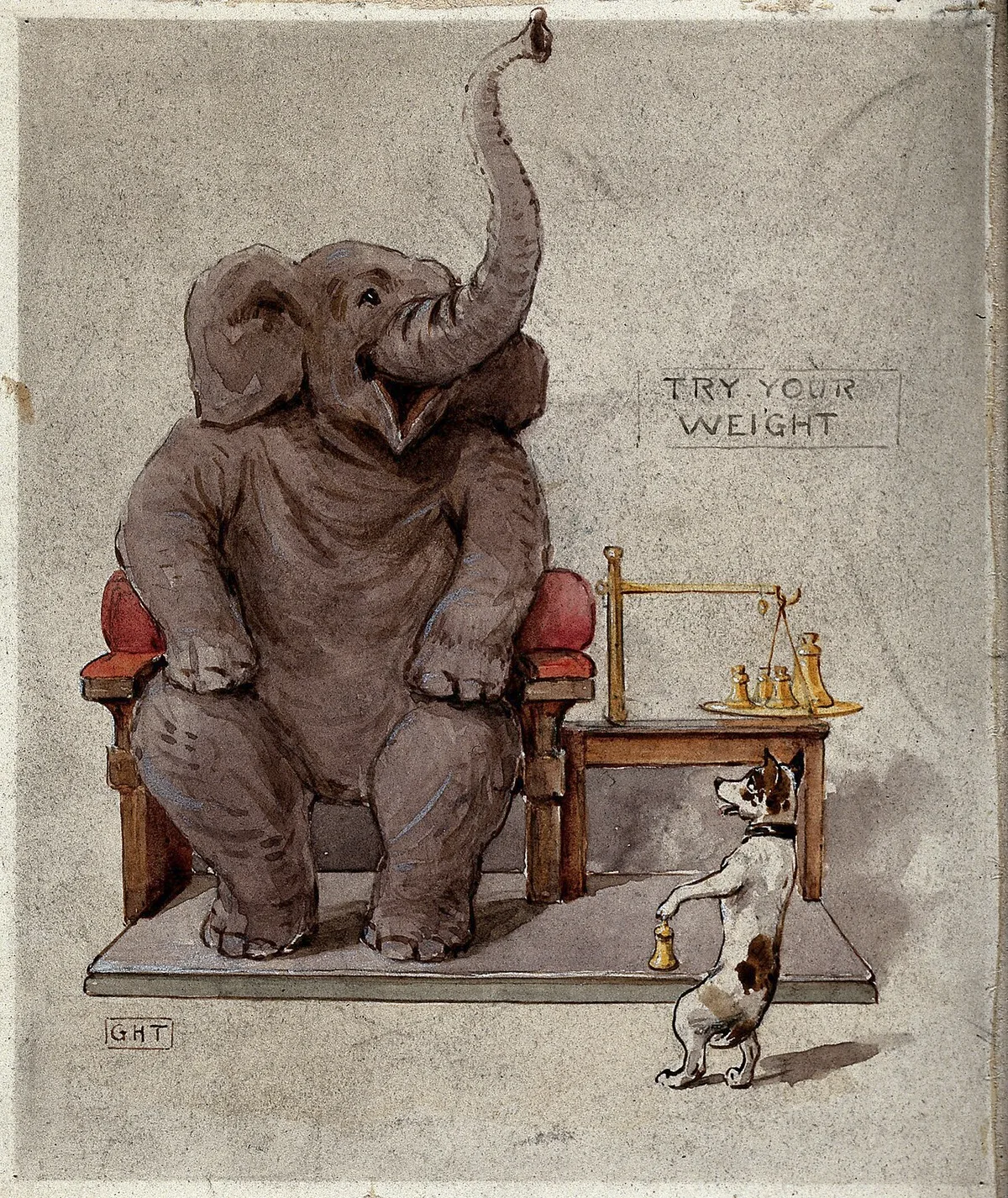
Image source: Wikimedia Commons / Wikimedia Commons contributor (CC BY)
Potential for Digestive Upset or Allergies
Introducing any new food item to your dog's diet carries a risk of digestive upset or allergic reactions. Some dogs may have sensitivities to specific ingredients found in toppers, such as certain proteins, grains, or additives. Signs might include vomiting, diarrhea, or skin irritation.
It’s vital to introduce new toppers gradually, in small amounts, and monitor your dog closely for any adverse reactions. If your dog has known allergies, carefully scrutinize the ingredient list.
Unbalanced Nutrition If Not Used Correctly
Toppers are just that, toppings. They are not designed to be a complete and balanced meal on their own. Relying on a topper as the primary source of nutrition, or using one that doesn't complement the base food well, can lead to nutritional deficiencies or excesses.
For example, if a dog is already getting sufficient nutrients from a high-quality kibble, adding a topper that mimics that nutrient profile simply adds unnecessary calories. The goal is to enhance, not imbalance, the foundational diet.
How to Use Food Toppers Safely and Effectively
Successfully incorporating food toppers into your dog's diet involves a systematic approach. It's not just about shaking some powder on their food; it's about understanding your dog's nutritional needs and introducing new elements carefully. This process helps maximize benefits while minimizing potential risks like digestive upset or weight gain.
Step 1: Assess Your Dog's Current Diet
Before you even think about adding a topper, take a good, hard look at what your dog is eating now. Is their primary food a high-quality, complete, and balanced diet meeting AAFCO standards? If your current food is already loaded with beneficial nutrients and is something your dog eats well, then a topper might be more for palatability enhancement.
If their current food is lacking or they struggle to eat it, a topper might help, but you may also need to reconsider their whole diet.
Step 2: Choose the Right Topper
Selecting the right topper depends on your primary goal. Are you trying to entice a picky eater, add moisture, or boost specific nutrients? For picky eaters, highly palatable options like freeze-dried meats or rich bone broths often work best.
If hydration is a concern, liquid toppers are ideal. For targeted nutritional support, look for toppers specifically formulated with added vitamins, minerals, or omega-3 fatty acids. Always check the ingredient list for quality and avoid artificial additives.
Step 3: Introduce Toppers Gradually
Never overhaul your dog's diet overnight. When you first introduce a new food topper, start with a very small amount. Many professionals recommend using no more than 10% of your dog's total daily meal volume as topper initially.
Mix a tiny pinch into their regular food and observe your dog for a few days. This gradual introduction allows their digestive system to adjust and helps you spot any sensitivities or allergies early on.
Step 4: Portion Control is Key
This is where many owners stumble and contribute to the "downsides" of toppers. Remember that toppers add calories and nutrients. You must account for these additions in your dog's overall daily food intake.
If you're adding, say, 50 calories from a topper, you might need to slightly reduce the amount of their regular food to avoid a calorie surplus. Weighing your dog regularly can help you monitor their body condition and adjust portions accordingly.
Step 5: Watch Your Dog's Reaction
Once you've introduced a topper, careful observation is your best tool. Does your dog still have firm, consistent stools? Is their coat shiny and healthy, or are they showing signs of irritation?
Look for any changes in energy levels, appetite (for their regular food), or overall well-being. If you notice any negative signs, such as vomiting, diarrhea, itching, or lethargy, discontinue the topper and consult your veterinarian. This feedback loop is crucial for safe usage.
Common Mistakes Dog Owners Make with Toppers
Despite the best intentions, some common mistakes can turn a helpful food topper into a dietary problem. Being aware of these pitfalls can save you a lot of trouble down the line. One of the most frequent errors is simply overdoing it.
- Treating Toppers as a Meal: This is a critical misunderstanding. Toppers are supplements, not stand-alone meals. Feeding too much can unbalance their diet and lead to health issues.
- Ignoring Calorie Counts: Every added ingredient contributes calories. Failing to adjust the main food portion to compensate for the topper's calories is a fast track to weight gain.
- Not Reading Ingredient Lists: Some toppers contain fillers or allergens your dog might react to. Always check the label for quality ingredients and specific concerns, like yeast or certain grains.
- Introducing Too Much Too Soon: A sudden dietary change can shock a dog's system. Gradual introduction, as mentioned, is vital for digestive health.
- Using Human Food Scraps: While some human foods are safe in moderation, many are not. Avoid using random kitchen scraps as toppers, as they can be toxic or unhealthy. Stick to products specifically formulated for dogs.
When to Chat with Your Veterinarian About Toppers
Your veterinarian is your most trusted resource when it comes to your dog's health and nutrition. They can offer personalized advice based on your dog's unique medical history, breed, age, and activity level. If your dog has any existing health conditions, such as kidney disease, pancreatitis, or specific allergies, it's especially important to seek their guidance before adding new supplements or toppers.
Your vet can help you determine if a topper is appropriate, recommend specific types or brands, and advise on appropriate portion sizes. They can also help you understand how a topper might interact with any prescription diets or medications your dog is currently taking. They might suggest reviewing their cats or dog food categories on this site with them if you are unsure of their general nutritional needs.
Discussing toppers ensures you're making an informed decision that truly benefits your dog's well-being.
Finding the Best Topper: A Quick Guide
"Best" is subjective and depends entirely on your dog. However, for broad appeal and common issues, here's a quick guide to selecting a topper based on typical needs.
- For Picky Eaters: Look for freeze-dried or dehydrated meat toppers (chicken, beef, salmon) or concentrated bone broths. These have intense, naturally appealing flavors and textures that dogs can't resist.
- For Digestive Support: Consider toppers with added probiotics, prebiotics, or gentle ingredients like pumpkin puree. Ensure they are made without harsh additives that could irritate a sensitive stomach.
- For Skin and Coat Health: Seek toppers rich in omega-3 and omega-6 fatty acids, typically derived from fish oil, salmon, or flaxseed.
- For Added Hydration: Broth-based liquid toppers are excellent for increasing water intake, especially for dogs who tend to be dehydrated or are recovering from illness.
- For Nutrient Boost (General): If you simply want to add more vitamins and minerals, a multi-ingredient nutrient blend specifically formulated for dogs can be useful, but always ensure it complements your base food.
The Verdict: Making the Right Call for Your Dog
Ultimately, dog food toppers can be a fantastic addition to your dog's diet, provided they are chosen and used wisely. They offer a straightforward way to enhance mealtime appeal, boost nutrient intake, and increase hydration. However, they are not a universal fix and come with potential risks, primarily weight gain and digestive upset, if overused or misused.
Always prioritize a high-quality, balanced primary diet. Treat toppers as a helpful enhancement, consult your veterinarian for personalized advice, and always monitor your dog's reaction.
Making the Right Call for Your Dog
Ultimately, dog food toppers can be a fantastic addition to your dog's diet, provided they are chosen and used wisely. They offer a straightforward way to enhance mealtime appeal, boost nutrient intake, and increase hydration. However, they are not a universal fix and come with potential risks, primarily weight gain and digestive upset, if overused or misused.
Always prioritize a high-quality, balanced primary diet. Treat toppers as a helpful enhancement, consult your veterinarian for personalized advice, and always monitor your dog's reaction.
Frequently Asked Questions
Can food toppers replace my dog's regular food?
No, food toppers are not designed to replace your dog's complete and balanced primary diet. They are intended to supplement it, adding flavor, moisture, or extra nutrients. Relying solely on toppers can lead to nutritional deficiencies.
How much food topper should I give my dog?
Most experts recommend that toppers make up no more than 10% of your dog's total daily caloric intake. Always check the specific product's feeding guidelines and adjust based on your dog's weight, age, and activity level.
Are all food toppers safe for dogs?
While many are safe, it's crucial to check ingredient lists carefully. Avoid toppers with artificial colors, flavors, excessive fillers, sugar, or sodium. Always ensure the ingredients are specifically formulated and deemed safe for canine consumption.
What are the signs my dog might be having a bad reaction to a topper?
Watch for digestive issues like vomiting or diarrhea, as well as skin problems such as itching or redness. Lethargy or changes in appetite for their regular food could also indicate a negative reaction. If you notice any of these, stop the topper immediately.
When should I consult my vet about using food toppers?
You should consult your veterinarian if your dog has any pre-existing health conditions, allergies, or is on a prescription diet. They can offer personalized guidance on whether a topper is appropriate and help you choose the safest option.