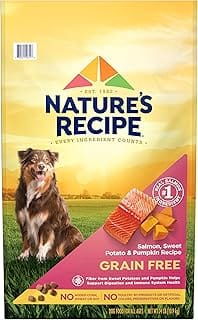
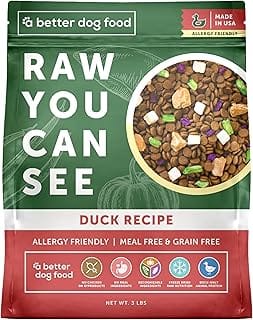
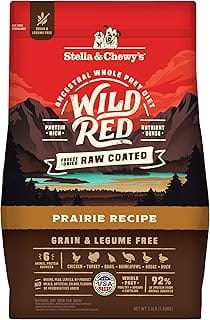
Guide to Can I Mix Two Dry Dog Foods Together 2026
You've probably looked at two different bags of kibble and wondered if mixing them would be okay for your dog. It's a really common question for pet parents who want to add variety or use up a nearly empty bag. The short answer is, it's not always a simple yes or no.
It really depends on your dog's unique needs and the specific foods involved. Think of dog food like any recipe; the ingredients and how they're balanced matter for good results. As of 2026, manufacturers and veterinary bodies like the Association of American Feed Control Officials (AAFCO) stress the importance of nutritional completeness for canine health.
Quick Answer
Yes, you can mix two dry dog foods, but only with careful consideration. The ability to mix depends heavily on your dog's digestive health and if the foods have similar nutritional profiles. Always transition slowly over 7-10 days, monitoring for any signs of stomach upset or allergic reactions.
Specialty or prescription diets should never be mixed without direct veterinary guidance.
Is Mixing Dry Dog Foods a Good Idea? The Big Picture
When we talk about mixing dry dog foods, we're not just talking about convenience; we're talking about your dog's well-being. Each brand and formula is designed to be nutritionally complete and balanced on its own. So, when you start combining them, you're essentially creating a new blend, and that's where things get a bit complex.
The main goal is always to provide your dog with the essential nutrients they need for a healthy life, from strong bones to a shiny coat. If a mix disrupts this balance or causes digestive issues, it's usually not a good idea. Our research indicates that most dogs benefit from a consistent diet, but for some, a carefully managed mix can be a viable option.
Key Factors to Consider Before Mixing
Before you even think about scooping two different kibbles into the same bowl, it's crucial to assess a few key areas. These factors act as a sort of decision tree for whether mixing is even a possibility for your canine companion.
Your Dog's Stomach Sensitivity
Some dogs have cast-iron stomachs and can seemingly eat anything without a second thought. Others are much more delicate. If your dog is prone to digestive upset, such as vomiting, diarrhea, or excessive gas, introducing a mix of foods could very easily trigger these issues.
A stable digestive system relies on predictable input, and changing that significantly with a food blend might be too much for them.
Allergies and Sensitivities
This is a massive one. If your dog has known allergies or sensitivities to specific ingredients, like chicken, beef, grains, or certain proteins, you need to be extra vigilant. You must meticulously check the ingredient lists of both foods.
Even if one food is "chicken-free," if the other has chicken listed as a primary ingredient, mixing them could still lead to an allergic reaction.
Nutritional Balance of Each Food
Each dry dog food is formulated to meet specific nutrient requirements, often aligned with AAFCO guidelines for life stages (puppy, adult, senior) and nutritional adequacy. When you mix two foods, you're altering that precise balance. For instance, mixing a high-protein performance food with a standard adult maintenance food could result in too much protein for a typical adult dog, or an imbalance of other vital nutrients like calcium and phosphorus.
Life Stage Formulas (Puppy vs. Senior)
Puppy foods are dense in calories and nutrients to support rapid growth, while senior formulas often contain fewer calories and specific supplements for joint health and easier digestion. Mixing a puppy food with a senior food, for example, would likely create a nutritional profile that's inappropriate for either life stage. Puppies could miss out on critical growth nutrients, and seniors might gain excess weight from too many calories.
When Mixing Dry Foods Might Work
So, you've gone through the checklist, and your dog seems like a good candidate for a food mix. Perhaps you have a bag of kibble that's almost empty, and you want to gradually transition to a new flavor, or you simply want to offer a bit more variety. In these situations, mixing can be a successful strategy, but it needs to be approached thoughtfully.
The key here is a slow introduction. Think of it as introducing your dog to a new friend; you wouldn't just throw them together without any preamble. A gradual change helps their digestive system acclimate.
If your dog is healthy, has no known sensitivities, and you're combining two high-quality foods with similar primary ingredients, a mix can sometimes work well.
How to Safely Mix Two Dry Dog Foods: A Step-by-Step Guide
Successfully mixing dry dog foods is all about careful planning and patient execution. It's not a spur-of-the-moment decision. By following these steps, you can minimize the risk of upsetting your dog's stomach and ensure they still get the nutrition they need.
Step 1: Start Small and Observe
Begin by adding a very small amount of the new food to your dog's usual kibble. We’re talking about a spoonful or two, not a significant portion. This small addition allows your dog’s digestive system to get a tiny taste of what's to come.
For the first day or two, stick with this minimal mix ratio. Watch your dog closely for any changes. Are they eating it with enthusiasm, or are they hesitant?
Are there any early signs of stomach upset, like loose stools or increased gas? If everything looks good after a day or two, you can proceed to the next step.
Step 2: Gradually Increase the Mix Ratio
Over the next 7 to 10 days, you’ll slowly increase the proportion of the new food and decrease the old. A common guideline is to increase the new food by about 10-15% each day or every other day, while correspondingly reducing the old food. So, if you started with 90% old and 10% new, you might move to 80/20, then 70/30, and so on.
This gradual transition period is critical. It gives your dog’s gut bacteria time to adjust to the new ingredients and nutrient levels. Rushing this process is one of the most common reasons dogs experience digestive issues when changing foods.
Step 3: Monitor Your Dog's Health Closely
The transition period, and even a week or so afterward, is when you need to be a super-sleuth regarding your dog's health. Pay attention to their appetite, are they eating the mixed food eagerly? Check their stool consistency and frequency.
A sudden change to very loose stools or diarrhea is a clear sign something isn't right.
Also, look for any signs of skin irritation, such as itching or redness, which could indicate a developing sensitivity. Lethargy or a lack of energy can also be subtle clues that the diet change isn't agreeing with them. If you notice any concerning symptoms, it’s best to revert to their old food immediately and consult your vet.
Step 4: Understand Ideal Mix Ratios
What's the "ideal" mix? For most dogs tolerating a mix, a 50/50 ratio of old and new food is often a comfortable balance. Some owners might aim for a 75/25 split if they're primarily trying to use up an older bag but still want the majority of the diet to be the preferred food.
[Veterinarian consultation markdown block goes here]

Image source: Wikimedia Commons / Petty Officer 2nd Class Eric C. Tretter
However, the exact ratio isn't as important as the transition to that ratio. There isn't a single magic number that works for every dog. The most effective ratio is the one your dog tolerates best without any adverse effects over the long term.
If your dog does well on a 60/40 split, for example, that's perfectly fine.
Reasons to Stick to One Dry Dog Food
While the idea of mixing kibble might seem appealing, for many dogs, sticking to a single, high-quality dry food is often the simplest and safest approach. This is especially true if your dog falls into certain categories.
Specialized or Prescription Diets
If your dog is currently on a prescription diet prescribed by a veterinarian for a specific health condition, such as kidney disease, food allergies, diabetes, or gastrointestinal issues, you absolutely should not mix it with any other food. These diets are meticulously formulated to manage very specific health concerns, and altering their composition, even slightly, can undermine their therapeutic benefits and potentially worsen the condition. For instance, a diet for feline hyperthyroidism requires a precise balance of nutrients that simply cannot be replicated by mixing.
Ensuring Consistent Nutrition
Reputable dog food manufacturers invest significant resources into research and development. This ensures their formulas are complete and balanced for the intended life stage and activity level of the dog. When you stick to one food, you guarantee your dog is receiving a consistent supply of all the necessary vitamins, minerals, protein, and fats without dilution or over-concentration of any particular nutrient.
This consistency is foundational for long-term health and can prevent subtle deficiencies or excesses that might not show up for months.
Avoiding Potential Health Risks
The primary reason many owners opt not to mix foods is to avoid potential health risks altogether. Dealing with a dog's digestive upset, flare-ups of allergies, or imbalances can be stressful and expensive, not to mention detrimental to your dog's comfort and health. By sticking to a single, trusted food, you eliminate a significant variable that could otherwise lead to these unwelcome problems.
It’s a proactive approach to maintaining their well-being.
For example, if your dog has a sensitive stomach or has shown signs of food intolerance in the past, even a carefully managed mix might present too much of a risk. The goal is always to prioritize a stable and healthy diet for your pet.
Common Mistakes When Mixing Dog Food
Even when owners have the best intentions, a few common missteps can turn a potentially harmless experiment into a problem for your dog. Being aware of these pitfalls can help you avoid them.
- Rushing the Transition: This is perhaps the most frequent mistake. Trying to mix foods overnight or over just a couple of days doesn't give your dog's digestive system enough time to adapt. This almost always leads to diarrhea, vomiting, or a general upset stomach. Always allow at least 7 to 10 days for any food change or mix.
- Ignoring Ingredient Lists: Failing to thoroughly check the ingredient lists of both foods is a major error, especially if your dog has known allergies or sensitivities. You might unknowingly combine allergens, leading to adverse reactions. It's crucial to know what's actually in each bag.
- Mixing Low-Quality Foods: If you're combining two foods, they should both be of high quality to begin with. Mixing two very low-quality foods won't magically create a nutritious meal; it will likely just result in an unbalanced, less palatable diet.
- Not Monitoring Closely Enough: Once you've introduced a mix, you need to be vigilant. If you notice changes in your dog's stool, appetite, energy levels, or skin and coat, you need to act. Ignoring these signs can allow minor issues to become more serious.
- Blindly Following Ratios: While ratios like 50/50 or 75/25 are often cited, every dog is an individual. What works for one might not work for another. It’s more important to find a ratio that your specific dog tolerates well, rather than sticking rigidly to a number.
When to Consult Your Veterinarian
Your veterinarian is your absolute best resource for personalized advice regarding your dog's diet. They have the medical knowledge and understanding of your dog's specific health history to guide you. If you're even slightly unsure about mixing foods, or if your dog has any existing health concerns, a conversation with your vet is non-negotiable.
They can assess your dog's current health status, including their digestive tract health, any potential sensitivities, and their overall nutritional requirements. This professional insight is invaluable. If your dog has a history of stomach issues, allergies, or is on a special diet, mixing foods is likely not recommended, and your vet can confirm this and suggest appropriate alternatives.
Should I Worry About the Brand?
When considering mixing foods, the brand of the dog food does play a role. Reputable brands often adhere to strict quality control measures and nutritional standards, such as those set by AAFCO, which helps ensure consistency and safety. If you're mixing two foods from well-regarded manufacturers, the nutritional profiles might be more aligned and the ingredient sourcing more reliable.
However, even with top brands, you still need to scrutinize the specific formulas. A premier brand might have a senior-specific food and a breed-specific food, and their nutritional targets could differ significantly. It's less about a specific brand name and more about comparing the actual nutritional data and ingredient lists of the two particular products you have.
What If My Dog Just Won't Eat the Mix?
If you've introduced a mix and your dog is turning their nose up at it, don't force it. Their refusal to eat is a clear signal that something isn't right for them. This could be due to the taste, texture, or even the smell of the combination.
In such cases, the best course of action is to stop the mix and go back to their original, trusted food. You can then either finish the other bag separately or consider donating it. Sometimes, dogs are simply creatures of habit and prefer a single, consistent food.
Trying to force a mix can lead to them not eating enough, which can cause other health problems. For picky eaters, sticking to one food they enjoy is often the healthiest strategy.
How Long Does a Food Transition Take If I Mix?
The duration of a food transition when mixing two dry dog foods typically spans about 7 to 10 days. This period is crucial for allowing your dog's digestive system to gradually adapt to the new ingredients and nutrient balance. Starting on day one with a minimal amount of the new food, perhaps just 10%, while the remaining 90% is their old food is common.
Each day or two, you'll incrementally increase the proportion of the new food by about 10% while decreasing the old food by the same amount. For example, day 1-2 might be 90/10 (old/new), days 3-4 could be 80/20, days 5-6 around 70/30, and so on, until you reach your desired final mix, which might be 50/50. Throughout this transition, keep a close watch on your dog for any signs of stomach upset.
Frequently Asked Questions
Can I mix wet and dry dog food?
Mixing wet and dry dog food is generally acceptable, but it should still be done thoughtfully. The key is to adjust the portions of each to maintain your dog's overall caloric intake and ensure they aren't overeating. Some dogs may also experience digestive upset if switching between textures too rapidly.
It’s always a good idea to transition slowly.
What if my dog eats food off the floor or from the trash?
If your dog eats non-food items or contaminated food, it can lead to serious health issues. This behavior may indicate a nutritional deficiency, boredom, or anxiety, and it’s crucial to consult your veterinarian. They can help identify the underlying cause and recommend appropriate dietary adjustments or training strategies to prevent your dog from consuming harmful substances.
Is it okay to mix different brands of dog food?
Mixing different brands of dog food is possible, but it requires careful attention to the nutritional profiles and ingredients of each product, similar to mixing two bags of the same brand. Ensure both brands are reputable and that the nutritional content isn't drastically different. Always transition slowly and monitor your dog for any negative reactions.
What are the signs of food allergies in dogs?
Signs of food allergies in dogs often include persistent itching, skin redness, hair loss, recurrent ear infections, and gastrointestinal issues like vomiting or diarrhea. Some dogs may also show behavioral changes due to discomfort. If you suspect a food allergy, your veterinarian can guide you through an elimination diet to identify the culprit ingredient.