How to Remove Cat Urine From Furniture Naturally
Few things test a pet owner’s patience like the smell of cat urine soaking into a favorite couch. It’s sharp, it lingers, and no amount of carpet powder or air freshener seems to touch it. Learning how to remove cat urine from furniture properly is less about magic sprays and more about understanding what you’re actually dealing with.
Cat urine contains uric acid crystals that don’t dissolve in water alone. As of 2026, the most effective approach combines the right enzyme-based cleaner with a simple decision tree based on your furniture type and how old the stain is. Once you know those two variables, the path forward becomes much clearer.

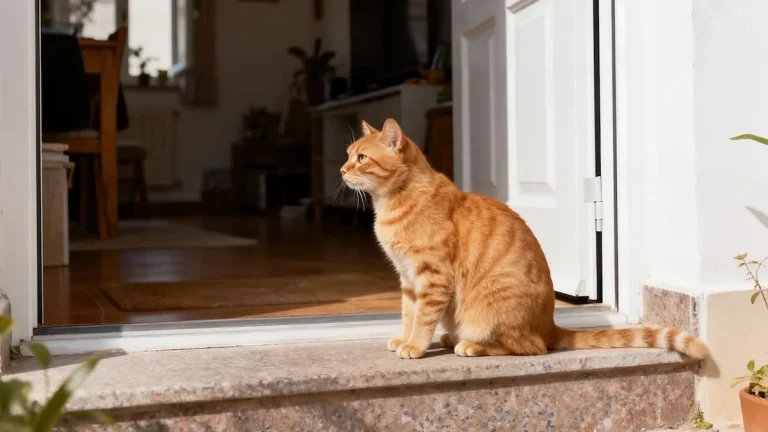
Image source: Web (Bing) / restoredstyle.com (Web image (fair-use with source credit))
Quick Answer
Blot fresh urine immediately with paper towels. Apply an enzymatic cleaner and let it dwell for 10-15 minutes. For dried stains, rehydrate first, then treat with enzymes.
Let everything air dry completely. Repeat if the smell persists. Never use ammonia-based products.
They smell like urine to cats and trigger re-marking.
Why Cat Urine Is So Hard to Remove (The Uric Acid Problem)
Cat urine is not just water and waste. It’s a concentrated cocktail of urea, bacteria, and uric acid. The urea breaks down quickly, which is why fresh urine smells one way and dried urine smells another.
The uric acid is the real villain here. It forms microscopic crystals that bind to fabric fibers and soak deep into foam padding.
Here’s the kicker. Those uric acid crystals are not water-soluble. Plain water, vinegar, or baking soda might neutralize the surface smell temporarily.
But the moment humidity rises, those crystals rehydrate and release the odor all over again. That’s the “phantom smell” so many pet owners chase.
The science explains why your typical household cleaners fail. Most all-purpose sprays are designed to kill bacteria and mask odors. They don’t break down the crystalline structure of uric acid.
Only enzymes can do that. Protease enzymes specifically target the protein bonds in uric acid and break them into harmless byproducts.
So when you’re standing over a stained cushion wondering why the smell keeps coming back, remember this. You’re not dealing with a simple stain. You’re dealing with a crystalline residue that requires a specific chemical reaction to neutralize.
First Steps: Blot, Detect, and Assess Before You Clean
Before you reach for any cleaner, you need to know what you’re working with. Cleaning the wrong way on the wrong surface can make things permanently worse. Start by blotting fresh urine with paper towels or an old microfiber cloth.
Press down firmly and let the towel absorb as much liquid as possible. Do not rub. Rubbing pushes the urine deeper into the padding.
Once you’ve blotted the obvious wet spot, you need to find every stain, not just the one you can see. This is where a UV black light becomes your best friend. Cat urine fluoresces under ultraviolet light, appearing as a yellow-green glow on most fabrics.
Run the light slowly across the entire piece of furniture. You’ll likely find older stains you never knew existed.
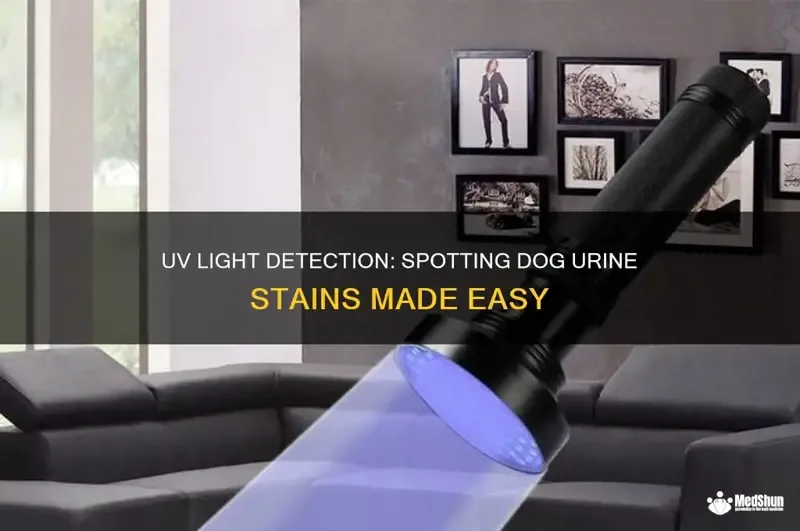
Image source: Web (Bing) / medshun.com (Web image (fair-use with source credit))
Mark each spot you find with a small piece of painter’s tape or chalk. This prevents you from missing spots when you start treating, and it gives you a visual map of the damage. Once you’ve identified every stain, check the fabric type.
Look for the manufacturer’s label or test your chosen cleaner on a hidden area like the underside of a cushion.
The assessment step determines your entire approach. If the stain is fresh, you have options. If it’s dried, older than a few days, you’re in a different situation.
If it’s on wood or leather, you need entirely different handling. Take two minutes to make these decisions now, and you’ll save yourself hours of frustration later.
Decision Branch: Fresh Urine on Fabric Upholstery
Fresh urine is the easiest problem to solve, but you need to move quickly. The longer urine sits, the deeper it penetrates and the harder it becomes to remove. If you catch the accident within a few hours, you have a fighting chance with basic household ingredients.
Start with the blotting method. Layer paper towels over the spot and press down with your hands or a heavy book. Replace the towels as they absorb moisture.
Keep going until the towels come up mostly dry. For larger accidents, a wet/dry vacuum can speed this process up considerably.
Once you’ve extracted as much urine as possible, you have two paths. For very recent stains, a 1:1 vinegar and water solution can work. The acetic acid in vinegar neutralizes some of the ammonia compounds in fresh urine.
Spray the solution on the stain, blot it up, then sprinkle baking soda over the area. Let it sit until dry, then vacuum.
But here’s the honest truth. Vinegar and baking soda only work on the freshest, shallowest stains. If urine has soaked into foam padding or if the spot has been there longer than a few hours, you need an enzymatic cleaner.
Enzyme products contain live bacteria that literally digest the uric acid crystals. That’s the only approach that eliminates the odor at the source.
Decision Branch: Dried or Aged Urine Stains
Dried stains are a different beast entirely. The uric acid crystals have had time to bond with fabric fibers and soak deep into the cushion foam. You can’t just spray and wipe.
You need to rehydrate the crystals first so the enzymes can reach them.
Start by saturating the area with plain water. Let it sit for five to ten minutes. This rehydrates the uric acid crystals and makes them accessible to treatment.
Some experts recommend a light misting over several hours for deeply saturated spots. The goal is to loosen the crystal structure without turning your couch into a swamp.
Once the area is damp, apply a generous amount of enzymatic cleaner. You want the fabric fully saturated but not dripping. Let it dwell according to the manufacturer’s instructions.
Most products require 10 to 15 minutes. Old, stubborn stains may need several hours of contact time.
Here’s the most common mistake. People spray enzyme cleaner and immediately blot it up. That defeats the entire purpose.
Enzymes need time to work. They need a moist environment and a specific temperature range, typically between 77 and 104 degrees Fahrenheit, to stay active. If you interrupt the process, you’re just wasting product.
After the dwell time, let the area air dry completely. This can take anywhere from two hours for surface fabric to 24 hours or more for foam cushions. Use fans to speed up the process, but avoid direct heat.
High temperatures can denature the enzymes before they finish their job.
Once dry, check the spot with your UV light. If it still glows, repeat the treatment. Most deeply embedded stains require two or three enzyme applications before the crystals are fully broken down.
Patience here is not optional. It’s the difference between a fresh-smelling couch and one that reeks whenever the weather gets humid.