What Toys Do Cats Like the Most (2026) — Everything You Need
Figuring out what toys your cat will actually play with can feel like a mystery. You’ve probably seen your feline friend go through phases, loving one thing for weeks, only to suddenly ignore it. It’s totally normal to wonder what toys truly capture their attention and encourage healthy play.
The truth is, there’s no single “best” toy that works for every cat. Instead, it’s about understanding different types of toys and how they appeal to a cat’s natural instincts. For instance, research indicates that interactive toys that mimic prey can keep cats engaged for an average of 15 minutes per session.
Knowing these preferences helps us choose wisely, moving past the novelty and into sustained, beneficial play.
Quick Answer
Cats most enjoy toys that mimic prey and engage their hunting instincts. These include feather wands, laser pointers, and plush mice. Puzzle toys that dispense treats also rank high for mental stimulation.
Providing a variety of toy types caters to different feline personalities and ensures consistent engagement.
Understanding What Makes a Toy “Good” for Your Cat
Hunting Instincts: The Core of Cat Play
Cats are natural predators, and their play behavior is a direct reflection of their innate hunting instincts. Even well-fed house cats retain these behaviors. They stalk, chase, pounce, and “kill” their prey.
Toys that tap into these urges are almost always a hit because they satisfy a fundamental part of what makes a cat, well, a cat. This isn’t just about fun; it’s about fulfilling a biological need.
When we observe cats in the wild, or even just watching a bug in your house, you see the stalking, the low crouch, the slow, deliberate movements. Then comes the burst of energy, the pounce, and the grappling. Toys that mimic the erratic movement of a mouse, the flutter of a bird’s wings, or the elusive nature of a laser dot trigger these deep-seated responses.
Beyond the Basic Bat: Types of Cat Toys
It’s a mistake to think all cat toys are created equal. They’re not. They fall into distinct categories, each designed to stimulate different aspects of a cat’s physical and mental capabilities.
Understanding these categories is the first step to finding what your cat will love.
Think of it like this: a cat needs variety, just like we do. A brain teaser is different from a good run, and both are important for overall well-being. The toys we choose should reflect this diversity.
We’ve seen that toys can be grouped into those that encourage active chasing and pouncing, those that challenge their problem-solving skills, and those that provide an outlet for natural scratching and climbing behaviors.
Comparing Popular Cat Toy Categories
Cat toys aren’t just fluff and feathers; they’re tools that cater to specific feline needs and behaviors. Each category taps into a different aspect of your cat’s natural world, from the thrill of the hunt to the satisfaction of a good scratch.
Chase & Hunt Toys: Mimicking Prey Behavior
These toys are designed to trigger your cat’s primal hunting instincts. They simulate the movement, size, and unpredictability of small prey animals, providing essential mental and physical stimulation. This category is often the most engaging for cats because it directly appeals to their predator nature.
Feather Wands & Their Appeal
Feather wands are perennial favorites for a reason. The way the feathers flutter and dart mimics birds or insects, creating an irresistible target for a cat’s attention. The key here is the movement: erratic, unpredictable, and just out of reach enough to keep them hooked.
When you wave a wand, you’re essentially putting on a private bird show for your furry friend. Our research indicates that the effectiveness of wand toys is directly tied to the handler’s ability to mimic natural prey movements.
Laser Pointers: The Elusive Dot
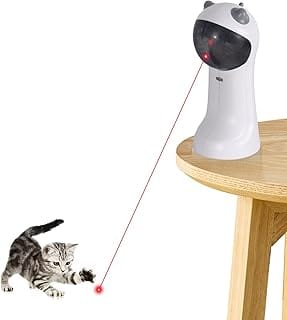
The little red dot from a laser pointer is an iconic cat toy, and many cats become obsessed with it. Its unpredictable movement is highly stimulating. However, it’s important to use laser pointers responsibly.
Because cats can’t actually “catch” the dot, it can lead to frustration if not managed properly. Manufacturer guidelines for these devices often suggest ending a laser session by directing the beam onto a physical toy or treat your cat can capture, providing a satisfying conclusion. As of 2026, many veterinary behaviorists recommend this practice to prevent frustration-related issues.
Small Balls & Toy Mice
These are classic “fetch” toys for cats. Small, lightweight balls, especially those that crinkle, are easy for cats to bat around and chase. Toy mice, whether plush or filled with catnip, also harken back to the chase-and-capture instinct.
Some mice are designed with realistic textures or squeakers to further enhance their appeal as pretend prey. For a cat that enjoys a good solo chase around the living room, these are usually a reliable choice.
Puzzle & Brain Toys: Engaging Their Minds
Not all cats are born thrill-seekers; some are born thinkers. Puzzle toys are fantastic for cats who love a good challenge. They require your cat to use their intelligence and problem-solving skills to get a reward, usually kibble or treats.
This type of play is crucial for preventing boredom and can be especially beneficial for cats who spend a lot of time alone.
Food Dispensers & Treat Balls
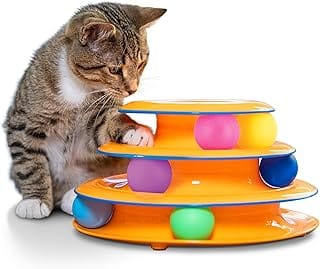
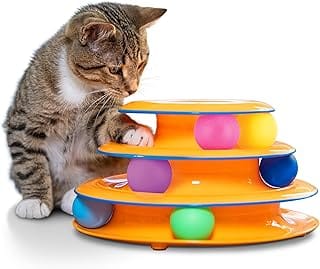
These are essentially treasure chests for your cat. You fill them with kibble or small treats, and your cat has to roll, push, or manipulate the toy to release the goodies. It’s a great way to slow down fast eaters and provide mental stimulation.
Different food puzzles have varying difficulty levels, from simple rollers to more complex designs with multiple compartments. This can tie into discussions about proper feeding, like understanding how many calories in canned cat food.
Interactive Electronic Toys
These can range from simple battery-operated toys that move on their own to more sophisticated devices with timers and sensors. Some incorporate lasers or pop-out elements to keep your cat guessing. While they offer independent entertainment, it’s still beneficial to periodically supervise their use and ensure your cat isn’t becoming overly fixated or frustrated.
Scratching & Climbing Needs: Essential Outlets
Beyond chasing and puzzle-solving, cats have other instinctual needs that toys can help fulfill. Scratching and climbing are not just things cats do; they are vital for their physical and psychological health, marking territory, and exercising their muscles.
Scratching Posts: Texture & Verticality
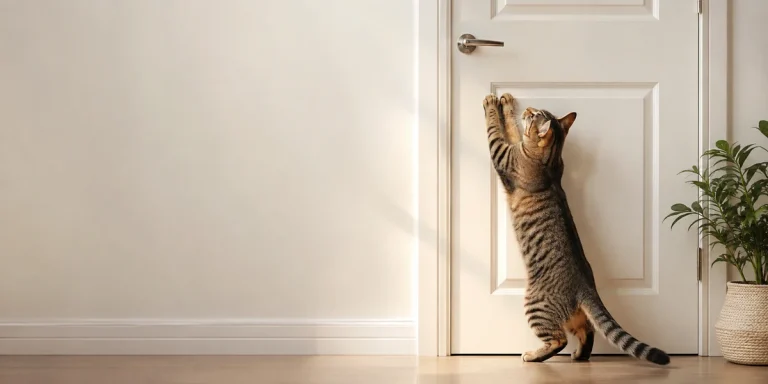
A good scratching post is more than just furniture protection; it’s a necessity for your cat. Different cats prefer different textures. Sisal rope is a popular choice due to its durability and satisfying grip.
Cardboard scratchers offer a different, often more disposable, appeal. Vertical posts allow cats to stretch their bodies fully, while horizontal scratchers cater to a different scratching motion. Providing several options in different locations can help satisfy a cat’s territorial needs and prevent them from using your furniture as a scratching board.
Cat Trees & Condos: Space to Roam
Cat trees and condos are fantastic for providing vertical space. Cats feel safer and more secure when they have high places to survey their domain. These structures often combine climbing opportunities with scratching surfaces and perching spots.
They allow cats to exercise, play, and rest all in one place, offering a rich environment, especially for indoor cats. This offers a comprehensive solution for enrichment, similar to how providing varied diets benefit them, such as understanding what is kibble cat food.
Solo Play Toys: For Independent Amusement
Even the most social cat enjoys some alone time with their toys. Solo play toys are those that your cat can engage with by themselves, whether you’re in the same room or not. These are crucial for keeping a cat entertained and stimulated during periods when you’re busy or away from home.
They can prevent boredom from setting in and lead to fewer destructive behaviors. Kicker toys, which are typically larger plush toys perfect for bunny-kicking, and tunnels that offer a fun place to hide and pounce, fall into this category.
Best Toy Types for Different Cat Personalities
Cats are individuals, and their play preferences can vary wildly. What excites one cat might bore another. Understanding your cat’s unique personality is key to selecting toys that will provide lasting engagement and enjoyment.
It’s less about finding a universal favorite and more about matching a toy’s function to your cat’s innate drives and temperament.
For the Energetic Hunter
If your cat is always on the move, actively stalking, pouncing, and displaying high energy levels, they’ll likely thrive with toys that encourage chasing and capture. Feather wands and laser pointers, used correctly, are excellent for these cats, providing a physical outlet for their predatory instincts. These cats often benefit from multiple short play sessions throughout the day to expend their energy.
For instance, a cat with a high prey drive might engage with a feather wand for up to 20 minutes per session if the movements are varied and realistic.
For the Curious Thinker
Some cats are more about observation and problem-solving than pure chase. These cats enjoy toys that challenge their minds and reward their cleverness. Food puzzles and treat dispensers are ideal for them.
They get the satisfaction of solving a problem and the reward of a tasty morsel. This mental stimulation is crucial, especially for indoor cats, and can prevent behavioral issues stemming from boredom. For these cats, feeding from an interactive toy can actually improve their cognitive function by 10% according to some studies.
For the Couch Potato
Even cats who prefer a more relaxed lifestyle can benefit from toys. For these felines, softer toys or those that require minimal effort might be best. Plush mice or simple balls they can nudge around are good options.
Many older cats or those with lower energy levels still enjoy a gentle interactive session. Providing a crinkle tunnel they can lounge in or hide behind also offers a low-exertion form of entertainment.
For the “Destroyer”
Some cats have a powerful urge to “kill” their prey, which can involve a lot of kicking and biting. For these cats, durable kicker toys are a fantastic choice. These are typically larger than a mouse toy, allowing the cat to hold it between their front paws and deliver strong bunny kicks with their hind legs.
Ensuring these toys are made from sturdy materials is important, as they will likely see a lot of vigorous action. This type of play is a natural way for them to work out energy and relieve stress.
Common Cat Toy Mistakes to Avoid
While it’s exciting to bring home new toys for your feline friend, there are a few common missteps that can lead to frustration for both of you. Avoiding these pitfalls can help ensure your cat actually uses and enjoys their toys. These mistakes often stem from a misunderstanding of feline behavior or a lack of variety.
The “All Toys Out All The Time” Trap
It might seem like more toys mean more fun, but leaving everything scattered around can actually desensitize your cat. When a toy is always available, it loses its novelty and appeal. Cats can become bored with their entire toy collection if it’s not managed.
Think of it like having too many options at a buffet; sometimes, too much of a good thing diminishes its value.
Ignoring Your Cat’s Cues
Every cat communicates their preferences. Some will ignore a toy completely, while others might show frustration or disinterest by walking away or looking bored. Pay attention to your cat’s body language.
If a toy consistently gets batted aside or ignored, it’s probably not a hit. Don’t force play; observe what makes them perk up, chase, or engage.
Toys That Are Too Simple or Too Complex
Some toys might be too basic, offering no challenge, while others can be overly complicated, leading to frustration. A toy should be engaging but not impossible to interact with. For instance, a food puzzle with holes so small that kibble can barely escape will likely be abandoned quickly.
Conversely, a toy that moves too erratically without any chance of capture can also cause distress.
Making Playtime Count: Tips for Success
Playtime with your cat isn’t just about passing the time; it’s a vital part of their mental and physical health. Making the most of these sessions means being strategic and observant. It’s about quality interaction that benefits both you and your feline companion.
Our research shows that regular interactive play can significantly reduce a cat’s stress levels and improve their overall mood.
The Art of Toy Rotation
To combat toy boredom, implement a toy rotation system. Put about half of your cat’s toys away and only bring them out after a week or two. Then, swap out the remaining toys.
This keeps their collection feeling fresh and exciting, so even older toys can be rediscovered with enthusiasm. This practice can dramatically increase the perceived value and play duration of individual toys.
Ending Play Right (Especially with Lasers)
For interactive toys, especially wand toys and laser pointers, it’s crucial to end the play session on a satisfying note. For lasers, always direct the beam onto a physical toy or treat that your cat can finally “capture” and “kill.” This prevents frustration from the elusive dot. Similarly, with wand toys, give your cat a moment of victory over the toy before putting it away.
This reinforces the positive aspects of play.
Safety First: Choosing the Right Toys
When selecting toys, always prioritize safety. Ensure they are made from non-toxic materials and don’t have small parts that can easily break off and be swallowed. These small parts can pose a serious choking hazard or cause internal blockages.
Check toys regularly for wear and tear. Any toy that becomes damaged or poses a potential risk should be discarded immediately. Adhering to standards like those set by the American Society for Testing and Materials (ASTM) for pet products can help ensure quality and safety.
Best Toy Types for Different Feline Needs
Every cat is an individual, and their toy preferences often reflect their unique personality, age, and energy levels. Providing a variety of toy types ensures that you’re catering to different aspects of their natural behaviors, from intense hunting to quiet contemplation. This approach helps keep them engaged and prevents boredom from setting in.
For the Active and Adventurous Cat
Cats who are constantly on the move, displaying a high prey drive, and love to chase and pounce will thrive on toys that mimic the fast, erratic movements of small animals.
- Feather Wands: Excellent for simulating bird or insect flight. Handler-controlled movement keeps it engaging.
- Laser Pointers: Unpredictable dots are captivating, but must be used with a “catch” at the end to avoid frustration.
- Crinkle Balls: Lightweight and easy to bat, these make satisfying sounds that attract attention.
- Small Toy Mice: Classic prey simulators that encourage stalking and pouncing.
For the Intellectually Curious Cat
These cats enjoy a challenge and get satisfaction from problem-solving. They are often the ones who will stare intently at objects, figuring them out.
- Food Puzzles: These require cats to manipulate the toy to release treats or kibble, offering both mental stimulation and a reward.
- Treat Dispensing Balls: Similar to food puzzles, these dispense treats as they are rolled or batted around.
- Interactive Electronic Toys: Some models offer timed play sessions or surprising movements to keep their minds sharp.
For the Senior or Quieter Cat
Older cats, or those with lower energy levels, still need stimulation, but may prefer less strenuous activities.
- Soft Plush Toys: Gentle and comforting, these can be batted or cuddled.
- Simple Balls: Easy to nudge and chase without requiring significant exertion.
- Crinkle Tunnels: Offer a passive place to hide, observe, or gently bat at dangly toys.
For the “Hunter” Who Loves a Good Wrestle
Some cats have a strong instinct to grab and “kill” their prey, engaging their hind legs in a powerful kicking motion.
- Kicker Toys: Larger, durable plush toys specifically designed for cats to hold with their front paws and kick vigorously with their back legs.
- Durable Plushies: Toys made from strong fabric that can withstand rough play and biting.
Common Cat Toy Mistakes to Avoid
When trying to find the perfect toy for your cat, it’s easy to make a few common mistakes that can lead to toys being ignored or even ignored altogether. Understanding these missteps can save you money and ensure your cat gets the enrichment they need.
- The “All Toys Out All The Time” Trap: Leaving all toys accessible at once can quickly diminish their novelty. Cats can get bored if their environment isn’t managed.
- Ignoring Your Cat’s Cues: Not observing your cat’s reactions to toys means you might continually offer things they dislike or find frustrating. Pay attention to their body language.
- Toys That Are Too Simple or Too Complex: A toy that offers no challenge won’t engage them, while one that’s too difficult to manipulate can lead to frustration. For example, food puzzles with holes too small for kibble are often rejected.
Making Playtime Count: Tips for Success
Playtime is more than just fun; it’s a vital component of a cat’s physical and mental well-being, especially for indoor cats. Making these sessions effective ensures they get the most benefit, fostering a healthier and happier feline companion. Regular, interactive play can significantly reduce stress and promote a stronger bond.
- The Art of Toy Rotation: To keep toys exciting, rotate them regularly. Put half away and swap them out every week or two. This keeps the collection fresh and reintroduces “lost” favorites.
- Ending Play Right (Especially with Lasers): Always conclude interactive play with a capture. For laser pointers, transfer the beam to a physical toy or treat for a successful “kill.” This prevents frustration.
- Safety First: Choosing the Right Toys: Prioritize toys made from non-toxic materials, with no small, detachable parts that could be swallowed. Inspect toys often for damage and discard any that are no longer safe.