How to Stop Cat Scratching Door in Morning
Your cat starts scratching the bedroom door at 4:30 AM like clockwork. You pull the pillow over your head. It gets louder.
Finally, you cave, open the door, and a furry blur zooms past you to the kitchen.
Sound familiar? Learning how to stop cat scratching door in morning isn’t about punishing the behavior. It’s about figuring out what your cat actually wants and rerouting that energy into something that doesn’t involve your door frame.
As of 2026, the American Association of Feline Practitioners recommends positive redirection and environmental enrichment over any form of punishment. Once you understand the root cause, the fix becomes simple.
Let’s walk through it step by step.
Image source: Web (Bing) / somewallpapers.com (Web image (fair-use with source credit))
Decode the 4:30 AM Paw Attack: Why Cats Scratch Doors in the Morning
Cats don’t scratch doors to annoy you. They scratch because they’ve learned it works. Your cat wakes up hungry, bored, or lonely, and scratching produces a result.
You open the door. You feed them. You yell.
All of these are responses.
The Three Real Reasons Cats Do This
Hunger. This is the most common trigger. Cats are crepuscular, meaning they’re most active at dawn and dusk. If their last meal was 10 hours ago, their empty stomach is a powerful motivator.
Boredom. Indoor cats carry a lot of pent-up energy. If your cat spent the night sleeping while you slept, they wake up ready to play, hunt, and explore. The door is just the most convenient target.
Attention. Some cats don’t care if the attention is positive or negative. Scratching is loud enough to guarantee a reaction. A grumpy “stop it!” still counts as engagement.
Why Scolding or Yelling Never Works Long-Term
Here’s the hard truth. Negative attention still reinforces the behavior. Your cat learns that scratching brings social interaction, even if it’s angry interaction.
The door frame becomes a tool for getting your attention.
The “Extinction Burst” Every Owner Hits (and Quits On)
There’s a psychological phenomenon called an extinction burst. When you stop responding to a learned behavior, the behavior temporarily gets worse before it fades. Your cat will scratch louder and harder for a few days after you start ignoring them.
Most owners quit right at this point. They think the strategy failed. It didn’t.
The extinction burst is a sign that the old habit is breaking. Persist through that window, and you’ll see real progress.
Quick Answer
Scratching stops when you remove the payoff. Identify whether your cat is hungry, bored, or seeking attention. Then fix that specific trigger.
Use automatic feeders for hunger. Play before bed for boredom. Ignore the scratching for attention.
Redirect claws to a proper post near the door. Expect a temporary spike before improvement.
Is Your Cat Scratching for Food? (The Hunger Branch)
Hunger-based scratching is the easiest to identify. Check the timing first. If your cat scratches at roughly the same time every morning, and that time lines up with their usual feeding moment, you’re dealing with a stomach-driven routine.
Your cat’s body clock is accurate. They know when breakfast is coming, and their internal alarm goes off whether you’re ready or not. The scratching is their way of speeding up the process.

Image source: Web (Bing) / aliexpress.com (Web image (fair-use with source credit))
How to Test This: Track the Scratching Time vs. Your Feeding Schedule
Keep a simple log for three mornings. Write down the exact time the first scratch happens, and what time you typically feed breakfast. If the scratch time falls within 30 minutes of feeding time, hunger is your culprit.
The Fix: Automatic Feeders Set 15 Minutes Before the Scratch Time
An automatic feeder is the cleanest solution. Set it to dispense a small meal 15 minutes before your cat usually starts scratching. This way, the food arrives before the behavior starts.
Over time, your cat learns that food comes from the machine, not from scratching the door.
Program the feeder to be quiet. A loud kibble drop can itself become a cue for the same routine. Look for a feeder with a silent motor or test the sound level before committing.
Titration: Gradually Shifting the Feeding Window Later
If you prefer to move breakfast later, do it slowly. Shift the feeding time by five minutes every three days. A sudden schedule change confuses your cat and makes the scratching worse.
Gradual shifts let their internal clock adjust without triggering frustration.
This method requires patience. It can take two to three weeks to move breakfast a full half hour. But the result is a cat who waits calmly instead of scratching.
Is Your Cat Scratching for Play? (The Boredom Branch)
Not all door scratching is about food. Some cats just have an excess of energy and nowhere to put it. This is especially true for indoor-only cats who don’t have outdoor territory to patrol and hunt.
Signs of Pent-Up Night Energy in Indoor Cats
Here’s what boredom looks like. Your cat scratches the door, but they also race around the house at 3 AM. They knock things off tables.
They meow at the door even after being fed. They might even lose interest in the food bowl only an hour after eating.
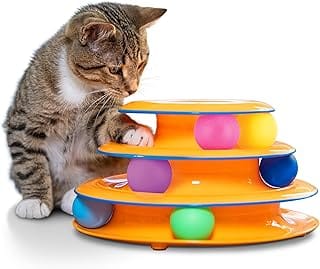
These are all signs that your cat needs more active play, not more calories. If you’ve got one of these, checking out our breakdown of top-rated active cat toys can help you look at engagement differently.
The Fix: A 15-20 Minute Pre-Bedtime Play Session
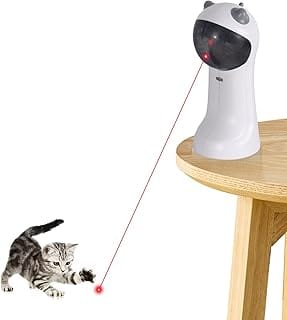
The solution is to exhaust your cat before you go to sleep. A focused 15 to 20 minute play session using a wand toy or laser pointer works best. The goal is to let them chase, pounce, and catch.
This taps into their natural hunting instinct and burns the energy that would otherwise be aimed at your door.
End the session with a small treat or meal. This mimics the hunt-catch-eat sequence of a wild cat. Your cat gets the full behavioral loop satisfied, which makes them far more likely to sleep through the night.
Make the play session interactive. A toy that moves on its own can help, but it’s not as effective as a wand toy you control. You are simulating prey, and that simulation needs to be convincing.
Green Flags: Exhausted Cat vs. Still Alert at Midnight
After a proper play session, your cat should be visibly winding down. They should groom themselves, settle into a sleeping position, or show relaxed body language. A cat that’s still pacing, yawning, and alert 30 minutes after play isn’t exhausted yet.
Consider extending the session or increasing the intensity.
For home-alone situations, interactive puzzle feeders during the day can also reduce evening hyperactivity. If your cat is alone and understimulated most of the day, they’ll have more energy to burn at night.
Is Your Cat Scratching for You? (The Attention Branch)
Some cats don’t care about food or play. They want you to be awake and present. These cats typically scratch the door, then stop the moment you open it and show them attention.
They might even purr or rub against your legs rather than heading straight for the kitchen.
Recognizing “I Just Want You to Wake Up” Behavior
Watch what happens after you open the door. A hungry cat makes a beeline for the food bowl. A bored cat zooms around looking for something to do.
An attention-seeking cat slows down, looks at you, and seems satisfied just to have you awake.
This is the hardest pattern to break because you have to ignore your cat completely. No eye contact. No talking.
No sighing. No opening the door.
The Fix: The Strict 10-Minute No-Response Rule
Here’s the plan. When your cat starts scratching, you don’t respond for at least 10 minutes. No talking.
No movement. No eye contact. After 10 minutes of silence, you can get up and go about your morning routine as if nothing happened.
The 10 minute minimum is critical. Any shorter, and your cat learns that persistent scratching eventually works. They’ll simply scratch for longer next time.
Why Even Negative Attention (Yelling) Makes It Worse
Here’s the psychological trap. Yelling at your cat is still attention. It still raises the cat’s heart rate and confirms that scratching is an effective way to get you engaged.
From your cat’s perspective, angry attention is better than no attention.
If your cat is particularly persistent, you might need to close the bedroom door and cover the bottom with a barrier. A piece of cardboard or a draft stopper can muffle the sound without giving your cat the reaction they want.
For stubborn cases, consider a cat door or install a cat door in a wall to give your cat autonomy. Sometimes the easiest fix is to remove the barrier entirely and let your cat come and go freely.
The Physical Blockers: Door Deterrents That Actually Work
Sometimes you need a short-term solution while longer behavioral training takes effect. Physical deterrents can help in two ways: they protect your door and they break the immediate reward loop by making scratching unpleasant.
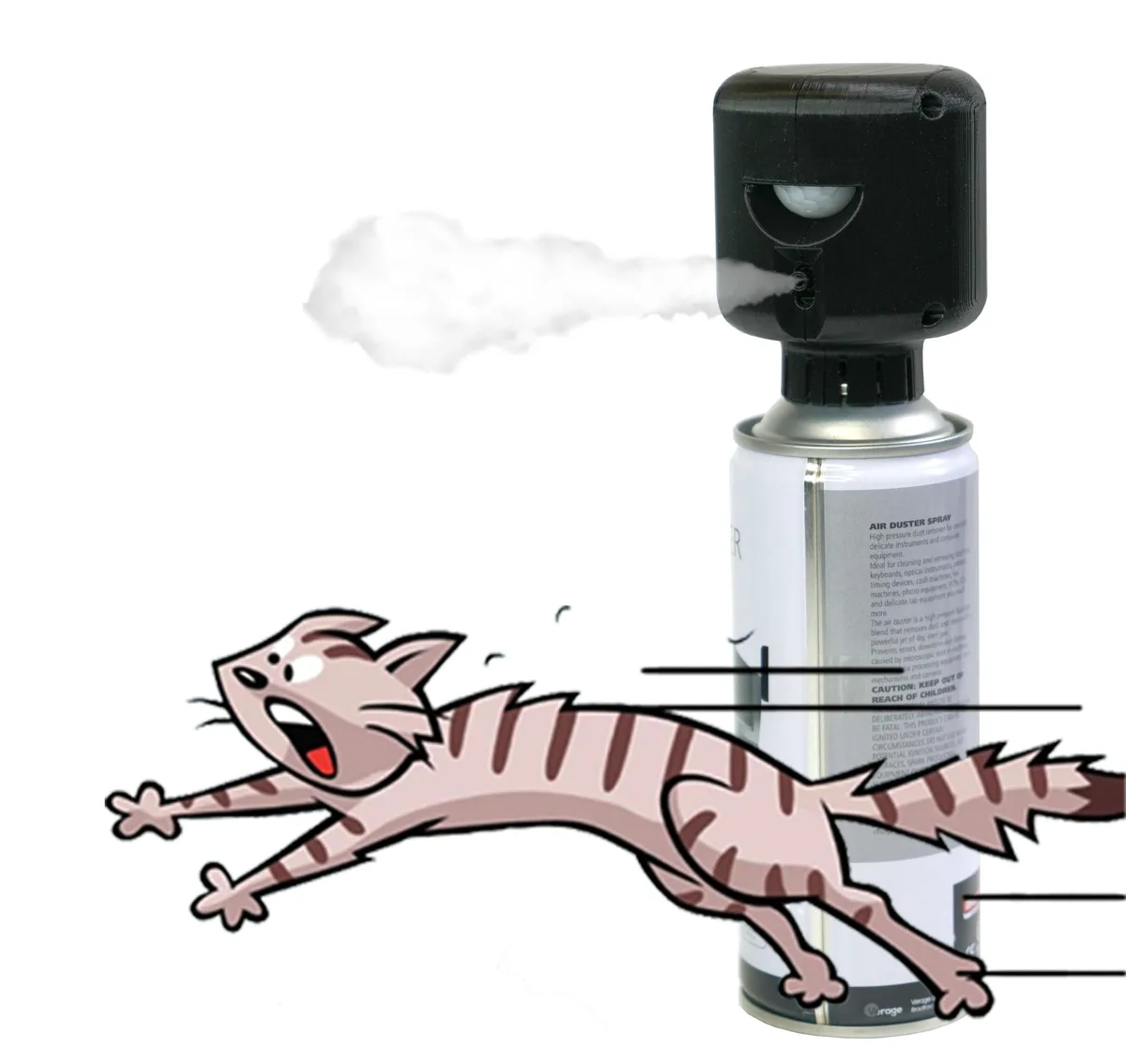
Image source: Web (Bing) / etsy.com (Web image (fair-use with source credit))
Motion-Activated Air Canisters (How to Position Them)
These devices release a short burst of compressed air when a cat approaches. They’re humane and effective because cats dislike the sensation of air on their whiskers and fur. Position the canister near the base of the door, about 6 to 10 inches away.
The sensor should point outward, facing the direction your cat approaches from.
The key is placement. If it’s too far from the door, your cat will scratch before triggering it. Too close, and the air blast might hit the door instead of the cat.
Test the sensor range before setting it up for the night.
Double-Sided Tape for the Door Frame (the Passive Option)
Cats hate sticky surfaces. Applying double-sided tape or a commercial cat-scratch deterrent tape to the bottom 12 inches of the door frame makes scratching feel wrong. The tape doesn’t hurt your cat.
It just annoys their paws and breaks the habit loop.
Replace the tape every few days. Dust and fur will reduce its stickiness, and your cat will learn to avoid the area once the association is firm.
White Noise Machines for Your Side of the Door
A white noise machine can’t stop your cat from scratching, but it can save your sleep. Place it near the bedroom door and set it to a volume that masks the scratching sound. This removes the auditory payoff that drives much of the behavior.
Your cat still scratches, but you don’t hear it, and they don’t get a reaction.
What to Avoid: Anything That Could Hurt or Terrify the Cat
This is the critical warning. Never use deterrents that physically harm your cat. That includes shock mats, loud bang traps, or spray bottles with harmful chemicals.
The AAFP guidelines emphasize that fear-based methods increase anxiety and aggression. A stressed cat is more likely to act out, not less.
If your cat is scratching excessively throughout the day or ignoring food, a vet visit is warranted. Medical issues can cause behavioral changes that no amount of training will fix. This isn’t a scolding, it’s a genuine concern for their wellbeing.