Guide to Which Cat Food Is Healthiest 2026: Explained Simply
Figuring out which cat food is healthiest can feel like a puzzle, especially with so many options on the shelves. Is it the one with the flashy packaging, the one your neighbor swears by, or something else entirely? We’ve sifted through the research to help you make the best choice for your cat’s well-being.
What “healthy” means for your cat often depends on their unique needs, like age, activity level, and any specific health concerns. Generally, a healthy diet is one that supports optimal bodily function through quality ingredients. For instance, the Association of American Feed Control Officials (AAFCO) provides guidelines ensuring pet foods are nutritionally complete and balanced for specific life stages, a crucial benchmark for quality.
Quick Answer
The healthiest cat food prioritizes high-quality animal protein, adequate moisture, and essential nutrients, while minimizing fillers and artificial additives. For most cats, a high-moisture wet food is often considered healthier due to its alignment with natural feline dietary needs. Checking ingredient lists for named meat sources and consulting veterinary recommendations ensures you’re making the best nutritional choice.
Wet Food vs. Dry Food: Which Reigns Supreme for Your Cat?
This is a big fork in the road when it comes to feeding your cat. Both wet cat food and dry cat food, often called kibble, have distinct advantages and disadvantages. Understanding these differences is key to selecting the most appropriate diet for your furry companion.
The best choice isn’t always one-size-fits-all; it depends on your cat’s individual requirements.
The Pros of Wet Cat Food
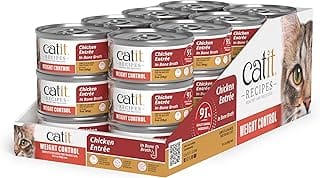
Wet cat food is a powerhouse for hydration. Cats naturally have a low thirst drive, so a diet high in moisture helps them stay properly hydrated, which is critical for kidney and urinary tract health. In our research, many veterinary professionals recommend wet food as a primary option precisely because of this high water content.
It also generally contains a higher percentage of protein and fewer carbohydrates compared to many dry foods, aligning better with a cat’s natural carnivorous diet. This can also contribute to feelings of fullness, potentially aiding in weight management. For cats that are picky eaters, the palatability of wet food often makes it a winner.
The Cons of Wet Cat Food
While beneficial, wet cat food does come with its drawbacks. It is typically more expensive per serving when compared to dry kibble. Once a can or pouch is opened, it needs to be refrigerated and used within a short timeframe, usually 2-3 days, to prevent spoilage and bacterial growth.
How Long Does Canned Cat Food Last Once Opened details this need for storage and timely consumption. Unlike kibble, it doesn’t offer potential dental cleaning benefits, as the softer texture doesn’t provide the same abrasive action against teeth.
The Pros of Dry Cat Food (Kibble)
Dry cat food, or kibble, offers undeniable convenience. It’s simple to store, can be left out for cats to graze on throughout the day (though portion control is still vital), and is generally more budget-friendly than wet food. This convenience makes it a popular choice for busy pet owners.
As detailed in What Is Kibble Cat Food, kibble’s shelf-stability and ease of use are its primary selling points. Some kibble formulas are also designed to help with dental hygiene by providing a crunchy texture that can help scrape plaque from teeth, though it is not a substitute for proper dental care.
The Cons of Dry Cat Food (Kibble)
The most significant concern with dry cat food is its low moisture content. This can contribute to chronic dehydration if a cat doesn’t compensate by drinking enough water, potentially increasing the risk of urinary tract infections and kidney issues. Manufacturer specifications often show moisture levels below 10%, compared to 70-80% in wet food.
Additionally, many dry foods contain higher levels of carbohydrates and fillers, such as corn, wheat, or soy, which are less ideal for a cat’s digestive system and nutritional needs. For cats prone to weight gain, the continuous availability of kibble can also make portion control challenging, leading to obesity.
Decoding Cat Food Labels: Ingredients That Matter
Understanding what’s actually in your cat’s food is fundamental to choosing the healthiest option. The ingredient list isn’t just a formality; it tells a story about the food’s quality and suitability for your feline friend. When you’re comparing different brands, a keen eye on the ingredient panel can make all the difference.
What to Look for: The “Good Signs” in Ingredients
When you scan an ingredient list, you want to see whole, recognizable sources of animal protein right at the top. This means ingredients like “chicken,” “turkey,” “salmon,” “beef,” or “lamb.” These are the building blocks of a cat’s diet, and seeing them listed first indicates they are primary components. “Meat meal,” like “chicken meal” or “fish meal,” is also a good sign; it’s a concentrated source of protein derived from meat and is highly digestible for cats.
Equally important are named fat sources such as “chicken fat” or “fish oil,” which provide essential fatty acids for energy, skin, and coat health. Finally, ensure vitamins and minerals are present, typically listed towards the end of the ingredient panel, as they are crucial for overall health.
What to Watch Out For: Ingredients to Be Wary Of
Conversely, there are ingredients that should raise a flag. If grains like corn, wheat, or soy appear as the first few items on the list, it’s often a sign that the food is relying heavily on fillers rather than premium protein sources. While not all cats have adverse reactions to these, they don’t offer the same nutritional density as animal proteins.
Also, be cautious of vague terms like “meat by-products” or “poultry by-products” without clarification on the animal source. These can be of lower quality and digestibility. Lastly, artificial colors, flavors, and preservatives are unnecessary additives that don’t provide any health benefits and could potentially cause sensitivities in some cats.
Tailoring Nutrition: Cat Food for Different Life Stages & Needs
What’s considered the healthiest cat food can shift depending on your cat’s age, activity level, and any underlying health conditions. A kitten’s dietary needs are vastly different from those of a senior cat, and specific health issues can require specialized nutritional support. Understanding these variations ensures you’re providing optimal nourishment for every stage of your cat’s life.
Kitten Nutrition Needs
Kittens require a diet formulated specifically for growth and development. This means higher levels of protein, fat, and essential vitamins and minerals to support their rapidly developing bodies. Formulas designed for kittens, as discussed in Best Cat Food For 6 Month Old Kitten, provide the energy and nutrients needed for everything from building strong bones to developing a healthy immune system.
As a general guideline, kitten food should contain at least 30% protein by dry matter analysis.
Adult Cat Dietary Requirements
Once a cat reaches adulthood, typically around one year of age, their nutritional needs change to maintenance rather than growth. Adult cat food should provide a balanced ratio of protein, fats, and carbohydrates, along with essential vitamins and minerals. The specific requirements will vary based on activity level; a highly active cat may need more calories than a sedentary indoor cat.
For example, What is Kibble Cat Food often details the caloric density, which should be considered in daily feeding amounts to prevent weight gain or loss.
Senior Cat Food Considerations
As cats age, typically between 7 and 10 years old, their metabolism slows down, and they may develop age-related health conditions. Senior cat food formulas often feature slightly lower calorie counts to help manage weight, but with highly digestible protein sources to maintain muscle mass. They might also include added supplements like glucosamine or omega-3 fatty acids to support joint health, or ingredients to aid kidney function.
These specialized diets are designed to support the unique physiological changes that occur as cats enter their senior years.
Special Diets for Health Issues
For cats with specific health concerns, veterinary therapeutic diets are often the healthiest and most appropriate choice. These prescription foods are formulated to manage conditions such as kidney disease, diabetes, urinary tract issues, or severe allergies. For instance, a cat with anemia might benefit from food rich in iron and B vitamins, as highlighted in Best Cat Food For Anemic Cats, where specific nutrient profiles are crucial for dietary management.
It is vital to consult with your veterinarian before making any changes to a cat’s diet, especially if they have a diagnosed medical condition, as improper food choices can exacerbate health problems.
Choosing the Healthiest Cat Food: Your Step-by-Step Guide
Selecting the best food for your cat involves more than just picking a pretty bag off the shelf. It’s a thoughtful process that requires attention to their individual needs and a clear understanding of nutritional science. By following these steps, you can confidently make informed decisions to support your cat’s long-term health and vitality.
Step 1: Consult Your Veterinarian
Your veterinarian is your most valuable resource when determining the healthiest diet for your cat. They can assess your cat’s overall health, identify any underlying medical conditions, and provide personalized recommendations based on their professional knowledge and your cat’s specific history. They can advise on whether a specific life-stage formula, a therapeutic diet for a health issue, or even a homemade diet for specific circumstances is best.
For example, if your cat is displaying symptoms of a potential health problem, your vet can rule out serious conditions before dietary changes are considered.
Step 2: Assess Your Cat’s Individual Needs
Beyond general life stage, consider your cat’s unique characteristics. How active are they? Are they prone to weight gain or do they struggle to keep weight on?
Do they have any digestive sensitivities, skin issues, or known allergies? Recording these observations will help you and your vet narrow down the best food options. For instance, a very active cat might need a food with a higher caloric density, as detailed in How Many Calories In Canned Cat Food, to meet their energy demands.
Step 3: Carefully Read and Compare Food Labels
Once you have a better understanding of your cat’s needs, it’s time to scrutinize food labels. Look for the guaranteed analysis, which lists minimum percentages of crude protein and fat, and maximum percentages of crude fiber and moisture. Pay close attention to the ingredient list, prioritizing named animal protein sources at the beginning.
Avoid foods with excessive fillers or vague ingredients. As of 2026, the general consensus among pet nutritionists remains that a shorter ingredient list with identifiable, high-quality components is usually a sign of a better food.
Step 4: Consider a High-Quality Wet Food Option
For many cats, a high-quality wet cat food is often the top choice for a healthy diet. Its high moisture content naturally supports hydration, critical for preventing urinary and kidney problems. Wet foods generally mimic a cat’s natural prey diet more closely, offering higher protein and lower carbohydrate levels than most dry kibbles.
If your cat isn’t a great drinker, transitioning to a predominantly wet food diet can significantly improve their hydration status and overall health.
Step 5: Introduce New Foods Slowly
If you decide to switch your cat’s food, it’s crucial to do so gradually to avoid digestive upset. This transition period typically spans 7 to 10 days. Start by mixing a small amount of the new food with their current food, gradually increasing the proportion of the new food and decreasing the old over the week.
For example, you might start with 25% new food and 75% old food for a couple of days, then move to 50/50, then 75/25, and finally 100% new food. This allows your cat’s digestive system to adjust.
Step 6: Observe Your Cat’s Health and Well-being
After introducing a new food, monitor your cat closely for any changes in their health. Look for signs of a healthy diet, such as a shiny coat, clear eyes, good energy levels, and normal, firm stools. Conversely, watch for adverse reactions like vomiting, diarrhea, lethargy, excessive scratching, or changes in appetite.
If you notice any negative signs, revert to the previous food and consult your veterinarian. Sometimes, even with the best intentions, a “healthy” food just doesn’t agree with a particular cat’s system.
Common Mistakes When Choosing Cat Food
Selecting the right food for your cat is vital, and it’s easy to stumble into common traps. Many pet owners inadvertently make choices that don’t serve their cat’s best interest, often due to marketing or a lack of clear information. Being aware of these pitfalls can help you steer clear of them and ensure your cat receives optimal nutrition.
- Relying Solely on Marketing: Some cat foods boast “grain-free” or “all-natural” labels without necessarily being the healthiest overall. These buzzwords can be misleading. Focus on the actual protein sources and overall nutritional profile, not just marketing claims.
- Ignoring the Ingredient List Order: The first few ingredients make up the bulk of the food. If they aren’t quality protein sources, the food is probably not the best choice. A food listing “corn” or “wheat” before “chicken” or “fish” is a red flag.
- Choosing Food Based on Price Alone: While budget is a factor, the cheapest options often come with lower-quality ingredients. Investing a bit more in a quality food can prevent future health issues and vet bills. Consider the long-term health benefits versus the immediate cost savings.
- Not Considering Life Stage Appropriateness: Feeding a kitten-specific food to an adult cat, or vice-versa, can lead to nutritional imbalances. Kittens need more calories and specific nutrients for growth, while seniors may need fewer calories and support for age-related issues. Ensure the food is tailored for your cat’s current life stage, as recommended in articles like When Should A Cat Stop Eating Kitten Food.
- Overlooking Moisture Content: Especially with dry kibble, the lack of moisture is a significant drawback for cats. Many owners underestimate the importance of hydration from food, leading to potential urinary and kidney problems down the line. Choosing foods with higher moisture content, like wet food, is often a healthier default.
- Not Consulting a Veterinarian: While research is important, your vet has a professional understanding of feline nutrition and your cat’s individual health status. Skipping this crucial step means missing out on expert, personalized advice.