What Happens When Dog Eats Cat Food: Everything You Need

Image source: Wikimedia Commons / Pieter Brueghel the Elder
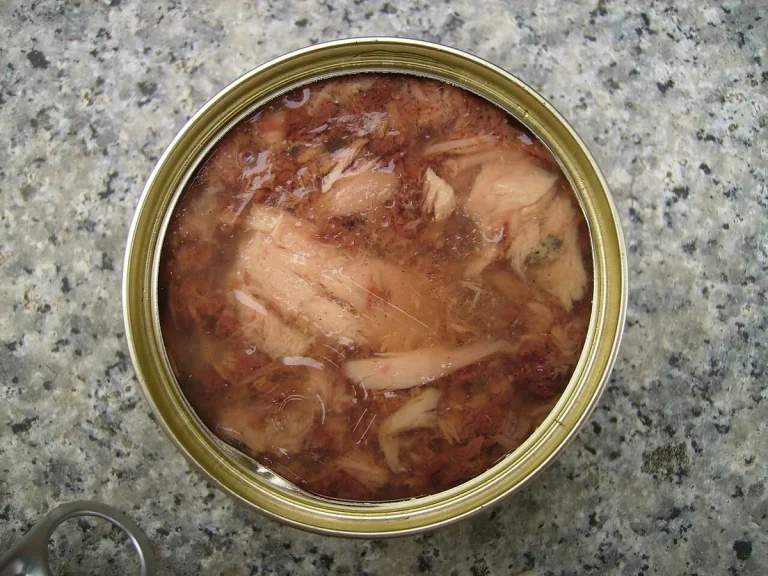
Ever come home to find your dog with a guilty look and an empty cat bowl? It’s a scenario most pet parents have faced. If your furry friend has indulged in the feline buffet, you’re probably wondering about the consequences.
Our research indicates that for most dogs, a few accidental bites of cat food won’t cause serious harm.
However, it’s crucial to understand the nutritional differences between dog and cat food. Cat food is formulated with higher levels of protein and fat, and specific nutrient balances, like taurine, that cats, as obligate carnivores, require. Dogs, on the other hand, are more omnivorous and have different dietary needs.
As of 2026, manufacturer specifications consistently show cat foods containing approximately 50% protein on a dry matter basis, while typical dog foods average around 25%. Knowing these distinctions helps assess any potential risks for your dog.
Quick Answer
When a dog eats cat food, they might experience digestive upset like vomiting or diarrhea due to higher protein and fat. For most dogs, occasional small amounts are not dangerous, but large quantities can pose risks like pancreatitis. Nutritional imbalances are the primary concern, not toxicity.
Monitor your dog for symptoms and consult a vet if severe issues arise.
What’s the Big Deal, Anyway?
You might be surprised by how different dog and cat food ingredients actually are. It’s not just about different flavors, but about fulfilling very distinct biological requirements for each species. Cats are obligate carnivores, meaning their bodies are built to process and thrive on a diet almost exclusively made of animal products.
This means their food needs to be packed with specific nutrients like taurine, which they can’t produce enough of on their own. Dogs, while still primarily meat-eaters, have evolved to be more omnivorous. This means their digestive systems can handle and benefit from a wider range of food types, including some plant-based ingredients, and their nutritional requirements are generally less concentrated than a cat’s.
This fundamental difference in dietary needs is why cat food isn’t a suitable long-term diet for dogs, and vice-versa.
Protein and Fat Differences
Cat food generally boasts a higher protein content than most dog foods. This is because cats need essential amino acids from animal proteins to maintain muscle mass and energy. For instance, research shows that dry cat food often contains around 40-50% protein by dry matter, whereas a typical dry dog food might range from 20-30%.
Similarly, fat content in cat food is often elevated to provide necessary energy and essential fatty acids, which can be a lot for a dog’s system if consumed in large amounts. While some dogs might tolerate an occasional fatty meal, a diet too high in fat can stress their pancreas, potentially leading to a painful condition.
Taurine and Other Nutrients
Taurine is an amino acid that is critically important for cats for a variety of bodily functions, including heart health and vision. Unlike dogs, cats cannot synthesize sufficient taurine on their own and must get it from their diet. This is why cat food is specifically formulated with high levels of taurine.
For dogs, while taurine is beneficial, they can generally produce enough of it internally. Therefore, a dog getting extra taurine from cat food isn’t the main concern. The real issue lies in the overall nutrient balance; the type and proportion of other vitamins and minerals designed for cats might not be ideal or sufficient for a dog’s long-term health needs.
What Happens Next: Potential Dog Reactions
When your dog snags a few bites of cat nibbles, their digestive system goes into action. Since cat food is denser and often richer than their usual kibble, it can sometimes be a bit much for their stomach. Think of it like you eating something incredibly rich after a lifetime of bland meals, your body might react.
Most of the time, it’s just a temporary upset, but it’s good to know what signs to look for. Being aware of these reactions helps you determine if it’s a minor incident or something that needs more attention.
Common Signs of Upset Stomach
The most frequent aftermath of a dog raiding the cat’s food bowl is gastrointestinal distress. You might observe increased gas, which can be quite pungent and noticeable. Diarrhea is also a common symptom, with the dog’s stool becoming softer and potentially more frequent.
In some cases, particularly if the cat food is very rich or the dog consumed a significant amount, they may vomit. This is often the body’s way of trying to expel something that’s disagreeing with it. These symptoms are typically short-lived, usually resolving within 24 to 48 hours as their system returns to normal.
What a Little Nibble Means
For the vast majority of dogs, a one-off, small taste of cat food is usually no big deal. Their digestive tracts are quite adaptable. The key here is “small taste.” If your dog managed to get into the container of how many calories in canned cat food and ate a significant portion, the situation changes.
But if it was just a few kibbles or a lick from the bowl, your dog will likely digest it without any noticeable effects. The main thing is to observe them for any of the common signs of upset stomach over the next day or two.
When to Actually Worry About Your Dog
While occasional cat food snacking is often a minor event, there are situations where you need to pay closer attention. The quantity consumed, your dog’s existing health status, and the severity of any symptoms are critical factors. Understanding these ‘red flags’ ensures you can act quickly if your dog has eaten more than just a few stray pieces of the cat’s dinner.
Your prompt reaction can make a significant difference in your pet’s comfort and well-being, especially if they have underlying health issues.
Large Quantity Consumed
If your dog manages to polish off more than just a few kibbles, say, half the What Is Kibble Cat Food bag or a significant portion of wet food, that’s when you should be more concerned. The concentrated nutrients, especially fats and proteins, can overwhelm a dog’s digestive system. This can lead to more severe gastrointestinal upset, including profuse vomiting and diarrhea.
More seriously, a sudden, high-fat meal can trigger pancreatitis, a painful and potentially serious inflammation of the pancreas. Breeds predisposed to pancreatitis, like Miniature Schnauzers or Yorkshire Terriers, are at even greater risk. Immediate veterinary attention may be necessary if your dog has consumed a large amount.
Underlying Health Issues
For dogs with pre-existing health conditions, venturing into the cat food bowl can complicate matters significantly. Dogs that already suffer from sensitive stomachs, inflammatory bowel disease (IBD), or kidney problems might find the rich ingredients in cat food to be a serious irritant. For example, a dog with compromised kidneys might struggle to process the higher protein levels.
Similarly, a dog with a history of pancreatitis should absolutely not have access to calorie-dense cat food. If your dog has any ongoing health concerns, it’s always best to err on the side of caution and contact your vet proactively if they ingest cat food.
Severe Symptoms to Watch For
While mild upset is common, there are specific, severe symptoms that warrant immediate veterinary intervention. If your dog is vomiting repeatedly, seemingly unable to keep any food or water down, this is a clear sign of significant distress. Lethargy, meaning they are unusually tired, unresponsive, or unwilling to move, is another critical indicator that something is seriously wrong.
Signs of abdominal pain, such as a hunched posture, restlessness, or yelping when their belly is touched, should not be ignored. These symptoms, particularly when occurring together, suggest a medical emergency that requires professional diagnosis and treatment.
What You Can Do Now
When you discover your dog has been involved in a cat food incident, the immediate aftermath is about observation and simple remedies. The goal is to help your dog’s system settle down and ensure they don’t repeat the behavior. You don’t need to rush to the vet for every little lick, but being prepared with a plan can ease your mind and help your pet recover comfortably.
Step 1: Remove the Temptation
The very first thing you need to do is prevent further snacking. This means securing all cat food and treats in a location inaccessible to your dog. For many, this involves strategic placement, think high shelves, latched cabinets, or feeding the cat in a separate room with a door that the dog cannot open.
Some pet owners even utilize specialized cat doors that only allow the cat to pass through, effectively creating a safe feeding zone. Ensuring the cat’s food is out of the dog’s reach is paramount to avoid future incidents.
Step 2: Monitor Your Dog’s Behavior
After the initial discovery and securing the food, the most important action is to observe your dog closely. For the next 24 to 48 hours, keep a watchful eye on their behavior, appetite, thirst, and bathroom habits. Are they acting normally, or do they seem sluggish or uncomfortable?
Are they eating their regular food? Are their bowel movements normal, or are they experiencing diarrhea or straining? This period of careful monitoring is key to identifying any emerging signs of digestive upset or more serious issues.
Step 3: Offer Plain Water
Always ensure your dog has access to fresh, clean water. Staying hydrated is crucial, especially if your dog experiences vomiting or diarrhea. Dehydration can quickly become a serious concern, so make sure their water bowl is full and accessible.
While you don’t need to force them to drink, encourage it by making water readily available. This simple step supports their body’s natural recovery processes and helps flush their system.
Step 4: Stick to Bland Food
If your dog shows any signs of mild digestive upset, such as a slightly softer stool or a bit of gas, it’s wise to switch to a bland diet for their next meal or two. This usually consists of plain, boiled, boneless chicken (unseasoned) mixed with plain white rice. This type of food is easily digestible and less likely to further irritate their system.
Avoid feeding them their regular, nutrient-dense kibble until they seem fully recovered and their stools have returned to normal. For advice on appropriate bland diets, consulting a veterinarian from a veterinary resource can provide tailored recommendations.
Preventing Future Cat Food Raids
Once your dog has had their little adventure, it’s a good idea to implement strategies to prevent it from happening again. Constant access to cat food can lead to obesity in cats and digestive issues in dogs. The goal is to manage their diets separately and effectively.
This isn’t about punishment, but about creating a safe and healthy environment for both pets.
The simplest approach is often the best. Ensure your cat’s food and water bowls are in an area your dog simply cannot reach. This might involve elevated feeding stations for the cat, or feeding them in a room with a door that your dog isn’t allowed into.
Some owners find success with microchip-activated pet doors for cats. These doors only open for the specific cat wearing the corresponding microchip or collar tag.
Consistency is key. If your dog learns that scavenging cat food is a possibility, they will continue to try. By making it impossible, you help break the habit.
This also takes pressure off you if you have a busy household or multiple pets with different needs, like ensuring a Best Cat Food For 6 Month Old Kitten is only consumed by the kitten.
When to Call the Vet: A Quick Guide
Most of the time, your dog will recover from a cat food binge with minimal fuss. However, there are specific scenarios where a call to your veterinarian is not just recommended, but essential. These situations involve potential health risks that require professional assessment and treatment.
Ignoring these signs could lead to more serious complications for your pet.
- Persistent Vomiting: If your dog vomits more than once or twice in a 12-hour period, especially if they are also refusing food or water, contact your vet. This can indicate a blockage or severe irritation.
- Severe Diarrhea: While a little loose stool is common, if your dog experiences watery or bloody diarrhea, or if it lasts more than 24-48 hours, seek veterinary advice.
- Extreme Lethargy: An unusually tired or unresponsive dog needs prompt medical attention. This is not just normal nap-time sleepiness.
- Signs of Pain: If your dog is hunched, whimpering, or showing signs of abdominal discomfort, call your vet immediately. This could be pancreatitis or another serious issue.
- Known Health Conditions: As mentioned, if your dog has pre-existing health problems like kidney disease, diabetes, or a history of pancreatitis, a vet consultation is advised even for minor incidents.
Vets can provide tailored advice based on your dog’s breed, size, and health history. They can also quickly diagnose and treat conditions like pancreatitis, which can be life-threatening if left unmanaged. Always keep your veterinarian’s contact number handy for those unexpected pet emergencies.
Frequently Asked Questions
How long does cat food stay in a dog’s system?
Generally, it takes about 24 to 48 hours for a dog’s digestive system to fully process cat food and return to normal. During this time, you might observe mild digestive changes like increased gas or softer stools. If symptoms persist beyond two days, or if they are severe, it’s time to consult a veterinarian.
Is cat food toxic to dogs?
No, cat food is not inherently toxic to dogs. It doesn’t contain poisonous ingredients. The concern arises from the fact that it’s formulated with different nutritional balances than dog food, specifically higher levels of protein and fat, which can cause digestive upset or other health issues in dogs if consumed excessively.
Can my dog get pancreatitis from eating cat food?
Yes, there is a risk of pancreatitis if a dog eats a large quantity of cat food, especially if it’s high in fat. Pancreatitis is a serious inflammation of the pancreas that can cause severe pain and complications. If your dog has a known predisposition to pancreatitis or has consumed a significant amount of rich cat food, contact your vet immediately.
Should I make my dog throw up after eating cat food?
Inducing vomiting is generally not recommended unless specifically instructed by your veterinarian. While it might seem like a good first step, it can sometimes cause more harm than good, especially if the cat food is already partially digested. Your vet can advise on the best course of action based on when the ingestion occurred and the quantity.