Why Does My Cat Like Dog Food? Causes and Solutions
You walk into the kitchen and catch your cat elbow-deep in the dog’s bowl again. It’s a classic multi-pet household mystery, and it raises the question: why does my cat like dog food so much? The short answer comes down to smell, fat content, and opportunity, but the real story is a lot more complicated.
In our research, we looked at nutritional standards from AAFCO (Association of American Feed Control Officials) and followed veterinary nutrition guidelines. The truth is that a cat’s attraction to dog food isn’t just about being nosy. There are behavioral, medical, and nutritional reasons at play.
Understanding each one helps you keep your cat safe and well-fed.
Quick Answer
Your cat likes dog food because it smells stronger and often contains more fat. Cats are obligate carnivores wired to seek high-energy food. Dog food also has a different texture and shape that can feel novel.
But it lacks taurine, arachidonic acid, and other nutrients cats need. Occasional nibbles won’t harm them, but regular eating can cause deficiencies.
Why Accuracy Matters: Your Cat’s Health Depends on This
If you’re reading this, you care about your cat’s well-being. And that’s exactly why this topic needs a clear, accurate breakdown. Pet food isn’t one-size-fits-all, the nutritional profiles are fundamentally different between species.
A mistake here isn’t just about a picky eater; it can lead to serious health problems down the line.
The good news? Once you understand what’s driving your cat’s behavior, you can fix it. Whether it’s a treat-hunting habit, a medical issue, or just a case of bad timing, we’ll walk through every angle.
You’ll know exactly what to do by the end of this article.
The Short Answer: Is It Safe If My Cat Eats Dog Food?
It depends entirely on how much and how often we’re talking about.
- One nibble or a single meal: No need to panic. Your cat will be fine. There’s nothing toxic in dog food; it just isn’t complete for cats.
- Regular or exclusive feeding: This is dangerous. Cats need taurine, which dog food doesn’t have enough of (if at all). Over weeks or months, a cat on dog food alone can develop taurine deficiency, leading to blindness or heart disease.
- High-fat dog food: Cats with sensitive stomachs or a tendency toward pancreatitis can get sick from the fat load, even after one meal.
So while your cat might love the taste, the long-term safety depends on how you manage it. The key is to stop the habit, not just hope it goes away.
What’s Inside Dog Food That Cats Find Irresistible
Dog food is formulated for an omnivore’s digestive system, which means it can afford to be higher in fat and lower in protein than cat food. And fat is basically candy for a cat’s nose.
Here’s what makes dog food so appealing to cats:
- Higher fat content: Many commercial dog foods contain 10, 20% fat on a dry matter basis. Cats are wired to seek calorie-dense food, and fat equals energy.
- Stronger smell: Dog food is often more heavily scented with meat flavours and rendered fats. A cat’s sense of smell is about 14 times stronger than a human’s. That pungent aroma is like a dinner bell.
- Different texture and shape: Kibble sizes and shapes vary. Some cats get bored with their regular food and are curious about a novel mouthfeel.
- Moisture variation: Some dog foods, especially semi-moist or wet formulations, have a different moisture level that some cats prefer.
None of these reasons mean dog food is better; they just explain why your cat can’t resist.
The Real Risk: Taurine, Arachidonic Acid, and Long-Term Deficiencies
Here’s where things get serious. Cats are obligate carnivores. They need certain nutrients that dog food simply doesn’t provide in adequate amounts.
- Taurine: This amino acid is essential for a cat’s heart function, vision, and reproduction. Dogs can synthesise taurine from other amino acids. Cats cannot. AAFCO requires taurine in cat food (minimum 0.1% dry matter for adult maintenance). Dog food doesn’t have to include any.
- Arachidonic acid: This is a fatty acid that cats cannot produce from precursors. It’s vital for skin health, kidney function, and inflammation response. Dog food often has very little.
- Vitamin A: Cats can’t convert beta-carotene into vitamin A. They need preformed vitamin A (retinol). Dog food frequently relies on beta-carotene.
- Niacin (Vitamin B3): Cats cannot convert tryptophan to niacin. Dog food is not formulated to account for this.
If a cat eats dog food long-term, these deficiencies build up silently. Symptoms might not show for months or even years. By then, damage to the heart (dilated cardiomyopathy) or retina (blindness) could be irreversible.
How Dog Food and Cat Food Compare Nutritionally
Let’s put the numbers side by side. These are typical dry matter percentages from AAFCO nutrient profiles, not brand-specific.
| Nutrient | Dry Cat Food (adult maintenance) | Dry Dog Food (adult maintenance) | Why It Matters |
|---|---|---|---|
| Protein | 30–45% | 18–26% | Cats need more for muscle and organ function |
| Fat | 15–25% | 8–15% | Dog food can be higher in fat, which drives palatability |
| Taurine | 0.1% minimum (required) | Not required (often trace) | Essential for the heart and eyes |
| Arachidonic acid | Required (as fatty acid) | Not required | Crucial for cat skin and kidneys |
| Vitamin A | Preformed (retinol) | Can use beta-carotene | Cats can’t convert plant sources |
| Niacin | Performed (required) | Can synthesise | Cats can’t make it from tryptophan |
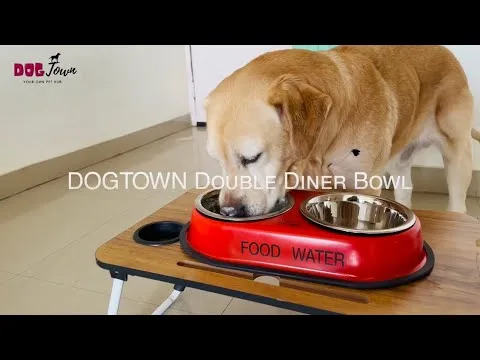
Image source: YouTube / DOGTOWN INDIA (YouTube thumbnail (fair-use with source credit))
As you can see, dog food is basically a nutritionally incomplete diet for cats. Even if your cat loves it, it’s not meeting their needs. That’s why switching brands or trying to mix foods isn’t a long-term solution.
The only safe approach is to feed a complete and balanced cat food that meets AAFCO standards, and keep the dog’s bowl out of reach.
When Dog Food Becomes a Danger: Obesity, Pancreatitis, and Picky Eaters
The biggest immediate danger isn’t a nutrient deficiency; it’s the fat content. If your cat sneaks dog food regularly, they’re likely consuming extra calories they don’t need. Many cats are already overweight, and dog food can tip the scales quickly.
- Obesity: A 10-pound cat that eats one cup of dog food per week over its regular diet can gain a pound in a month.
- Pancreatitis: High-fat meals can trigger inflammation of the pancreas, especially in cats with a history of digestive issues. Symptoms include vomiting, lethargy, and abdominal pain.
- Picky eating: Once your cat tastes that fatty, smelly dog food, they may start refusing their own food. This becomes a vicious cycle: you offer cat food, and they hold out for the dog’s stuff.
If you notice your cat turning up its nose at dinner, it’s time to break the habit before it becomes a full-blown eating strike. You might need to switch to a more palatable cat food. If you’re dealing with a particularly stubborn picky eater, check out our guide on the best dry food for picky cats for ideas.
Why Your Cat Might Be Drawn to Dog Food — Behavioral and Medical Causes
Sometimes the reason isn’t about the food itself. There could be an underlying issue driving the behaviour.
- Food insecurity: Cats who were strays or who compete with other pets may scavenge any available food. They’re not being greedy; they’re following an instinct to grab calories while they can.
- Boredom: A cat with a monotonous diet might seek novelty. If you feed the same flavour every day for months, your cat might start investigating the dog’s bowl out of simple curiosity.
- Medical conditions: Diabetes, hyperthyroidism, and certain digestive disorders can increase appetite. A cat that suddenly develops an intense interest in dog food could be trying to compensate for a calorie deficit caused by a medical condition.
- Pica: Some cats develop a craving for non-food items or unusual foods. Dog food isn’t pica (it’s food), but the compulsive drive to eat it can be similar.
If your cat is suddenly obsessed with food despite having plenty of its own, a vet check is a smart move. Rule out medical causes first; it could save you a lot of frustration later.
Signs That Your Cat’s Cravings Could Signal a Health Problem
Watch for these red flags. If any of them sound familiar, schedule a visit with your vet.
- Weight loss despite eating more
- Increased thirst and urination (possible diabetes)
- Vomiting or diarrhoea after eating dog food
- Lethargy or hiding more than usual
- Changes in coat quality (dull, greasy, or thin)
A simple blood test and thyroid panel can identify most underlying issues. Catching a problem early makes treatment much easier.
How to Stop Your Cat from Eating Dog Food (Practical Multi-Pet Solutions)
This is the part you’ve been waiting for. Here’s how to actually make it stop.
- Feed in separate rooms: Give the dog its food behind a closed door. Do the same for your cat. Even a baby gate can work if the cat can’t jump it.
- Elevate the dog’s bowl: Put the dog’s food on a table or counter where the cat can’t reach. Some cats are jumpers, so you might need a higher surface.
- Use microchip feeders: These bowls only open for the registered pet’s microchip or collar tag. They’re pricey but solve the problem completely. They’re especially useful if you have a determined cat.
- Schedule feeding times: Don’t leave food out all day. Pick up the dog’s bowl after 15 to 20 minutes. Your cat gets its own meals at the same time.
- Clean up spills: Crumbs and leftover kibble are cat magnets. Vacuum or sweep after feeding time.
If you need more detailed steps, we have a dedicated guide on how to stop cat from eating dog food that covers each method in depth.
The Safe Emergency Option: When a Single Meal of Dog Food Is Okay
Sometimes you run out of cat food, and the store is closed. Can you give your cat dog food for one meal? Yes, but follow these rules:
- Use it only once or twice, never as a regular substitute.
- Choose a low-fat, grain-inclusive dog food if possible. High-fat, grain-free formulas are riskier.
- Feed a small portion, about half the usual cat meal size.
- Return to proper cat food as soon as possible.
This is a temporary stopgap, not a solution. Don’t make it a habit.
Step-by-Step: Transitioning Your Cat Back to Its Own Food
If your cat has been sneaking dog food for a while, they might resist returning to cat food. Here’s how to switch them back gently.
- Stop all access to dog food. This is non-negotiable. Lock it up.
- Offering small, frequent meals of cat food, four to six servings a day, can help reset their routine.
- Add a palatable topper, such as a small amount of canned cat food or a commercial treat topper. Warm it slightly to boost the smell.
- Mix in a tiny bit of the old cat food if you’re switching brands. Over a week, gradually reduce the old and increase the new.
- Be patient. It can take up to two weeks for a cat to accept a new food. Don’t give in and offer dog food again; that just reinforces the behaviour.
If your cat simply refuses, try a different cat food flavour or texture. Some cats prefer pâté over chunks, or vice versa. You can also look into the best toppers for cat food to entice a stubborn eater.
Mistakes Pet Owners Commonly Make (And What to Do Instead)
-
Mistake: Leaving dog food out all day for grazing.
Fix: Set scheduled mealtimes for both pets. -
Mistake: Assuming dog food is “close enough” nutritionally.
Fix: Understand that cats need specific nutrients that dog food lacks. -
Mistake: Giving in when the cat begs for dog food.
Fix: Stay consistent. Begging is a learned behaviour. -
Mistake: Using dog food as a treat.
Fix: Use small pieces of cooked chicken or freeze-dried cat treats instead.
When to See a Veterinarian: Red Flags and Recommended Tests
If your cat is eating dog food regularly (more than once a week for a month) or showing any of the following, see your vet:
- Unexplained weight loss or gain
- Vomiting or diarrhoea
- Lethargy or depression
- Excessive thirst or urination
- Poor coat condition
Your vet will likely recommend a blood chemistry panel, thyroid test, and possibly a taurine level check if the behaviour has been long-standing. Catching deficiencies early prevents permanent damage.
Frequently Asked Questions
Can a cat get sick from eating dog food once?
Probably not. A single meal of dog food won’t cause harm for most cats. Watch for vomiting or diarrhoea if the food is very high in fat.
If your cat seems fine, you’re in the clear.
Why does my cat prefer dog food over its own food?
Dog food is usually higher in fat and smellier, which cats find appealing. It could also be that your cat is bored with its own food. Try rotating flavours or adding a topper to cat food.
Is it okay to mix dog food with cat food?
No. Mixing them doesn’t correct the nutritional gaps. Dog food still lacks taurine and other essential nutrients.
Your cat will just eat the dog food bits and leave the cat food.
How long can a cat eat dog food before it becomes a problem?
Signs of taurine deficiency can take weeks to months to develop. However, digestive upset can happen within hours if the food is too rich. Regular feeding for more than a couple of weeks is risky.
Can dogs eat cat food?
Dogs can eat cat food as an occasional treat, but it’s not healthy long-term. Cat food is too high in protein and fat for most dogs and can cause pancreatitis or obesity. We cover this in our guide on why dogs shouldn’t eat cat food.
What should I do if my cat won’t stop eating dog food?
First, physically separate the pets during feeding. Use microchip feeders or feed in separate rooms. Check with your vet to rule out medical issues.
Then commit to a consistent feeding schedule and never leave dog food out.
The Bottom Line: Keep Dog and Cat Food Separate for Long-Term Health
Your cat likes dog food for the same reason anyone likes a greasy fast-food burger: it smells amazing and delivers a fat hit. But that doesn’t make it healthy. Cats have unique nutritional needs that dog food simply can’t meet.
A nibble here and there won’t hurt, but regular access can lead to serious health problems over time.
The best approach is simple: feed both pets separately, on a schedule, and never leave dog food unattended. If you need help with your cat’s regular diet, our guide on ” Should I feed my cat wet food or dry food can help you make the right choice. And if you suspect a medical issue, don’t wait; a quick vet visit now could save a lot of trouble later.
Your cat depends on you to make the smart choices. You’ve got this.