Step-by-step: How Much Can Food to Feed a Cat
Ask any vet and they’ll tell you: most cat owners don’t know exactly how much food their cat should get each day. It’s a guess. A scoop here, a half-can there.
But the truth is, getting this number right changes everything, from their energy levels to their risk of diabetes. So, how much can food to feed a cat really be? It comes down to calories, not volume, and a few simple measurements you can nail in under five minutes.
Feline nutritional guidelines, including those from the Association of American Feed Control Officials (AAFCO), don’t specify a fixed cup amount. Instead, they set nutrient profiles, leaving the exact portion up to you. That’s why two brands can recommend wildly different amounts for the same cat.
As of 2026, the most accurate approach combines your cat’s ideal weight with the caloric density listed on the label, which we’ll break down step by step below. Let’s start with the number you actually need.
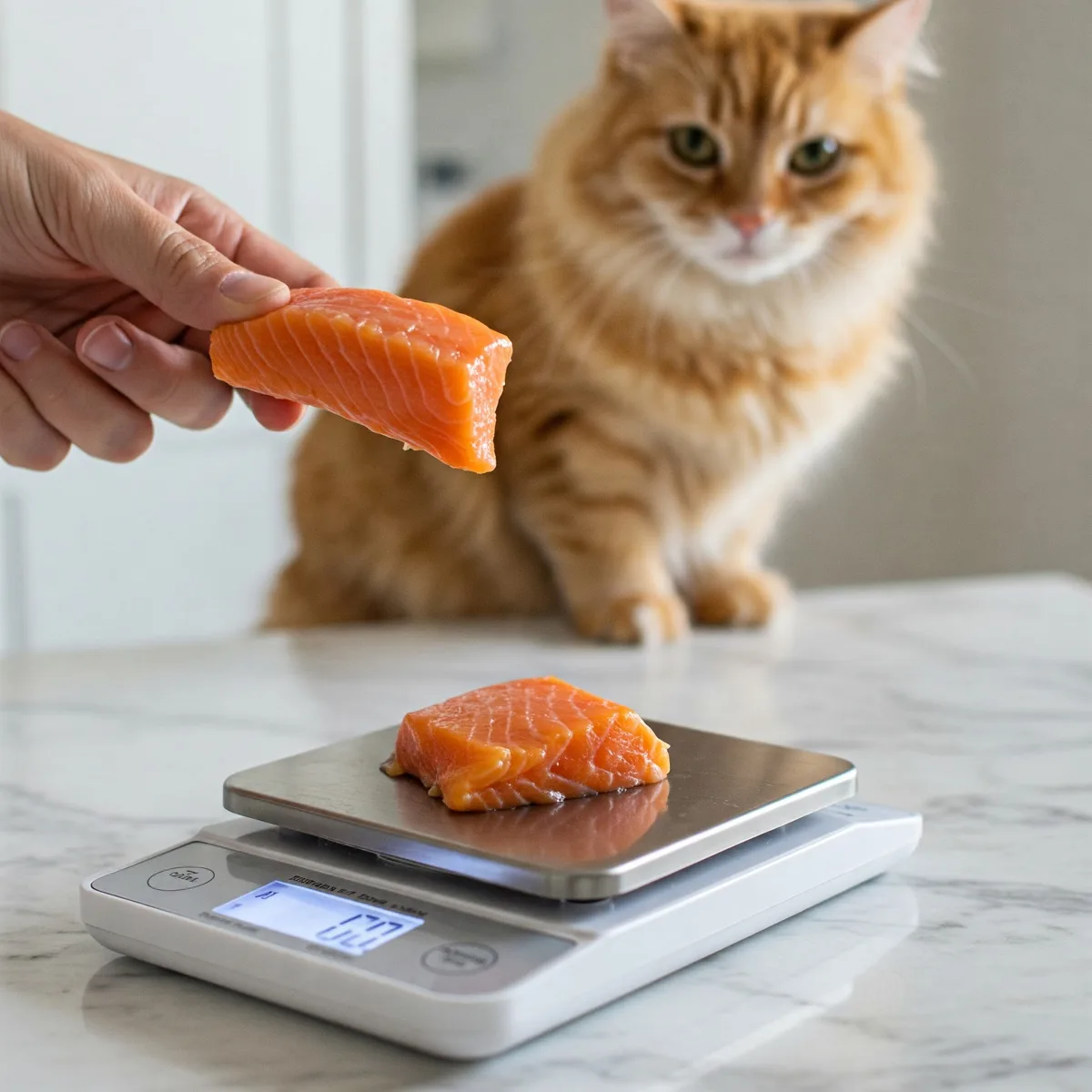
Image source: Bing (Web (fair-use with source credit))
Quick Answer
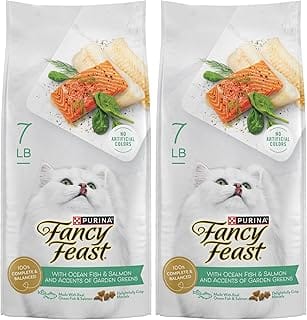
Feed an average indoor adult cat about 200, 300 kcal per day. That’s roughly one 5.5 oz can of wet food or 1/2 to 3/4 cup of dry food. Split that into two meals.
Adjust based on your cat’s body condition, not just the label. Weigh them monthly to stay on target.
The Core Calculation: How to Estimate Your Cat’s Daily Calories
The most reliable starting point isn’t the bag. It’s a simple formula called the Resting Energy Requirement (RER). This tells you how many calories your cat needs just to breathe, pump blood, and maintain basic body functions.
The formula is: 70 × (body weight in kg)^0.75. If that looks like algebra homework, don’t worry. For a typical 4.5 kg (about 10 lb) cat, the RER works out to roughly 222 kcal per day.
That’s your baseline.
But your cat doesn’t just lie around doing nothing. Well, they do, but they still need more than the bare minimum. You multiply the RER by a lifestyle factor to get the Maintenance Energy Requirement (MER).
- Neutered adult cat (average activity): RER × 1.2
- Active or outdoor cat: RER × 1.4
- Kitten under 6 months: RER × 2.0 to 2.5
- Pregnant or nursing queen: RER × 2.0 or higher
So for that same 4.5 kg neutered indoor cat, the daily target lands around 266 kcal. That’s right in the middle of the 200, 300 range most vets quote.
Where the Food Label’s Feeding Chart Gets It Wrong
Manufacturer feeding charts are a starting point at best. They’re written for the average cat, usually one with an intact body condition and no special needs. But here’s the catch: they often overestimate portions.
Many dry food labels suggest 1 to 1.5 cups per day for a 10 lb cat. That’s often 50% more calories than your cat actually needs, especially if they’re neutered and sedentary. The chart doesn’t know your cat’s metabolism, activity level, or whether they’re already overweight.
Treat it as a rough guide, never the final word.
Our research shows that most cats maintain a healthy weight at about 20% less than what most bags recommend. That gap alone explains why so many indoor cats are carrying extra pounds. Use the label to understand the caloric density, then do your own math.
The Real Variable: Wet vs. Dry Food Calorie Density
Here’s where most people get tripped up. A cup of dry food is not the same as a cup of wet food. They have wildly different calorie densities because of moisture content.

Image source: Bing (Web (fair-use with source credit))
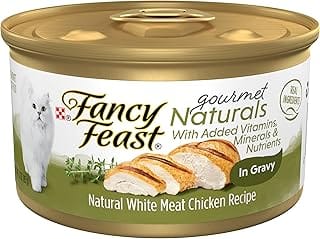
Dry kibble contains about 10% moisture. Wet food is 70, 80% water. That means a 3 oz can of wet food might only pack 70, 150 kcal, while a single cup of dry food can easily hit 400+ kcal.
Same volume, entirely different calorie load.
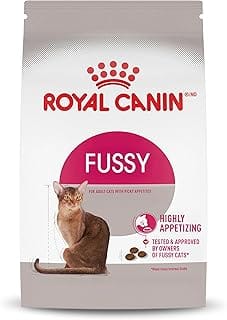
- Average dry cat food: 350, 500 kcal per cup
- Average wet cat food (3 oz can): 70, 150 kcal per can
- Average wet cat food (5.5 oz can): 150, 250 kcal per can
Those ranges vary by brand and formulation. A “light” dry food might drop to 300 kcal per cup, while a high-protein kibble could climb to 550. That’s why reading the label is non-negotiable.
How Moisture Content Changes the Math
If you’re feeding a mix of wet and dry food, you’re doing two separate calorie calculations. Say your cat needs 250 kcal per day. You might give them one 5.5 oz can of wet food at 200 kcal, plus a quarter cup of dry food at 50 kcal.
That adds up perfectly.
The tricky part is swapping between brands or life stages. A kitten formula and a senior formula from the same brand often have different kcal per cup. Always check the label when you buy a new bag or case of cans.
The formula you used last month might not apply anymore.
We always recommend keeping a food diary for the first week with a new food. Jot down the grams or cans you feed, then compare against the caloric target. You’ll spot errors fast, long before they show up on the scale.
Risks of Getting It Wrong: Overfeeding vs. Underfeeding
Portion control isn’t just about keeping a trim waistline. Getting this wrong carries real health consequences, some of which are serious and even life-threatening.
Overfeeding is the more common problem. Free-feeding, where dry food is left out all day, leads to weight gain in almost every cat. Obesity in cats links directly to diabetes mellitus, arthritis, urinary tract disease, and a shorter lifespan.
One study found that overweight cats had a 2.7 times higher risk of developing diabetes compared to cats at a healthy weight.
Underfeeding is less common but just as dangerous.
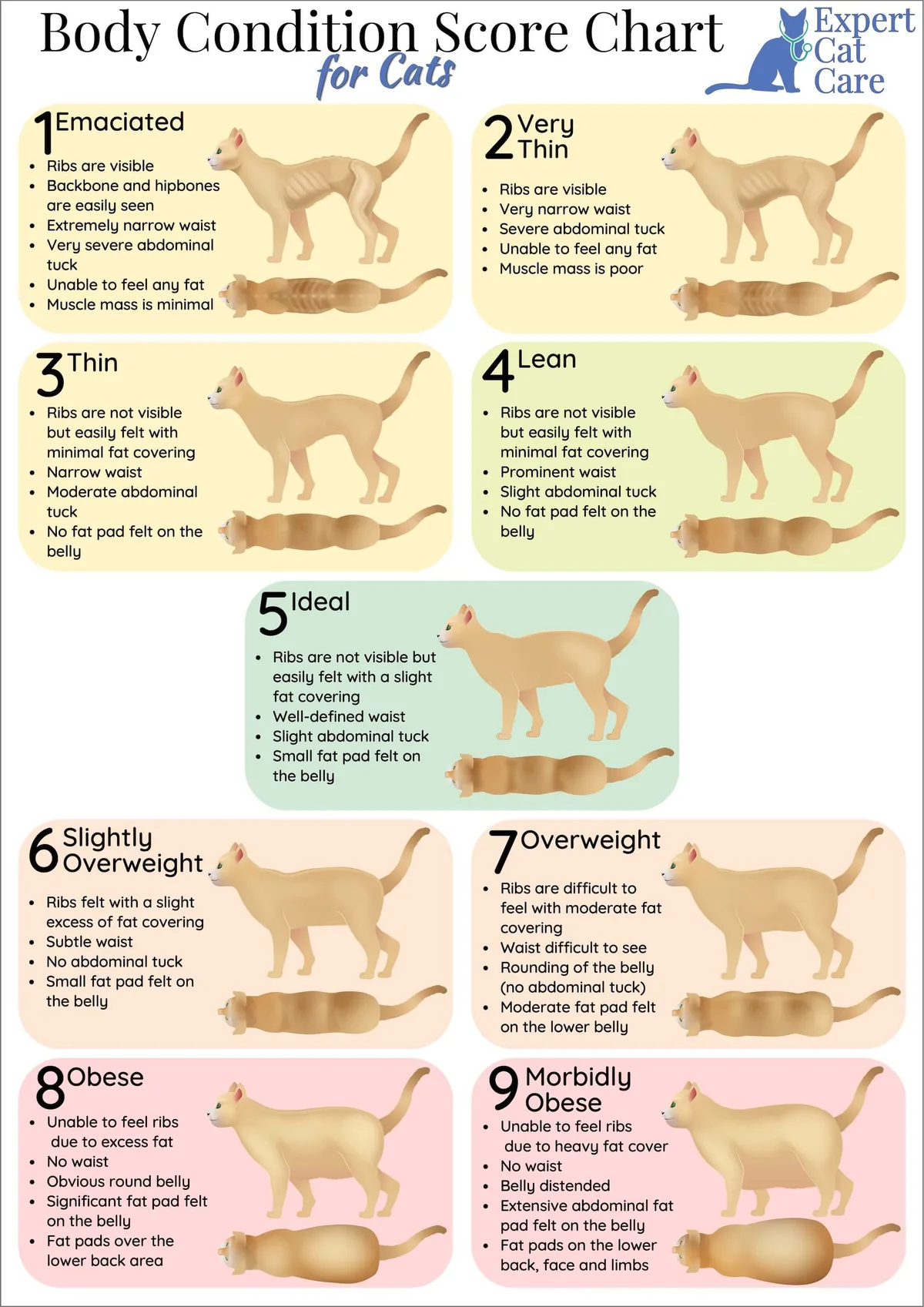
Image source: Bing (Web (fair-use with source credit))
The Danger of Rapid Weight Loss and Hepatic Lipidosis
This is the one that scares vets the most. When a cat stops eating or loses weight too quickly, their body starts mobilizing fat for energy. The liver tries to process that fat and gets overwhelmed.
The result is hepatic lipidosis, a severe form of fatty liver disease that can be fatal if not caught early.
You should never cut a cat’s food drastically without veterinary supervision. A sudden 20% reduction in calories might be fine for a dog, but for a cat it can trigger a metabolic crisis. If your vet recommends weight loss, they’ll typically suggest a 10, 15% reduction per month, not per week.
Muscle Loss and Malnutrition in Senior Cats
Older cats face the opposite problem. As they age, they often lose muscle mass, a condition called sarcopenia. This happens even if their weight stays the same.
They need higher protein intake, not just fewer calories.
Feeding a senior cat too little can accelerate this muscle loss, leading to weakness and poor mobility. On the flip side, overweight senior cats also need careful management. This is squarely in “talk to your vet” territory, especially if your cat has kidney disease, hyperthyroidism, or diabetes.
A change in diet without professional guidance could do more harm than good. You can also check our guidance on best food options for thyroid issues if that’s a concern.
Step-by-Step Guide: How to Portion for Your Specific Cat
Now that you know the risks, let’s turn this into action. Here’s how to calculate the right portion for your cat in four simple steps.
Step 1: Weigh Your Cat Accurately
You can’t dose food for a cat whose weight you don’t know. Use a baby scale or a digital kitchen scale designed for pets. If your cat won’t stand still, weigh yourself holding them, then subtract your own weight.
For a quick reference, 1 kilogram equals 2.2 pounds. A healthy average indoor cat weighs between 3.5 and 5.5 kg (8 to 12 lb). Larger breeds like Maine Coons can tip the scales much higher, so use your own cat’s numbers.
Step 2: Calculate Your Starting Point
Using the RER formula we covered earlier, calculate your cat’s daily calorie needs. For a 4.5 kg cat, that’s about 222 kcal for RER. Multiply by 1.2 for a neutered adult, giving you around 266 kcal per day.
Here’s a quick reference table for common weights:
| Cat Weight (kg) | Cat Weight (lbs) | RER (kcal) | MER (neutered, kcal) |
|---|---|---|---|
| 3.5 | 7.7 | 185 | 222 |
| 4.0 | 8.8 | 200 | 240 |
| 4.5 | 9.9 | 222 | 266 |
| 5.0 | 11.0 | 235 | 282 |
| 5.5 | 12.1 | 250 | 300 |
Keep in mind these are starting points, not gospel. Monitor your cat’s weight over 2 to 4 weeks and adjust as needed. If your cat is already overweight, work with your vet on a safe target rather than guessing.
Step 3: Read the Label on Your Food
Flip the bag or can over and find the kcal per cup (dry) or kcal per can (wet). Divide your cat’s daily calorie target by that number to get the exact portion volume. For example, if your dry food has 400 kcal per cup, a 266 kcal daily target means about 2/3 cup per day.
Remember to factor in treats. A single treat can be 5, 10 kcal, and if you’re generous, that’s easily 50, 100 extra calories a day. That’s the difference between weight maintenance and steady weight gain.
Step 4: Measure, Don’t Estimate
Here’s a non-negotiable rule: use a kitchen scale or a proper measuring cup, not a random scoop. Different kibble densities mean a “scoop” can vary by 20, 30% in actual weight. A gram scale gives you a consistent, repeatable portion every single time.
We recommend weighing your dry food in grams, not volume. Check the label for the grams per serving, then weigh that out. Once you’ve done it a couple times, you’ll recognize the amount visually, but you’ll always have the scale for accuracy.