What Is a Dog Food Topper 2026: Beginner-Friendly Guide
So, your dog's food bowl is looking a little… uninspired? Or maybe you're just curious about what "dog food topper" even means. Simply put, a dog food topper is a concentrated, flavorful, and often nutrient-dense addition you sprinkle or mix into your dog's regular meals.
It's a fantastic way to make mealtime more exciting or to boost the nutritional value of their current diet without overhauling their entire feeding plan.
Manufacturer specifications for many standard dog food toppers indicate they can add anywhere from 50 to 150 extra calories per serving, depending on the product's density and ingredients. Understanding these basics helps you make informed choices for your canine companion. Let's break down why these little additions can make such a big difference.
Quick Answer
A dog food topper is a special ingredient added to regular dog food to enhance its flavor and nutritional content. These additions can help stimulate a picky eater's appetite, provide targeted nutrients like joint support or omega-3s, and generally make meals more appealing. They are not a replacement for a complete diet but an enhancement.
As of 2026, many brands offer toppers with varying ingredients, from broths to freeze-dried meats.
Why Even Consider a Dog Food Topper?
It's easy to think kibble is just kibble, but dog food boredom is a real thing for our furry friends. Just like we might crave a little spice or a different texture in our meals, dogs can get tired of the same monotonous taste and texture day after day. This is where dog food toppers step in, acting as a culinary game-changer.
If your dog has started turning their nose up at their food, or if mealtime has become a chore rather than a joy, a topper can be the solution. It's not just about making food tastier; it's about addressing potential issues like low appetite or ensuring your dog is getting a broader spectrum of nutrients. For owners who prioritize their pet's well-being and happiness, toppers offer an accessible way to enhance their dog's daily nutrition and overall meal experience.
Different Flavors and Forms: What's Inside a Topper?
The world of dog food toppers is surprisingly diverse, offering a range of options to suit different tastes and nutritional needs. You're not just looking at one type of product; there's a whole spectrum of choices available. Think of them as gourmet additions designed specifically for dogs.
Here's a look at the common types you'll encounter:
- Broth-Based: These are often low-calorie and packed with flavor. They might be made from bone broth, meat drippings, or simply seasoned water. They add moisture and a familiar, comforting taste.
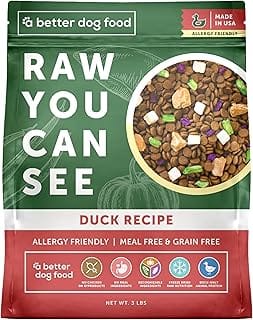
- Freeze-Dried Options: These are usually made from single-ingredient proteins like chicken, beef, or fish, or sometimes fruits and vegetables. The ingredients are freeze-dried to preserve nutrients and flavor. You often rehydrate them with a tiny bit of water before sprinkling.
- Wet Food Mix-Ins: Some toppers are essentially concentrated, high-protein pastes or pâtés. They can mimic the texture and richness of wet food, making them particularly appealing to dogs who are used to or prefer softer meals.
- Functional Toppers: These are specifically formulated to deliver targeted health benefits. They might contain probiotics for digestive health, glucosamine and chondroitin for joint support, or omega-3 fatty acids for skin and coat health.
When you're looking at ingredient lists, you'll often see whole, recognizable foods. For instance, a freeze-dried chicken topper might list only "chicken." A broth-based one could be "beef bone broth," and a functional topper might list "chicken meal, glucosamine hydrochloride, chondroitin sulfate." This transparency from manufacturers allows us to understand exactly what we're adding to our dog's diet.
The Real Reasons to Use a Dog Food Topper: Key Benefits
Beyond just making food taste better, dog food toppers offer a range of tangible benefits that can positively impact your dog's health and your peace of mind. It’s about more than just a quick fix for a picky eater; it’s about thoughtful nutritional enhancement.
Here’s what owners often report and what aggregate research suggests about the advantages:
- Enhanced Palatability: This is the most common reason. Toppers can transform a bland meal into something irresistible, especially for dogs with a finicky nature or those recovering from illness.
- Nutritional Boost: Many toppers are fortified with key vitamins, minerals, and supplements. For example, toppers rich in omega-3 and omega-6 fatty acids can contribute to a lustrous coat and healthier skin. You can also find toppers specifically designed to support joint health with ingredients like glucosamine.
- Increased Hydration: Broth-based toppers add extra moisture to your dog's diet, which is beneficial for overall hydration, especially for dogs that don't drink a lot of water on their own.
- Digestive Support: Some functional toppers contain prebiotics and probiotics, which are essential for maintaining a healthy gut microbiome. A healthy gut can lead to better nutrient absorption and improved overall well-being.
- Dietary Variety: Toppers introduce new flavors and textures without necessitating a complete diet change, which can be stressful for a dog's digestive system. This variety can also help prevent food boredom.
It's important to remember that while toppers offer these benefits, they are supplemental. They are designed to work with a complete and balanced primary diet, not replace it.
Is Your Dog a Picky Eater?
If your dog is selective about what they eat, you're not alone. Picky eating in dogs is a common behavior that can stem from various factors, including boredom with their current food, learned behavior, or even underlying health issues. This is where a dog food topper can become a hero for both you and your canine companion.
When a dog is labeled "picky," it often means they might snub their food completely, eat only a portion, or demand constant variety. They might even hold out for a higher-value treat over their regular meal. This can be frustrating for owners who are trying to ensure their dog receives proper nutrition.
- Can Signal Dislike: A dog might simply not enjoy the taste or texture of their primary food. Introducing a topper can give that same base food a new, exciting appeal.
- Learned Behavior: If a dog is sometimes rewarded for being picky (e.g., by getting a tastier treat instead), they can learn to hold out for better options. A topper applied consistently to their regular food can help re-establish mealtime routine.
- Health Concerns: In some cases, a sudden change in appetite or pickiness can signal an underlying health problem. It’s always wise to consult with a veterinarian if a dog’s picky eating is a new or concerning development.
- Elderly Dogs: As dogs age, their sense of smell and taste can diminish. Toppers can make food more enticing for senior dogs facing these changes, ensuring they continue to eat adequately.
By adding a flavor-packed topper, you can often entice even the most hesitant eaters to finish their meals without resorting to expensive, complicated food changes. This makes mealtime less of a battle and ensures your dog gets the nutrition they need to thrive.
Mistakes to Avoid When Using Toppers
While dog food toppers are generally a great addition, there are a few common pitfalls owners can fall into. Being aware of these makes it easier to use toppers effectively and safely, ensuring they truly benefit your dog rather than causing unintended problems.
- Over-Reliance: The biggest mistake is using toppers as a crutch for a fundamentally poor-quality or unpalatable main food. Toppers are meant to enhance, not mask, major issues with a dog's primary diet. If your dog consistently refuses their food without a topper, it might be time to re-evaluate the base kibble or wet food.
- Ignoring Calorie Content: Toppers add extra calories, and these can add up quickly. If you're not adjusting your dog's main food intake or increasing their activity level, these added calories can lead to unwanted weight gain. Always check the calorie count on the topper and factor it into your dog's total daily intake. For example, some dense toppers can add as much as 20-30% of a dog's daily calorie needs if overused.
- Introducing Too Many New Ingredients at Once: Just like with any new food for your dog, it's a good idea to introduce toppers one at a time, especially if your dog has a sensitive stomach. A sudden influx of new ingredients can sometimes disrupt their digestive system.
- Assuming All Toppers Are Equal: Not all toppers are created with the same quality of ingredients. Some may contain artificial flavors, colors, or excessive fillers. Always read the label and prioritize toppers made with whole, recognizable ingredients and minimal processing. Checking for compliance with standards from organizations like AAFCO (Association of American Feed Control Officials), while primarily for complete diets, can indicate a manufacturer's commitment to quality.
- Not Consulting Your Vet: While many toppers are safe, if your dog has specific health conditions, allergies, or is on a prescription diet, it's always best to run any new additions by your veterinarian first. They can offer guidance on what ingredients are best or if a topper is even appropriate for your dog's individual needs.