What Foods Are Toxic to Rabbits 2026: What Actually Works
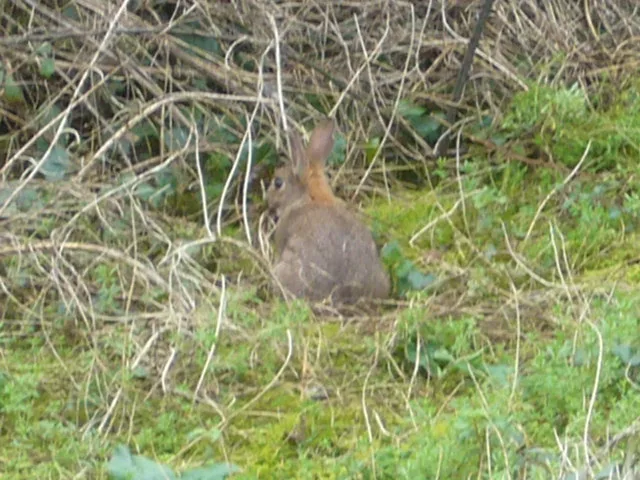
When you’re a rabbit owner, keeping your little fluffball safe is always top of mind. But it’s easy to make mistakes when it comes to their diet, especially since some common human foods can be serious problem for them. It's essential to know precisely what foods are toxic to rabbits to avoid severe health issues.
Rabbits have incredibly sensitive digestive systems that can’t handle many ingredients we eat without consequence. For instance, according to general veterinary guidelines, foods containing high levels of starch or fat can disrupt their gut flora, a delicate balance of bacteria crucial for digestion. This disruption can quickly lead to gastrointestinal stasis, a life-threatening condition where the digestive tract slows down or stops completely.
Understanding these dietary restrictions is key to providing proper care and preventing dangerous health emergencies.
Image source: Wikimedia Commons / MINISTRY OF AGRICULTURE AND FISHERIES (publisher/sponsor), Unknown (artist), Johnson, Riddle and Co Ltd, Penge, London SE20 (printer), Her Majesty's Stationery Office (publisher/sponsor)
Quick Answer
So, what foods are toxic to rabbits? Several common items are dangerous, including avocado, onions, garlic, and potatoes. Rhubarb leaves and stems are also highly toxic, as is chocolate.
Even seemingly harmless foods like iceberg lettuce can cause digestive upset if fed too often. Always stick to a diet of unlimited hay, fresh leafy greens, and rabbit pellets to ensure safety.
Foods Your Bunny Should Absolutely Steer Clear Of
This is the really crucial stuff. These are the foods that can cause immediate harm or long-term issues for your rabbit. It's better to be safe than sorry, so keep these well out of reach.
The Big "No" List: What's Toxic to Rabbits
Several categories of food can be extremely dangerous for rabbits, and even small amounts can cause serious health problems, including life-threatening digestive issues or poisoning. It’s vital to be aware of these to protect your pet.
- Avocado Dangers: This popular fruit contains a toxin called persin. Persin is harmful to many animals, including rabbits, and can lead to respiratory distress and heart failure.
- Alliums: Onions, Garlic, and Their Kin: Onions, garlic, chives, leeks, and shallots all belong to the allium family. These vegetables can damage a rabbit's red blood cells, leading to a type of anemia known as Heinz body anemia.
- Rhubarb's Harmful Oxalic Acid: Both the leaves and stems of the rhubarb plant contain high levels of oxalic acid. This compound is toxic to rabbits and can cause severe irritation to the mouth and digestive tract, as well as damage to the kidneys.
- Why Chocolate is a Rabbit's Worst Nightmare: Like many other pets, rabbits cannot properly metabolize theobromine, a compound found in chocolate. Ingesting chocolate can lead to vomiting, diarrhea, increased heart rate, seizures, and even death.
- Potatoes: Risks in Greens and Sprouts: Potatoes contain solanine, a toxin that is particularly concentrated in the green parts of the plant, sprouts, and any greenish tinge on the potato itself. Feeding potatoes can also lead to serious digestive upset due to their high starch content.
- Iceberg Lettuce: More Water Than Good: While not deadly in tiny amounts, iceberg lettuce has very little nutritional value, is mostly water, and can cause diarrhea in sensitive rabbits. Diarrhea in rabbits can quickly become a severe dehydrating and life-threatening condition.
- Seeds and Nuts: Too Rich, Too Risky: Their high fat content makes seeds and nuts difficult for rabbits to digest. They can lead to gastrointestinal upset, obesity, and even blockages in the digestive system.
- Beans and Peas: The Gas-Time Bombs: These legumes can cause significant gas and bloating in rabbits. The resulting discomfort is extreme, and the pressure on their delicate digestive system can be fatal.
- Corn's Digestive Hurdles: The kernels are hard for rabbits to digest, and the stalks can pose a choking hazard or cause intestinal blockages. Corn is not a natural part of a rabbit's diet.
- Common Houseplants to Avoid: Many houseplants, such as lilies, daffodils, and philodendrons, are toxic to rabbits. If you have houseplants, always research their safety or keep them completely out of your rabbit's reach.
What If Your Rabbit Eats Something Toxic?
Accidents happen, and it’s important to know how to react if your rabbit nibbles on something they shouldn’t have. Quick and appropriate action can make a significant difference.
Immediate Steps: When a Nibble Becomes a Worry
If you suspect your rabbit has ingested a toxic food, remain calm and follow these immediate steps. Panicking can make it harder to think clearly.
- Identifying the Ingested Item: Do your best to determine exactly what your rabbit ate. Check their mouth for any remnants and look around their enclosure for clues. Knowing the specific food or plant is crucial for veterinary advice.
- Observing Your Rabbit's Behavior: Watch your rabbit closely for any unusual signs. Symptoms can include lethargy, loss of appetite, unusual droppings (or lack thereof), bloating, difficulty breathing, or changes in behavior like hunched posture or teeth grinding.
The Crucial Next Step: When to Call the Vet
Do not wait to see if symptoms appear. Some toxins act very quickly, and prompt veterinary intervention is often necessary to save your rabbit's life.
Partnering with Your Rabbit's Veterinarian
Your first and most important call should always be to a veterinarian experienced with rabbits. They are the ultimate authority on your pet's health.
- Recognizing Urgent Signs: Be prepared to describe any symptoms you observe to your vet. These can include lack of fecal pellets, lethargy, abdominal pain (your rabbit may seem unwilling to be touched or may sit in a hunched posture), and rapid or shallow breathing.
- The Vet's Role in Rabbit Poisoning: A rabbit-savvy veterinarian can provide specific advice and treatment. They may recommend bringing your rabbit in for immediate examination, or they might guide you through at-home care if the ingested item is deemed less immediately dangerous. Early diagnosis and treatment are critical for a good prognosis. For instance, digestive upset, if left untreated, can lead to a 20% loss in body weight within 48 hours, making prompt care essential.
Building a Safe Diet: The Foundation of Rabbit Health
The best way to avoid toxic food situations is to ensure your rabbit is on a species-appropriate diet. This focuses on what they are naturally meant to eat and excludes dangerous items.

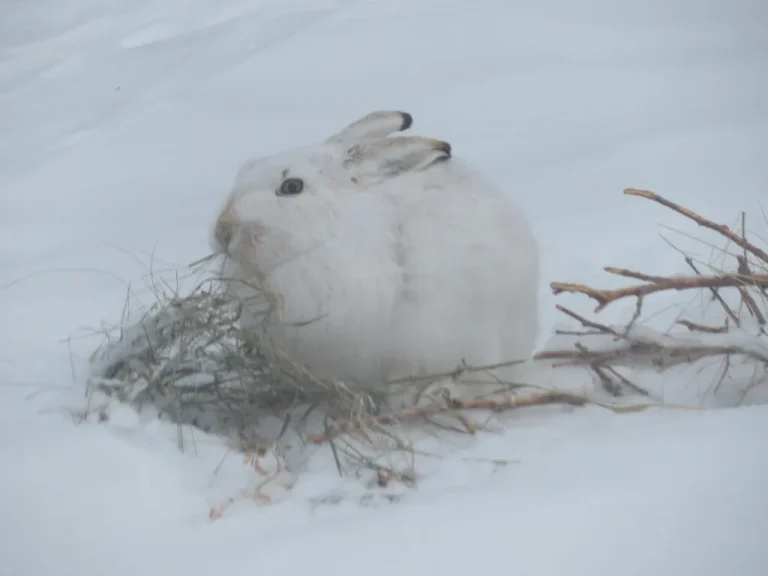
Image source: iNaturalist / dghjertaas
What Your Rabbit Should Be Eating Daily
A healthy rabbit diet is surprisingly simple but vital for their well-being. It prevents many of the digestive and health problems associated with inappropriate food choices.
- The Importance of Unlimited Hay: Hay is the absolute cornerstone of a rabbit's diet. It should be available at all times and makes up about 80-90% of what they eat. Hay provides essential fiber for gut motility and helps keep their teeth worn down, preventing painful dental issues. Timothy hay, orchard grass, or oat hay are excellent choices for adult rabbits.
- Benefits of a Variety of Leafy Greens: Fresh, dark leafy greens should be offered daily, making up about 10-15% of their diet. Aim for a mix of at least three different types of safe greens each day to ensure a broad range of nutrients. Good options include romaine lettuce, parsley, cilantro, dill, and dandelion greens. Avoid too much kale or spinach, as they are high in oxalates.
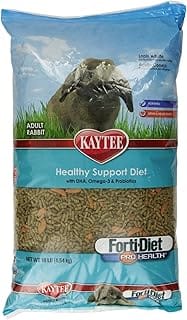
- Role of Quality Rabbit Pellets: Pellets should be a small part of the diet, around 5% or less. Choose high-fiber, plain, timothy-based pellets. Avoid muesli-style mixes, which often contain seeds and colorful bits that rabbits pick out, leading to an unbalanced intake. Adult rabbits typically need about 1/4 cup of pellets per 5 pounds of body weight per day.
- Occasional Fruit Treats: How Much is Too Much? Fruits are high in sugar and should be given only as occasional treats, no more than 1-2 tablespoons per 5 pounds of body weight per day. A small slice of apple (without seeds), a few blueberries, or a small piece of banana are acceptable. Remember, these are treats, not a dietary staple.
Expert Insights for Rabbit Owners
Knowing what’s toxic is just part of the puzzle. The real goal is to establish a feeding routine that supports your rabbit’s natural physiology and keeps them vibrant and healthy.
Proactive Feeding for a Flourishing Bun
Establishing a consistent, safe, and nutritious diet is the single most effective way to prevent health problems related to food. This proactive approach ensures your rabbit thrives.
By sticking to the recommended diet of unlimited hay, a variety of safe leafy greens, and a sensible portion of quality pellets, you minimize the risk of accidental ingestion of toxic items. This balanced approach not only prevents immediate dangers like bloat and poisoning but also contributes to long-term health by supporting proper digestion and preventing dental disease. Always source your rabbit’s food from reputable suppliers and double-check any new greens or treats before offering them.
Remember, for any concerns about your cat’s diet, especially conditions like hyperthyroidism or anemia, consulting a veterinarian about the best food for cats with hyperthyroidism or best cat food for anemic cats is crucial, as their dietary needs are specific. Similarly, understanding what is kibble cat food or how many calories in canned cat food can help manage your cat's health.
Frequently Asked Questions
What are the immediate signs of poisoning in rabbits?
Immediate signs can include lethargy, loss of appetite, vomiting, diarrhea, abdominal bloating or pain, difficulty breathing, and seizures. If you observe any of these, contact your rabbit-savvy veterinarian immediately.
How much of a toxic food does a rabbit need to eat to be in danger?
The amount needed to cause harm varies greatly depending on the specific toxin and the rabbit's size and health. Even a small nibble of highly toxic items like avocado or certain plants can be dangerous, while less toxic items might require a larger quantity to cause issues.
Are vegetables safe for rabbits?
Yes, many vegetables are safe and beneficial. Dark leafy greens like romaine lettuce, parsley, and cilantro are excellent choices. However, root vegetables and starchy vegetables like potatoes and corn should be avoided or given very sparingly due to their high starch content and potential for causing digestive upset.
How can IRabbit-proof my home against toxic foods?
Rabbit-proofing involves storing all potentially toxic foods, plants, and chemicals in secure cabinets or rooms your rabbit cannot access. Ensure that any food dropped on the floor is cleaned up immediately and that your rabbit is always supervised when outside their enclosure.
The Big "No" List: What's Toxic to Rabbits
Several categories of food can be extremely dangerous for rabbits, and even small amounts can cause serious health problems, including life-threatening digestive issues or poisoning. It’s vital to be aware of these to protect your pet.
Avocado Dangers
This popular fruit contains a toxin called persin. Persin is harmful to many animals, including rabbits, and can lead to respiratory distress and heart failure.
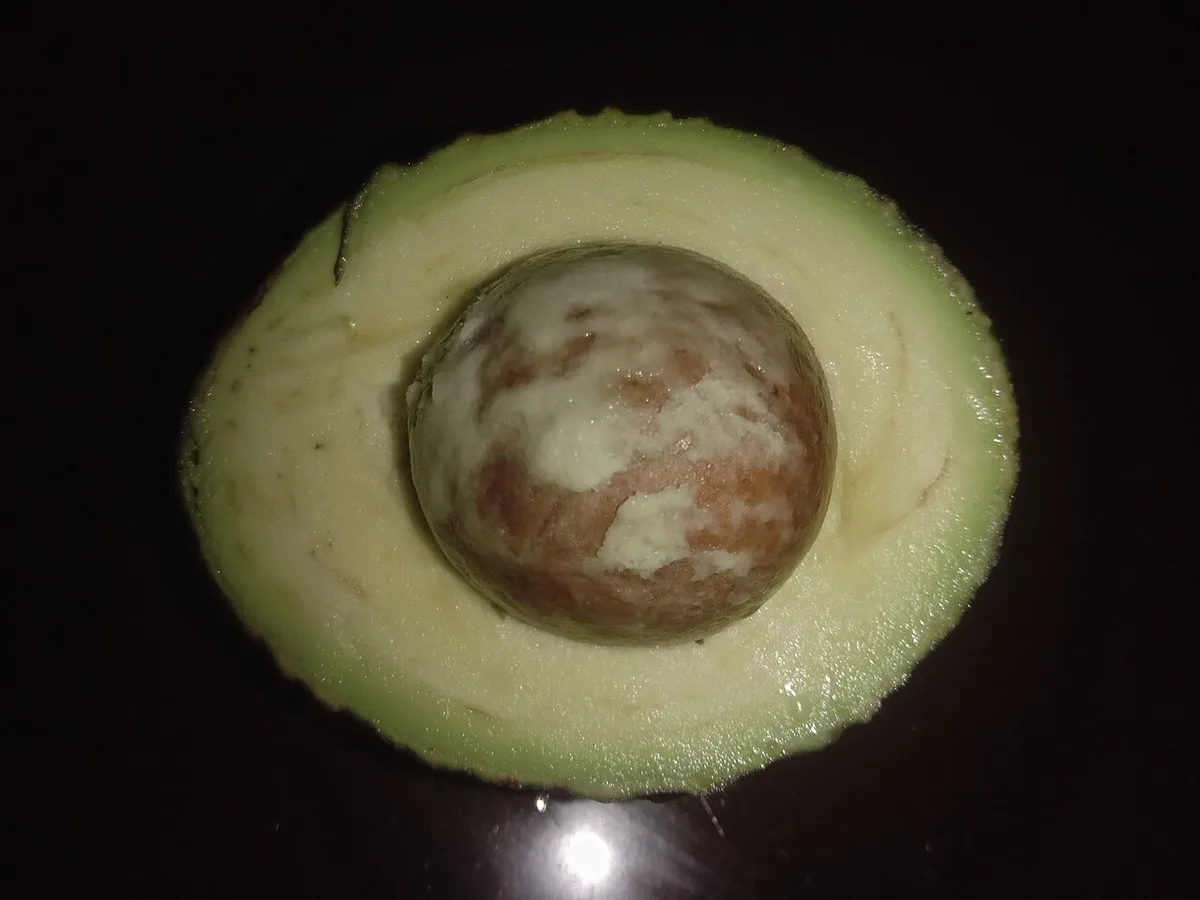
Image source: Wikimedia Commons / Billjones94
Alliums: Onions, Garlic, and Their Kin
Onions, garlic, chives, leeks, and shallots all belong to the allium family. These vegetables can damage a rabbit's red blood cells, leading to a type of anemia known as Heinz body anemia.
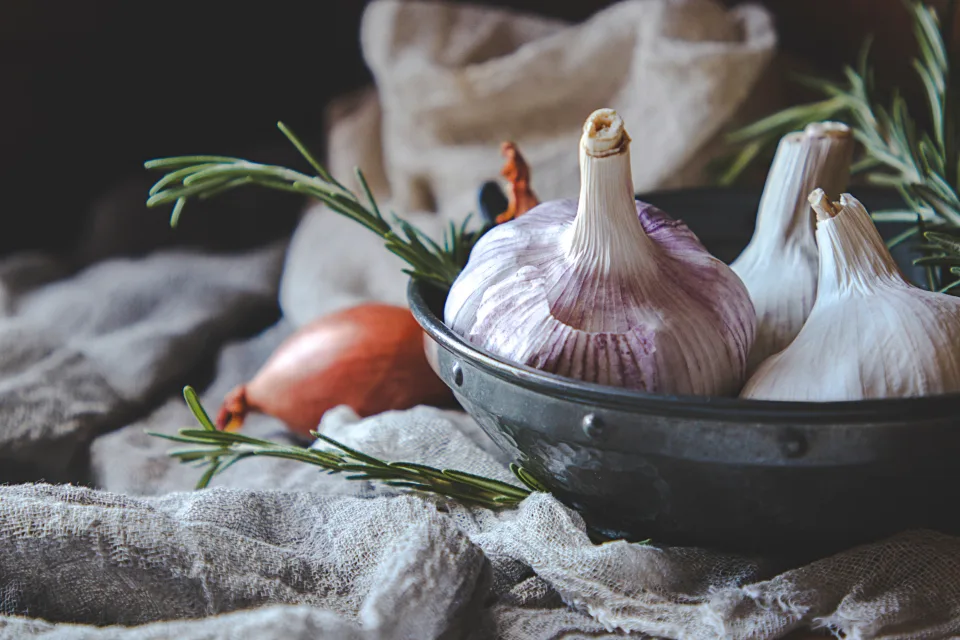
Image source: Openverse / Foodie Girl
Rhubarb's Harmful Oxalic Acid
Both the leaves and stems of the rhubarb plant contain high levels of oxalic acid. This compound is toxic to rabbits and can cause severe irritation to the mouth and digestive tract, as well as damage to the kidneys.
Why Chocolate is a Rabbit's Worst Nightmare
Like many other pets, rabbits cannot properly metabolize theobromine, a compound found in chocolate. Ingesting chocolate can lead to vomiting, diarrhea, increased heart rate, seizures, and even death.
Potatoes: Risks in Greens and Sprouts
Potatoes contain solanine, a toxin that is particularly concentrated in the green parts of the plant, sprouts, and any greenish tinge on the potato itself. Feeding potatoes can also lead to serious digestive upset due to their high starch content.
What If Your Rabbit Eats Something Toxic?
Accidents happen, and it’s important to know how to react if your rabbit nibbles on something they shouldn’t have. Quick and appropriate action can make a significant difference.
Immediate Steps: When a Nibble Becomes a Worry
If you suspect your rabbit has ingested a toxic food, remain calm and follow these immediate steps. Panicking can make it harder to think clearly.
- Identifying the Ingested Item: Do your best to determine exactly what your rabbit ate. Check their mouth for any remnants and look around their enclosure for clues. Knowing the specific food or plant is crucial for veterinary advice.
- Observing Your Rabbit's Behavior: Watch your rabbit closely for any unusual signs. Symptoms can include lethargy, loss of appetite, unusual droppings (or lack thereof), bloating, difficulty breathing, or changes in behavior like hunched posture or teeth grinding.
The Crucial Next Step: When to Call the Vet
Do not wait to see if symptoms appear. Some toxins act very quickly, and prompt veterinary intervention is often necessary to save your rabbit's life.
Partnering with Your Rabbit's Veterinarian
Your first and most important call should always be to a veterinarian experienced with rabbits. They are the ultimate authority on your pet's health.
- Recognizing Urgent Signs: Be prepared to describe any symptoms you observe to your vet. These can include lack of fecal pellets, lethargy, abdominal pain (your rabbit may seem unwilling to be touched or may sit in a hunched posture), and rapid or shallow breathing.
- The Vet's Role in Rabbit Poisoning: A rabbit-savvy veterinarian can provide specific advice and treatment. They may recommend bringing your rabbit in for immediate examination, or they might guide you through at-home care if the ingested item is deemed less immediately dangerous. Early diagnosis and treatment are critical for a good prognosis. For instance, digestive upset, if left untreated, can lead to a 20% loss in body weight within 48 hours, making prompt care essential.
Building a Safe Diet: The Foundation of Rabbit Health
The best way to avoid toxic food situations is to ensure your rabbit is on a species-appropriate diet. This focuses on what they are naturally meant to eat and excludes dangerous items.
Image source: iNaturalist / dghjertaas
What Your Rabbit Should Be Eating Daily
A healthy rabbit diet is surprisingly simple but vital for their well-being. It prevents many of the digestive and health problems associated with inappropriate food choices.
- The Importance of Unlimited Hay: Hay is the absolute cornerstone of a rabbit's diet. It should be available at all times and makes up about 80-90% of what they eat. Hay provides essential fiber for gut motility and helps keep their teeth worn down, preventing painful dental issues. Timothy hay, orchard grass, or oat hay are excellent choices for adult rabbits.
- Benefits of a Variety of Leafy Greens: Fresh, dark leafy greens should be offered daily, making up about 10-15% of their diet. Aim for a mix of at least three different types of safe greens each day to ensure a broad range of nutrients. Good options include romaine lettuce, parsley, cilantro, dill, and dandelion greens. Avoid too much kale or spinach, as they are high in oxalates.
- Role of Quality Rabbit Pellets: Pellets should be a small part of the diet, around 5% or less. Choose high-fiber, plain, timothy-based pellets. Avoid muesli-style mixes, which often contain seeds and colorful bits that rabbits pick out, leading to an unbalanced intake. Adult rabbits typically need about 1/4 cup of pellets per 5 pounds of body weight per day.
- Occasional Fruit Treats: How Much is Too Much? Fruits are high in sugar and should be given only as occasional treats, no more than 1-2 tablespoons per 5 pounds of body weight per day. A small slice of apple (without seeds), a few blueberries, or a small piece of banana are acceptable. Remember, these are treats, not a dietary staple.