What Foods Do Rabbits Like to Eat 2026: Everything You Need
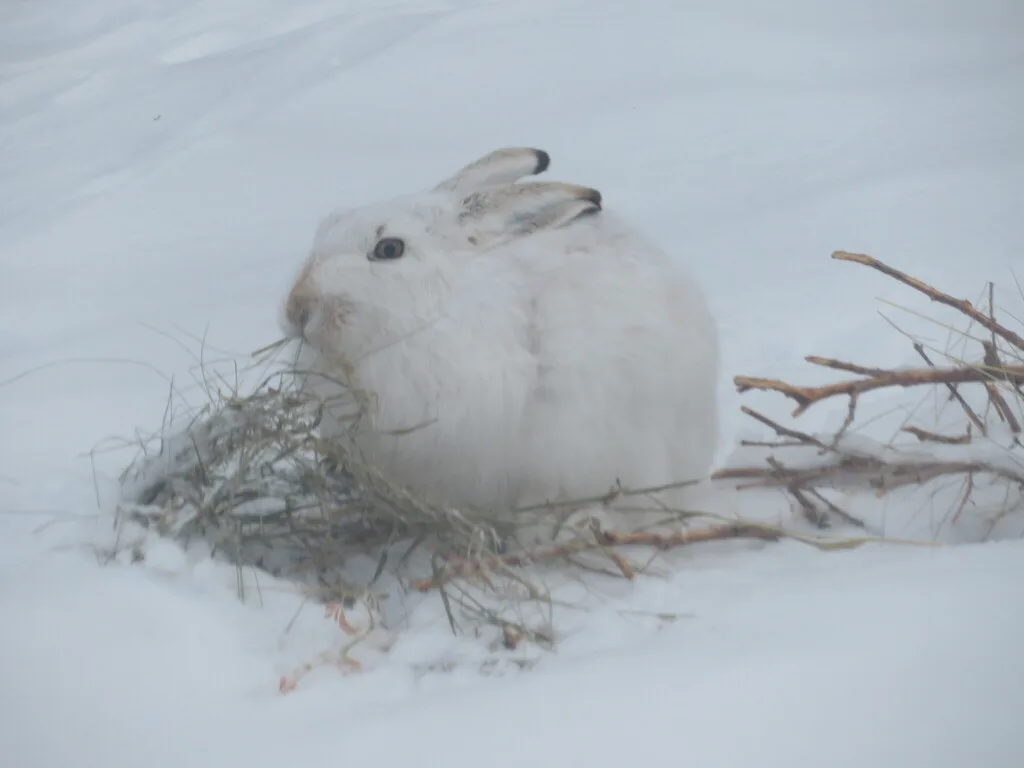
Image source: iNaturalist / dghjertaas
Figuring out what foods do rabbits like to eat can feel like a puzzle, especially when you want to make sure you're giving them the very best. A rabbit's diet is foundational to their health, impacting everything from digestion to dental wear and overall lifespan. Getting it right means understanding what's truly beneficial versus what's just a tasty, but potentially harmful, snack.
Ensuring proper rabbit nutrition isn't just about variety; it's about providing the right balance of nutrients and fiber, which is why unlimited access to high-quality hay is a non-negotiable cornerstone, as confirmed by major veterinary associations. As of 2026, expert recommendations still emphasize a diet primarily composed of hay, supplemented carefully with fresh greens and a measured amount of pellets. We'll break down exactly what that looks like.
Quick Answer
Rabbits primarily like to eat hay, which should be available at all times. Safe vegetables, like leafy greens, are the next most important food. Pellets should be fed in limited, measured amounts.
Fruits and most root vegetables are high in sugar and should only be offered as very occasional, tiny treats.
The Foundation: Why Rabbit Diet Matters So Much
A rabbit's digestive system is fascinatingly complex. They are hindgut fermenters, meaning a significant portion of their digestion happens in their large intestine, specifically the cecum, where bacteria break down tough plant fibers. This is why fiber is the absolute MVP of a rabbit's diet.
Without enough of it, their entire system can go haywire, leading to serious health issues.
Think of it like this: their gut needs constant movement and a steady stream of fibrous material to keep everything functioning smoothly. When this process is disrupted, problems like stasis (where the gut slows or stops) or painful gas can occur. Providing the correct foods not only keeps their digestive tract happy but also plays a crucial role in preventing common ailments such as overgrown teeth, a frequent concern for pet rabbits.
Step 1: Is This Food Safe TODAY? Quick Safety Scan
Before you even think about what your rabbit might enjoy, the absolute first step is ensuring any potential food item is safe for them to consume. Rabbits are sensitive creatures, and what's perfectly fine for other pets, or even humans, can be toxic or cause severe digestive upset in rabbits. This scan isn't just a suggestion; it's a critical daily habit.
Quick Scan for Toxic Foods
It's vital to know the "no-go" list. Even common household plants or human foods can be dangerous. For example, avocado is highly toxic to rabbits due to persin, and chocolate is a definite no-go.
Iceberg lettuce, while often thought of as a safe green, is low in nutrients and can cause diarrhea if fed in large quantities.
- Never Feed: Avocado, chocolate, dairy, meat, processed human foods, rhubarb leaves, potato leaves, certain ornamental plants (like lilies, tulips, foxglove).
- Feed Sparingly (Tiny Treats Only): High-sugar fruits (apples, bananas, berries), high-starch vegetables (carrots, corn).
- Best for Greens Rotation: Romaine lettuce, parsley, cilantro, spinach (in moderation), kale (in moderation), dandelion greens.
The core principle here is to err on the side of caution. If you're unsure if something is safe, don't feed it to your rabbit. Always do your homework or consult your veterinarian.
Step 2: What's My Rabbit's Daily Diet Base? Hay is King.
If there's one dietary absolute for rabbits, it's hay. Unlimited, fresh hay should make up at least 80% of your rabbit's diet. This isn't just about filling their bellies; it’s essential for their physical and dental health.
The Essential Role of Hay
Hay provides the necessary crude fiber that keeps their digestive system moving. Rabbits eat for long periods throughout the day, and this constant foraging and chewing on hay is what helps wear down their continuously growing teeth. Without enough hay, rabbits are at high risk for serious dental issues like malocclusion, spurs, and abscesses.
In our research and based on veterinary consensus, feeding unlimited hay is the most significant factor in preventing gastrointestinal stasis and other digestive emergencies. It also provides mental stimulation and encourages natural foraging behaviors, keeping your bunny happier and healthier.
Choosing the Right Hay
Not all hay is created equal. For adult rabbits, timothy hay is considered the gold standard. It's high in fiber and relatively low in protein and calcium, making it ideal for their long-term health.
Other grass hays like orchard grass, botanical hay, or meadow hay are also excellent choices and can provide variety.
Alfalfa hay, while nutritious, is higher in calories, protein, and calcium. It's great for young, growing rabbits (under 7 months) or pregnant/nursing does, but for most adult pet rabbits, too much alfalfa can lead to weight gain and calcium-related health problems like bladder sludge. We primarily recommend timothy hay for adult rabbits, ensuring it's fresh, dry, and free from mold or dust.
Its nutritional profile is generally accepted as being ideal for daily sustenance.
Step 3: What Else Can My Rabbit Eat? Greens & Veggies Edition.
Once hay is covered, fresh leafy greens and certain vegetables become the next vital component of a rabbit's diet, contributing essential vitamins, minerals, and moisture. This is where you can introduce variety and a bit of enrichment. However, consistency and careful introduction are key.
Introducing New Greens Safely
When adding any new vegetable to your rabbit's diet, do it one at a time and in very small amounts. This allows you to monitor for any signs of digestive upset, such as soft stools or gas. If your rabbit tolerates a new food well after a few days, you can gradually increase the portion size and introduce another new item.
A common mistake is introducing multiple new foods at once. This makes it impossible to pinpoint what might be causing digestive issues if they arise. Think of it like introducing a new food to a baby; you start small and watch for reactions.
Safe Vegetables for Your Rabbit
A good rule of thumb is to offer a variety of 3-5 different types of leafy greens daily, providing about one packed cup of greens per two pounds of body weight. Focus on darker, leafier greens rather than root vegetables or those high in starch.
Here are some widely accepted safe options, always wash them thoroughly:
- Excellent Choices (daily rotation): Romaine lettuce, red leaf lettuce, green leaf lettuce, parsley, cilantro, dill, mint, basil.
- Good Choices (feed in moderation, alongside excellent choices): Kale, spinach, Swiss chard, bok choy, broccoli leaves/stems (in small amounts), carrot tops (not the roots as a main food), bell peppers (seeds removed).
- Offer Very Sparingly (treats): Carrots, bell pepper flesh, small pieces of broccoli florets, pea shoots.
Remember, variety is good, but don't overdo any one thing. For example, while spinach is safe, feeding large amounts daily can contribute to calcium imbalances due to its high oxalate content. A balanced mix is always best.
Step 4: Pellets: Friend or Foe? Portion Control is Key.
Pellets are often seen as the "main meal" for rabbits, but this is a misconception. In reality, they should be a smaller, supplementary part of the diet, mainly for providing concentrated nutrients that might be harder to get in sufficient quantities from hay and greens alone. For adult rabbits, pellets should constitute only about 5-10% of their total daily intake.
How Much Pellet is Too Much?
Feeding too many pellets is a common error and can lead to several health problems. Obesity is a major concern, as are digestive issues and dental problems, since the highly processed nature of pellets doesn't encourage the same amount of chewing or fiber intake as hay. Overfeeding pellets can also suppress their appetite for hay, which is the most essential food source.
A general guideline for adult rabbits is about 1/8 cup of plain timothy-based pellets per 4 pounds of body weight per day. However, this can vary based on the rabbit's age, activity level, and health status. Always consult your veterinarian for specific portioning advice.
If your rabbit is overweight, reducing pellets is usually the first step.
What to Look For in Quality Pellets
Not all pellets are created equal. When choosing a pellet food, look for a plain, timothy-based formula. Avoid those with added dried fruits, nuts, seeds, or colorful bits, as these are essentially junk food for rabbits and offer no nutritional benefit.
- Fiber Content: Aim for at least 18-25% crude fiber. This is crucial for digestive health.
- Protein Content: For adult rabbits, 12-14% protein is typically sufficient; higher levels are for young or growing rabbits.
- Fat Content: Keep fat content low, around 1-3%.
- Calcium Content: Lower calcium is better for adult rabbits (around 0.5-0.8%) to prevent bladder stones.
You're looking for a simple, high-fiber pellet that provides a balanced vitamin and mineral profile to supplement their hay and greens. The brand itself is less critical than the ingredients and nutritional breakdown. Always transition rabbits slowly if changing pellet brands, just as you would with greens.
Step 5: Treats: Tiny Bites of Joy (or Trouble!)
Treats can be a wonderful way to bond with your rabbit or reinforce positive behaviors. However, they should be given sparingly and always be healthy. Overdoing treats can quickly lead to weight gain and digestive issues, negating the benefits of a balanced diet.
Think of treats as tiny, occasional rewards, not as a replacement for their staple foods.
Healthy Treat Options (Think Small!)
When choosing treats, prioritize items that offer some nutritional value or are naturally derived. Small pieces of fruit or certain vegetables high in sugar, like a sliver of apple or a small piece of carrot, can be offered only a few times a week. A single blueberry or a tiny piece of banana is also acceptable as a rare reward.
- Occasional Fruit (pea-sized or smaller): Apple (no seeds), banana, berries (strawberry, blueberry, raspberry), melon, peach (no pit).
- Occasional Veggie Treats: Small piece of carrot, sweet potato (tiny sliver), pea shoot, a single flower from a safe, unsprayed plant.
- Commercial Treats: Look for plain, hay-based cookies or dried herb treats with no added sugars or artificial ingredients. Always check the ingredient list.
Remember, even "healthy" treats should be given in moderation. A general guideline is that treats should not make up more than 5-10% of your rabbit's total diet.
When Not to Give Treats
There are certain times when treating your rabbit is a bad idea. If your rabbit is overweight, suffering from digestive upset, or has recently had a significant dietary change, it’s best to stick to their regular diet and hold off on treats altogether. Avoid giving treats if they are not eating their regular hay and greens, as this can further disrupt their appetite.
Step 6: What Foods Are a Big NO-NO? Deadly Mistakes to Avoid.
This is arguably the most critical section because feeding a rabbit the wrong food can have immediate and severe consequences. Understanding what is outright dangerous is as important as knowing what's beneficial. Many common human foods and even some pet foods are toxic to rabbits.
Foods Your Rabbit Can Never Have
Here’s a rundown of foods that should absolutely never be offered to a rabbit. Their digestive systems simply cannot process them, and ingestion can lead to serious illness, paralysis, or death.
- Dairy products: Rabbits are lactose intolerant. Milk, cheese, yogurt, etc., will cause severe digestive upset.
- Meat and eggs: Rabbits are herbivores. These foods are not only indigestible but can also lead to dangerous bacterial growth in their gut.
- Bread, pasta, crackers, cereal: These are high in carbohydrates and low in fiber, leading to gut imbalance and potential stasis.
- Chocolate, coffee, avocado: These contain toxins that are harmful or fatal to rabbits.
- Onions, garlic, leeks, chives: These members of the allium family can cause blood abnormalities.
- Beans, peas (in large amounts), corn: These can cause severe gas and digestive distress due to their high starch or sugar content.
Always keep these items completely out of reach. If your rabbit has ingested something they shouldn't have, contact your veterinarian immediately.
Common Misconceptions About Rabbit Food
Several myths surround rabbit diets, often leading well-meaning owners to inadvertently harm their pets. One of the most persistent is that rabbits can eat unlimited amounts of carrots or commercial muesli-style mixes. As we've discussed, carrots are high in sugar and should be a rare treat, not a staple.
Muesli mixes, with their colorful mixes of pellets, seeds, nuts, and dried fruits, are particularly harmful. They encourage selective feeding, meaning rabbits pick out the high-fat, high-sugar bits and leave the beneficial hay-like pellets. This creates nutritional imbalances, obesity, and dental disease.
Stick to plain, high-fiber pellets and a hay-based diet. For information on specific dietary needs for other pets, you might find our guides on best food for cats with hyperthyroidism or best dry cat food for cats with no teeth helpful in understanding the importance of species-specific nutrition.
Step 7: Putting It All Together: Building Your Rabbit's Daily Plate
Now that we've covered the individual components, let's assemble a balanced daily feeding plan. The goal is to create a routine that meets your rabbit's nutritional needs while keeping their digestive system happy and preventing health issues.
Sample Daily Diet for an Adult Rabbit
This is a guideline, and individual needs may vary. Always adjust based on your rabbit's specific health, age, and activity level.
- Unlimited: Fresh, high-quality timothy hay (or other grass hay). This should always be available.
- Daily (approx. 1 cup per 2 lbs body weight): A variety of 3-5 different leafy green vegetables.
- Daily (measured portion, approx. 1/8 cup per 4 lbs body weight): Plain, timothy-based rabbit pellets.
- Fresh Water: Always available in a sipper bottle or heavy ceramic bowl.
The bulk of their diet is hay, followed by greens. Pellets are a supplement. Treats should be very limited.
For very young rabbits, their dietary needs shift during their best cat food for 6 month old kitten phase, and you can learn more about feeding younger animals in our related articles.
What About Baby Rabbits (Kits)?
Baby rabbits (kits) up to about 7 months old have different nutritional requirements. They need more protein and calcium to support their rapid growth. During this phase, alfalfa hay is often recommended over timothy hay because of its higher nutrient density.
- Unlimited: Alfalfa hay is preferred for kits.
- Pellets: Kits can generally have unlimited plain alfalfa-based pellets until around 6-7 months old, at which point you'll begin a slow transition to timothy hay and a measured amount of timothy pellets.
- Greens: Introduce leafy greens slowly, one at a time, starting around 3-4 months of age, similar to adult rabbits.
Transitioning from an alfalfa-based diet to a timothy-based one for adult rabbits should be done gradually over several weeks to avoid digestive upset. This is a critical step in ensuring their long-term health and is akin to considering when should a cat stop eating kitten food, knowing the right developmental stage for dietary change.
Expert Insights for a Happier, Healthier Bunny
Beyond the basic food list, there are a few expert tips that can make a big difference in your rabbit's well-being. Paying attention to the quality and freshness of food is paramount. Hay should be readily available and replenished daily.
Fresh greens should be washed thoroughly to remove any pesticides or contaminants.
Always offer fresh water. Many owners opt for a sipper bottle, but a heavy ceramic bowl can also be effective and allows for more natural drinking behavior. Ensure the water source is cleaned regularly.
A clean environment, coupled with a proper diet, is your best defense against common rabbit health issues. Many owners also find value in maintaining a consistent feeding schedule, which can help regulate their digestive system.
Monitoring Your Rabbit's Health Through Their Food
Your rabbit's eating habits and droppings are the most direct indicators of their health. Any significant change in appetite or the appearance of their droppings warrants attention. A healthy rabbit produces numerous round, firm fecal pellets throughout the day.
If your rabbit stops eating, or their droppings become small, misshapen, or liquidy, it's a sign of a serious problem.
These changes can signal gastrointestinal stasis, a life-threatening condition that requires immediate veterinary intervention. Observing your rabbit's food intake and checking their droppings daily is part of responsible rabbit ownership. This proactive monitoring, combined with a diet that adheres to established nutritional guidelines, is key to a long and healthy life for your pet.
Frequently Asked Questions
How much hay should my rabbit eat daily?
Your rabbit should have unlimited access to fresh, high-quality grass hay at all times. Hay should make up at least 80% of their diet and is crucial for digestion and dental health.
Can my rabbit eat fruits as a main food source?
No, fruits are high in sugar and should only be offered as very small, occasional treats. They should never form a significant part of your rabbit's diet.
What vegetables are safe for my rabbit?
Safe vegetables include leafy greens like romaine lettuce, parsley, cilantro, and dill. You can also offer moderate amounts of kale or spinach. Always introduce new vegetables slowly.
Is it okay to feed my rabbit from my own plate?
Generally, no. Most human foods, including breads, processed snacks, and salty or sugary items, are not suitable for rabbits and can cause severe digestive issues. Stick to their specially formulated diet.