What Eats Rabbits in the Food Chain (2026) — Simple Steps
You might see a rabbit hopping through your yard and think of it as just another cute critter, but in the grand scheme of nature, it's a vital player. Understanding what eats rabbits in the food chain helps shed light on the delicate balance of ecosystems and how different species rely on each other for survival. It's a constant cycle where prey populations directly influence predator numbers.
These small mammals are a significant food source for a surprisingly diverse range of animals, from big predators to smaller hunters. Their high reproduction rate means they're a consistent, though often hard-won, meal, providing essential energy for many carnivorous and omnivorous species. This makes them a critical link in the natural order.
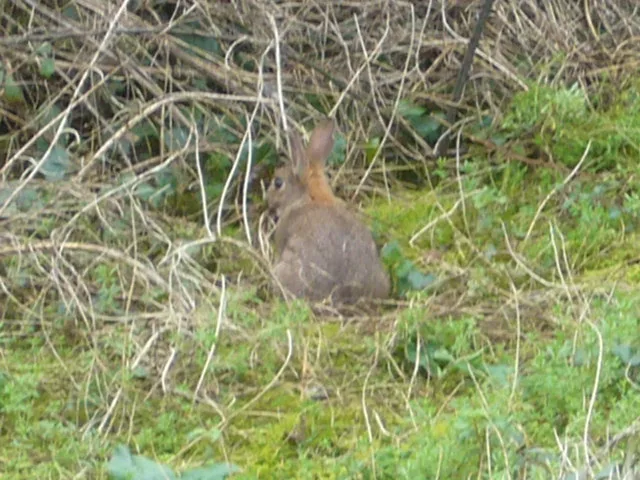
Image source: Wikimedia Commons / MDS (CC BY-SA)
Quick Answer: What Eats Rabbits in the Food Chain?
Rabbits are prey for many predators. Hawks, owls, and eagles hunt them from above. Coyotes, foxes, and weasels stalk them on land.
Larger snakes also consume them. Young rabbits are vulnerable to smaller mammals like skunks and feral cats. This predation helps sustain predator populations.
The Usual Suspects: Common Rabbit Predators
When we talk about what eats rabbits, the most common images that pop into our heads are likely the headline predators. These are the animals that have developed specific hunting strategies and physical adaptations to catch and consume rabbits effectively. They form the backbone of the natural rabbit population control.
Birds of Prey Hunting Rabbits
Among the most efficient hunters of rabbits are birds of prey. Their keen eyesight allows them to spot the subtle movements of a rabbit from hundreds of feet in the air. Once a target is identified, their swift, silent dives make escape incredibly difficult for the unsuspecting prey.
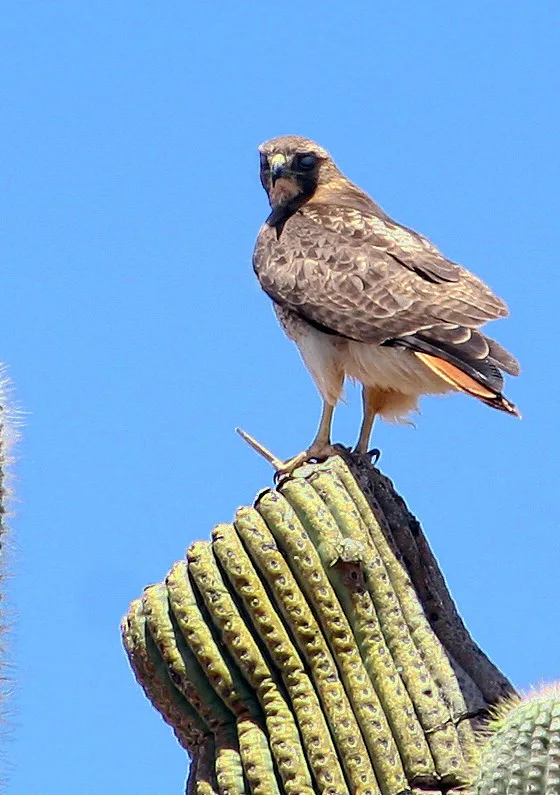
Image source: Wikimedia Commons / Brent Myers (CC BY)
- Hawks: Species like the red-tailed hawk are particularly well-known for preying on rabbits. They often perch on high vantage points, scanning the ground below. When a rabbit is spotted, they can quickly descend, using their sharp talons to secure their meal.
- Owls: Great horned owls are a common nocturnal predator of rabbits. Their silent flight and excellent night vision make them formidable hunters after dusk. They tend to ambush rabbits from tree branches or fly low over open fields.
- Eagles: While less common than hawks or owls for daily rabbit hunting, larger eagles can also take down rabbits, especially if the rabbit is young or injured, or if other food sources are scarce.
Mammalian Predators of Rabbits
On the ground, a different set of skilled hunters actively seeks out rabbits. These mammals often rely on speed, stealth, and keen senses of smell and hearing to outwit their prey. Their hunting methods are a fascinating aspect of predator-prey dynamics.
- Coyotes: These adaptable canids are opportunists and rabbits are a staple in their diet. Coyotes are known for their endurance, able to chase rabbits across open terrain until the rabbit tires or makes a mistake. They often hunt solitarily but can cooperate.
- Foxes: Red foxes and gray foxes are both agile hunters that have a significant impact on rabbit populations. They use their small size and quick movements to their advantage, often surprising rabbits or digging them out of shallow burrows.
- Weasels and Stoats: These smaller, slender mustelids are incredibly effective at hunting rabbits, especially young ones. Their long, flexible bodies allow them to pursue rabbits into dense undergrowth and even into burrows where larger predators can't reach. They are known for their speed and ferocity.
- Badgers: While their primary diet might be different, badgers are powerful diggers and will prey on rabbits and their young, especially if they can unearth them from their warrens.
Beyond the Big Hunters: Smaller Predators and Kits
It's easy to focus on the large, imposing predators, but reality is far more nuanced. When we consider the vulnerability of rabbits, especially the very young, a broader spectrum of animals comes into play. Rabbit kits, born in shallow nests or burrows, are incredibly susceptible to a wide array of threats that might not bother an adult rabbit.
This is where the food chain truly shows its intricate layers. What might be a nuisance to a grown rabbit could be a critical food source for a smaller opportunistic hunter. Understanding this helps us appreciate the constant struggle for survival in the wild.
- Feral and Stray Cats: Domestic cats that have gone wild can be surprisingly effective hunters of small prey. Rabbits, particularly kits, can fall victim to a feral cat's hunting prowess, especially in areas where wild rabbits live near human settlements.
- Skunks: These creatures are omnivores and will readily raid rabbit nests for eggs and young kits if they find them. Their strong sense of smell helps them locate hidden burrows.
- Snakes: Certain species of snakes, particularly those found in the same habitats as rabbits, are known to prey on young rabbits. They use a stealthy approach, relying on their camouflage and their ability to swallow prey whole.
- Domestic Dogs (in some scenarios): While not natural predators, domestic dogs, especially those that are allowed to roam unsupervised, can pose a threat to rabbits. They may chase and injure or kill rabbits out of instinct or playfulness.
Why Rabbits Are a Critical Food Source
Rabbits aren't just random meals; they are a cornerstone for many ecosystems because of their reproductive capabilities. Think about it: if a particular predator only had a limited food source that reproduced slowly, its own population would quickly dwindle. Rabbits, however, change that equation entirely.
This prolific breeding is nature's way of ensuring that a food source remains available, even with significant predation pressure. It means that entire communities of animals can thrive because they have a reliable, albeit constantly replenished, source of nutrition. It’s a biological feedback loop that keeps predator populations healthy.
The Impact of Rabbit Breeding on Predators
A single female rabbit can have several litters per year, and each litter can contain multiple kits. This high birth rate ensures that even if a large percentage of rabbits are preyed upon, there are always enough left to continue the cycle and sustain the predator populations that rely on them. This abundance is why rabbits are so central to the diet of so many animals.
For instance, a study published in Ecological Monographs in 2018 noted that consistent rabbit availability directly correlates to higher breeding success rates in fox populations in North American grasslands.
Rabbits as a Keystone Species Link
While not always labeled as a "keystone species" in the strictest scientific sense (which is an organism that defines an entire ecosystem), rabbits function very similarly. They act as a crucial link, connecting plant life (their food) to a wide variety of carnivores and omnivores. If rabbit populations were to collapse, the impact would ripple throughout the ecosystem, affecting not just their direct predators but also other animals that might compete with those predators for food.
This makes them foundational to the health of many environments, a concept explored by ecological researchers at institutions like the University of California, Berkeley, in their wildlife biology studies.
Understanding Rabbit Predators in Different Habitats
The specific animals that hunt rabbits aren't static; they change depending on the environment. A rabbit living in a vast, open grassland faces a different set of threats than one tucked away in a dense forest or a suburban backyard. This habitat variation dictates which predators are most successful and likely to encounter rabbits.
For example, an open field offers little cover, making rabbits more visible to aerial predators like hawks. Conversely, a wooded area provides more hiding spots but also offers ambush opportunities for ground predators like foxes. Understanding these habitat-specific dynamics is key to grasping the full picture of what eats rabbits.
- Open Grasslands and Fields: Here, rabbits are highly exposed. Aerial hunters like hawks and eagles have a significant advantage due to clear lines of sight. Ground predators like coyotes can also be very effective, using their speed and stamina to chase down rabbits across large, open spaces.
- Wooded Areas and Forests: The denser vegetation offers more cover for rabbits, allowing them to hide and escape more easily. However, these environments also favor predators that are skilled at moving stealthily through undergrowth, such as foxes, weasels, and some snake species that can ambush from concealed positions.
- Suburban and Urban Environments: In areas where human development encroaches on natural habitats, rabbits face a mix of natural predators and introduced threats. Coyotes and foxes can adapt to urban fringes, while feral cats and even domestic dogs can become significant predators, particularly in backyards or parks that rabbits frequent. This overlap underscores the complex interactions between wildlife and humanized landscapes.
What Happens When the Balance Shifts?
The ideal scenario for any ecosystem is a stable balance where predator and prey populations support each other without one dominating over the other. However, this equilibrium can be disrupted, leading to significant consequences for all involved. Shifts in predator-prey relationships, especially those involving a primary food source like rabbits, can have cascading effects throughout the environment.
These imbalances can occur for various reasons, including disease affecting prey populations, habitat loss, or the introduction of new predators or competitors. When the number of rabbits changes dramatically, the animals that depend on them must adapt or face hardship. Understanding these potential disruptions is crucial for conservation efforts and for appreciating the fragility of ecological systems.
- Predator Population Fluctuations: A sudden boom in the rabbit population might lead to an increase in predator numbers, as there's ample food. Conversely, if a disease or environmental change drastically reduces the rabbit population, predators that rely heavily on them will struggle to find enough food, potentially leading to their own decline or forcing them to seek alternative prey. This was observed in a 2023 study on vole population dynamics; when vole numbers dropped, predators shifted to local rabbit populations, impacting those numbers too.
- Impact on Other Prey Species: If a primary predator turns its attention to rabbits due to scarcity of another food source, it can lessen the pressure on that other food source, potentially allowing those populations to grow. This shows how interconnected everything is; a change in one relationship affects many others.
Expert Take: The Interconnectedness of It All
Ultimately, the relationship between rabbits and their predators is a prime example of how complex ecological webs function. Each species plays a role, and removing or drastically altering one component can have unforeseen and far-reaching consequences for the entire system. It’s a continuous cycle of life and survival that has played out for millennia.
From a scientific perspective, studying these predator-prey dynamics provides invaluable insights into ecological health. It helps researchers understand population regulation, species interactions, and the overall resilience of habitats. By observing how different communities adapt to changes in prey availability, we can better inform conservation strategies and manage natural resources effectively.
- Ecological Indicators: Rabbit populations, and the predators that hunt them, can serve as excellent indicators of environmental health. A thriving rabbit population often suggests a healthy habitat with sufficient vegetation, while a robust predator population indicates a balanced food web. Conversely, a significant decline in either can signal underlying environmental problems that need attention.
- Conservation Focus: Understanding these relationships is vital for conservation. For example, preserving the habitats that support healthy rabbit populations is indirectly critical for the survival of their predators. Organizations like the U.S. Fish and Wildlife Service often consider these interconnectedness factors when developing wildlife management plans, aiming to protect entire food webs rather than just individual species.
Frequently Asked Questions
What is the most common predator of rabbits?
The most common predators of the European rabbit (Oryctolagus cuniculus), which is widespread, include foxes, coyotes, feral cats, and birds of prey like hawks and owls. The exact dominant predator varies by geographical location and habitat type.
Can snakes eat adult rabbits?
While snakes typically prey on smaller animals, larger snake species, such as pythons or anacondas, are capable of consuming adult rabbits. However, this is less common than their predation on young rabbits or smaller prey because adult rabbits can pose a defense risk.
Do domestic cats hunt rabbits?
Yes, domestic cats, especially feral or outdoor-ranging cats, are known to hunt and kill rabbits. They are agile predators that can surprise and catch smaller mammals, including young rabbits.
What is the main role of rabbits in the food chain?
Rabbits serve as a primary food source for a wide array of carnivores and omnivores. Their high reproductive rate makes them a crucial link that supports healthy predator populations. They convert plant matter into energy for higher trophic levels.
How does habitat loss affect rabbit predators?
Habitat loss can reduce the availability of rabbits, leading to food scarcity for their predators. This can force predators to compete more intensely for remaining prey or to expand their hunting range, potentially impacting other wildlife populations in different areas.