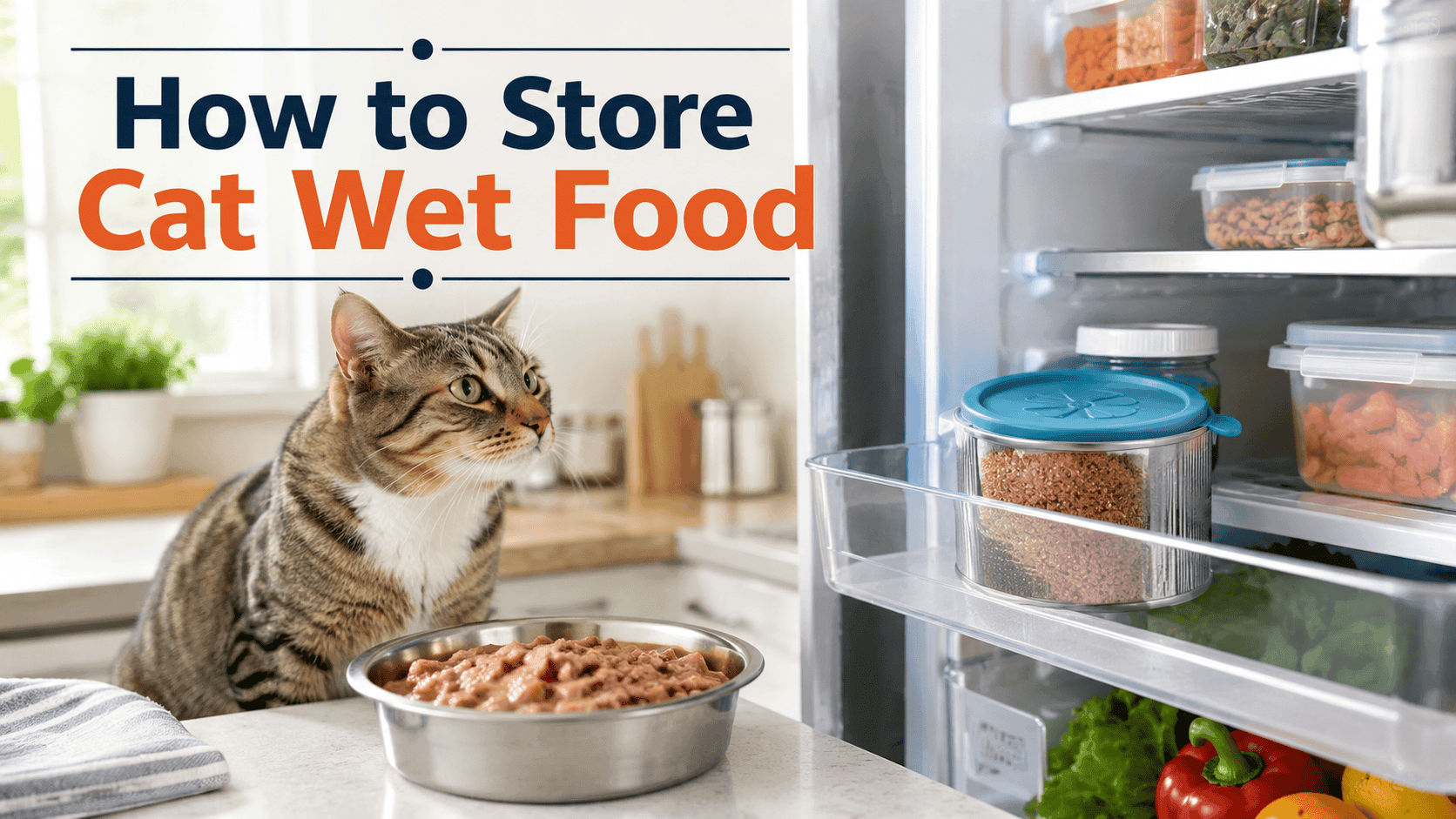
How to Store Cat Wet Food for 2026: What Actually Works
Properly storing your cat’s wet food isn’t just about keeping the fridge tidy; it’s crucial for your pet’s health and preventing waste. Knowing how to store it, both opened and unopened, ensures your feline friend gets safe, nutritious, and appealing meals every time. This guide is on how to Store Cat Wet Food.
When it comes to your cat’s diet, the moisture and texture of wet food make it highly palatable but also more susceptible to spoilage. Manufacturers typically state that opened cans can be refrigerated for 3-5 days, but understanding the nuances can save you money and keep your cat healthier. We’ll walk you through the simple steps and considerations.
Quick Answer
Store unopened cat wet food in a cool, dry pantry. Once opened, transfer it to an airtight container and refrigerate immediately. Wet food that is opened is generally safe for 3-5 days in the refrigerator.
Properly sealing and dating food prevents bacterial growth. Thaw frozen portions gradually and serve at room temperature.
Why Storing Wet Food Properly Matters
Feeding your cat a high-quality wet food offers fantastic hydration and nutrient density, like that seen in many formulas designed for [best cat food for anemic cats]. However, the very qualities that make it appealing also make it a prime target for spoilage once exposed to air. Bacteria can multiply rapidly at room temperature, leading to a range of health issues for your cat, from mild stomach upset to more serious foodborne illnesses.
Moreover, improper storage drastically affects the food’s palatability. Even if it’s still safe, the aroma can fade, and staleness can set in, leading to your finicky eater turning up their nose at what was once a favorite meal. This can result in wasted food and increased feeding costs.
For those exploring other dietary options, understanding wet food storage is also key when considering.
The Risk of Spoiled Food for Your Cat
Spoilage isn’t just about an unpleasant smell; it’s a significant health hazard. Bacteria like Salmonella and Listeria can flourish in moist environments, including leftover cat food left out too long. When your cat consumes contaminated food, they can experience symptoms such as vomiting, diarrhea, lethargy, and loss of appetite. Cat food storage.
In severe cases, these infections can be dangerous.
This is why adhering to recommended storage times is crucial. Manufacturer guidelines, like those found on many resources, suggest a strict limit for opened food, typically within a few days. Overlooking these guidelines can turn a healthy meal into a health risk.
Unopened Wet Food Storage: The Easy Part
Keeping unopened cans or pouches of cat wet food is straightforward. These products are shelf-stable thanks to the canning or sealing process, which effectively removes oxygen and uses heat to preserve the food. Your pantry or a cool, dry cupboard is the ideal spot.
The main goal here is to protect the packaging from damage and extreme temperatures. Avoid storing it in places that get very hot, like directly above a stove or in direct sunlight, as this can degrade the food quality over time. Similarly, freezing unopened cans is generally not recommended unless specified by the manufacturer, as it can sometimes affect the texture or integrity of the can.
Always check the “best by” or expiration date on the packaging. While the food remains safe for consumption for a period after this date if stored properly, its quality might start to decline.
How to Store Cat Wet Food Properly?
This is where proper technique becomes essential. Once a can or pouch is opened, the food is exposed to air and potential contaminants, and its shelf life dramatically shortens. The key is to act quickly and store it in a way that minimizes spoilage.
If you’re feeding a multi-cat household or your cat only eats a portion of a can at a time, you’ll often have leftovers. Understanding the transition from room temperature to safe storage is the first step to ensuring your cat’s meals remain appealing and safe. This is a critical difference compared to storing, which is designed for longer shelf stability at room temperature.
Step 1: Transfer It Out of the Can/Pouch
Never store leftover wet food directly in the open can or pouch. The metal can react with the food, and the seal is broken, allowing air and bacteria to enter. The shape of a can also makes it difficult to get a good seal with plastic wrap, and the open pouch is simply too messy and inefficient.
Instead, immediately transfer any uneaten food into a clean, airtight container. Glass or BPA-free plastic containers with tight-fitting lids are excellent choices. For smaller portions, you can also use dedicated silicone food storage containers, often sold for baby food or geared towards pet portions.
This simple step creates a much better barrier against spoilage.
Step 2: Seal It Right
A good seal is paramount. It prevents the food from drying out, stops odors from spreading throughout your refrigerator, and most importantly, limits the introduction of new bacteria. Make sure the container you choose has a lid that snaps or screws on securely, creating a vacuum seal if possible.
If you’re using a container that doesn’t seal perfectly, you can place a piece of plastic wrap directly over the food before putting the lid on. This adds an extra layer of protection. For smaller portions or single servings, dedicated snack-sized containers work very well.
The goal is to create the most impermeable barrier possible against the air in your fridge.
Step 3: Label and Date
This might seem like a minor detail, but it’s a lifesaver for busy pet owners. Once you’ve transferred the food into its container and sealed it, take a moment to label it. Use a piece of tape and a marker, or a food-safe pen, to write down the date the food was opened.
This prevents any guesswork about how long the food has been in the fridge. You won’t have to sniff it suspiciously or wonder if it’s still good. Knowing the exact date it was opened allows you to stick to safe storage timelines and avoid accidentally feeding your cat food that’s past its prime, especially important for young kittens who might be on specific diets like [best cat food for 6-month-old kitten].
How Long Does Opened Wet Food Last?
This is where many pet owners wonder about the exact timeframe. While general advice is consistent, sticking to it ensures your cat’s safety and avoids unnecessary waste. The environment in which the food is stored plays a huge role.
Generally, once opened and properly stored, most canned wet foods are considered safe for consumption for 3 to 5 days in the refrigerator. This timeframe assumes the food has been transferred to an airtight container and kept consistently cold. It’s always better to err on the side of caution; if in doubt, throw it out.
There are some factors you might consider, especially if your cat has a sensitive stomach or a specific health condition. For instance, if you’re transitioning a kitten to solids, you might stick to the shorter end of that spectrum. As of 2026, these guidelines remain the industry standard from leading pet food authorities.
Refrigerating Opened Food: The Standard Method
Refrigeration is the go-to method for storing opened wet cat food. The cold temperature significantly slows down bacterial growth, keeping the food fresh and safe for a few days. After opening a can or pouch, immediately transfer any uneaten portion into an airtight container, label it with the date, and pop it into the fridge.
It’s important to ensure your refrigerator’s temperature is set correctly, typically between 35°F and 40°F (1.7°C to 4.4°C). Food stored at these temperatures will last for the recommended 3-5 days. Avoid storing opened wet food in the refrigerator door, as this area experiences more temperature fluctuations.
If you find yourself consistently having too much leftover, consider buying smaller cans or pouches if available, or portioning out larger cans into multiple smaller containers for freezing. This offers flexibility for feeding schedules and ensures freshness.
Freezing Opened Food: For Longer Storage
Freezing is an excellent option if you anticipate not using the entire can or pouch within the 3-5 day refrigeration window. Freezing halts bacterial growth entirely, allowing you to store portions for much longer. You can freeze portioned amounts for up to 1-2 months, though the quality might slightly decrease over time.
To do this, transfer portions of the opened wet food into small, airtight, freezer-safe containers or high-quality freezer bags. Silicone ice cube trays designed for pet food or baby food can be perfect for creating individual, single-meal portions. Once frozen, transfer the cubes to a labeled freezer bag.
When you need a portion, take it out of the freezer and allow it to thaw in the refrigerator overnight. Never thaw frozen pet food at room temperature, as this can allow bacteria to grow during the thawing process. This method is particularly useful if you buy in bulk or your cat only eats a small amount per meal.
Common Mistakes When Storing Wet Food
Even with the best intentions, a few common missteps can lead to wasted food or potential health issues for your cat. Being aware of these pitfalls can help you avoid them and ensure optimal food quality and safety.
Leaving Food in the Can
This is the most frequent mistake. When you’re busy or in a hurry, it’s tempting to just pop the opened can into the fridge with a piece of plastic wrap precariously balanced on top. However, as we’ve discussed, this offers poor protection.
The metal can sometimes impart a metallic taste to the food, and the inadequate seal allows air in. Airborne bacteria and odors from other fridge items can contaminate the food, speeding up spoilage. Always take the extra minute to transfer leftovers to a proper airtight container.
Improper Sealing and Cross-Contamination
Beyond just leaving food in the can, improper sealing in general is a problem. Using containers that don’t seal tightly, or failing to ensure lids are fully closed, allows air to get in. This leads to quicker spoilage and can make the food unappetizing for your cat.
Equally important is preventing cross-contamination. Ensure any utensils, containers, or hands that touch the opened wet food are clean. Store wet food containers away from raw meats or other items in the refrigerator that could harbor bacteria, so there’s no risk of transfer.
Relying on Smell Alone
Many people rely on their sense of smell to determine if food has gone bad. While useful, it’s not always a reliable indicator for pet food safety. Some harmful bacteria don’t produce noticeable odors until they’ve reached very high levels, or at all.
Therefore, it’s essential to adhere to the 3-5 day refrigeration rule and the 1-2 month freezing rule, rather than solely trusting your nose. This is particularly important for sensitive cats or those with underlying health conditions. Always check the “best by” date on unopened products and the date you labeled on opened ones.
Serving Stored Wet Food: Bringing It Back to Life
Once your cat’s wet food has been safely stored, it needs a little attention before serving. Cold food isn’t as appealing to cats and can sometimes cause digestive upset. Bringing it closer to room temperature is key for both palatability and comfort.
If you’ve refrigerated leftovers, simply take the sealed container out about 15 to 30 minutes before mealtime. This allows the food to warm up slightly. For frozen portions, the thawing process requires a bit more planning to ensure safety.
Thawing Frozen Food Safely
Never thaw frozen cat wet food on the counter at room temperature. This creates a prime environment for bacteria to multiply rapidly as the food warms. Instead, the safest method is to thaw it overnight in the refrigerator.
If you need to thaw it more quickly, you can place the sealed container or bag in a bowl of lukewarm water. Ensure the container is completely sealed to prevent water from contaminating the food. Once thawed, it should be served within 24 hours and should not be refrozen.
Bringing Chilled Food to a Better Temperature
Even if you’ve only refrigerated the food for a day or two, serving it chilled might deter your cat. A quick way to warm it up is to place the portion in a microwave-safe container and microwave it for very short bursts of 5-10 seconds, stirring in between. Be extremely careful not to overheat it, as this can create hot spots that will burn your cat’s mouth.
Another option, if you’re not using a microwave, is to place the food container in a bowl of warm (not hot) water for a few minutes. Stirring it well will help distribute the warmth evenly. The ideal serving temperature is one that feels slightly warmer than room temperature, mimicking a freshly killed prey item, which is what cats instinctively seek.
Your Decision Guide: Storage Based on How Much You Feed
Deciding between refrigeration and freezing often comes down to your feeding habits and how quickly you go through a can or pouch of wet food. For most cats, especially those being transitioned from kittenhood, consistent intake is important. Understanding your cat’s average daily intake can help you make the best storage choice.
If your cat devours a whole can or pouch in one or two meals, refrigeration is usually sufficient. However, if you have a smaller cat, a picky eater, or feed multiple cats with varied preferences, you might find yourself with regular leftovers. For these situations, freezing becomes an invaluable tool.
Catering to Smaller Appetites
For kittens or very small cats, a single serving might be just a few tablespoons. Feeding them from a large can means a significant amount will be left over. In this scenario, portioning out the entire can into small, freezer-safe containers or ice cube trays immediately after opening can be the most practical approach.
You can then thaw individual portions as needed, ensuring they always get fresh food without the 3-5 day refrigeration gamble. This is a common practice for owners managing specific dietary needs or following plans.
The Multi-Cat Household Advantage
If you have two or more cats, especially if they have different dietary needs or meal schedules, you might find you use wet food more efficiently. It’s still wise to have a few smaller containers ready in the freezer. This way, if you open a large can and one cat only eats a quarter of it, you can freeze the remaining three-quarters rather than letting it sit in the fridge for days.
This flexibility helps minimize waste and ensures everyone gets the freshest food possible.
What About Dry Food Storage?
While this guide focuses on wet food, it’s worth noting that it has a much longer shelf life. Dry food, or kibble, is formulated with very low moisture content, making it resistant to bacterial growth when stored correctly in a cool, dry place in an airtight container. This contrasts sharply with the immediate storage needs of wet food after opening.
Frequently Asked Questions
How long can I leave wet cat food out of the fridge before it spoils?
You should not leave open wet cat food out for more than two hours at room temperature. After this time, bacteria can begin to multiply to unsafe levels. Ideally, refrigerate any leftovers immediately and serve them within 3-5 days.
Can I microwave wet cat food to warm it up?
Yes, you can microwave it for very short bursts (5-10 seconds), stirring between each interval to ensure even warming and avoid hot spots. Be extremely cautious not to overheat it, as this can burn your cat’s mouth. The goal is slightly warmer than room temperature, not hot.
Is it safe to refreeze thawed wet cat food?
No, it is not safe to refreeze wet cat food once it has been thawed. Refreezing can degrade its quality and, more importantly, may allow bacteria to grow during the thawing process. Always thaw food in the refrigerator and serve it within 24 hours.
What are the signs that wet cat food has gone bad?
Signs include a sour or rancid smell, a change in color or texture (like mold growth or sliminess), and a noticeable separation of the gravy or jelly. If you notice any of these, or if it’s been longer than the recommended storage time, discard it immediately.