What Is Phosphorus in Dog Food (2026) — Everything You Need
Figuring out what's actually in your dog's food can feel like a science project. You see words like "phosphorus" on the ingredient list and wonder just how important it really is for your furry friend’s well-being. It's a crucial mineral that plays a role in many of your dog's bodily functions, from building strong bones to powering their everyday energy.
When we talk about canine nutrition, phosphorus is right up there with calcium. The balance of these minerals is particularly vital, especially for dogs with specific health conditions. As of 2026, industry standards, like those set by the Association of American Feed Control Officials (AAFCO), help guide manufacturers on appropriate nutrient levels.
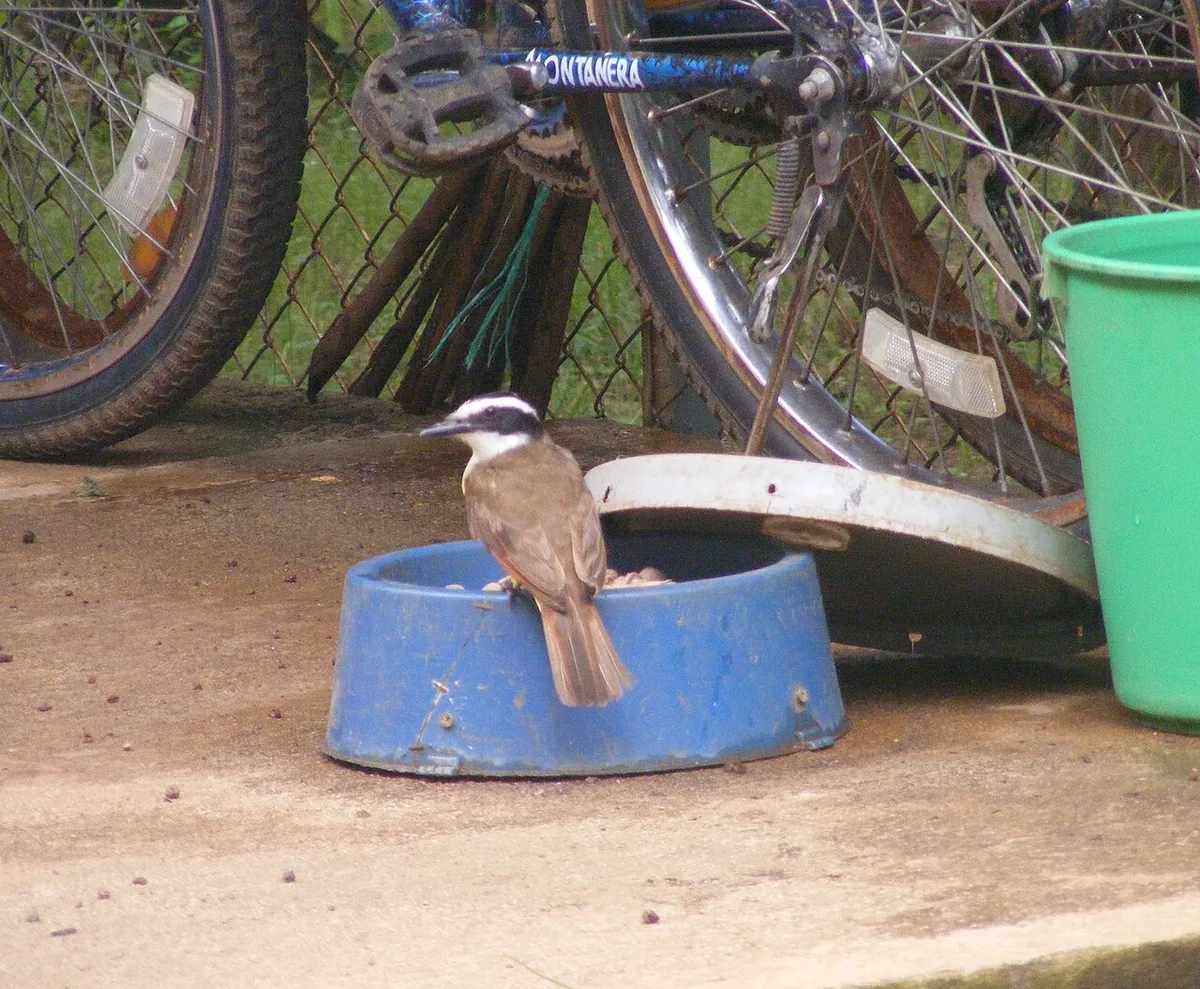
Image source: Wikimedia Commons / BenjaminGheens This picture was taken by BenjaminGheens Evans using a Fujifilm Finepix S5700 camara. (CC BY-SA)
Quick Answer
Phosphorus is a mineral essential for your dog's health, supporting strong bones, teeth, and energy production. It's naturally present in most meat-based dog foods. Proper balance with calcium is key, as too much or too little can cause health issues, particularly affecting kidney function.
Why Phosphorus Matters for Your Dog's Health
Phosphorus is far more than just a number on a pet food label; it’s a fundamental building block for a healthy canine body. It’s classified as a macromineral because your dog needs it in larger quantities compared to trace minerals. Its presence is vital for a host of physiological processes that keep your dog active and thriving throughout their life.
Strong Bones and Teeth: The Foundation
This is perhaps the most recognized role of phosphorus. Working in tandem with calcium, phosphorus is instrumental in the formation and maintenance of your dog's skeletal system. These two minerals combine to create hydroxyapatite, the primary component of bones and teeth.
This mineralization process ensures structural integrity, allowing your dog to run, jump, and play without issue. A healthy ratio of calcium to phosphorus is critical; an imbalance can lead to skeletal deformities or fragility.
Energy Production: Fueling Playtime
Ever wonder where your dog gets that boundless energy for fetch or a spirited walk? Phosphorus is a key player in your dog’s metabolism. It's a core component of adenosine triphosphate (ATP), the molecule that cells use as their primary source of energy.
Without adequate phosphorus, the body’s ability to efficiently convert food into usable energy is compromised. This means even if your dog is eating enough calories, they might appear lethargic or have less stamina if their phosphorus levels aren't optimal.
Cell Function: The Unsung Hero
Beyond bones and energy, phosphorus is integral to numerous cellular functions. It's a critical component of phospholipids, which form the basic structure of all cell membranes. These membranes control what enters and leaves a cell, playing a vital role in cell communication and integrity.
Furthermore, phosphorus is involved in regulating the pH balance within cells and the body, ensuring a stable internal environment for all biochemical reactions to occur efficiently. This broad impact means phosphorus is quietly supporting everything from muscle contraction to nerve signaling.
Understanding Phosphorus Content in Dog Food
Phosphorus is a naturally occurring mineral found in virtually all animal tissues. This means that any dog food formulated with animal-based protein sources will inherently contain phosphorus. Because it’s so widely present in common ingredients, achieving a minimum level is relatively easy for pet food manufacturers.
The real challenge, and the focus for nutritional science, lies in achieving the correct balance with other minerals like calcium and ensuring the total amount is appropriate for a dog’s life stage and health status.
Where Phosphorus Comes From Naturally
The primary sources of phosphorus in dog food are the animal-based ingredients. Think about what’s in most kibble or wet food: meat, poultry, fish, and eggs. All these are rich in phosphorus.
For instance, muscle meat contains a significant amount, and bone meal, often used as a calcium source, also contributes phosphorus. While plant-based ingredients contain phosphorus, it’s often less bioavailable in canine diets compared to the phosphorus found in animal proteins. This is why focusing on the animal components of a diet provides a good initial understanding of the phosphorus contribution.
The Role of Processing and Ingredients
Pet food manufacturers carefully select ingredients to meet specific nutritional profiles. Ingredients like meat meals, poultry by-products, fish, and eggs will contribute a substantial amount of phosphorus. However, the processing of these ingredients can also influence the final nutrient content.
More importantly, the form in which phosphorus is added or present matters. For example, inorganic phosphates are sometimes added as supplements to ensure precise levels and bioavailability. The overall formula is designed to meet or exceed AAFCO’s recommended daily allowance for phosphorus, which varies based on a dog's life stage (puppy, adult, senior).
Manufacturers must adhere to these guidelines to ensure their product is complete and balanced.
Is Too Much or Too Little Phosphorus a Problem?
While phosphorus is essential, the concept of "more is better" absolutely does not apply. Maintaining the right balance is key, and deviations can lead to significant health complications for your dog. The consequences of a phosphorus imbalance are often more serious than minor nutritional deficiencies, impacting major organ systems and skeletal health.
When Phosphorus Levels Are Too Low
Deficiency in phosphorus is relatively uncommon in dogs fed commercially produced, complete, and balanced diets. This is largely because phosphorus is so prevalent in the animal proteins that form the foundation of most dog foods. If a deficiency were to occur, it would likely be in a dog fed a homemade diet that is severely unbalanced or lacks essential animal products.
Symptoms can include:
- Poor appetite and weight loss.
- Weakness and lethargy.
- Bone deformities and rickets (especially in puppies) due to impaired mineralization.
- Lameness or pain associated with skeletal issues.
- Anemia, as phosphorus is needed for red blood cell formation.
In these rare cases, the focus would be on identifying the cause of the deficiency, often by revising the dog's diet to include appropriate animal-based protein sources and potentially a phosphorus supplement under veterinary guidance.
The Dangers of Excess Phosphorus
Excess phosphorus is a more common concern, particularly for dogs with underlying health issues. When a dog's body retains too much phosphorus, it can disrupt the delicate balance with calcium and strain the kidneys. This excess can lead to a cascade of health problems.
A critical point to understand is that the kidneys play a major role in filtering out excess phosphorus from the bloodstream. If the kidneys aren't functioning optimally, phosphorus can build up, leading to serious complications that can exacerbate the primary health condition.
The Kidney Connection: Why Balance is Crucial
The relationship between phosphorus and kidney health is paramount. For dogs with compromised kidney function, their ability to excrete excess phosphorus is diminished. This leads to hyperphosphatemia, an abnormally high level of phosphorus in the blood.
Left unchecked, this condition can have several detrimental effects:
- Worsening Kidney Disease: High phosphorus levels can contribute to further damage and scarring of kidney tissue, accelerating the progression of kidney disease.
- Secondary Hyperparathyroidism: To compensate for high phosphorus and low calcium (as excess phosphorus binds to calcium), the body produces more parathyroid hormone (PTH). This can lead to the leaching of calcium from bones, making them weak and brittle, and contributing to other systemic issues.
- Calcification: Excess phosphorus and calcium can deposit in soft tissues, such as blood vessels, heart, and lungs, impairing their function.
For these reasons, veterinarians often prescribe specialized therapeutic diets for dogs with chronic kidney disease. These diets are carefully formulated with controlled phosphorus levels, typically much lower than standard dog food, to help manage the condition and improve quality of life.
Understanding Phosphorus Content in Dog Food
When you glance at a dog food bag, you're usually looking for protein percentages or guaranteed analysis of key nutrients. Phosphorus is a crucial part of that analysis, and understanding where it comes from and how it’s regulated helps you make informed choices for your dog’s diet. Its presence isn't usually a matter of adding it in for a specific benefit, but rather of managing how much is there due to the very nature of staple ingredients.
Where Phosphorus Comes From Naturally
Most foods a dog would naturally eat contain phosphorus. The richest sources are animal-based ingredients, which are staples in commercial dog food. This includes:
- Meat: Beef, lamb, chicken, turkey, and other meats are naturally high in phosphorus.
- Poultry By-products: These can include organs and other nutritious parts, all containing significant phosphorus.
- Fish: Many types of fish are excellent sources of phosphorus.
- Eggs: Whole eggs are another good source.
- Bone Meal: Often added for calcium, bone meal is also a source of phosphorus.
Plant-based ingredients, like grains and vegetables, also contain phosphorus, but it's often less bioavailable to dogs compared to phosphorus from animal sources. Because of this, manufacturers rely heavily on animal proteins to ensure dogs get adequate amounts of this essential mineral.
The Role of Processing and Ingredients
The way dog food is made and the specific ingredients chosen heavily influence its phosphorus content. Manufacturers use a variety of animal protein sources to create balanced formulas. For instance, a food might list chicken as the first ingredient, indicating a substantial phosphorus contribution from that protein.
Other ingredients, like meat meals, rendered animal protein sources, are also common and provide concentrated amounts of phosphorus.
Beyond naturally occurring phosphorus, some formulas may also use inorganic phosphate additives. These are typically added to ensure the food meets specific nutritional standards and to contribute to the precise mineral balance required. For example, dicalcium phosphate or monocalcium phosphate might be added.
The guaranteed analysis on the dog food packaging will list the minimum percentage of phosphorus. Industry standards, such as those established by the Association of American Feed Control Officials (AAFCO), provide guidelines for the minimum and maximum phosphorus levels for different life stages (e.g., puppy food versus adult maintenance food). These standards ensure that dog foods are not just palatable and digestible but also nutritionally complete and safe.
For example, AAFCO guidelines often specify a minimum phosphorus level relative to calcium, emphasizing the importance of their ratio.
Is Too Much or Too Little Phosphorus a Problem?
Phosphorus is a double-edged sword: essential for life, but problematic in excess or deficiency. Understanding where the line is drawn and why is key to your dog's well-being, especially as they age or if they have specific health conditions. The most critical concept here is balance, not just having enough, but having the right amount, particularly in relation to other minerals.
When Phosphorus Levels Are Too Low
It's rare for a dog eating a commercially prepared, complete, and balanced diet to have a phosphorus deficiency. This is because phosphorus is so abundant in the protein sources that make up the bulk of most dog foods. You're more likely to see a deficiency in dogs on severely restricted or unbalanced homemade diets that lack sufficient animal products.
If a deficiency does occur, symptoms typically manifest as:
- Reduced appetite and significant weight loss.
- General weakness and fatigue, making your dog seem less energetic.
- Skeletal issues, like rickets in puppies, where bones don't mineralize properly and can become soft and deformed. Adult dogs might experience bone pain or fractures more easily.
- Lameness due to pain in the bones or joints.
- Anemia, because phosphorus is also involved in red blood cell production.
Correcting a deficiency usually involves identifying the dietary root cause and working with a veterinarian to adjust the dog's food or, in extreme cases, a prescribed supplement.
The Dangers of Excess Phosphorus
The flip side, having too much phosphorus, is a more prevalent concern, especially for dogs with kidney issues. When phosphorus levels rise too high in the bloodstream (a condition called hyperphosphatemia), it can trigger a domino effect of health problems. The kidneys are responsible for filtering out excess phosphorus, so when their function declines, phosphorus elimination becomes inefficient.
This buildup doesn't just affect the kidneys; it can have systemic repercussions throughout the body, impacting bone health, cardiovascular function, and overall metabolism.
The Kidney Connection: Why Balance is Crucial
The link between phosphorus and kidney health is one of the most critical aspects of canine nutrition. Healthy kidneys effectively filter waste products and excess minerals, including phosphorus, from the blood. When a dog’s kidneys are damaged or diseased, their ability to perform this filtration is impaired.
This leads to a buildup of phosphorus in the blood.
High blood phosphorus levels in dogs with kidney disease can:
- Accelerate Kidney Damage: The excess phosphorus can contribute to further inflammation and scarring within the kidneys, worsening the underlying disease.
- Cause Secondary Hyperparathyroidism: The body attempts to regulate the imbalance by increasing parathyroid hormone (PTH). This hormone signals the body to release calcium from the bones to try and normalize blood calcium levels, leading to weakened, brittle bones.
- Lead to Soft Tissue Calcification: Excess phosphorus and calcium can deposit in areas like blood vessels, the heart, joints, and lungs, interfering with tissue function and potentially causing pain or organ damage.
Because of this intricate relationship, veterinary nutritionists often design therapeutic diets specifically for dogs with kidney disease. These diets are formulated to have significantly reduced phosphorus content, helping to manage hyperphosphatemia, slow disease progression, and improve the dog's comfort and longevity. The goal is to maintain a lower serum phosphorus level, which in turn reduces the strain on the kidneys and the cascade of negative effects.
Understanding Phosphorus Content in Dog Food
When you're scanning the guaranteed analysis on your dog's food bag, you'll see phosphorus listed alongside other key minerals. It’s a fundamental nutrient, naturally present in many ingredients, but its level needs careful management. Manufacturers consider phosphorus when formulating their diets to ensure they meet established nutritional guidelines, especially the balance with calcium.
Where Phosphorus Comes From Naturally
Phosphorus is abundant in animal tissues, making it a naturally occurring component in virtually all meat-based dog foods. Key ingredient categories that contribute significant amounts include:
- Meat and Poultry: Whether it's whole meat, meat meal, or meat by-products, these are primary sources.
- Fish: Many fish species used in pet food are naturally rich in phosphorus.
- Eggs: A complete protein source that also supplies phosphorus.
- Bone Meal: While often included for calcium, bone meal also inherently contains phosphorus.
While plant-based ingredients like grains, legumes, and vegetables do contain phosphorus, it is generally less bioavailable to dogs than the phosphorus found in animal proteins. Therefore, the inclusion of animal-based ingredients is the main driver of phosphorus content in most commercial dog foods.
The Role of Processing and Ingredients
The specific ingredients chosen by a pet food manufacturer directly dictate the phosphorus content of their product. For example, a food listing chicken or beef as the first ingredient will inherently have a higher phosphorus level than a diet relying primarily on plant proteins. Manufacturers carefully measure the phosphorus contributed by each ingredient to create a balanced final product.
In addition to naturally occurring phosphorus, some formulas may also utilize inorganic phosphate salts as nutritional supplements. These are added to precise amounts to help achieve the exact mineral profile required by pet food standards. The Association of American Feed Control Officials (AAFCO) provides established nutritional profiles for different life stages, including minimum phosphorus levels.
For instance, AAFCO guidelines may state that a dog food must contain at least 0.5% phosphorus on a dry matter basis for adult maintenance. This standardization ensures that dogs receive appropriate nutrition, with particular attention paid to the calcium-to-phosphorus ratio, which is critical for skeletal health. For example, AAFCO's recommendations often suggest a ratio where calcium is slightly higher or equal to phosphorus.
Is Too Much or Too Little Phosphorus a Problem?
Phosphorus is a vital nutrient that your dog needs in specific amounts for many bodily functions. However, just like many nutrients, too much or too little can cause health problems. The key takeaway is that balance is absolutely critical, especially in relation to other minerals.
When Phosphorus Levels Are Too Low
A phosphorus deficiency is not common in dogs that are fed a commercially prepared, balanced dog food. This is because phosphorus is naturally present in the high-quality animal protein sources that most commercial dog foods use. Deficiency is more likely to occur if a dog is on a very restrictive or improperly formulated homemade diet that lacks sufficient animal-based ingredients.
Symptoms of low phosphorus might include:
- Poor appetite and weight loss.
- General weakness and lethargy.
- Bone problems, especially in puppies, such as rickets where bones don't form correctly and can be soft or misshapen.
- Lameness or discomfort due to skeletal issues.
- Anemia, as phosphorus is involved in red blood cell production.
If a deficiency is suspected, a veterinarian will review the dog's diet and may recommend specific dietary changes or supplements to correct the imbalance.
The Dangers of Excess Phosphorus
Having too much phosphorus in the diet or in the body is a more common concern, particularly for dogs with certain health issues, most notably kidney disease. When phosphorus builds up in the blood (a condition called hyperphosphatemia), it can lead to a cascade of negative health effects. The kidneys are the primary organs responsible for filtering excess phosphorus from the bloodstream.
When they can't keep up, the excess can cause significant problems, impacting bone health, cardiovascular function, and contributing to the progression of the underlying disease.
The Kidney Connection: Why Balance is Crucial
The relationship between phosphorus and kidney health is one of the most important considerations in canine nutrition. Healthy kidneys are essential for filtering waste products and excess minerals, including phosphorus, from the blood. When a dog's kidneys are diseased or damaged, their ability to filter these substances efficiently is severely compromised.
This leads to a buildup of phosphorus in the bloodstream, which can have several detrimental effects:
- Accelerated Kidney Damage: High phosphorus levels can contribute to further inflammation and damage within the kidney tissues, accelerating the progression of kidney disease.
- Secondary Hyperparathyroidism: To try and regulate the abnormal mineral balance (high phosphorus, and subsequently, low calcium), the body produces more parathyroid hormone (PTH). This hormone can cause calcium to be leached from the bones, leading to weakened, brittle bones and systemic issues.
- Soft Tissue Calcification: Excess phosphorus and calcium can deposit in soft tissues throughout the body, such as blood vessels, the heart, and lungs. These deposits can impair organ function and lead to discomfort or pain.
For these reasons, veterinarians often prescribe specific therapeutic diets for dogs diagnosed with kidney disease. These diets are formulated with strictly controlled, reduced phosphorus levels to help manage hyperphosphatemia and slow the progression of the disease, aiming to improve the dog's quality of life and longevity. The goal is to maintain lower serum phosphorus levels, which alleviates strain on the kidneys and mitigates other negative health consequences.
Decoding Dog Food Labels: What to Look For
When you pick up a bag of dog food, understanding the nutritional information can feel like decoding a secret language. You’re looking for clues about your dog’s health, and phosphorus is a key player. The guaranteed analysis section on any reputable dog food will list the minimum percentage of phosphorus.
For instance, a typical adult maintenance food might have a minimum of 0.5% phosphorus on a dry matter basis. This figure, alongside the calcium percentage, is critical for ensuring a balanced diet. The ratio between calcium and phosphorus is often more telling than the absolute numbers alone; a healthy ratio supports proper bone development and function.
Therapeutic Diets: When Special Formulas Are Needed
If your dog has been diagnosed with a health condition like chronic kidney disease, their dietary needs change significantly. Enter therapeutic diets. These are specially formulated foods created by veterinary nutritionists to manage specific health issues.
For kidney patients, the primary goal is to reduce the workload on the kidneys. This involves carefully controlling phosphorus intake.
These diets typically feature:
- Restricted Phosphorus: Levels are much lower than standard dog food, often below 0.4% on a dry matter basis, to prevent buildup.
- Controlled Protein: High-quality, but often reduced, protein content limits nitrogenous waste products.
- Added Omega-3 Fatty Acids: These can help reduce inflammation and support kidney function.
- Potassium and Sodium Management: Levels are adjusted to support overall health.
Transitioning to a therapeutic diet should always be done under veterinary supervision. They can recommend specific brands and provide guidance on reintroducing the new food gradually to avoid digestive upset.
What About Grain-Free Diets and Heart Health?
The topic of grain-free diets and their potential link to dilated cardiomyopathy (DCM) in dogs has gathered significant attention from pet owners and veterinary professionals. While research is ongoing, some studies have explored whether diets lower in grains, and potentially higher in certain ingredients like legumes or potatoes, may be associated with an increased risk of DCM in predisposed breeds. Phosphorus itself is not typically singled out as the direct cause in this specific dietary concern; rather, it's the overall dietary composition and the complex interplay of ingredients and their nutrient bioavailability.
The U.S. Food and Drug Administration (FDA) has been investigating this association. They note that many of the foods implicated in these observed cases contain high levels of legumes, such as peas, lentils, and potatoes, as primary ingredients.
It’s a complex nutritional puzzle, and the exact mechanisms are still being studied. For owners concerned about DCM, discussing their dog's current diet and any potential risks with their veterinarian is the most prudent step. They can provide personalized advice based on the latest research and your dog's specific breed and health profile.
Key Nutrients that Work with Phosphorus
Phosphorus doesn't operate in a vacuum; it interacts with several other nutrients to perform its functions. The most crucial of these partners is calcium. Their relationship is so intertwined that their balance is often more important than the individual levels of each.
Understanding this partnership is vital for ensuring proper skeletal development and overall metabolic health.
The Calcium-Phosphorus Partnership
Calcium and phosphorus are the dynamic duo of bone health. They work together to form hydroxyapatite, the mineral compound that gives bones and teeth their strength and rigidity. For this process to be effective, their levels must be in a specific ratio.
Generally, the ideal ratio of calcium to phosphorus in a dog’s diet falls between 1:1 and 2:1. This means for every unit of phosphorus, there should be one to two units of calcium.
If this ratio is significantly off, either too much phosphorus or too little calcium, or vice versa, it can lead to serious problems. Too much phosphorus relative to calcium can interfere with calcium absorption, leading to secondary hyperparathyroidism, bone demineralization, and skeletal abnormalities. Conversely, too much calcium relative to phosphorus can also be detrimental, affecting nutrient absorption.
This is why commercial dog foods are formulated to meet AAFCO’s guidelines for both calcium and phosphorus content and their ratio, ensuring optimal skeletal development and integrity.
When to Talk to Your Veterinarian About Phosphorus
Your veterinarian is your most trusted partner in ensuring your dog receives optimal nutrition. While you can read labels and understand basic concepts, your vet has the medical knowledge to assess your dog's unique needs. If you notice any changes in your dog's health, or if you're considering a significant diet change, a conversation about phosphorus and other nutrients is warranted.
They can connect dietary components to your dog's overall health status, considering breed predispositions, age, activity level, and any existing medical conditions.
Signs Your Dog Might Need a Dietary Check-up
Several signs can indicate that your dog's diet might not be meeting their needs, and these could relate to mineral imbalances like phosphorus. If your dog shows persistent lethargy, a lack of energy, or seems to have less stamina than usual, it could be a sign of metabolic issues. Skeletal problems, such as limping, a reluctance to jump, or noticeable pain when moving, also warrant investigation.
Changes in appetite, unexplained weight loss or gain, or digestive upset that doesn't resolve quickly could also point to dietary inadequacies.
For older dogs or those with known health conditions, regular veterinary check-ups are crucial. Blood tests can reveal if mineral levels, such as phosphorus and calcium, are within the normal range. Early detection of imbalances or health issues can lead to timely adjustments in diet or management strategies, significantly improving your dog's prognosis and quality of life.