How Long Does Wet Cat Food Last After Opening 2026
Figuring out how long opened wet cat food stays fresh is a common question for cat parents everywhere. You want to give your feline friend the best, and that means ensuring their food is safe and appealing. Feeding spoiled food can lead to unhappy kitties and even upset tummies, which nobody wants.
Our research indicates that once a can, pouch, or tray of wet food is opened, its shelf-life drastically shortens. According to guidelines for pet food safety, opened wet cat food is typically good for a limited time, even when refrigerated. For instance, the FDA recommends that opened canned pet food be refrigerated and used within a few days.
Quick Answer: Wet Cat Food Shelf Life After Opening
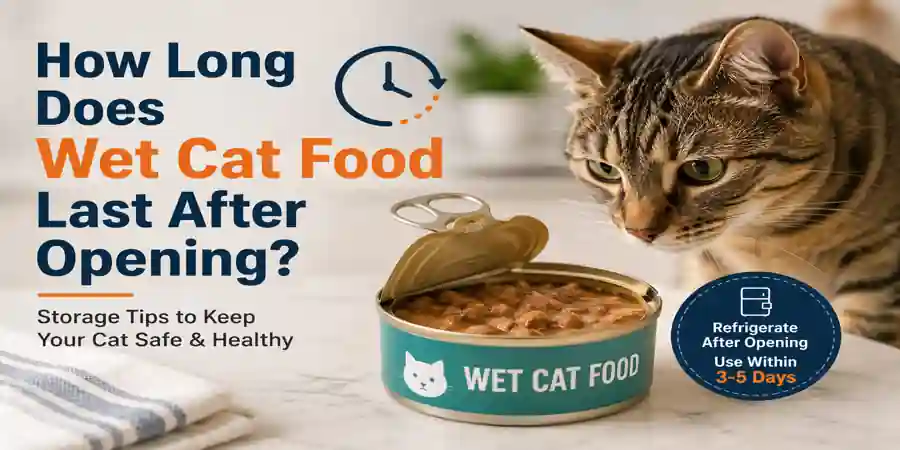
Opened wet cat food lasts about 3-4 days in the refrigerator. If left at room temperature, it should be discarded after 2 hours. Always store opened food in an airtight container.
Not properly sealing opened wet cat food can lead to rapid bacterial growth.
The Real Deal: Spoilage Times for Opened Wet Cat Food
Once that seal is broken, the clock starts ticking for your wet cat food. The ingredients are exposed to air and potential contaminants, which can quickly impact their safety and taste. Understanding these timelines helps you manage your cat’s food efficiently and avoid waste or health risks.
The type of packaging can make a slight difference in handling, but the core principles of spoilage remain consistent. Whether it’s a traditional can, a convenient pouch, or a partitioned tray, the fact is that once opened, it’s a perishable item.
Refrigerated Wet Cat Food: How Long Is Safe?
When it comes to keeping opened wet cat food fresh, refrigeration is your best bet. Transferring uneaten portions into a clean, airtight container and popping it into the fridge will extend its usability. Our research, referencing general pet food safety guidelines, suggests that most opened wet cat food can safely be stored in the refrigerator for about 3 to 4 days.
This timeframe is a guideline, of course. Factors like the specific ingredients, how thoroughly you seal the container, and the consistent temperature of your refrigerator can all play a role. For example, while some user feedback suggests longer storage might be possible with perfect sealing, sticking to the 3, 4 day window is the safest approach to prevent potential spoilage.
For a detailed look at canned food specifically, check out how long canned cat food lasts once opened.
Room Temperature Wet Cat Food: The Two-Hour Rule
Leaving wet cat food out on the counter is a much riskier proposition. Bacteria, like Salmonella and Listeria, thrive in warmer environments. According to food safety standards, perishable food should not be left at what’s known as the “danger zone”, temperatures between 40°F (4°C) and 140°F (60°C), for more than two hours.
This applies directly to your cat’s food. If you’ve served your cat a portion of wet food and they haven’t finished it, the clock starts ticking immediately. After two hours at room temperature, it’s best to discard any uneaten portion.
This two-hour rule is critical for preventing bacterial growth that could make your cat sick.
Signs Your Opened Wet Cat Food Has Gone Bad
Even within the recommended storage times, it’s wise to be observant. Your senses can be your first line of defense against feeding your cat spoiled food. Trust your nose, and trust your eyes.
- Smell: Fresh wet cat food has a distinct, often savory aroma. If it smells sour, rancid, or just “off” in a way that’s unpleasant, it’s a strong indicator that it’s gone bad. Don’t rely on your cat’s pickiness; if it smells bad to you, it’s likely beyond consumption for them.
- Appearance: Look for any visual changes. This includes mold growth, which might appear as fuzzy patches of white, green, or black. Discoloration, unusual sliminess, or a change in texture could also signal spoilage.
- Taste: While you shouldn’t taste cat food, its palatability for your cat is a key indicator. If your cat, who might otherwise eat anything, turns up their nose at their food, it could be a sign of spoilage, even if visual and smell cues are subtle.
Storing Opened Wet Cat Food Safely & Effectively
The key to maximizing the freshness of opened wet cat food lies in proper storage techniques. This involves minimizing air exposure and keeping the food at a cool, consistent temperature. Think of it like storing leftovers in your own kitchen; the better you seal it, the longer it lasts.
When you open a can or pouch, and your cat doesn’t finish the entire portion, the best practice is to transfer the remainder. You’ll want to use a clean, airtight container specifically designed for food storage. While some original packaging might have resealable lids or clips, they often don’t create a sufficient seal to prevent oxidation and contamination for long periods.
Best Practices: Transferring and Sealing
To store opened wet cat food effectively, follow these steps:
- Use a clean container: Always opt for a clean, dry, food-grade airtight container. Glass or BPA-free plastic containers with secure lids work well.
- Remove from original packaging: Don’t leave the food in the open can or pouch. Metal cans, especially once opened, can react with the food over time.
- Seal tightly: Ensure the lid on your chosen container is firmly sealed. This is crucial for limiting air exposure, which is the primary driver of spoilage and odor transfer.
- Refrigerate promptly: Place the sealed container in the refrigerator as soon as possible, ideally within the two-hour room temperature limit.
Manufacturers often recommend specific storage methods for their products. For instance, some specialized diets might have unique handling requirements noted on the packaging. If you’re looking into making your own cat food, understanding storage is even more critical; exploring how to make cat food from scratch can highlight these demands.
What Not To Do With Opened Wet Cat Food
Just as important as knowing what to do is knowing what not to do. Certain common practices can actually speed up spoilage or create health risks for your feline companion. Avoid these common pitfalls to keep their food safe:
- Leaving it uncovered: Never leave opened wet cat food uncovered in the refrigerator. This allows it to absorb odors from other foods and exposes it to air, accelerating spoilage. It also increases the risk of cross-contamination.
- Re-serving old food: Don’t try to save food that has been sitting out for more than two hours, or food that’s past its refrigerated use-by date. Even if it doesn’t look or smell overtly spoiled, bacteria may already be present. When in doubt, throw it out.
- Using dirty containers: Reusing a container without washing it thoroughly can introduce new bacteria to the food, compromising its safety. Always wash containers with hot, soapy water and dry them completely before refilling.
- Storing in the original open can: While some might use a plastic lid designed for cans, these often don’t create a sufficient seal. This allows air in and odors out, negating much of the benefit of refrigeration. The metal can itself can also potentially interact with the food over extended periods.
Why Proper Storage Matters for Your Cat’s Health
Feeding your cat spoiled food isn’t just about a picky eater; it’s a serious health concern. Opened wet cat food can quickly become a breeding ground for harmful bacteria. These microorganisms multiply rapidly, especially at room temperature, and can lead to various gastrointestinal issues in cats.
Ensuring you feed your cat fresh, properly stored food helps maintain their overall well-being. It’s a fundamental part of responsible pet ownership. This also helps preserve the food’s appealing taste and texture, ensuring your cat actually eats the nutritious meals you provide.
For those interested in understanding calorie counts, how many calories in canned cat food can be a helpful piece of related knowledge.
The Risks of Feeding Spoiled Food
When wet cat food spoils, it can pose significant risks to your cat’s health. Bacteria like Salmonella, E. coli, or Listeria monocytogenes can contaminate the food. Ingesting these can cause symptoms ranging from vomiting and diarrhea to more severe conditions like food poisoning and sepsis.
Cats with compromised immune systems, such as kittens, senior cats, or those with underlying health conditions like anemia, are especially vulnerable. For cats with specific health needs, choosing the right food is paramount, and ensuring its freshness is part of that. If your cat has anemia, consult resources on best cat food for anemic cats.
Maintaining Palatability and Nutrition
Beyond safety, proper storage keeps the food appealing and nutrient-rich. Wet cat food often contains essential moisture, proteins, and fats that can degrade when exposed to air or stored improperly. This degradation not only affects taste but can also reduce the nutritional value of the meal.
Cats have sensitive palates and can detect subtle changes in their food. If the aroma or texture is off due to improper storage, they might refuse to eat it, leading to nutritional deficits. This is particularly important for kittens, who have different dietary needs.
You can learn more about best cat food for a 6-month-old kitten.
Unopened Wet Cat Food: Shelf Life and Storage
Before we even open a can or pouch, understanding the shelf life of unopened wet cat food is important. Manufacturers package these foods to be shelf-stable for extended periods. This is different from opened food, which requires immediate refrigeration or consumption.
You’ll typically find a “best by” or “expiration” date printed on the packaging. This date indicates when the manufacturer guarantees the food will be at its peak quality in terms of taste, texture, and nutritional integrity. While food past this date isn’t necessarily unsafe, its quality might decline.
Common storage for unopened wet cat food involves keeping it in a cool, dry place, away from direct sunlight and extreme temperature fluctuations. Unlike dry kibble, which can spoil over long periods when exposed to air, unopened wet food is quite stable. For context on dry food, consider what is kibble cat food.
Store unopened cans or pouches in a pantry or on a shelf. Avoid areas where temperatures can spike, like near a stove or in a hot garage. Proper storage ensures the food remains good until it’s time to serve it.
When to Toss It: Making the Hard Decision
Knowing when to say goodbye to an opened container of wet cat food is crucial for your cat’s health. Sometimes, even if it seems fine, it’s better to err on the side of caution. This decision-making process relies on observing the food and considering the storage timeline.
If you’ve stored opened wet food in the refrigerator and it’s been longer than 3-4 days, it’s time to discard it. Even if there are no obvious signs of spoilage like mold or a foul odor, bacteria can be present and undetectable to the naked eye or nose. As of 2026, these food safety guidelines remain firm.
Consider the entire history of the food since opening. Was it sealed properly? Was it left out for an extended period initially?
If there’s any doubt about its freshness or safety, the most responsible action is to dispose of it. This protects your cat from potential illness.
Expert Tips for Managing Opened Wet Cat Food
Managing opened wet cat food efficiently can save you money and ensure your cat always has access to safe, appealing meals. Here are a few practical tips gathered from pet nutrition resources and manufacturer guidelines to help you out. They focus on minimizing waste and maximizing safety.
- Portion control is key: Try to buy food in sizes that match your cat’s consumption rate. If you have a single cat or a kitten, smaller cans or pouches might be more practical than large cans meant for multiple servings. This helps you avoid having large amounts left over. For young cats nearing adulthood, understanding when a cat should stop eating kitten food can also inform purchase decisions.
- Use silicone lids: For cans, specialized reusable silicone lids that create a tight seal can be very useful. They fit snugly over the can opening, helping to keep air out and odors contained in the refrigerator.
- Freeze portions: If you know you won’t use a full large can before the 3-4 day refrigerated limit, consider freezing portions. Divide the opened food into small, individual servings using an ice cube tray or small freezer-safe containers. Once frozen, transfer these portions to a freezer bag. Frozen portions can last for months and can be thawed in the refrigerator overnight before serving.
- Note the opening date: A simple but effective trick is to write the date you opened the can or pouch on the packaging (or on your container) with a marker. This helps you keep track of exactly how long it’s been since it was opened.
These tips help ensure that every meal your cat enjoys is as fresh and safe as possible.