How to Make Cat Food From Scratch in 2026 (Explained Simply)
Thinking about making your cat’s meals from scratch? It’s a noble thought, driven by a desire to give your furry friend the absolute best. However, the exact query “how to make cat food from scratch” doesn’t just lead to simple recipes; it opens a complex nutritional challenge.
Cats have incredibly specific dietary needs that differ significantly from ours.
What seems like a healthy ingredient for humans can be detrimental to felines. Their bodies require a precise balance of nutrients, often expressed in specific ratios like calcium to phosphorus being 1.1:1 to 1.3:1. Deviating from these requirements can have severe health repercussions.
Quick Answer
Making cat food from scratch requires a veterinary nutritionist’s guidance. Cats need precise nutrient balances, including specific amino acids like taurine, which are vital for their health. Imbalanced homemade diets can lead to serious deficiencies or toxicities.
Consulting experts and using laboratory analysis ensures dietary safety and completeness.
The Crucial Role of Feline Nutrition
Why Accuracy Matters When Feeding Your Cat
Cats are obligate carnivores. This isn’t just a label; it’s a biological imperative that dictates their entire dietary system. Unlike omnivores or even other carnivores that can adapt their diet, cats must consume animal-based nutrients to survive and thrive.
Their bodies are designed to efficiently process meat and extract essential components, but they can’t synthesize certain vital nutrients on their own. This means we, as their caretakers, have to provide them directly.
Missing even one critical nutrient, or providing it in the wrong amount, can have a cascade effect on their health. Research confirms that deviations from a cat’s required nutrient profile can impact everything from their eyesight and heart function to their immune system and bone density. This is why commercial cat foods are formulated to meet established nutritional standards, like those set by the Association of American Feed Control Officials (AAFCO).
As of 2026, these standards remain the benchmark for complete and balanced feline nutrition.
Key Nutritional Building Blocks for Cats
Essential Proteins, Fats, Vitamins, and Minerals
At its core, a cat’s diet needs to be rich in animal-based protein and fat. Protein provides the amino acids essential for building and repairing tissues, while fats are a concentrated energy source and crucial for absorbing fat-soluble vitamins. But it’s the micronutrients where extreme precision becomes non-negotiable.
Consider taurine, an amino acid found abundantly in animal muscle meat and organs. Cats cannot synthesize enough taurine on their own, so they need it in their diet. A taurine deficiency can lead to irreversible blindness and dilated cardiomyopathy, a severe heart condition.
Manufacturers typically add taurine to commercial diets to ensure adequate levels, as it is often insufficient in lean muscle meat alone.
Other vital micronutrients include:
- Vitamin A: Cats need pre-formed Vitamin A, which they get from animal sources like liver, rather than converting it from beta-carotene like humans. Too little can cause vision problems and poor growth; too much can be toxic.
- Arachidonic Acid: Cats cannot convert linoleic acid into arachidonic acid, so they require this fatty acid from animal fats for skin, coat, and immune health.
- Niacin: While some animals can convert tryptophan to niacin, cats require a direct dietary source.
Getting these components in the right quantity and proportion is more complex than simply combining meats and vegetables.
Potential Dangers: Common Mistakes in DIY Cat Food
Nutritional Deficiencies and Excesses That Harm Cats
The most significant risk of making cat food from scratch is creating an unbalanced diet. This isn’t about a meal being “good” or “bad” in the human sense; it’s about meeting a highly specific biological requirement. For instance, if a homemade diet lacks sufficient calcium but has too much phosphorus (often found in meat), it can lead to serious skeletal issues, especially in growing kittens.
Their bones may become brittle and prone to fractures.
Conversely, providing too much of certain nutrients can also be harmful. Excessive Vitamin A, as mentioned, can cause skeletal pain and deformities. Over-supplementation of minerals can strain organs like the kidneys over time.
These are not minor inconveniences; they are serious health problems that can affect your cat’s quality of life and lifespan.
The Hidden Risks of Imbalanced Ratios
Let’s talk about the calcium-to-phosphorus ratio, a common pitfall. Animal muscle meat is typically rich in phosphorus but low in calcium. If a homemade diet consists mainly of muscle meat without a balanced calcium source (like bone meal or a specific calcium supplement recommended by a vet), the ratio will be skewed.
Veterinary nutritionists often recommend a ratio between 1.1:1 and 1.3:1. A diet with a ratio of, say, 1:20 (calcium: phosphorus) can leach calcium from the cat’s bones to maintain blood calcium levels, leading to severe skeletal demineralization.
The danger lies in the fact that these deficiencies or excesses don’t always show immediate, obvious symptoms. They can develop insidiously over months or even years, by which time significant, sometimes irreversible, damage may have occurred. This is why the precise measurement and formulation are critical, akin to administering medication.
Dangers of Incomplete Diets: Taurine and Beyond
We’ve touched on taurine, but its importance cannot be overstated. The symptoms of taurine deficiency can take months to appear, often starting with subtle signs like reduced activity or poor coat quality. They can progress to dilated cardiomyopathy, where the heart muscle weakens and enlarges, leading to congestive heart failure.
This condition is irreversible and can be fatal.
Beyond taurine, think about other essential fatty acids and vitamins. Many homemade diets might overlook the need for specific fatty acid profiles crucial for skin and coat health, or they might not include adequate levels of B vitamins, which are vital for energy metabolism. The complexity extends to ensuring adequate fiber and moisture content, which also play roles in digestive health.
For owners looking for specialized diets, understanding the nuances of conditions like urinary tract infections or diabetes in cats is also crucial, and the wrong homemade diet can exacerbate such issues; referring to resources like the best cat food for urinary tract infection can highlight the specificity required.
When to Absolutely Seek Expert Veterinary Guidance
Recognizing When You Need a Professional
If you’re considering making cat food at home, the absolute first step, before you buy a single ingredient, is to consult with a board-certified veterinary nutritionist or a veterinarian with specialized training in feline nutrition. This isn’t a suggestion; it’s a critical safety measure. These professionals can assess your cat’s individual needs based on their age, health status, and any existing medical conditions.
They understand the complex interplay of nutrients and can formulate a diet that is truly complete and balanced.
This expert guidance is particularly vital if your cat has special dietary needs. For example, cats with digestive problems require carefully controlled ingredients to avoid flare-ups, and the best food for cats with digestive problems often involves commercially formulated veterinary diets designed for this purpose. Similarly, for cats with conditions like diabetes or hyperthyroidism, specific nutrient profiles are essential, and homemade diets must be meticulously crafted and approved by a vet.
The Role of Veterinary Nutritionists
A veterinary nutritionist doesn’t just hand out a recipe. They use sophisticated software and knowledge bases to calculate nutrient profiles based on specific ingredients. They take into account bioavailability (how well the body can absorb and use a nutrient), processing methods, and potential interactions between ingredients.
They can also advise on appropriate supplementation, if necessary, and how to introduce a new diet safely.
They will also help you understand the risks versus the benefits for your specific cat. While some owners feel more connected to their pets by preparing their food, the potential for causing harm through nutritional imbalance is very real. A vet can help you weigh this carefully.
They can help you understand the differences in formulation goals between commercially available options meant for general health versus specialized diets. For owners considering alternatives, understanding which is better for cats, wet or dry food, can be a starting point for a broader discussion about diet, but it doesn’t replace specific nutritional consultation.
Getting these components in the right quantity and proportion is more complex than simply combining meats and vegetables. Owners aiming for specific dietary goals, like managing feline diabetes, often find it challenging to create safe homemade options without expert input; resources on the best cat food for diabetes highlight the complexity of meeting these needs.
Potential Dangers: Common Mistakes in DIY Cat Food
Nutritional Deficiencies and Excesses That Harm Cats
The most significant risk of making cat food from scratch is creating an unbalanced diet. This isn’t about a meal being “good” or “bad” in the human sense; it’s about meeting a highly specific biological requirement. For instance, if a homemade diet lacks sufficient calcium but has too much phosphorus (often found in meat), it can lead to serious skeletal issues, especially in growing kittens.
Their bones may become brittle and prone to fractures.
Conversely, providing too much of certain nutrients can also be harmful. Excessive Vitamin A, as mentioned, can cause skeletal pain and deformities. Over-supplementation of minerals can strain organs like the kidneys over time.
These are not minor inconveniences; they are serious health problems that can affect your cat’s quality of life and lifespan.
The Hidden Risks of Imbalanced Ratios
Let’s talk about the calcium-to-phosphorus ratio, a common pitfall. Animal muscle meat is typically rich in phosphorus but low in calcium. If a homemade diet consists mainly of muscle meat without a balanced calcium source (like bone meal or a specific calcium supplement recommended by a vet), the ratio will be skewed.
Veterinary nutritionists often recommend a ratio between 1.1:1 and 1.3:1. A diet with a ratio of, say, 1:20 (calcium: phosphorus) can leach calcium from the cat’s bones to maintain blood calcium levels, leading to severe skeletal demineralization.
The danger lies in the fact that these deficiencies or excesses don’t always show immediate, obvious symptoms. They can develop insidiously over months or even years, by which time significant, sometimes irreversible, damage may have occurred. This is why the precise measurement and formulation are critical, akin to administering medication.
For owners seeking to manage a cat’s weight, the best cat food for overweight indoor cats often involves carefully calibrated macronutrient levels, which are equally challenging to replicate at home.
Dangers of Incomplete Diets: Taurine and Beyond
We’ve touched on taurine, but its importance cannot be overstated. The symptoms of taurine deficiency can take months to appear, often starting with subtle signs like reduced activity or poor coat quality. They can progress to dilated cardiomyopathy, where the heart muscle weakens and enlarges, leading to congestive heart failure.
This condition is irreversible and can be fatal.
Beyond taurine, think about other essential fatty acids and vitamins. Many homemade diets might overlook the need for specific fatty acid profiles crucial for skin and coat health, or they might not include adequate levels of B vitamins, which are vital for energy metabolism. The complexity extends to ensuring adequate fiber and moisture content, which also play roles in digestive health.
For owners looking for specialized diets, understanding the nuances of conditions like urinary tract infections or diabetes in cats is also crucial, and the wrong homemade diet can exacerbate such issues; referring to resources on the best cat food for urinary tract infections can highlight the specificity required.
Safe Practices for Preparing Homemade Cat Food (Under Vet Supervision)
Sourcing Quality Ingredients
When formulating a homemade diet under veterinary guidance, the quality and origin of ingredients are paramount. Seek out fresh, human-grade meats from reputable butchers or suppliers. Organ meats, like chicken liver or beef heart, are crucial for providing essential vitamins and minerals, but they should make up a specific percentage of the diet, typically 5-10% for liver and 10-15% for other organs like heart.
Avoid pre-seasoned meats or those with added broths containing onion or garlic, as these are toxic to cats.
Raw or gently cooked options can be discussed with your vet. If opting for raw, understand that bacterial contamination, like Salmonella or E. coli, is a significant risk not only to your cat but also to household members. Thorough hygiene practices are essential.
For cooked options, gentle steaming or simmering preserves more nutrients than high-heat roasting or frying.
Safe Preparation Methods
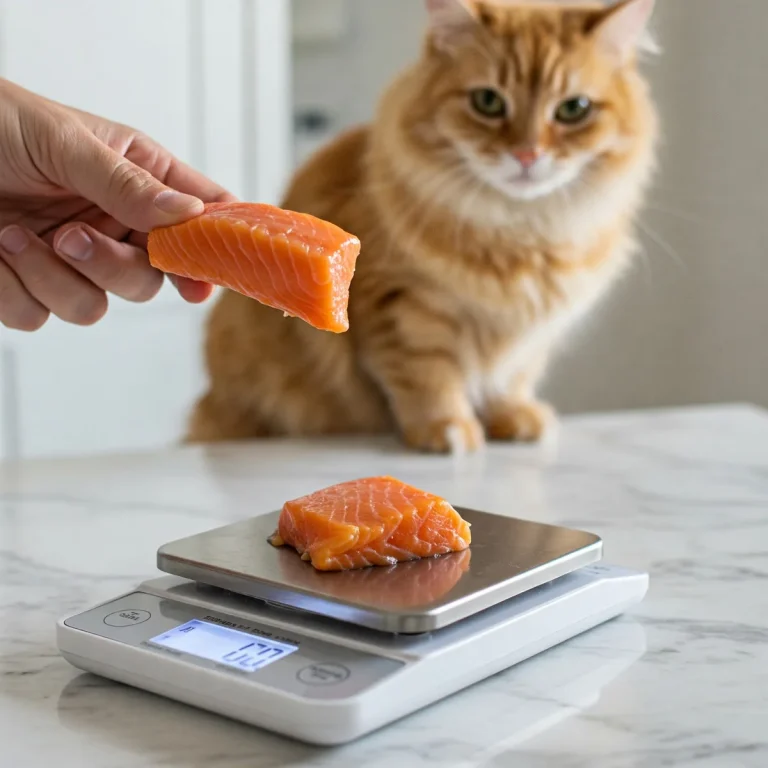
Precision is key in preparation. All ingredients must be weighed accurately to meet the prescribed nutritional ratios. If using bone as a calcium source, it must be ground to a fine, edible consistency to prevent choking hazards or intestinal damage.
Whole cooked bones are never suitable for cats.
If the diet is to be stored, understand the principles of how to store cat wet food to maintain its integrity and safety. This typically involves dividing into single-serving portions and freezing or refrigerating promptly. The goal is to minimize bacterial growth if using raw ingredients, or to maintain nutrient quality if cooking.
Proper Storage and Handling
Food safety protocols are non-negotiable. When handling raw meats, treat them with the same caution as you would for human consumption. Wash hands thoroughly before and after handling ingredients, use separate cutting boards and utensils for cat food, and sanitize surfaces promptly.
Refrigerate freshly prepared batches immediately, and plan to use them within a few days or freeze them for longer storage. For cats with sensitive digestive systems, understanding the best food for cats with digestive problems often involves strict adherence to feeding schedules and ingredient lists, which extends to the preparation and storage of homemade meals.
Verified Nutritional Analysis: The Gold Standard
Why Lab Testing is Non-Negotiable
Even with guidance from a veterinary nutritionist and meticulously following a formulated recipe, the true composition of homemade cat food can vary. Ingredients themselves can differ in nutrient content depending on the animal’s diet, breed, age, and even the time of year. To ensure your homemade diet is truly complete and balanced, laboratory analysis of a prepared batch is a critical step.
This testing provides a definitive breakdown of the nutrient profile, including protein, fat, carbohydrates, vitamins, and minerals. It confirms whether the food meets the specified targets and adheres to critical ratios, such as calcium-to-phosphorus. Without this verification, you are essentially guessing whether your cat is receiving the nutrients they need.
Image source: Wikimedia Commons / National Park Service
Confirming Nutrient Adequacy
A nutritional analysis will report the levels of key nutrients, often on a dry matter basis. This allows for accurate comparison against established feline nutrient requirements. For instance, it can confirm if the taurine content is within the recommended range, if the Vitamin A levels are safe and adequate, and if the fatty acid profile supports optimal health.
This testing is particularly important for cats with specific health conditions. For cats requiring a specialized diet, such as those with anemia or hyperthyroidism, ensuring precise nutrient levels is crucial for management. Relying on guesswork simply isn’t an option when a pet’s health is on the line.
Considering Commercial or Veterinary Diets
When Alternatives Are the Safest Choice
Given the complexity and risks involved in formulating and preparing complete homemade cat food nutritionally, many owners find that commercially prepared diets or veterinary therapeutic diets are the safest and most practical option. These products are formulated by veterinary nutritionists and undergo rigorous testing to ensure they meet established nutritional standards.
Commercial cat foods, whether wet or dry, are designed to provide a baseline of complete and balanced nutrition for healthy cats. They offer convenience and peace of mind, particularly for owners who may not have the resources or expertise to formulate and prepare a diet accurately. For younger cats, understanding the needs outlined in resources like the best cat food for a 6-month-old kitten also highlights how carefully balanced formulas are developed.
The Role of Veterinary Therapeutic Diets
For cats with specific medical conditions, veterinary therapeutic diets are often indispensable. These prescription diets are formulated to manage chronic illnesses like kidney disease, diabetes, or urinary tract issues. They contain precisely controlled levels of nutrients, often with therapeutic ingredients, to help manage symptoms and improve the cat’s quality of life.
Attempting to replicate these highly specialized diets at home without expert formulation and testing could be detrimental. For cats with digestive problems, the best food for cats with digestive problems is almost always a veterinary-approved commercial option designed for optimal digestibility and nutrient absorption.
Ensuring Ingredient Safety and Quality
What to Look For in Raw Meats
When sourcing raw meat for a homemade cat diet, prioritize “human-grade” or “food-grade” products. This indicates that the processing standards and hygiene measures are higher than for industrial meat. Look for lean muscle meats such as chicken, turkey, beef, or lamb.
Organ meats, especially liver and heart, are nutrient powerhouses and should be included. Liver should typically constitute about 5-10% of the diet by weight, while heart can be 10-15%. Ensure organs and muscle meats are fresh and handled hygienically from purchase to preparation.
Avoid any meats that are close to their expiration date, have an off smell, or appear discolored. If purchasing from a butcher, discuss your needs; they may be able to provide specific cuts or trim fat according to your vet’s specifications. For example, if managing a cat’s weight, controlling fat content is crucial; the best cat food for overweight indoor cats often emphasizes lean protein sources.
Considerations for Cooked Ingredients
If opting for cooked ingredients, the preparation method significantly impacts nutrient retention. Gentle cooking methods like steaming, poaching, or slow simmering are preferable to high-heat frying or baking. These methods help preserve heat-sensitive vitamins and amino acids.
Ensure meats are cooked through to kill potential pathogens, but avoid overcooking, which can degrade nutrients. For example, overcooked chicken can lose a significant portion of its B vitamins. When cooking, make sure no bones are present that could splinter or cause choking hazards.
If bone meal is used as a calcium source in a cooked diet, it must be specifically prepared for pet consumption and added in precise amounts as directed by your vet.
Frequently Asked Questions
Can I just feed my cat chicken and rice as some people suggest?
No, a diet of just chicken and rice is severely unbalanced for cats. Cats are obligate carnivores and require a high-protein, meat-based diet with specific fat, vitamin, and mineral profiles that chicken and rice alone cannot provide. This diet would lead to critical deficiencies, particularly of taurine and certain essential fatty acids, causing severe health problems.
How much protein does a homemade cat food recipe need?
A homemade cat food recipe should typically aim for a protein content of 40-50% on a dry matter basis, derived from animal sources. However, the exact percentage will depend on the overall formulation and your cat’s specific needs, as determined by a veterinary nutritionist.
What are the signs my cat is not getting enough nutrients?
Signs of malnutrition can include lethargy, poor coat quality (dull, brittle fur), weight loss, muscle wasting, recurrent infections, vomiting, diarrhea, and, in severe cases, blindness or heart problems related to specific nutrient deficiencies like taurine. Any sudden change in your cat’s health should prompt a veterinary visit.
Is it okay to add vegetables to homemade cat food?
While some cats may tolerate small amounts of certain cooked vegetables, cats do not require them. Their digestive systems are optimized for animal protein and fat. Over-reliance on or inclusion of too many vegetables can dilute essential nutrients and potentially cause digestive upset.
If adding, consult your vet on appropriate types and quantities.