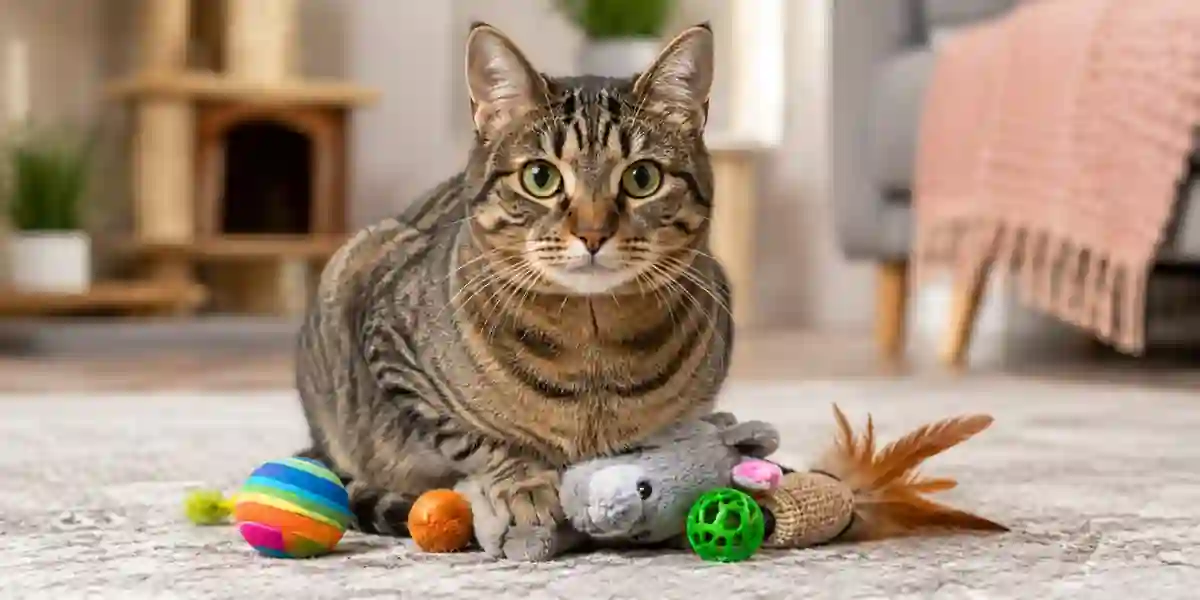
Why Does My Cat Sit on His Toys 2026
It’s a common sight for cat owners: your feline friend, instead of playing with a toy, has decided it makes a perfectly good seat. You might be wondering, why does my cat sit on his toys? This behavior often stems from a blend of instinct, comfort, and a touch of simple feline logic.
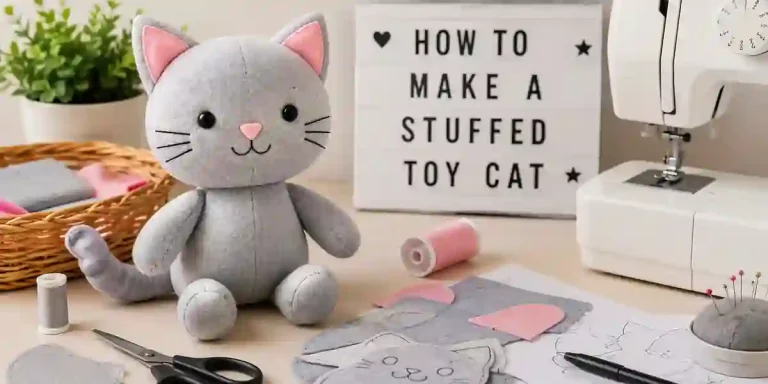
In our research, we found that cats use their surroundings and their possessions in ways that make sense to them, even if it seems odd to us. For instance, even the most basic plush cat toys are often designed with textures and sizes that cats naturally find appealing for resting. As of 2026, observing these behaviors provides valuable insights into your cat’s individual personality and needs.
Quick Answer
Cats sit on their toys for several instinctual reasons, including comfort, territorial marking, and a desire to claim their possessions. A plush toy might simply be the softest spot available, or your cat could be asserting ownership over something they’ve “caught.” It’s often a sign of contentment and security.
Understanding Your Cat’s Behavior: The Basics
Cats, as a species, have a rich history of survival and instinct that shapes their everyday actions. What might appear as a quirky habit is often a well-rooted behavior designed to maximize comfort, security, or to communicate certain needs. Understanding these underlying feline instincts is key to deciphering why your cat chooses a toy as a resting place.
It’s not random; it’s communication.
Is It Normal for Cats to Sit on Toys?
Yes, it is very normal for cats to sit on their toys. This behavior is quite common and is generally not a cause for concern among pet behaviorists. It’s a natural part of how cats interact with their environment and their favorite belongings, often seen as a sign of comfort and ownership.
What Does It Mean When a Cat Sits on a Toy?
When a cat sits on a toy, it can mean a few different things, depending on the context. Primarily, it signifies a sense of ownership and security. The cat likely views the toy as its own possession and is choosing to rest on it to keep it close and safe, much like claiming a favorite spot in the house.
Key Reasons Your Cat Uses Toys as a Perch
Cats don’t just sit on things haphazardly. There are usually specific drivers behind their actions, and sitting on a toy is no different. Let’s look at the most common motivators.
Cats Love Comfort: Plush Toys as Lounging Spots
Many cat toys, especially those designed for batting and pouncing, are made from soft materials like plush fabric, felt, or polyester fill. These textures can be incredibly inviting to a cat looking for a comfortable place to rest. If a toy happens to be in a prime spot like a sunbeam or a quiet corner, it can easily become the feline equivalent of a favorite pillow.
Imagine finding the perfect cushion that just feels right, that’s often what a favored toy represents to a cat. Aggregates of user reviews often highlight how cats gravitate towards the softest items in their play collection for naps.
Territorial Claims: Guarding Their Favorite Spots
Cats are naturally territorial animals. They mark their territory through scent glands on their paws, face, and tail, and by their presence. If a toy is situated in an area your cat considers important, perhaps near their food bowls, a favorite window perch, or a high-traffic hallway, they might sit on it as a way to assert their claim.
It’s their way of overseeing their domain and letting other household members (human or animal) know that this space is occupied. This behavior is particularly noted in multi-cat households, where resource guarding can become more pronounced.
Possessive Instincts: Claiming Their “Prey”
The instinct to hunt and “capture” prey is deeply ingrained in cats, even when they’re playing with toys. When a cat settles down on a toy, especially one they frequently “kill” or obsess over, it’s often a sign of possession. They’ve successfully captured their “prey” (the toy) and are now guarding it.
This is similar to how a wild cat would rest near its kill, ensuring no other predators or scavengers try to take it. This possessiveness is a strong indicator of how much they value that particular toy.
Seeking Your Attention: The Subtle Nudge
Sometimes, a cat’s unusual behavior is simply a bid for your attention. If your cat notices that you tend to look at, talk to, or interact with them when they are sitting on a specific toy, they may repeat the behavior to elicit a response. It’s a more passive way of getting noticed than, for example, meowing incessantly or pawing at your face.
They’ve learned that this action gets them positive engagement from you, so they use it strategically. This learned behavior is a testament to their intelligence in understanding human cues.
Familiarity Breeds Security: Toys as Comfort Objects
For some cats, especially kittens or those prone to anxiety, toys can serve as important comfort objects. The familiar scent and texture of a beloved toy can provide a sense of security and reassurance, particularly in new environments or during stressful times. Sitting on their toy is their way of drawing comfort from something familiar and safe.
This is akin to how children often cling to a favorite stuffed animal, finding solace in its presence. Behavioral studies often highlight the role of familiar objects in mitigating stress for domestic animals.
Observing Your Cat’s Toy-Sitting Habits
Diving deeper into why your cat chooses a toy as a resting spot involves a bit of keen observation. It’s not just about that they sit there, but when and how they do it. These details can tell you a lot about what’s going on in your cat’s mind.
What to Look For: Clues in the Behavior
Pay attention to the specific toys your cat favors for sitting. Is it always the same one, or does it vary? Does the behavior happen during certain times of day, like after a meal or before bedtime?
Observing these patterns can help you pinpoint whether it’s about comfort, territoriality, or seeking attention. For example, if it’s always a toy located near a doorway, territorial instincts are likely at play.
When to Pay Closer Attention
While usually benign, there are times when this behavior might signal something more. If your cat suddenly starts sitting on toys excessively, especially if it’s coupled with other changes like reduced appetite, increased hiding, or aggression, it could indicate stress or discomfort. In such cases, consulting a veterinarian or a certified animal behaviorist is a good next step.
They can help rule out any underlying health issues or anxieties that might be causing the shift in behavior.
What You Can Do (and What Not To Do)
Most of the time, your cat’s toy-sitting is just a part of their quirky charm. You don’t need to intervene, but understanding the behavior helps you support your cat’s well-being.
Letting Your Cat Enjoy His Habits
Unless the behavior is causing a problem, like blocking access to a vital resource such as food or a litter box, it’s best to let your cat be. Interfering with perfectly normal, harmless behaviors can sometimes create anxiety or confusion for the cat. Simply appreciate this unique aspect of your cat’s personality.
Remember, a content cat is often a cat that feels secure in its environment and relationships.
Providing a Stimulating Environment
A stimulating environment is crucial for a cat’s mental and physical health, reducing boredom and potential anxiety. Ensure your cat has a variety of toys to engage with, not just for sitting on. Interactive toys, puzzle feeders, and scratching posts can all contribute to a well-rounded playtime.
If your cat is bored, they might find unusual ways to occupy themselves, like perching on a favorite toy. You might also find helpful tips on managing feline environment enrichment in broader resources about cat behavior.
Rotating Toys for Freshness
Just like us, cats can get bored with the same old things. Rotating your cat’s toys can keep them more engaged. Store some toys away and bring them out later for a “new” experience.
This novelty can re-spark interest in toys that your cat might have previously ignored or lost interest in sitting on. This practice helps ensure that your cat continues to have healthy outlets for play and instinctual behaviors.
Next Steps: Enjoying Your Cat’s Quirks
Ultimately, understanding why your cat sits on his toys comes down to observing their individual needs and instincts. It’s a testament to a cat’s comfort level in their home and with their belongings.
It’s one of the many charming complexities of sharing your life with felines. By paying attention to these small behaviors, you can better understand your cat’s emotional state and ensure they feel secure and loved. What might seem peculiar at first glance is often a clear sign of a happy, healthy, and well-adjusted cat.