Guide to Can Rabbits Eat Guinea Pig Food 2026: Easy Methods
Can Rabbits Eat Guinea Pig Food?
It's a question that pops up for many rabbit owners, especially if they also have guinea pigs or are looking for ways to simplify feeding. The short answer to "can rabbits eat guinea pig food?" is a clear no, and it's not something we recommend for the health of your pet.
While these small animals might seem similar, their dietary needs are distinct. Our research, looking at typical analyses and veterinarian-approved nutritional guidelines, shows that guinea pig pellets often contain specific nutrient levels, like higher Vitamin C, that aren't suited for rabbit physiology and can lead to health issues. For instance, while rabbit pellets should typically contain around 14-18% crude fiber, guinea pig pellets can vary significantly and may not meet a rabbit's specific fiber requirements for optimal digestion.
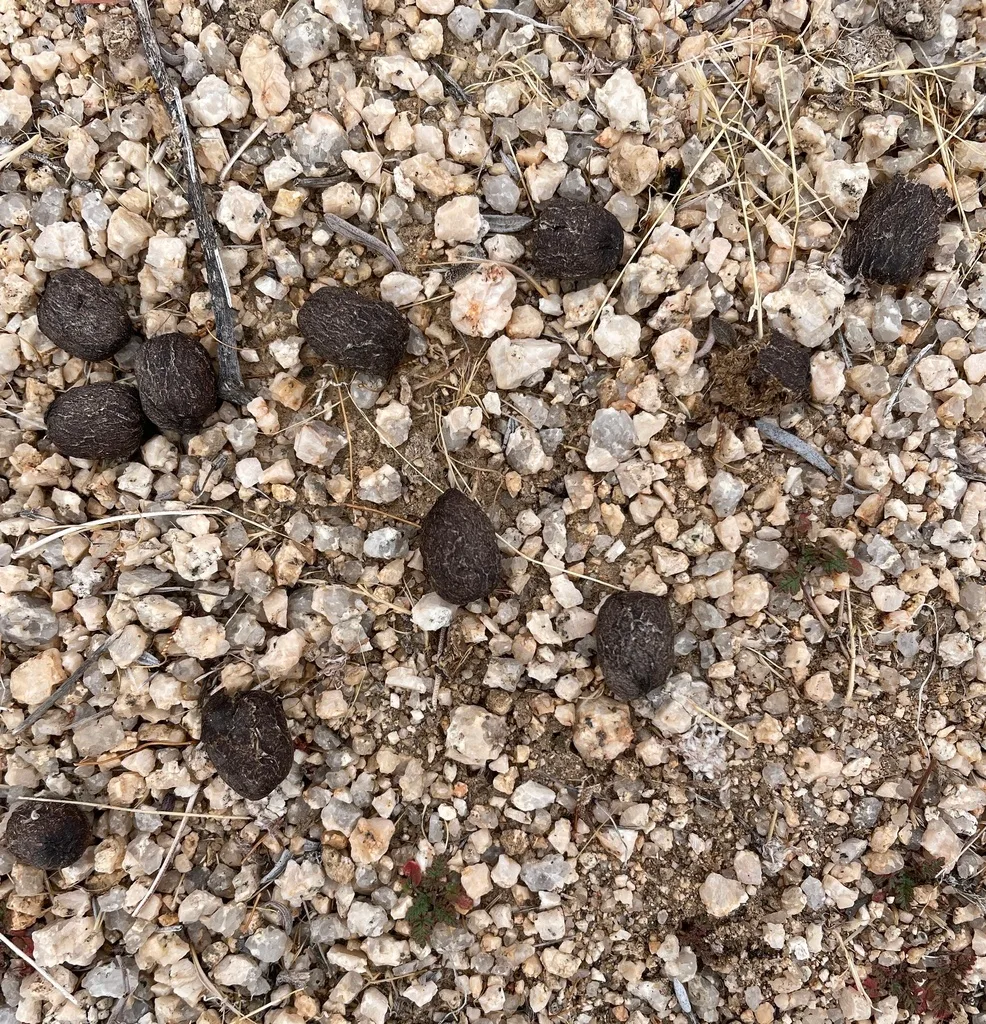
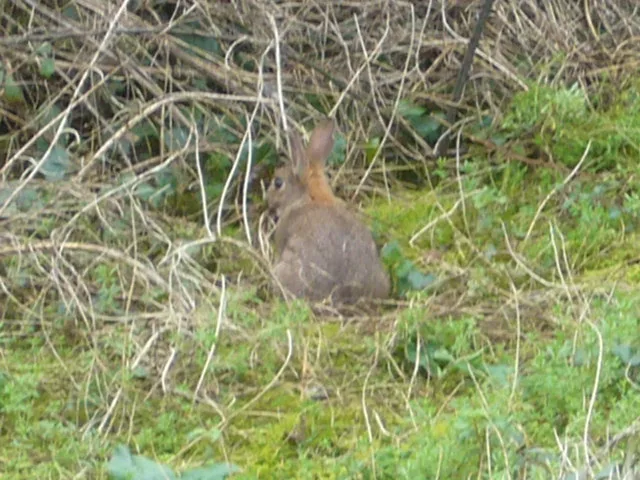
Image source: iNaturalist / Irene
Quick Answer: No, It's Not Recommended
Rabbits should not eat guinea pig food. Their digestive systems have unique requirements. Guinea pig pellets are fortified with much higher levels of Vitamin C.
Rabbits produce their own Vitamin C. Too much can harm their bladders. Their fiber and protein needs also differ.
The Core Problem: Different Needs, Different Foods
At first glance, rabbits and guinea pigs are both small, herbivorous, and generally enjoyed as pets. This similarity often leads owners to believe their dietary needs are interchangeable, but that couldn't be further from the truth. Think of it like needing different vitamins and minerals as a human; our bodies process and utilize nutrients differently, and the same applies to these lagomorphs and their rodent cousins.
Offering a rabbit food formulated for guinea pigs can introduce imbalances that, over time, lead to significant health complications for your rabbit.
Why Rabbits and Guinea Pigs Can't Share Pellets
The foundation of a healthy diet for both species relies on species-specific nutrition. Manufacturer specifications for premium rabbit pellets often emphasize a controlled fiber-to-protein ratio crucial for a rabbit's sensitive digestive tract. For example, a quality rabbit pellet typically contains about 14-18% crude fiber and 12-14% crude protein, alongside specific calcium and phosphorus levels.
Guinea pig pellets, however, are formulated to meet the unique needs of guinea pigs, which include their inability to synthesize Vitamin C internally and their distinct digestive processes.
Key Nutritional Differences to Know
Understanding the core differences in their dietary requirements is key to making informed decisions for your pets. Rabbits have a highly specialized digestive system that relies on a specific balance of fiber, protein, and other micronutrients for optimal function. Guinea pigs, while also herbivores, have slightly different requirements, most notably their absolute dependence on an external source of Vitamin C for survival.
Vitamin C: A Crucial Distinction
This is perhaps the most critical difference. Guinea pigs are one of the few mammals that cannot produce their own Vitamin C, meaning they must get it from their diet. This is why guinea pig foods are meticulously fortified with Vitamin C, often at levels far exceeding a rabbit's daily requirement.
For rabbits, receiving too much supplemental Vitamin C can actually be detrimental. Research indicates that excessive Vitamin C intake in rabbits can lead to oxalates accumulating in the urinary tract, increasing the risk of painful bladder stones and kidney issues.
Fiber and Protein: What Rabbits Need
Beyond Vitamin C, the overall balance of fiber and protein in pelleted foods differs. Rabbits require a high-fiber diet to maintain proper gut motility and prevent gastrointestinal stasis, a life-threatening condition where the digestive system slows down or stops. Their food needs to support the fermentation processes in their cecum.
Guinea pig pellets might have a different fiber source or percentage, and their protein levels might also be too high or too low for a rabbit's specific metabolic needs, potentially contributing to digestive upset or other health problems.
What Happens If Your Rabbit Eats Guinea Pig Food?
If your rabbit mistakenly samples a few guinea pig pellets, it's usually not cause for immediate alarm. However, consistent or significant consumption can lead to a range of health problems, from mild digestive discomfort to more serious conditions.
Immediate Signs of Digestive Upset
Within a day or two of ingesting a substantial amount of the wrong food, you might notice changes in your rabbit's behavior and output. These can include a reduced appetite, lethargy, and changes in stool consistency. Instead of the typical firm, round fecal pellets, you may observe softer droppings, or even a period of not producing any droppings at all.
This is your rabbit's digestive system signaling that something is not right and it's struggling to process the food.
Long-Term Health Risks to Watch For
The more insidious dangers of feeding guinea pig food to rabbits emerge over time. As highlighted in veterinary literature, the high Vitamin C content in guinea pig pellets can contribute to the formation of urinary calculi, or bladder stones. These stones can cause pain, blockages in the urinary tract, and require costly surgical removal.
Furthermore, an imbalanced fiber or protein content can disrupt the delicate gut flora, increasing the risk of chronic digestive issues and making the rabbit more susceptible to serious conditions like GI stasis, which requires immediate veterinary intervention.
Why You MUST Keep Their Foods Separate
The most straightforward way to protect your rabbit's health is to ensure they never have consistent access to guinea pig food. This means having a clear feeding strategy in multi-pet households and being vigilant about where food bowls are placed and when they are accessible.
Practical Steps for Avoiding Mix-Ups
In homes with both rabbits and guinea pigs, separation is key. This doesn't necessarily mean separate rooms, but it does mean ensuring their feeding areas are distinct and supervised.
- Designated Feeding Zones: Establish clear feeding spots for each animal. Rabbits should eat in their enclosure's designated area, and guinea pigs in theirs.
- Supervised Out-of-Enclosure Time: If your pets have supervised playtime outside their enclosures, ensure their food bowls are out of reach of the other species.
- Storage: Store rabbit and guinea pig food in separate, clearly labeled containers to prevent accidental mixing during feeding or if stored in the same pantry.
- Educate Household Members: Make sure everyone in the household understands which food belongs to which pet.
The Right Way: What Rabbits Should Eat
A rabbit's diet is simple but specific, built around unlimited access to high-quality hay. This should form the bulk of their food intake, providing essential fiber. A small amount of fresh, species-appropriate leafy greens daily adds variety and nutrients, and a measured portion of high-quality rabbit-specific pellets rounds out their nutritional needs.
For instance, many veterinarians recommend a daily portion of rabbit pellets based on body weight, typically around 1/4 cup per 4-6 pounds of body weight, sourced from reputable brands that focus on rabbit health. This dietary approach supports their natural foraging behaviors and digestive physiology. For those interested in understanding cat nutrition in more detail, resources like What Is Kibble Cat Food can offer insights into formulated diets, though the principles for cats differ significantly from rabbits.
When to Call the Vet
Don't hesitate to contact your veterinarian if you suspect your rabbit has ingested guinea pig food and is showing any signs of illness. This includes changes in appetite, lethargy, or any alterations in their droppings. While a small, accidental nibble might not warrant an immediate call, any consistent exposure or concerning symptoms absolutely require professional advice.
Prompt veterinary care can make a significant difference in managing potential health issues and ensuring your rabbit recovers quickly and safely.
Final Decision: Stick to Species-Specific Diets
Ultimately, the health and well-being of your rabbit depend on providing them with a diet tailored to their specific biological needs. While it might seem convenient to offer the same food to different small pets, the nutritional science and veterinary recommendations are clear: rabbits need rabbit food, and guinea pigs need guinea pig food. By respecting these distinctions and keeping their diets separate, you ensure they receive the precise balance of nutrients required to thrive, avoiding potential health problems and providing them with the best possible care.
Frequently Asked Questions
Can my rabbit eat hay meant for guinea pigs?
Generally, yes, hay is usually safe for both. Timothy hay is a staple for both species, and while some guinea pigs might prefer softer hays, timothy is rich in fiber and suitable for rabbits. Always ensure the hay is fresh, dry, and free from mold.
What happens if a rabbit eats a lot of guinea pig pellets?
If a rabbit eats a significant amount of guinea pig pellets, it can lead to digestive upset, including gas and diarrhea. Over the long term, the higher vitamin C content can contribute to bladder stones, and an imbalanced fiber content can cause more severe gastrointestinal issues.
Are rabbit pellets safe for guinea pigs?
No, rabbit pellets are not safe for guinea pigs. Unlike rabbits, guinea pigs cannot produce their own Vitamin C and require significant amounts in their diet, which rabbit pellets lack. Feeding rabbit pellets to guinea pigs can lead to scurvy and other severe health problems due to this deficiency.