What Food Do Wild Rabbits Eat in 2026 (What Actually Works)
Ever wonder what those twitchy-nosed bundles of fur are really munching on when they visit your garden? Understanding what food wild rabbits eat is key to appreciating their role in the ecosystem and, if you're a gardener, knowing what might be tempting them. It's more than just clover; their diet is surprisingly diverse and very dependent on what's available.
When identifying a wild rabbit's snacks, visual cues are everything. Our research indicates their primary food sources are herbaceous plants like grasses, sedges, and broadleaf weeds. These provide essential fiber and nutrients that are crucial for their digestive health, a fact echoed in general lagomorph dietary studies which highlight the importance of roughage.
Quick Answer
Wild rabbits eat grasses, weeds, leafy plants, flowers, and clovers. In winter, they turn to twigs, bark, and buds. Their diet is herbivorous and varies greatly with the seasons and local plant availability.
Why Pictures Matter for Rabbit Food Wisdom
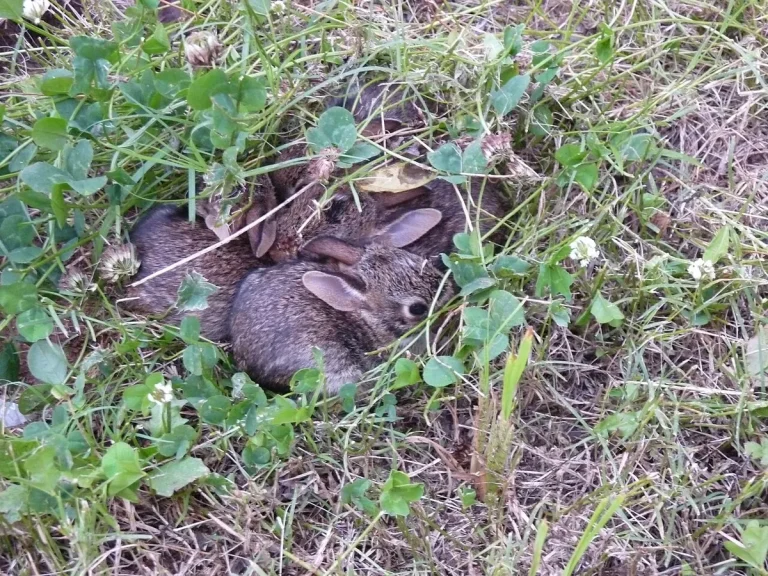
Let's be honest, trying to identify plants just from a description can be tough. That's why visuals are so important when we talk about what wild rabbits eat. Seeing a real rabbit munching on a specific plant, or a clear photo of that plant, makes all the difference.
It helps you connect what you're reading with what you might see in your own backyard or local park.
Think about it: a picture can show you the exact leaf shape, the color, and even the growth habit of a plant. This is vital for correctly identifying both nutritious snacks for rabbits and any plants that could be harmful. For instance, our research shows that while dandelions are a favorite, certain other bright flowers can actually be toxic.
Without a clear visual guide, you might mistakenly encourage a rabbit to eat something dangerous, or conversely, worry unnecessarily about a perfectly safe plant. It’s about gaining confidence in identifying their natural food sources.
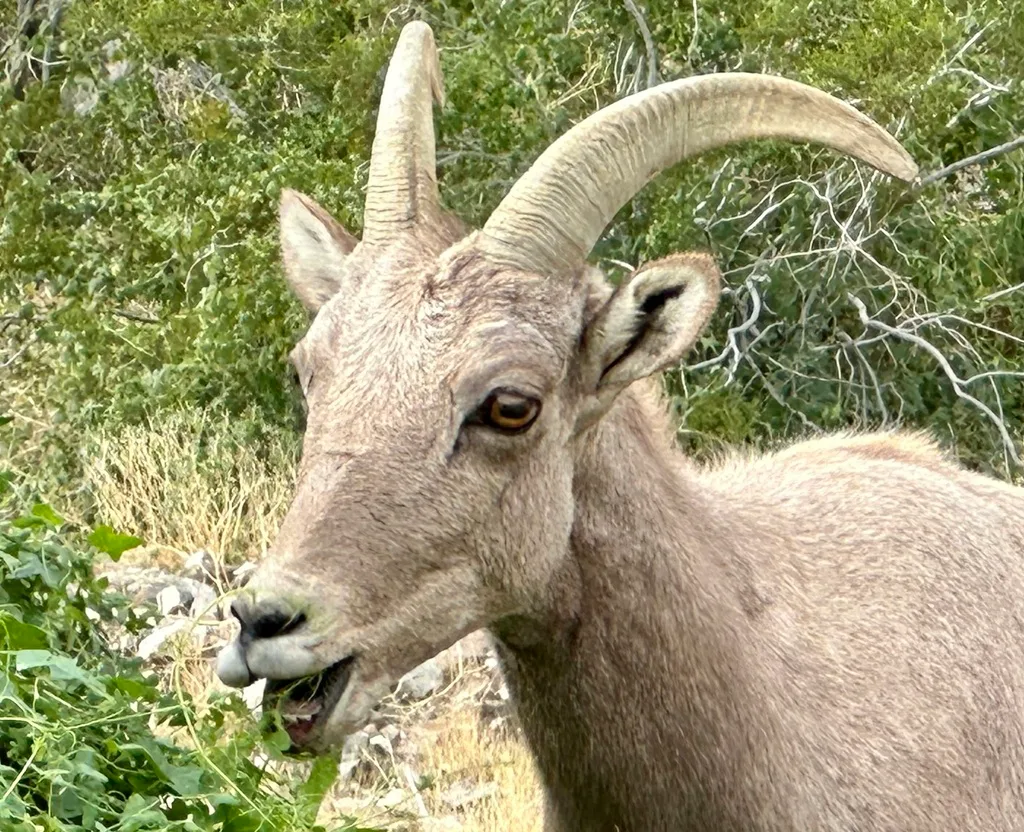
Image source: iNaturalist / Irene
Identifying Common Wild Rabbit Greens
The bulk of a wild rabbit's diet, especially during warmer months, consists of leafy green vegetation readily available in their habitat. These plants are packed with the fiber they need to keep their digestive systems running smoothly. We've seen through ecological studies that a diverse intake of these greens supports healthy populations.
Easier-to-Spot Grasses and Sedges
Grasses are probably the most common food item you'll see wild rabbits grazing on. They’re not picky about species, either. From common lawn grasses to wild varieties, rabbits find sustenance in the blades.
Sedges are similarly important, often found in damper areas. Their sturdy stems and leaves offer a good fibrous crunch that rabbits enjoy and need.
Dandelion Delights
Dandelions are universally recognized as a rabbit favorite, and for good reason. Every part of the dandelion plant, leaves, stems, flowers, and even roots, is edible and nutritious for rabbits. Their bright yellow flowers provide a bit of sweetness, and the leaves are rich in vitamins and minerals.
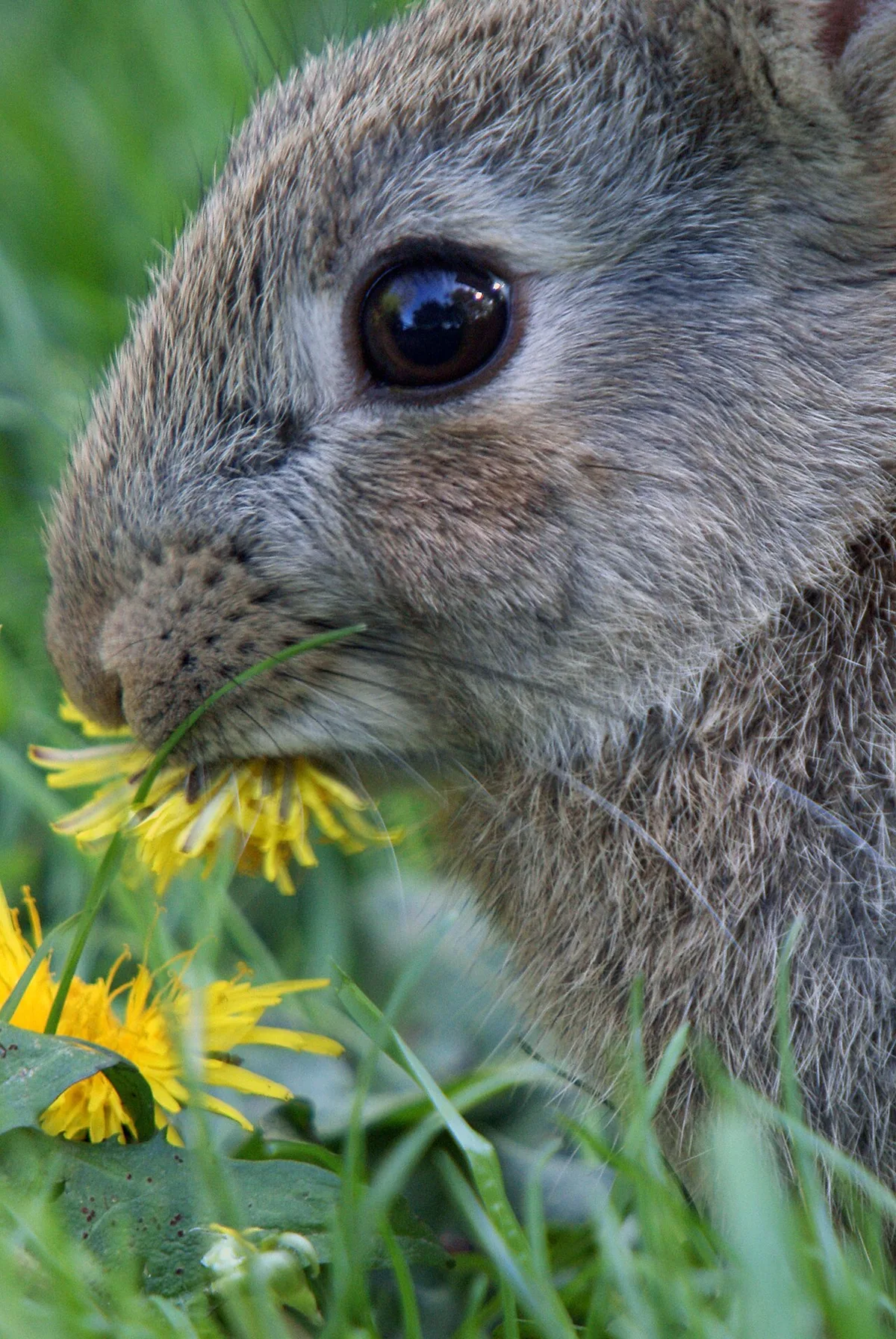
Image source: Wikimedia Commons / Gidzy (CC BY)
Clovers: A Rabbit Staple
Like dandelions, clover is another highly nutritious and palatable food source for wild rabbits. You'll often see them grazing in fields or lawns where clover is abundant. Red clover and white clover are particularly common and provide a good amount of protein.
Plantain: More Than Just a Weed
Broadleaf plantain, often dismissed as a common weed, is actually a valuable food source for wild rabbits. Its rosette of leaves grows close to the ground, making it easy for rabbits to access. The leaves are fibrous and contain beneficial nutrients that contribute to a balanced diet.
What Else is on the Menu?
While greens dominate their diet for much of the year, wild rabbits are opportunistic feeders. Their menu expands and changes as seasons shift, forcing them to adapt and seek out different food sources to survive. This adaptability is a hallmark of wild populations dealing with environmental changes.
Buds, Shoots, and Twigs in Winter
When the lush green growth of spring and summer disappears, rabbits have to get resourceful. During colder months, their diet shifts towards woody materials. They'll nibble on the buds and tender shoots of trees and shrubs, and even chew on the bark.
This provides essential roughage and some stored nutrients. The bark of trees like apple, maple, and willow is often a target.
Image source: Wikimedia Commons / epSos.de (CC BY)
Roots and Tubers: Digging Deeper
In some cases, particularly when other food sources are scarce, wild rabbits might resort to digging for roots and tubers. This is a more energy-intensive way to find food, but these underground parts of plants are rich in carbohydrates and can be vital for survival. However, this behavior is less common than grazing on above-ground vegetation.
Plants to Steer Clear Of: The Toxic Truth
Just as important as knowing what wild rabbits should eat is knowing what they shouldn't. Certain plants, while seeming innocuous or even attractive, can be toxic to rabbits and cause serious illness or even death. Our research into lagomorph biology emphasizes the need for careful identification to avoid these dangers.
Common Garden Dangers
Many plants that are safe for humans or other animals can be poisonous to rabbits. For example, the leaves and stems of tomato plants, potatoes, and rhubarb are toxic. If you're growing vegetables, be aware that rabbits might sample young shoots, but these specific plants pose a risk.
Hemlock and foxglove are also highly toxic and commonly found in wilder areas, which rabbits may frequent.
Wild Hazards to Watch For
Beyond the garden, certain wild plants present a significant threat. Oleander is extremely poisonous, and even a small amount can be fatal. Pokeweed, with its dark berries and reddish stalks, is also dangerous.
Nightshades, in general, can be problematic. Always err on the side of caution if you're unsure about a plant's identity. If you suspect a rabbit has ingested a toxic plant, contacting a wildlife rehabilitator is the best course of action.
Wild Rabbit Dining Habits by Season
A wild rabbit's menu isn't static; it’s a dynamic reflection of the changing year. What they eat in the spring is very different from their winter diet. Understanding these seasonal shifts helps us predict their behavior and understand their ecological role.
Spring Abundance
As the snow melts and the earth warms, a flush of new growth appears. Wild rabbits take full advantage, feasting on young, tender grasses, clover, and the first available weeds like dandelion and plantain. This is a critical period for them to regain energy and condition after the lean winter months.
The high moisture content in spring greens also helps them rehydrate.
Summer Bounty
Summer offers the widest variety of food for wild rabbits. They continue to graze on grasses, but also readily consume the flowers of various plants, including buttercups, daisies, and clover blossoms. Various leafy weeds and the unfurling leaves of shrubs and young trees are also primary food sources.
Their diet is rich and diverse, supporting rapid growth and reproduction.
Autumn Foraging
As temperatures begin to drop, the lushness of summer fades. Rabbits shift their focus. While they still consume available greens, they start incorporating more fibrous materials.
They’ll eat ripening seeds and fallen fruits, and begin nibbling on the seeds and leaves of plants that hold up better against the chill. This is preparation for the leaner times ahead.
Winter Survival Diets
Winter presents the biggest challenge for wild rabbits. With most green vegetation gone or buried under snow, their diet becomes much more limited and woody. They will chew on the bark of young trees and shrubs, consuming the cambium layer beneath, which contains stored sugars and nutrients.
Tender twigs, buds, and any dried grasses or leaves they can uncover become staples. This diet is much lower in moisture and nutrients, making survival difficult.
Protecting Your Garden from Hungry Herbivores
If wild rabbits are becoming a nuisance in your garden, there are a few humane approaches to protect your plants. The most effective method is physical barriers. Fencing that is at least 2 feet high and buried about 6 inches into the ground can deter them.
Ensure the mesh size is small enough that baby rabbits can't squeeze through, ideally 1-inch hexagonal wire mesh. For specific plants, consider individual cages or netting, especially for seedlings that are most vulnerable. Commercial repellents, often containing ingredients like bittering agents or predators' scents, can also be effective but may need reapplication after rain.
Remember, rabbits are often attracted to gardens because they offer a concentrated, easy food source. By making your garden less accessible or less appealing, you can encourage them to forage elsewhere. If you're dealing with more serious infestations or specific local regulations regarding wildlife, it might be wise to consult with your local wildlife management agency for tailored advice.