Why Does My Cat Scratch at the Door in 2026 (Easy Methods)
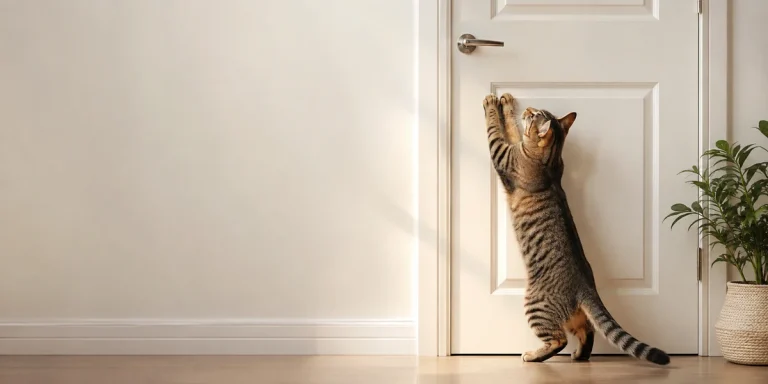
When you hear that persistent scritch-scratch-scritch against the door, it’s easy to feel a mix of exasperation and confusion. Why does your cat scratch at the door? It’s their way of communicating something important, and understanding that message is the first step to resolving the behavior.
In our research, we’ve found that feline scratching at doors isn’t usually random. It typically stems from unmet needs or specific environmental cues. For instance, according to Feline Behavior Association guidelines, most instances relate to attention, territorial marking, or access requests.
Quick Answer
Cats scratch at doors primarily to signal a need or desire. This can include wanting to get in or out, seeking your attention, expressing boredom, marking territory, or reacting to anxiety. Understanding the specific context of the scratching helps pinpoint the exact reason.
Addressing these underlying causes with appropriate redirection and environmental enrichment is key to a happier cat and a quieter home.
Understanding Your Cat’s Door Scratching
The Common “Why”s: What’s Driving the Scratching?
Cats are incredibly observant and communicative creatures. When they engage in behaviors like scratching at your doors, they’re trying to tell you something specific about their internal state or external environment. It’s not just a random act; it’s intentional communication.
Several common scenarios prompt this behavior. The most frequent is a simple desire for access: either they want to get into a room you’ve closed off, or they want out for reasons only they understand. This can be especially pronounced if they hear you on the other side.
Another significant driver is territorial marking. Cats have scent glands in their paws, and scratching leaves both a visual cue and a subtle scent message that says, “I’ve been here” or “this is my space.” This instinct is particularly strong in multi-cat households or when there are changes in the home environment.
Is Your Cat Trying to Tell You Something Specific?
When you notice your cat scratching the door, take a moment to think about the context. When does this happen? Is it at a particular time of day?
Is it only when you’re in a specific room?
If the scratching occurs primarily when you’re in the room, it’s a strong indicator that your cat wants your attention. They’ve learned that this behavior garners a reaction from you, even if it’s negative. Provided your cat is otherwise healthy, this is often about social interaction or a demand for immediate engagement.
On the other hand, if they scratch to get out of a room, consider what might be drawing their attention elsewhere. Is it a view of birds outside? Another pet?
Or perhaps simply a different environment they find more stimulating? Observing these nuances is crucial for diagnosing the problem accurately.
Solutions When Your Cat Wants In or Out
When your cat is scratching at a door, the most intuitive thought is that they want to be on the other side. This is often true, but how you respond can either solve the problem or inadvertently reinforce it. Consistency is really the name of the game here.
If the scratching happens when they simply want to join you, and it’s not an inconvenient time, opening the door can satisfy them. However, you don’t want your cat to learn that scratching always results in the door opening. A good strategy is to open it sometimes, but also to redirect them at other times.
Perhaps engage them in play or offer a favored treat just before they start scratching, so they associate something else positive with your presence or the location.
It might also be helpful to consider if they are being excluded unnecessarily. If a door is closed for no pressing reason, leaving it ajar or installing a cat-flap can solve the access issue altogether. For specific dietary needs that might affect their energy or comfort, understanding how many calories in canned cat food can be helpful.
Tackling Scratching Driven by Boredom or Energy
Let’s talk about boredom and pent-up energy, because these are huge culprits when it comes to feline misbehavior, including door scratching. Cats, especially young and active ones, need mental and physical stimulation to stay happy and well-adjusted. Without it, they find ways to entertain themselves, and that can often involve your furniture or, yes, your doors.
If your cat is scratching at doors, particularly when they’re alone or during quiet times, boredom is a prime suspect. They might be seeking any form of stimulation or trying to get your attention to alleviate their tedium. This is where proactive enrichment can make a massive difference.
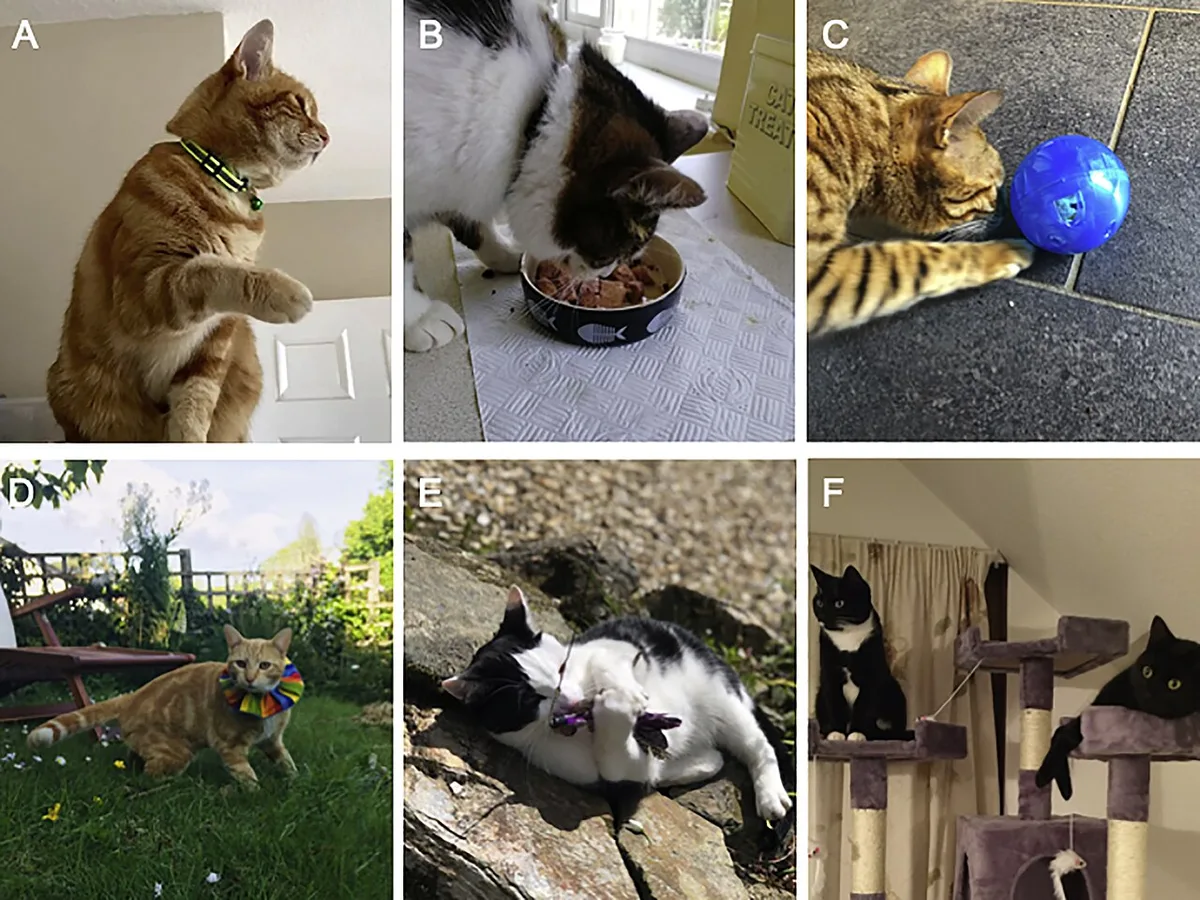
Image source: Wikimedia Commons / Martina Cecchetti, Sarah L. Crowley, Cecily E.D. Goodwin, Robbie A. McDonald (CC BY)
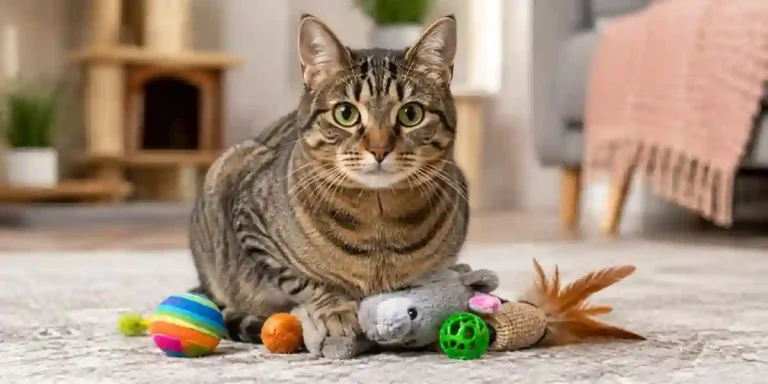
Consider setting up a consistent routine of interactive playtime. Aim for at least two 10-15 minute play sessions daily, using toys that mimic prey, like feather wands or laser pointers. Always end laser play by letting them “catch” a physical toy to satisfy their hunting drive.
Providing puzzle feeders for their meals can also keep them engaged longer and provide a mental challenge, turning mealtime into an activity.
Addressing Anxiety-Related Door Scratching
Sometimes, a cat scratching at the door isn’t about wanting in or out, or even boredom. It can be a sign that your feline friend is feeling stressed or anxious. Changes in the home, like a new pet, a move, loud noises, or even shifts in your routine, can trigger this unease.
When cats feel anxious, they often resort to displacement behaviors, actions they do to self-soothe or release nervous energy. Scratching is a common one. It can feel more intense or frantic when it stems from anxiety.
If you suspect anxiety is the root cause, the first step is to identify what might be triggering it. Is there a new person in the house? Construction noise outside?
Has their feeding schedule changed (you can find information on various cat food types at https://petsuppliesza.com/category/cat/cat-food/)? Once identified, try to mitigate the stressor. Ensure your cat has safe, quiet places where they can retreat and feel secure.
Pheromone diffusers, like those designed to mimic feline facial pheromones, can sometimes help create a calmer atmosphere. These products release synthetic versions of natural compounds that can signal safety and comfort to cats. If the anxiety seems severe or is impacting their overall well-being, consulting your veterinarian or a certified feline behaviorist is a wise step.
They can help diagnose the anxiety and prescribe appropriate management strategies.
Redirecting Natural Territorial Marking
Scratching is a fundamental, natural behavior for cats. It’s how they maintain their claws, stretch their bodies, and, crucially, mark their territory. This isn’t a destructive impulse; it’s an instinctual need.
When they scratch, they mark with their paw pads, which contain scent glands, leaving both a visual sign and an olfactory message that says, “This is my territory.”
Image source: Wikimedia Commons / Michael Cat (CC BY-SA)
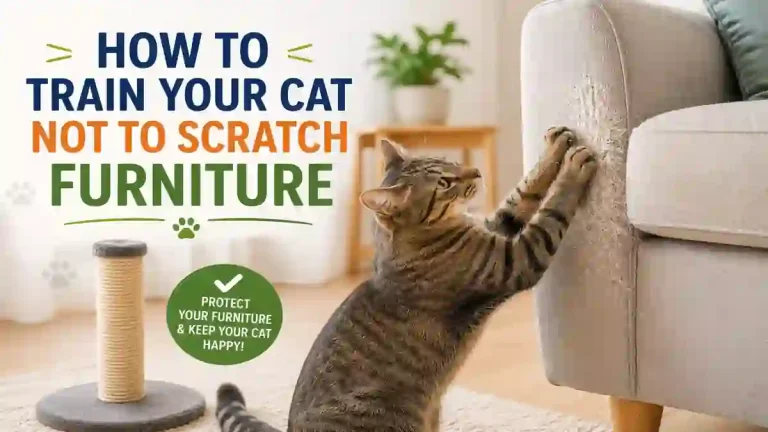
If your cat is scratching doors specifically for territorial marking, the goal isn’t to stop the scratching altogether, but to redirect it to appropriate surfaces. This means providing plenty of engaging scratching alternatives. Cats have preferences, so offer a variety of materials and orientations.
Consider cardboard scratchers, sisal rope posts (both vertical and horizontal), and even carpeted or wooden scratching surfaces. Placement is also key: put scratchers in prominent areas where your cat likes to spend time, and especially near the doors or furniture they might otherwise target. If they’ve been scratching doors, place a desirable scratcher right beside the door they target.
This makes the appropriate option more appealing and accessible than the door itself. For long-term health, understanding what the healthiest dry cat food is can support their overall well-being.
When Scratching Signals a Need for Attention
Sometimes, cats learn that a particular behavior gets a reaction from their humans, and they’ll repeat it to achieve that goal. Door scratching can easily fall into this category. If your cat scratches the door and you immediately open it, scold them, or even just look at them, they’ve received attention.
This is especially common with kittens or younger cats who might need more interaction. They figure out that a few scratches will get your eyes on them. Even negative attention is still attention for a cat that might be feeling a bit neglected or simply desires your company.
If you suspect your cat is scratching primarily for attention, you need to rethink the feedback loop. The goal is to provide plenty of positive attention at other times, so they don’t feel the need to solicit it through disruptive means. This is where consistent, positive reinforcement of other behaviors comes into play.
How to Respond to Attention-Seeking Scratching
When your cat begins scratching the door because they want your attention, the best initial strategy is often to ignore the scratching itself. This is tough, I know, but crucial. Instead, wait for a brief pause in the scratching, and then open the door, or call them over for a few minutes of petting.
The timing is critical: you want to reward the cessation of scratching, not the scratching itself. If you can’t ignore it consistently, try to preemptively manage their need for attention. Dedicate specific times each day for active play and cuddles, so they feel secure in their bond with you.
This can reduce their motivation for unwanted attention-seeking behaviors. It adds context to understanding their dietary needs; you can explore the best cat food for a 6-month-old kitten.
What NOT to Do: Common Mistakes to Avoid
When trying to curb door scratching, it’s easy to fall into common traps that can actually make the problem worse. Understanding these pitfalls is just as important as knowing the right solutions. Many well-intentioned owners try methods that are ineffective or even detrimental to their cat’s well-being.
One of the biggest mistakes people make is punishing the cat. Yelling, spraying with water, or physically reprimanding your cat is rarely effective. Cats don’t associate punishment with the act of scratching in the same way humans do.
Instead, they tend to become fearful, stressed, and anxious, which can lead to a host of new behavioral issues, or even more scratching as a response to their increased stress.
Another error is inconsistency. If you sometimes allow the scratching behavior by opening the door, and other times become frustrated, your cat will be confused. This mixed messaging can prolong the behavior as they try to figure out what works.
Remember, consistency is key in modifying any pet behavior. For comprehensive information on feline health and care, checking the Disclaimer page is always a good idea.
When the Wrong Approach Backfires
Using punishment creates a negative association with you, not necessarily with the door scratching itself. Your cat might simply learn to scratch when you’re not around, or develop a fearful disposition. This can damage your bond, making it harder to implement positive training methods in the future.
Instead of punishment, focus on redirection and positive reinforcement. If your cat scratches, calmly redirect them to an appropriate scratching post. When they use the post, offer praise or a small treat.
This teaches them what you do want them to do, rather than just what you don’t want. Remember, building trust is paramount for successful behavior modification.
When to Seek Professional Help
While many door-scratching issues can be resolved with consistent observation and redirection, there are times when professional intervention is necessary. If you’ve tried various solutions for a prolonged period with no success, or if the scratching is sudden and extreme, it’s time to consult an expert.
The first professional to consider is your veterinarian. Sudden changes in behavior can sometimes be linked to underlying medical issues that cause discomfort or distress. For example, a cat experiencing pain might scratch in unusual ways or places due to general unease.
Your vet can rule out any health problems.
If medical issues are ruled out, a certified feline behaviorist or a veterinarian specializing in animal behavior can provide tailored strategies. These professionals have a deep understanding of feline communication and can help diagnose complex issues like severe anxiety disorders or deeply ingrained territorial disputes that are beyond the scope of basic home remedies. They can also help identify environmental factors you might have overlooked.
Identifying When You Need an Expert
Consider seeking professional advice if:
- The scratching is intense, destructive, and has escalated rapidly.
- It’s accompanied by other concerning behaviors like aggression, hiding, changes in appetite, or litter box avoidance.
- You’ve implemented multiple strategies consistently for several weeks with no improvement.
- You suspect a medical condition is causing your cat distress.
These signs indicate that a professional assessment is warranted to ensure your cat’s well-being and restore peace to your household. Expert guidance can save you time, frustration, and help your cat thrive.
Helping Your Cat Use Scratching Posts Instead
So, you’ve got a brilliant set of scratching posts, but your cat still seems more interested in your door frame. Don’t despair! The key to redirecting territorial marking and general scratching from doors to posts lies in making the posts far more attractive than the door.
This involves understanding where, what type, and how to introduce them.
Your cat might be scratching the door because it’s a prominent vertical surface that’s readily available. To compete, your scratching posts need to be equally appealing. Think about placement: put them in high-traffic areas where your cat likes to hang out, and critically, right next to the door they’re currently targeting.
Imagine if your favorite spot for a quick stretch was right where you wanted to mark your territory; it’s a natural fit.
Cats have diverse preferences. Some love rough sisal rope, others prefer corrugated cardboard, and some might even enjoy natural wood. Offering variety is essential.
Make sure the posts are tall enough for your cat to fully extend their body when stretching. A short, wobbly post isn’t going to cut it for a cat who loves a good, full-body stretch and scratch.
Making Scratching Posts the Prime Choice
Once you have the right posts in the right places, you need to encourage their use. A sprinkle of catnip on a new post can be a great initial attractant for many cats. You can also gently take your cat’s paws and mimic scratching motions on the post, though never force them.
Praise and reward them enthusiastically whenever you see them using the post, perhaps with a verbal “good kitty!” or a small treat.
If the scratching at the door is proving persistent and you’re looking for treats or food to supplement their diet, understanding how to make cat food from scratch can be a part of your overall pet care strategy.
Long-Term Strategies for a Quieter Home
Achieving a home environment where door scratching is no longer an issue requires a commitment to understanding your cat’s needs and applying consistent, positive strategies. It’s not usually a quick fix, but rather an ongoing process of enrichment and management. The aim is to prevent the behavior from becoming a habit in the first place or to gently redirect it once it has started.
Firstly, maintain a predictable routine for feeding, playtime, and interaction. Cats thrive on predictability, and a stable environment can reduce stress and anxiety, which are common drivers of unwanted behaviors. Ensure your cat has ample opportunities for physical exercise and mental stimulation, as discussed in tackling boredom.
Puzzle feeders and regular interactive play sessions are excellent for this as of 2026.
Secondly, continue to provide and maintain appropriate scratching outlets. Rotate toys, refresh catnip on posts, and ensure scratching surfaces are always accessible and appealing. Regularly assess your home environment for anything that might be causing your cat stress, and make adjustments as needed.
For insights into feline nutrition that can support their well-being, explore resources like best dry cat food for cats with no teeth.
Ultimately, a quieter home is one where your cat’s natural behaviors are understood and redirected. By focusing on positive reinforcement, environmental enrichment, and meeting your feline companion’s physical and emotional needs, you can effectively manage and resolve most instances of door scratching. This approach not only solves the immediate problem but also strengthens the bond between you and your cat.
Real Scenarios: When Cats Scratch Doors
Understanding the theory behind cat scratching is one thing, but seeing how it plays out in real life can solidify the concepts. Many cat owners eventually encounter situations where their feline companions exhibit this behavior, and recognizing familiar patterns can help you implement solutions more effectively.
Consider a scenario where a cat, used to roaming freely through the house, suddenly finds a bedroom door closed. If this is a new restriction, the cat might begin scratching to signal their displeasure and desire to enter. This is often accompanied by vocalizations or persistent pawing.
Similarly, if a cat is accustomed to sleeping on a particular piece of furniture that’s now inaccessible, door scratching might occur.
Another common situation involves multi-pet households. If one cat is in a confined space (like a bedroom) and another cat is outside, the one outside might scratch the door, seeking to re-establish social connection or reassert territorial claims. The specific reaction often depends on the individual cats’ personalities and their existing relationship dynamics.
What the Experts Observe
From an observer’s perspective, the context surrounding the scratching is crucial. A cat scratching a pantry door might be signaling hunger, especially if mealtimes are approaching. In contrast, a cat scratching a patio door multiple times a day likely wants to go outside, perhaps to observe wildlife or simply enjoy the fresh air.
These are distinct motivations that require different management approaches to satisfy the underlying need without reinforcing the scratching habit itself.
Frequently Asked Questions
### Why does my cat scratch the door when I’m trying to sleep?
This is usually a sign that your cat wants attention or wants to access an area where you are. They may be bored, anxious, or simply want to be near you. The key is to avoid rewarding the scratching behavior with attention, even negative attention, and instead provide enrichment and attention during waking hours.
### Is it bad for my cat’s paws if they scratch the door?
Generally, no. Scratching is a natural behavior for cats and helps them shed the outer husks of their claws and keep them sharp. However, if they are scratching excessively at a surface that provides no satisfying resistance, it might indicate frustration or boredom.
Providing appropriate scratching posts is essential for healthy claw maintenance.
### How can I stop my cat from scratching the door overnight?
To stop overnight scratching, ensure your cat has had plenty of playtime and mental stimulation before bed. Make sure they have access to food, water, and a clean litter box. You can also try placing a deterrent (like double-sided tape) on the door temporarily or ensuring their favorite scratching posts are easily accessible in areas they frequent at night.
### What if my cat scratches all the doors in the house?
If your cat is scratching doors indiscriminately throughout the house, it suggests a broader issue like anxiety, boredom, or territorial marking. You’ll need to address the overall environment by increasing enrichment, ensuring sufficient territorial marking opportunities with appropriate scratchers, and potentially consulting a veterinarian or feline behaviorist to rule out underlying stress or medical causes.