How to Get Cats to Stop Scratching Door 2026
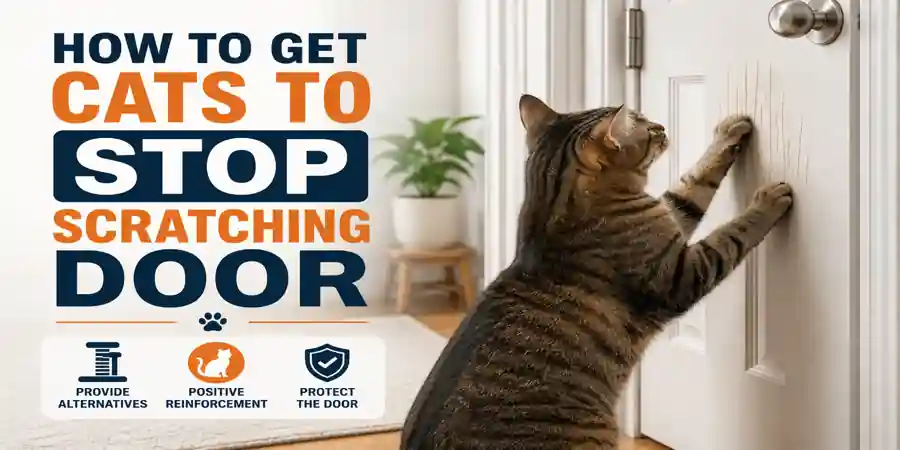
When your cat decides your door frame is their personal scratching post, it can feel like a losing battle. You’re trying to figure out how to get cats to stop scratching door surfaces, and it’s a common frustration for many pet parents. This behavior, while disruptive, is usually a form of communication that we can decode with a little observation and the right approach.
Understanding the root cause is key to finding a solution that works for both you and your feline friend. Our research indicates that cats scratch for several instinctual reasons, from releasing energy to marking territory. As of 2026, effective strategies focus on understanding these needs and providing appropriate outlets.
Quick Answer
Cats scratch doors to communicate boredom, anxiety, territorial needs, or a desire for attention or access. To stop it, provide better scratching alternatives like varied posts placed near the door, increase playtime to reduce boredom, use deterrents like sticky tape on the door, and ensure your cat isn’t trying to get into or out of a specific room.
Why Is My Cat Scratching the Door? Understanding the Behavior
Cats scratch to maintain their claws, stretch their muscles, and leave visual and scent marks. When they focus this behavior on a door, it’s not random vandalism; it’s a signal. Identifying why they’re choosing that particular spot is the first step toward a lasting solution.
We need to translate what their scratching is telling us.
Is it a desperate plea to be let into their favorite sunny spot, or is it a nervous habit born from a recent change in the household? The approach you take to deter this behavior must be tailored to the underlying motivation. Think of it as communicating back to your cat in a language they understand.
How to Figure Out Your Cat’s “Why”
To effectively stop door scratching, we first need to pinpoint the trigger. This involves a bit of detective work, observing your cat’s habits and the environment around them. Does the scratching happen at specific times?
Are you usually nearby when it occurs? What else is happening in the house?
Is Your Cat Trying to Get In or Out?
If your cat frequently scratches at a particular door, chances are they want to get to the other side. This is particularly common if the door leads to a room they enjoy (like where their food bowl or favorite sleeping spot is) or where you spend a lot of time. They might hear you or a sibling cat on the other side and feel left out.
- Observe timing: Does the scratching happen when you prepare food? Or when you’re leaving for work? This points towards access needs related to routine.
- Watch their body language: Do they pace or meow agitatedly before scratching? This signals frustration from being confined.
- Consider their destination: Where do they usually go once you open the door? If it’s a predictable spot, you’ve likely found your reason.
Is Boredom or Excess Energy the Culprit?
Indoor cats, especially those without enough stimulation, can develop destructive habits out of pure restlessness. Scratching is a natural outlet for pent-up energy. If your cat isn’t getting enough physical and mental exercise, they’ll find their own ways to burn that energy, and a door can become a convenient target.
- Age and breed: Younger, more active cats often require more play than older or more sedentary breeds.
- Environmental enrichment: Does your cat have enough toys, climbing structures, and opportunities for play during the day? If they seem generally listless or prone to rough play when you are around, boredom might be the issue.
- Scratching satisfaction: Does the door provide a satisfying texture for them to sink their claws into and stretch? If so, it’s an easy target to satisfy a primal need.
Could It Be Anxiety or Stress?
Changes in a cat’s environment can trigger anxiety, and scratching can be a coping mechanism. This could be due to a new pet, a new person in the house, moving furniture, loud noises, or even changes in your work schedule. They might scratch to self-soothe or to mark their territory when they feel insecure.
- Recent life events: Has anything changed in the household recently? Even subtle shifts can affect a sensitive cat.
- Hiding behaviors: Does your cat also seem more withdrawn, eat less, or groom excessively when they scratch? These can be signs of underlying stress.
- Vocalizations: Are there any new meows or growls associated with the scratching when they are otherwise calm? This might indicate distress they’re trying to vocalize.
Are They Just Seeking Your Attention?
Sometimes, cats learn that a particular behavior gets a big reaction from their humans. If you rush to the door, scold them, or coax them away every time they scratch, they might be doing it simply to engage with you. It’s an effective way to get you to stop what you’re doing and focus on them.
- Your reaction: Do you immediately go to the cat and interact when they scratch the door? If so, they’ve learned it’s a successful attention-getter.
- Lack of other interaction: Are you and your cat getting enough quality playtime and affection at other times? They might be trying to fill a void.
- “Accidental” reinforcement: Even negative attention is still attention. If they scratch, you look, you talk to them, they’ve achieved their goal.
Is It Territorial Marking?
Cats have scent glands in their paws, and scratching is a way to deposit their unique scent onto surfaces. This is a natural territorial behavior, especially if they can see or smell other animals outside. By scratching the door, they are essentially claiming that area as part of their domain, reinforcing their presence.
- Proximity to windows/doors: Does the scratching occur on doors that lead outside or have large windows nearby?
- Presence of other animals: Is there a neighborhood cat your cat can see or smell regularly? Even outdoor cats can trigger this response.
- Visual scent marking: Scratching leaves a visible mark as well as a scent mark, serving as a double reminder to other animals (and to themselves) that this is their territory.
Scenario 1: Access Issues – Helping Your Cat Pass Through
If your cat is scratching the door because they want to get in or out, the most direct solution is to address that need. This often means modifying their environment or routine to accommodate their desire for passage. Cats are creatures of habit and comfort, and if they’re being denied access to a preferred spot, doors become an obvious obstacle.
Making the Target Room More Appealing
If your cat scratches to get into a specific room, ensure that staying in that room is a positive experience. If the room is primarily associated with isolation or something unpleasant, they’ll be even more determined to get out. Check if their food bowl, water, or litter box is in there and making it less desirable.
Is the room cool and quiet, or is it a place they feel safe and comfortable? Offering a favorite bed or a stimulating toy within that room can make it a destination they want to be in, rather than just trying to escape from. This simple step can significantly reduce their door-scratching impetus if confinement is the issue.
Providing Alternative Pathways and Access
Sometimes, the simplest fix is to simply let your cat have access when they ask. However, if this isn’t always feasible, consider creating alternative pathways. For instance, if a door separates them from a valuable resource like a sunny window perch or their food supply, see if you can reroute those resources.
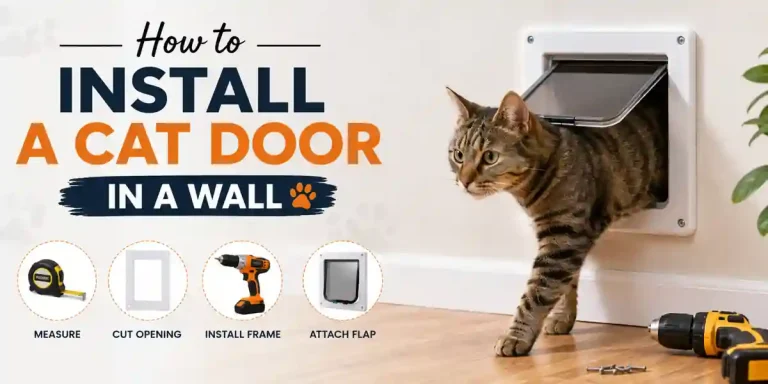
For homes with multiple levels or rooms, cat doors can be a game-changer. These allow your cat to move freely between areas without you needing to open and close doors constantly. When choosing a cat door, research models that are appropriate for your door type and your cat’s size.
Using Protective Door Guards
When other methods don’t fully resolve the issue or you need a quick barrier, clear plastic door guards can be incredibly effective. These guards attach directly to the door surface and protect it from scratches. They create an unappeeling surface for scratching while preserving the door’s appearance.
These guards are readily available at most pet supply stores. They typically adhere with strong, double-sided tape and are designed to be semi-permanent or removable. While not a behavioral solution, they effectively prevent damage while you work on the underlying cause of the scratching, protecting your home in the interim.
Scenario 2: Boredom & Energy – Redirecting Their Drive
When cats aren’t getting enough mental and physical stimulation, they’ll find their own outlets, and doors can become a prime target for their excess energy. Regular playtime and engaging activities are crucial for channeling their instincts productively. An under-stimulated cat is more likely to develop problem behaviors.
This is especially true for younger, athletic cats who have a natural drive to hunt, climb, and explore. Providing a rich environment is key to preventing frustration and redirecting their powerful instincts away from your door frames. Think of it as proactive enrichment.
The Power of Interactive Play Sessions
Consistent, interactive play is one of the most effective ways to combat boredom and excess energy. Aim for at least two 10-15 minute sessions daily. Wand toys that mimic prey, with feathers, strings, or crinkly materials, are excellent for engaging their hunting instincts.
- Mimic prey movement: Make the toy dart, hide, and pounce just like real prey.
- Celebrate the “catch”: Allow your cat to “catch” the toy occasionally to satisfy their hunting drive.
- Vary toys: Rotate toys to keep things interesting and prevent them from becoming mundane. This helps maintain their engagement long-term.
Making Mealtime a Mental Workout with Puzzle Feeders
Transforming mealtime into a foraging activity can be a fantastic way to provide mental stimulation. Puzzle feeders require your cat to work for their food, slowing down their eating and engaging their minds. This process taps into their natural instinct to hunt and problem-solve.
These feeders come in various designs, from simple treat balls to more complex mazes. They are available at most pet retailers and can be used with both dry food like kibble and sometimes with wet food. This adds an engaging challenge to a daily routine, reducing opportunities for boredom-induced scratching.
Creating a Vertical Playground
Cats are natural climbers and love to survey their territory from high vantage points. Providing vertical spaces like cat trees, wall shelves, or window perches can help them expend energy and feel more secure. These structures offer opportunities for climbing, perching, and observing their surroundings.
Ensure these structures are stable and tall enough to allow a full stretch. Placing them near windows can provide entertainment as your cat watches the outside world. This enrichment offers a constructive alternative to scratching, giving them approved surfaces to engage their climbing and scratching instincts.
Scenario 3: Anxiety & Stress – Creating a Calming Environment
If your cat is scratching due to anxiety or stress, the solution lies in addressing the root emotional cause and making them feel more secure. Sudden changes or ongoing stressors can significantly impact a cat’s well-being, leading to behavioral changes like increased scratching. Creating a consistent, predictable, and safe environment is paramount.
It’s vital to approach this with patience and understanding. Punitive measures will only exacerbate anxiety, making the problem worse. Instead, focus on building confidence and providing comfort.
Identifying and Mitigating Stressors
The first step in managing an anxious cat is to identify what’s causing their stress. Common stressors include new pets or people, loud noises, frequent changes in routine, or even a lack of resources. Once identified, you can work to either remove the stressor or help your cat cope with it.
For instance, if a new pet is the issue, ensure introductions are slow and controlled, providing separate resources and safe spaces for your original cat. If loud noises are a concern, try soundproofing a favorite retreat area or using calming music. Consistency in feeding, play, and interaction times can also promote a sense of security.
The Role of Calming Pheromone Diffusers
Pheromone diffusers, like those that mimic feline facial pheromones, can be incredibly helpful for anxious cats. These products release synthetic pheromones that signal safety and familiarity to cats, helping to reduce stress and promote a sense of well-being. They are available as plug-in diffusers, sprays, or collars.
According to veterinary research, these diffusers can be effective in reducing stress-related behaviors, including excessive scratching. They create a more reassuring environment for your cat, making them less likely to resort to anxious behaviors. It’s often best to start using them in the primary areas where your cat spends time.
Ensuring Safe and Secure Retreats
Every cat needs a sanctuary, a quiet, safe space where they can go to feel completely secure and undisturbed. This could be a high shelf, a cosy bed in a quiet corner, a covered carrier, or even a dedicated room. Ensure these areas are easily accessible to your cat and are not encroached upon by other pets or family members.
Providing multiple safe havens throughout your home can give your cat choices and increase their sense of security. These spaces should be comfortable, quiet, and free from any potential disturbances. A cat that feels safe and has places to retreat is much less likely to display stress-induced behaviors like excessive scratching.
Scenario 4: Attention Seeking – Rewarding the Right Behaviors
If your cat has learned that scratching the door gets your immediate attention, even negative attention, they’ll continue to do it. Your reaction, even a scolding, can be perceived as engagement. The key here is to shift their focus and reward the behaviors you do want to see.
This means consciously withholding attention when they scratch the door and providing it generously when they are calm or using appropriate scratching surfaces. It requires a deliberate change in how you interact with them during these moments. Training a cat takes consistency and patience.
Giving Positive Attention Strategically
Make a point of giving your cat plenty of positive attention, affection, and playtime when they are not scratching the door. Praise them, pet them, and engage them with toys when they are being calm or using their scratching posts. This reinforces the idea that good things happen when they are behaving appropriately.
When you see them engaging in desired behaviors, such as resting calmly or scratching their post, offer them a treat or a gentle stroke. This establishes a clear association between good behavior and positive outcomes. It’s about ensuring they get enough quality interaction without needing to act out.
The “Ignore It to Stop It” Approach
When you can confirm that the scratching is purely for attention and is not related to access or anxiety, ignoring the behavior is often the most effective strategy. This means deliberately not reacting, no scolding, no fussing, no coaxing. Wait for a moment of quiet before acknowledging them.
This can be challenging because it feels counterintuitive to ignore a problem behavior. However, by denying them the reaction they’re seeking, you remove the incentive. As soon as they stop scratching and exhibit calm behavior, then you can offer praise or a gentle interaction.
Gentle Redirection
If you catch your cat about to scratch the door, or just starting, gently intervene and redirect them. You can calmly pick them up and place them on a nearby scratching post, or verbally cue them to a designated scratching area. Sometimes, a light, positive vocal cue is enough to interrupt the behavior.
Once they are on the scratching post, you can even use a treat or a toy to encourage them to use it. The goal is to interrupt the unwanted behavior and provide a clear, better alternative. This teaches them where scratching is appropriate, using their natural instincts constructively.