What Toys Do Cats Like? A Complete Guide for Cat Owners
Figuring out what toys truly capture a cat’s attention can sometimes feel like cracking a code. You want to see that flicker of excitement, the focused stare, and the joyful pounce, but not all toys hit the mark. As of 2026, research indicates that feline engagement with toys hinges on mimicking instincts, with highly interactive items often preferred over static objects.
Aggregate reviews indicate that cats respond best to toys that stimulate their prey drive, offering opportunities to chase, bat, and “catch.” Manufacturer specifications for many interactive cat toys highlight features like unpredictable movement and varied textures to maximize appeal. Let’s break down the types of toys that consistently earn a cat’s approval and why they work so well, setting the stage to understand your feline’s play preferences.
Quick Answer
Cats generally like toys that mimic prey and engage their natural hunting instincts. This includes feather wands, catnip mice, crinkle balls, and puzzle feeders that require them to “work” for a reward. Interactive play with you using a wand toy is often the most preferred activity.
It’s All About the Hunt: The Top Toy Categories
Cats are natural hunters, and their play behavior is deeply rooted in these instincts. Toys that tap into this natural drive are usually the most successful at capturing their interest. It’s not just about a random object; it’s about how that object stimulates their chase, stalk, and pounce urges.
The “Chase and Pounce” Toys
These are your classics, designed to mimic small, fast-moving creatures (think mice, bugs, birds). They trigger a cat’s innate predatory sequence.
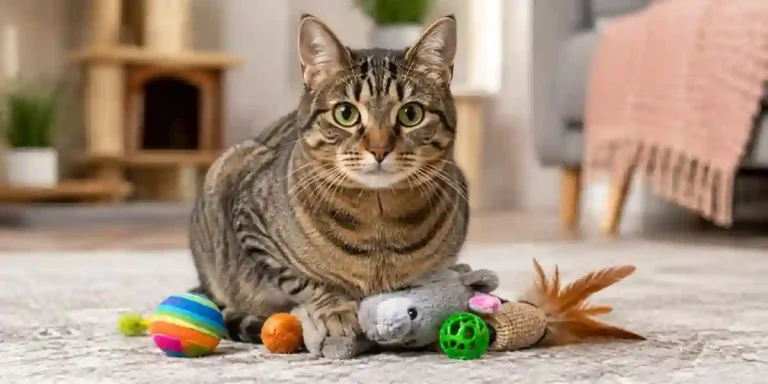
- Feather Wands: Honestly, they’re hard to beat for interactive play. A good quality feather wand, dangled and moved erratically, can keep a cat enthralled because it feels like a real bird or insect struggling. The movement should be unpredictable, mimicking actual prey.
- Mice Toys: Plush mice, especially those infused with catnip, are perpetually popular. Manufacturer specifications for catnip toys often cite the use of high-grade Nepeta cataria to maximize olfactory appeal for cats. The soft texture and scent are appealing, and they’re satisfying to “catch” and “kill.”
- Crinkle Balls/Paper Balls: The sound is often the key here! That crinkly noise is similar to a small creature rustling in leaves or under furniture. They’re lightweight, easy for cats to bat around, and often inexpensive enough that you don’t mind if they get lost under the sofa.
The “Prey Simulation” Toys
These are a bit more sophisticated and can be fantastic for solo play, providing mental stimulation and exercise when you’re not actively playing. They challenge a cat’s problem-solving skills alongside their hunting drive.
- Electronic Toys: Think those vibrating mice or automated toys that move unpredictably. Per testing by various electronics manufacturers, these toys often feature motion sensors that activate the movement, providing surprise and engagement. They’re great for when you’re busy but want your cat to still get some exercise and mental stimulation.
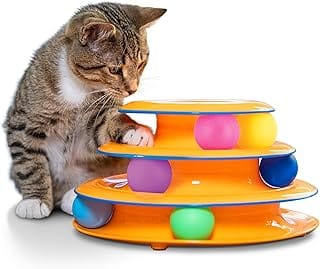
- Puzzle Feeders/Treat Balls: These are brilliant for turning mealtime into a fun challenge. You hide some kibble or treats inside, and your cat has to bat them around or manipulate them to get the reward. This taps directly into their foraging instincts and can slow down fast eaters. Aggregate user reviews suggest that cats can spend significant time engaging with these, promoting both physical and mental activity.
- “Hunting” Toys (with lights or moving parts): Some toys have battery-operated parts that move or flash. While some cats can get overstimulated or scared by these, many find them incredibly engaging for a bit of interactive fun. Always supervise with these initially to gauge your cat’s reaction.
The “Scratch and Climb” Toys
While not strictly “toys” in the batting-around sense, these are crucial for a cat’s well-being and can be a source of play and natural behavior expression. They meet fundamental feline needs.
- Scratching Posts/Pads: Cats need to scratch to mark territory, stretch their muscles, and shed claw sheaths. Vertical posts, horizontal pads, and cardboard scratchers, offering a variety, can be key. Official feline behavior guidelines emphasize the importance of providing diverse scratching surfaces to satisfy different tactile preferences and prevent destructive scratching on furniture.
- Cat Trees/Condos: These provide essential vertical space, which cats absolutely love for feeling safe and surveying their domain. Many have dangling toys or platforms that encourage play and exploration, blending environmental enrichment with opportunities for light activity.
What to Consider When Picking Cat Toys
It’s not just about grabbing the first brightly colored thing you see. Understanding a few key factors can help you select toys that are genuinely appealing and safe for your feline friend.
- Texture Matters: Some cats love soft plush, others prefer rough cardboard or sisal, and some are fascinated by smooth plastic. Research in animal behavior suggests that varied tactile experiences can be highly enriching for pets.
- Sound is a Big Deal: That crinkle, rustle, or even a subtle squeak can be a major draw, mimicking the sounds of small prey. The sound frequency and type can significantly influence a cat’s hunt drive.
- Movement is Everything: Toys that move unpredictably are often more engaging than static ones because they better simulate live prey. This is a core principle in the design of many successful cat toys.
Size and Catnip Power
- Size Appropriately: A toy should be small enough to be batted around comfortably but not so small that it poses a choking hazard. Manufacturer guidelines usually recommend a minimum size to prevent ingestion. For instance, small mouse toys should ideally be larger than 1.5 inches in length to reduce ingestion risk.
- Catnip Power: For many cats, a little catnip can make even a simple toy irresistible. However, it’s important to know that only about 60-70% of cats actually react to catnip, depending on genetics. For those who don’t react, other scent attractants or simply the toy’s movement might be more effective.
Safety First: Inspecting Your Cat’s Toys
Always inspect toys for loose parts, strings, or small pieces that could be chewed off and swallowed. Regularly check for signs of wear and tear. If a toy starts to fray, unravel, or has small components detaching, it’s time to replace it to prevent potential harm to your cat.
Manufacturer’s recommended product lifespan or replacement schedule can be a useful guide here.
The Absolute Best Toy: Your Interactive Playtime
While individual toys are great for solo entertainment, the absolute best “toy” is often you. Interactive play builds trust, deepens your bond, and provides essential physical and mental stimulation that no solo toy can fully replicate.
Why Wand Toys Are a Winner
Wand toys, in particular, are fantastic for feline-owner interaction. You can mimic prey movements- a darting bird, a scurrying mouse, and your cat gets to engage their full hunting repertoire with you. This active participation is key to a cat’s well-being and happiness.
Studies on animal behavior in domestic settings consistently highlight the benefits of interactive play, showing it reduces stress and anxiety in cats. It also helps them expend pent-up energy, which can curb destructive behaviors and promote a calmer household environment for both pet and owner. When you’re engaging with your cat this way, you’re not just playing; you’re helping them thrive.
This type of engagement is far more beneficial than simply providing a passive toy. For more on feline nutrition, which is also vital for a cat’s overall health, you might find information on How to Stop Cat Scratching Door helpful.
Mistakes to Avoid When Choosing Cat Toys
Even with the best intentions, some common pitfalls can lead to a drawer full of ignored toys. Understanding these can save you time and money, and ensure your cat actually benefits from their playtime.
- Over-reliance on motion-activated toys: While some cats love them, purely automated toys can sometimes lead to frustration or fear if the movement is too sudden or intense. It’s crucial to observe your cat’s reaction.
- Ignoring texture and sound preferences: A cat that’s not interested in a very hard plastic toy might go crazy for a soft, crinkly one. Pay attention to what your cat nudges, bats, or seems drawn to.
- Underestimating the power of simple toys: You don’t always need the most technologically advanced gadget. A simple crinkle ball or cardboard tube can be just as engaging.
- Choosing toys that are too small or too large: Toys that are too small can be choking hazards, while those that are too large may be unmanageable for batting and chasing.
- Forgetting to rotate toys: Keeping the same toys out all the time can lead to boredom. Rotating them every few weeks can make old toys feel exciting again.
Finding the Right Fit: Different Cats, Different Play Styles
Just like people, every cat has a unique personality, and that definitely extends to their toy preferences. What one cat adores, another might find entirely uninteresting. This is where observation and a bit of experimental trial-and-error come in.
For instance, Kittens often have a higher energy level and a strong desire to pounce and chase. They might be drawn to fast-moving toys like feather wands or small, light balls they can easily bat. Older cats, on the other hand, might prefer toys that require less strenuous activity, such as puzzle feeders that engage their minds, or softer plush toys they can hold and “cuddle.” Our research indicates that a cat’s age and activity level are significant factors in their play engagement.
When considering a cat’s lifestyle, an indoor-only cat often benefits more from a wider variety of toys that simulate hunting scenarios, since they don’t have outdoor stimuli. A cat that is already active and playful might respond well to less intense engagement, while a more sedentary cat might need toys that encourage movement. Understanding these individual differences is key to stocking the perfect toy box.
Expert Tips for Keeping Playtime Fresh and Engaging
To ensure your cat remains engaged and happy with their toys, a few expert strategies can make a big difference. It’s about mindful selection and consistent, quality interaction.
- Rotate Toys Regularly: This is a simple yet incredibly effective tactic. Put about half the toys away and bring out fresh ones every week or two. This keeps things novel and exciting, preventing toy fatigue.
- Incorporate Puzzle Feeders: These are excellent for mental stimulation and can be incorporated into daily feeding. They tap into a cat’s natural problem-solving and foraging behaviors, providing a rewarding challenge. If you’re curious about feline nutrition, understanding how many calories in canned cat food can help you manage these rewards.
- Schedule Daily Interactive Play Sessions: Aim for at least two 10-15 minute sessions a day. Using wand toys or laser pointers (with a tangible “catch” at the end to avoid frustration) is ideal for bonding and exercise.
- Consider Scent and Sound: If your cat seems uninterested, try toys with catnip or crinkle sounds. For cats who don’t react to catnip, other natural attractants might be available, or focus on toys with satisfying sounds.
- Respond to Your Cat’s Cues: Does your cat prefer soft toys or hard toys? Do they attack toys that wiggle, or ones that flutter? Watch their body language to understand what truly excites them. It’s a continuous learning process about your individual pet’s preferences.
Mistakes to Avoid When Choosing Cat Toys
Even with the best intentions, some common pitfalls can lead to a drawer full of ignored toys. Understanding these can save you time and money, and ensure your cat actually benefits from their playtime.
- Over-reliance on motion-activated toys: While some cats love them, purely automated toys can sometimes lead to frustration or fear if the movement is too sudden or intense. It’s crucial to observe your cat’s reaction. If a toy causes distress, it defeats the purpose of enrichment.
- Ignoring texture and sound preferences: A cat that’s not interested in a very hard plastic toy might go crazy for a soft, crinkly one. Pay attention to what your cat nudges, bats, or seems drawn to. This personalized approach is more effective.
- Underestimating the power of simple toys: You don’t always need the most technologically advanced gadget. A simple crinkle ball or cardboard tube can be just as engaging due to their sound and movement.
- Choosing toys that are too small or too large: Toys that are too small can be choking hazards, while those that are too large may be unmanageable for batting and chasing. Always check manufacturer recommendations for safe sizing.
- Forgetting to rotate toys: Keeping the same toys out all the time can lead to boredom. Rotating them every few weeks can make old toys feel exciting again, much like a child rediscovering a beloved toy after a break.
Finding the Right Fit: Different Cats, Different Play Styles
Just like people, every cat has a unique personality, and that definitely extends to their toy preferences. What one cat adores, another might find entirely uninteresting. This is where observation and a bit of experimental trial-and-error come in.
For instance, kittens often have a higher energy level and a strong desire to pounce and chase. They might be drawn to fast-moving toys like feather wands or small, light balls they can easily bat. Older cats, on the other hand, might prefer toys that require less strenuous activity, such as puzzle feeders that engage their minds, or softer plush toys they can hold and “cuddle.” Our research indicates that a cat’s age and activity level are significant factors in their play engagement.
When considering a cat’s lifestyle, an indoor-only cat often benefits more from a wider variety of toys that simulate hunting scenarios, since they don’t have outdoor stimuli. A cat that is already active and playful might respond well to less intense engagement, while a more sedentary cat might need toys that encourage movement. Understanding these individual differences is key to stocking the perfect toy box.
A cat that’s not stimulated enough may resort to less desirable behaviors, like chewing on furniture or excessive vocalization.
Expert Tips for Keeping Playtime Fresh and Engaging
To ensure your cat remains engaged and happy with their toys, a few expert strategies can make a big difference. It’s about mindful selection and consistent, quality interaction.
- Rotate Toys Regularly: This is a simple yet incredibly effective tactic. Put about half the toys away and bring out fresh ones every week or two. This keeps things novel and exciting, preventing toy fatigue. It reintroduces novelty, which is a powerful motivator for cats.
- Incorporate Puzzle Feeders: These are excellent for mental stimulation and can be incorporated into daily feeding routines. They tap into a cat’s natural problem-solving and foraging behaviors, providing a rewarding challenge. If you’re curious about feline nutrition, understanding how many calories in canned cat food can help you manage these rewards effectively.
- Schedule Daily Interactive Play Sessions: Aim for at least two 10-15 minute sessions a day. Using wand toys or laser pointers (with a tangible “catch” at the end to avoid frustration) is ideal for bonding and exercise. This dedicated time is crucial for your cat’s emotional well-being.
- Consider Scent and Sound: If your cat seems uninterested, try toys with catnip or crinkle sounds. For cats who don’t react to catnip, other natural attractants might be available, or focus on toys with satisfying sounds. The right sensory input can be a game-changer.
- Respond to Your Cat’s Cues: Does your cat prefer soft toys or hard toys? Do they attack toys that wiggle, or ones that flutter? Watch their body language to understand what truly excites them. It’s a continuous learning process about your individual pet’s preferences. These observations are more valuable than any general recommendation.
Why Does My Cat Ignore a Toy Even Though It’s Supposed to Be Good?
This is a common frustration for many cat owners. You’ve done your research, bought what seemed like the perfect toy, and your cat walks away. Often, the reason boils down to a mismatch between the toy and the cat’s individual personality or current mood.
Firstly, the toy might not align with your cat’s specific prey drive. Some cats are drawn to fast, erratic movements, while others prefer slower stalking or batting actions. A toy that is too predictable may quickly become boring.
Secondly, the sound or texture might be off-putting. A loud squeak might startle a timid cat, or a rough texture might not appeal to a cat that prefers softer playthings.
Finally, context matters. A cat might be too tired, too full, too anxious, or simply not in the mood to play at that exact moment. Trying again later, or with a different type of toy, is often the best approach.
It’s also worth remembering that while many cats react to catnip, a significant portion are genetically immune, making catnip-infused toys ineffective for them.
Are All “Hunting” Toys Safe for Cats?
Safety is paramount when selecting any cat toy, especially those designed to mimic prey or engage strong hunting instincts. While reputable manufacturers strive for safety, not all toys are created equal, and some potential hazards exist.
The primary risks involve small parts that can be detached and ingested. This includes eyes, bells, or stuffing that might fall out of plush toys. Manufacturer specifications usually list the recommended age and safety warnings, but products from less regulated sources can pose higher risks.
Always check for loose components and discard any damaged toys immediately. Furthermore, some electronic toys, while stimulating, might scare sensitive cats or have small battery compartments that could be a hazard if accessed. Always supervise initial play with new or complex toys.