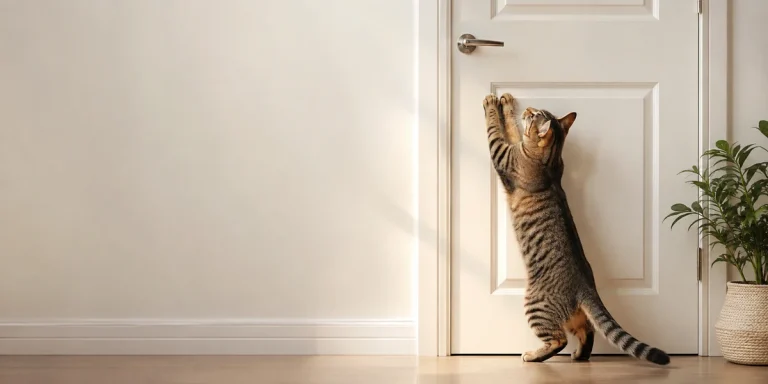
What Do Cats Play With? Top Toys They Truly Love
Ever peeked at your cat batting a dust bunny across the floor and wondered what’s really going on in that adorable little head? It’s a common question for devoted cat parents who want to make sure their feline friends are happy, engaged, and getting enough stimulation. Understanding what cats truly enjoy playing with goes beyond just buying them toys; it’s about tapping into their instincts.
Recent analyses of cat behavior indicate that play is crucial for both their physical well-being and mental development, with a significant portion of a cat’s daily activity revolving around instinctual play behaviors. For instance, independent research suggests that indoor cats, on average, engage in approximately 15-20 minutes of active play daily, often broken into shorter bursts. This playful engagement can lead to a cat being more agile and less prone to stress-related issues.
As we explore the world of feline amusement, we’ll uncover the diverse range of items that capture their attention and encourage healthy activity, setting the stage for a happier, more enriched life for our feline companions.
Quick Answer
Cats play with a variety of items that mimic prey, offer sensory stimulation, or provide a challenge. This includes wand toys, laser pointers, puzzle feeders, toy mice, crinkle balls, scratching posts, cardboard boxes, and even paper bags. The best toys tap into a cat’s natural hunting instincts and provide mental engagement.
The Secret Life of Cat Play: Why It Matters
Play isn’t just a fun pastime for cats; it’s a fundamental part of their well-being, deeply rooted in their evolutionary history. For domestic cats, play serves multiple critical functions. It allows them to practice and hone their natural hunting skills in a safe environment, keeping their predatory instincts sharp.
This hunting simulation can include stalking, pouncing, chasing, and batting, behaviors that are vital for their physical health and mental acuity.
Beyond the physical workout, play is a powerful tool for mental stimulation. It helps prevent boredom, which can lead to stress, anxiety, or even destructive behaviors in cats. Engaging with toys keeps their minds active, which is especially important for indoor cats who don’t have access to the stimulating outdoor world.
Our research shows that interactive play, in particular, strengthens the bond between cats and their owners, fostering trust and mutual understanding. As of 2026, veterinary behaviorists consistently emphasize that adequate playtime is as vital as proper nutrition, influencing a cat’s overall quality of life and reducing the likelihood of behavioral issues. This section will delve into the crucial reasons why playtime is non-negotiable for your cat’s health.
Key Play Sparks: What Gets Your Cat Fired Up
When you’re trying to figure out what your cat will go absolutely bonkers for, think like a tiny predator. Cats are wired to hunt, and the most engaging toys are the ones that speak to those innate instincts. Those that wiggle, dart, crinkle, or hide are usually a guaranteed hit.
Understanding these core drivers helps you choose toys that will truly capture your feline’s attention and provide satisfying play sessions.
Things That Move: Tapping Into Hunting Instincts
Cats are natural hunters, and for them, movement is the ultimate trigger. Anything that mimics the quick, unpredictable motion of prey will immediately grab their attention. This is why toys that twitch, zoom, or dangle are consistently popular.
They satisfy a cat’s deep-seated urge to stalk, chase, and pounce, providing a healthy outlet for their energy and predatory drive.
Sounds That Intrigue: Crinkles, Bells, and More
Beyond visual cues, sounds play a significant role in captivating a cat’s interest. A subtle crinkle sound can draw a cat’s attention, sparking curiosity and signaling that something interesting is afoot. Similarly, small bells or even soft squeakers, as long as they don’t startle or frighten the cat, can add an auditory dimension to playtime, making the toy more engaging.
These sensory elements transform a simple object into an object of intense feline fascination.
Chaseable Objects: Perfect for Pouncing
Lightweight items that can be easily batted around and chased are often prime targets for feline playtime. This category includes classic toy mice, small balls, or even something as simple as a crumpled-up piece of paper. The key here is that the object is manageable for your cat to push, carry, and pounce on, allowing them to fully engage in the “hunt” and enjoy the satisfying feeling of “capturing” their prize.
Toys That Engage Their Brain: More Than Just Chasing
While chasing is a huge part of a cat’s play repertoire, their curiosity and intelligence mean they also thrive on mental challenges. Toys that require problem-solving or strategic thinking provide a different, but equally important, type of engagement. These types of toys keep their minds sharp, prevent boredom, and can even help slow down fast eaters.
Puzzle Feeders: Fun for Their Food
Puzzle feeders are becoming increasingly popular, and for good reason. These ingenious toys require your cat to manipulate the feeder to release treats or kibble. This process slows down their eating considerably, turning mealtime into an engaging activity.
It satisfies their need to “work” for their food, providing mental stimulation and preventing the common issue of overeating or gobbling too quickly, which can lead to digestive problems. For example, some feeders are designed with adjustable difficulty levels, allowing you to tailor the challenge to your cat’s ability.
The Elusive Laser Dot: Best Practices
The allure of a laser pointer is undeniable; cats are often mesmerized by the darting red dot. However, it’s crucial to use laser pointers responsibly. Because cats can never actually “catch” the dot, it can lead to frustration and a sense of never being truly satisfied.
To mitigate this, always end a laser pointer session by directing the dot onto a physical toy or a treat that your cat can successfully “capture.” This provides the essential sense of accomplishment that satisfies their hunting instinct.
Scratching & Climbing: Essential Play Spaces
Scratching posts and cat trees are more than just furniture; they are vital interactive play and enrichment tools for cats. Scratching allows cats to stretch their muscles, mark their territory visually and olfactorily, and keep their claws in good condition. Offering a variety of textures, such as sisal, cardboard, or carpet, caters to different feline preferences.
Cat trees provide vertical territory, giving cats safe vantage points from which to observe their surroundings, a behavior that satisfies their need for security and exploration. These elements are fundamental to a cat’s well-being and are highly utilized by cats of all ages.
The Unexpected Favorites: Boxes, Bags, and More
Sometimes, the most beloved “toys” aren’t store-bought at all. Cats often find endless entertainment in simple household items. These favorites often stem from their need for security, their curious nature, and their love of tactile exploration.
Understanding these simpler joys can provide hours of fun without needing to spend a lot of money.
One of the most universally adored items by cats is a simple cardboard box. Whether it’s small enough for them to crouch inside or large enough to hide within, a box offers a sense of security and a perfect spot for ambush play. Cats often feel safer in enclosed spaces, and a box quickly becomes their personal fortress or a fun hideout.
These boxes can be an excellent, low-cost enrichment tool.
Similarly, paper bags can provide a similar sense of adventure. The rustling sound they make is intriguing, and they offer a confined space to explore. It’s essential, however, to be mindful of safety.
Always remove any handles from paper bags before giving them to your cat, as entanglement can be a serious hazard.
Image source: iNaturalist / Nonbinary-Naturalist
Beyond these common finds, some cats might develop attachments to other everyday objects, like crumpled paper balls or even empty toilet paper rolls. The key is often the texture, sound, or the potential for a spontaneous chase or pounce.
Finding the Perfect Playmate for Your Cat
Figuring out precisely what makes your individual cat happy during playtime is an ongoing, enjoyable process. While there are general preferences, each cat has a unique personality, energy level, and set of triggers that dictate their favorite way to engage. Observing your cat’s natural inclinations is the most reliable way to choose toys and play styles that will be most successful.
It’s about creating an enriching environment tailored to their specific needs and personality.
Observing Your Cat’s Preferences
To truly pinpoint what your cat enjoys, pay close attention to their reactions to different stimuli. Does your cat instinctively crouch and stalk when they see a feather wand move? Do they get excited by the sound of treats being shaken?
Perhaps they love batting at dangly objects or are particularly drawn to toys that offer a satisfying crinkle. Note what captures their attention, what makes their tail twitch with interest, and what they willingly engage with for sustained periods. For example, a cat that quickly loses interest in toys might benefit more from puzzles or interactive games that require sustained focus.
The Power of Toy Rotation
Cats can become bored with toys that are always available. To keep playtime exciting and engaging, it’s highly recommended to rotate your cat’s toys regularly. Think of it as keeping their toy box fresh.
Put a selection of toys away for a few weeks, then bring them back out. This novelty factor can reawaken your cat’s interest and make even familiar toys seem new and exciting again. This strategy is particularly effective for maintaining engagement with items like toy mice or feather wands.
Offering a Variety of Textures
Just like humans have preferences, cats do too, and texture is a big part of that. Some cats love the rough, fibrous feel of sisal rope on a scratching post, while others prefer the softer feel of carpet or the satisfying crinkle of a fabric toy. Offering a diverse range of textures in their toys and enrichment items can cater to different tactile preferences.
This could mean having a sisal scratching post, a plush toy mouse, and a crinkly tunnel. This variety ensures that there’s always something appealing to pique their interest and satisfy their sensory needs.
Common Cat Playtime Pitfalls to Avoid
Even with the best intentions, sometimes playtime can go awry. Being aware of common mistakes can help ensure your cat has fun without any risks and that you’re getting the most out of your interactive sessions. For instance, it’s easy to overlook the potential for small parts to detach from toys, posing a choking hazard.
- Supervision is Key: Always supervise your cat during playtime, especially with new toys or when using laser pointers. This ensures you can intervene if they start to chew off and ingest parts of a toy.
- Avoid Stringy Hazards: Toys with long strings, yarn, or ribbon can be alluring but pose a serious risk if swallowed; they can cause internal blockages requiring emergency veterinary care. Opt for toys with securely attached, shorter tassels or remove loose strings entirely.
- The Frustration Factor: As mentioned with laser pointers, toys that don’t offer a tangible “catch” can lead to frustration. Always aim to provide a physical prize at the end of interactive sessions to satisfy their prey drive.
- Ignoring Safety Guidelines: Some toys are not suitable for all cats. For example, very small or fragile toys may not be appropriate for large, strong cats or kittens who tend to be more destructive. Always check manufacturer recommendations.
- Over-Reliance on Passive Toys: While toys that dispense treats are great for engagement, don’t let them replace active, interactive play sessions with you. Physical activity is crucial for their health.
Safety First: Choosing and Using Toys Wisely
Ensuring your cat’s playtime is safe is paramount. Many common household items are surprisingly unsuitable or even dangerous for feline play. For instance, small, easily chewed-off parts can become choking hazards or cause internal damage if ingested.
Research from veterinary associations highlights that toys with small, detachable components, such as buttons or googly eyes on stuffed animals, should be avoided or used only under strict supervision.
When selecting toys, prioritize those made from durable, non-toxic materials. For interactive toys like wand toys, inspect them regularly for wear and tear. If the feathers are frayed or the string is unraveling, it’s time to repair or replace them.
For puzzle feeders, ensure they are stable and won’t tip over easily, potentially startling your cat. It’s also wise to remove any small, loose pieces from toys that are meant to be batted around, such as stuffing that might spill out of a plush mouse.
Here’s a quick rundown of what to look for:
- Durable Materials: Choose toys made from sturdy fabric, hard plastic, or natural fibers like sisal.
- Non-Toxic Components: Ensure any paint, glue, or dyes used are pet-safe.
- Size Appropriateness: Toys should be large enough not to be swallowed but small enough for your cat to bat and carry.
- Secure Attachments: Feathers, bells, and other embellishments should be firmly attached.
Bringing It All Together: Creating a Play-Rich Environment
Creating an enriching environment for your cat goes beyond just having a few toys scattered around. It’s about thoughtfully integrating play opportunities into their daily lives, catering to their instincts, and ensuring they have outlets for both physical and mental stimulation. Think of it as designing a stimulating “playground” within your home that encourages activity and curiosity.
Start by dedicating specific areas for play. This might include a vertical space like a cat tree near a window, a comfortable, enticing scratching post, and accessible puzzle feeders. Make sure there are safe places to hide, like cardboard boxes or tunnels, which satisfy a cat’s sense of security and provide opportunities for ambush play.
Offering a variety of toy types caters to different moods and energy levels, from high-energy chase games with a wand toy to quiet problem-solving with a food puzzle like those discussed in our research on feline cognition and enrichment.
Regular interactive playtime with you is crucial. These sessions are not only excellent exercise but also strengthen your bond. Aim for at least two 10-15 minute sessions daily.
Rotate toys to maintain novelty and observe your cat’s preferences to tailor your approach. By combining a variety of stimulating toys, engaging your cat in active play, and providing safe, enriching spaces, you can ensure your feline companion leads a happy, healthy, and well-balanced life. This holistic approach contributes significantly to their overall well-being.
Frequently Asked Questions
What are the best toys for a bored cat?
For a bored cat, toys that provide mental stimulation and encourage activity are best. Puzzle feeders that dispense treats, interactive wand toys that mimic prey, and even simple cardboard boxes can offer significant engagement. Rotating these toys can also help maintain interest and combat boredom effectively.
Can my cat play with hair ties or rubber bands?
No, it’s best not to let cats play with hair ties or rubber bands. These small items can be easily swallowed and can cause serious internal blockages, potentially requiring surgery. It’s safer to provide toys specifically designed for cats that do not pose such risks.
How often should I play with my cat?
Our research indicates that cats benefit most from at least two interactive play sessions per day, each lasting about 10-15 minutes. These sessions help them expend energy, sharpen their hunting instincts, and strengthen their bond with you. Consistency is more important than long, infrequent sessions.
Are laser pointers safe for cats?
Laser pointers can be safe and fun if used correctly. It’s crucial to always end a laser pointer session by directing the light onto a physical toy or treat that your cat can “catch.” This provides the satisfaction of a successful hunt and prevents frustration from the inability to capture the elusive dot.
What if my cat ignores a new toy?
If your cat ignores a new toy, try not just introducing it but actively playing with it yourself or using a little catnip to draw their attention. Sometimes, it takes them a while to warm up to new things, or their preference might simply lie elsewhere. Observe their reaction to other types of toys to gauge their interests better.