What Is How Much Food Should a 6 Month Old Cat Eat
You’re staring at a half-empty bowl and a kitten who acts like it’s been days since breakfast. Maybe you’re second-guessing the bag’s feeding chart. Maybe your vet gave you a number that doesn’t match what’s printed on the label.
Figuring out how much food should a 6 month old cat eat feels more complicated than it should be.
Here’s the good news: it’s not actually that hard. As of 2026, veterinary guidelines and AAFCO nutritional standards give us clear, research-backed numbers to work from. Most 6-month-old kittens need roughly 250 to 300 calories per day, split across three to four meals.
But calories aren’t the whole story. Your kitten’s weight, activity level, and whether they’ve been neutered yet all shift that number. Let’s break it down so you can feed with confidence, not guesswork.
Quick Answer
A 6-month-old kitten needs about 250 to 300 calories daily. That equals roughly 1/2 cup of dry kitten food per day. Or one 3-ounce can of wet food plus 1/4 cup dry.
Split this across 3 to 4 meals. Adjust based on body condition. Weigh your kitten weekly to track progress.
Image source: Web (Bing) / iptv-bg.com (Web image (fair-use with source credit))
Why a 6-Month-Old Isn’t a “Baby” or an “Adult”
Your kitten looks like a small adult cat. Maybe they’ve even lost that round kitten belly. But inside, they’re still growing.
Rapid bone and muscle development continues until roughly 9 to 12 months of age. That growth spurt demands specific nutrients and consistent energy intake.
A 6-month-old kitten sits in an awkward middle zone. They’re past the tiny, fragile stage where you’re worried about every meal. But they’re not ready for adult maintenance food either.
Kitten formulas contain higher protein, more fat, and elevated calcium and phosphorus levels. Those nutrients support skeletal development and muscle growth that adult food simply doesn’t provide.
Think of it like a teenager. They look almost grown, but they still need more fuel and more nutrients than a fully mature adult. Feeding your 6-month-old adult cat food too early can lead to nutritional deficiencies.
Their growing bones need those extra minerals to develop properly.
The transition to adult food happens gradually, starting around 9 to 12 months. Until then, stick with a quality kitten formula. Your kitten’s long-term joint health and muscle development depend on getting this stage right.
Key Factors That Change How Much to Feed
The 250 to 300 calorie range is a solid starting point. But your individual kitten might need more or less. Several factors influence their daily intake.
Current body weight is the biggest variable. A 5-pound kitten needs fewer calories than a 7-pound kitten. The range above assumes an average weight of 5 to 7 pounds.
If your kitten falls outside that, adjust accordingly.
Activity level matters too. An indoor-only kitten who naps 18 hours a day burns fewer calories than one who has access to a secure outdoor space or lives with another playful cat for company. If your kitten is constantly zooming around, they’ll need closer to the top of the range.
If they’re more of a professional napper, aim for the lower end.
Neuter or spay status changes things significantly. After surgery, a kitten’s metabolism slows down. They also become less interested in roaming and more interested in lounging.
This often happens right around 6 months. If your kitten was recently neutered, their caloric needs may drop by roughly 10 to 20 percent. Many owners don’t adjust for this and end up with a chubby adolescent cat.
Breed plays a role as well. Large breeds like Maine Coons and Ragdolls grow for much longer and need more food at 6 months. Smaller breeds like Siamese or Cornish Rex may need slightly less.
When in doubt, ask your vet about breed-specific recommendations.
Body condition score is the most practical tool you have. This 1 to 9 scale measures whether your cat is underweight, ideal, or overweight. A score of 4 to 5 is ideal.
You should be able to feel your kitten’s ribs easily with a light touch of fat covering them. You should also see a visible waistline when looking from above.
Here’s a quick reference:
| Body Condition Score | What You Feel and See | Action Needed |
|---|---|---|
| 1-3 (Underweight) | Ribs highly visible, little muscle mass | Increase portions 10-20% |
| 4-5 (Ideal) | Ribs easily felt, visible waistline | Maintain current portions |
| 6-7 (Overweight) | Ribs hard to feel, no waistline | Decrease portions 10-20% |
| 8-9 (Obese) | Heavy fat cover, belly sagging | Consult your vet immediately |
How to Read the Feeding Chart on Your Kitten’s Food
Every bag or can of kitten food comes with a feeding chart. It’s usually printed on the back or side panel. Those charts give you a starting point, but they’re not personalized to your specific kitten.
Most charts base recommendations on weight ranges. For example, a typical kitten food label might say “feed 1/2 to 3/4 cup per day for kittens 4 to 8 pounds.” That’s a wide range. It doesn’t account for activity level, metabolic rate, or whether your kitten is a grazer or a gulp-and-go eater.
Manufacturer guidelines also tend to overestimate portions. Brands want you to use more food, so you buy more. It’s not malicious, but it’s a factor worth keeping in mind.
Aggregate reviews and veterinary guidance consistently suggest starting at the lower end of the manufacturer’s range and adjusting based on body condition.
Here’s what the number on the label actually tells you: calorie density. High-quality kitten foods contain roughly 350 to 500 calories per cup of dry kibble. Wet foods run about 70 to 100 calories per 3-ounce can.
If you know the calorie count per cup or can, you can calculate exactly how much your kitten needs.
Let’s do a quick example. Say your kitten food contains 400 calories per cup. Your kitten needs 280 calories daily.
That works out to 0.7 cups per day, or roughly 3/4 cup. Split that into three or four meals, and you’re looking at about 1/4 cup per feeding.
For wet food, a 3-ounce can with 80 calories means 3.5 cans per day. That’s a lot of cans. Most owners mix wet and dry to balance convenience, cost, and hydration.
Step-by-Step: How to Calculate Your Kitten’s Portions
Ready for the exact method? Grab a kitchen scale, your kitten’s food, and a notepad. Here’s the process we recommend based on veterinary research and manufacturer specifications.
Step 1: Weigh your kitten accurately.
Use a digital kitchen scale for smaller kittens. Place a bowl on the scale, zero it out, then place your kitten inside. Alternatively, weigh yourself holding the kitten, then weigh yourself alone.
Subtract the difference. This gives you their current weight in pounds or kilograms.
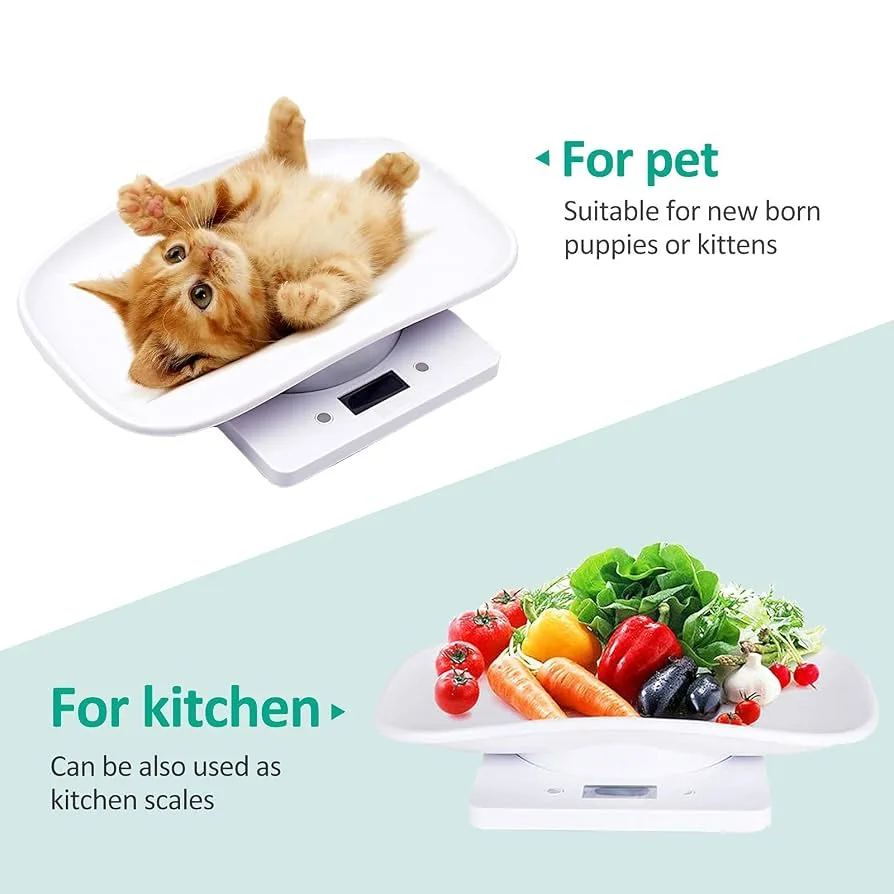
Image source: Bing (Web (fair-use with source credit))
Step 2: Determine daily caloric needs.
A general formula for kittens is 40 to 50 calories per pound of body weight per day. For a 6-pound kitten, that’s 240 to 300 calories. Use the higher end if your kitten is very active.
Use the lower end if they’re sedentary or recently neutered.
Step 3: Check your food’s calorie density.
Look for the kcal/cup or kcal/can on the packaging. This information is usually near the ingredients list or feeding guidelines. Write it down so you don’t have to keep checking.
Step 4: Measure the right portion using a scale or measuring cup.
Accuracy matters here. A standard measuring cup can vary by 10 to 15 percent depending on kibble size and how you scoop. Weighing dry food on a scale is more precise.
Most kitten foods weigh 3.5 to 4.5 ounces per cup. If your kitten needs 3/4 cup, weigh out 2.6 to 3.4 ounces.
For wet food, portion by weight. Split the can’s total weight by the number of meals. A 3-ounce can split into three meals means 1 ounce per feeding.
Step 5: Split the daily portion across 3 to 4 meals.
Kittens have small stomachs. They can’t handle one or two large meals like adult cats. Feeding three to four times daily keeps their blood sugar stable and prevents overeating at single sittings.
If you’re away at work, use an automatic feeder to dispense measured portions throughout the day.
Here’s a sample calculation for a 6-pound active kitten:
| Food Type | Kcal per Unit | Daily Amount | Per Meal (3 meals) |
|---|---|---|---|
| Dry food only | 400 kcal/cup | 0.7 cups | ~1/4 cup |
| Wet food only | 80 kcal/can | 3.5 cans | ~1 can |
| Mixed feeding | 80 kcal/can + 400 kcal/cup | 1 can + 1/4 cup | 1/3 can + ~2 tbsp |
Sample Feeding Schedule for a 6-Month-Old Kitten
Consistency is your best friend. Kittens thrive on routine. When meals happen at predictable times, they learn to trust that food will come and stop begging or scavenging between feedings.
A typical schedule for a 6-month-old looks like this:
7:00 AM, Breakfast. This kick-starts their metabolism after the overnight fast.
12:00 PM, Lunch. A midday refuel keeps energy levels steady.
5:00 PM, Early dinner. Perfect for when you get home from work.
9:00 PM, Optional late snack. Only if your kitten is underweight or highly active.
If your lifestyle doesn’t allow three midday feedings, that’s completely fine. An automatic feeder can dispense dry food at preset times. Just make sure the total daily amount matches your kitten’s caloric needs.
You can also combine this with a wet food meal in the morning and evening.
Many owners wonder about free-feeding. This means leaving dry food out all day for grazing. It works for some kittens, especially those who naturally self-regulate.
But it can lead to overeating, particularly in neutered cats. If you choose to free-feed, measure the total daily portion and only put out that amount. When it’s gone, it’s gone.
If your kitten seems hungry between meals, check the portion size first. A hungry kitten often needs slightly more food, not more feedings. Add 10 percent to the daily total and see if their body condition score improves over two weeks.
But be careful. Kitten begging can be pure persuasion. Check their ribs and waistline before giving in.
The opposite problem is a kitten who doesn’t finish their meals. This is common right after neutering. Appetite dips while the anesthesia wears off and hormones settle.
If your kitten skips a meal, don’t panic. Offer the food again in a few hours. If they go more than 24 hours without eating, call your vet.
For owners considering special diets, like food for outdoor cats, the same principles apply. You’re just choosing a different formula. Outdoor felines with higher energy needs might need closer to the top of the calorie range.
Just remember to adjust for actual activity, not assumptions.
Kittens also need fresh water at all times, especially if you’re feeding dry food. Wet food provides some hydration, but it’s not enough on its own. Place multiple water bowls around the house.
Consider a pet fountain to encourage drinking. Proper hydration supports kidney health and prevents urinary issues down the line.
Frequently Asked Questions
How many times a day should a 6-month-old kitten eat?
Three to four times daily. Their small stomachs can’t handle large meals. Split the daily caloric portion evenly across feedings.
Consistency prevents overeating and keeps blood sugar stable. If you’re away during the day, an automatic feeder helps.
Can I leave food out all day for my 6-month-old kitten?
You can, but it’s risky. Free-feeding often leads to overeating, especially after neutering. If you free-feed, measure out the exact daily portion first.
Don’t refill the bowl until it’s empty. Monitor body condition weekly to catch weight gain early.
What if my kitten seems hungry all the time?
Check their body condition score first. Feel for ribs and examine their waistline. A lean kitten likely needs more food.
Add 10 percent to their daily portion and reassess in two weeks. A round-bellied kitten is probably manipulating you. Hold firm on portions.
When should I switch from kitten food to adult food?
Start transitioning around 9 to 12 months. Large breeds like Maine Coons may need kitten food for up to 18 months. Transition gradually over 7 to 10 days by mixing increasing amounts of adult food.
Sudden switches cause digestive upset. Consult your vet for breed-specific timing.
Is wet food better than dry food for a 6-month-old kitten?
Both are valid options. Wet food provides extra hydration and is closer to a cat’s natural diet. Dry food is convenient, cost-effective, and helps with dental health.
Most owners use a mix. The key is meeting your kitten’s daily caloric and nutritional needs, regardless of food form.
What if my kitten won’t eat the recommended amount?
First, rule out medical issues. Refusing food for more than 24 hours warrants a vet visit. If they’re healthy, they might dislike the texture or flavor.
Try switching protein sources or mixing wet and dry. Also check that the food bowl is clean and in a quiet location.