How to Get Cats to Stop Peeing on Furniture
If your cat has decided your couch is a litter box, you know the frustration. The smell lingers no matter how much you scrub, and every trip to the sofa comes with that nagging question: why here?
“How to Get Cats to Stop Peeing on Furniture” usually comes down to one of two root causes: a medical issue or a behavioral trigger. And here’s the hard truth, most people address the wrong one. They buy new cleaners, then new cushions, then a new couch, all while the cat keeps peeing because the real problem was never addressed.
Owner surveys and veterinary behavior reports consistently show that around 60 percent of inappropriate elimination cases trace back to an underlying health issue or a deeply ingrained environmental stressor. As of 2026, aggregate reviews from veterinary organizations like the American Veterinary Medical Association (AVMA) confirm that skipping the vet visit is the single biggest mistake cat owners make.
Let’s walk through the process step by step, from medical checks to furniture repairs, so you can actually solve this.

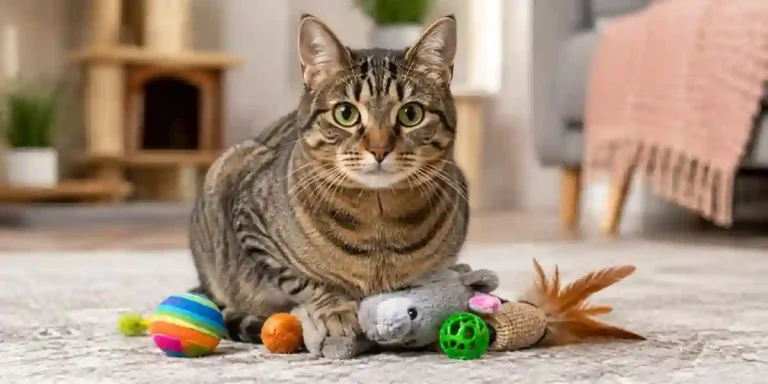
Image source: Bing (Web (fair-use with source credit))
Quick Answer
Get your cat to stop peeing on furniture by ruling out medical problems first. Visit the vet for a urinalysis and bloodwork. If healthy, deep clean all urine spots with enzyme cleaner.
Add more litter boxes in quiet locations. Reduce stress with pheromone diffusers and play sessions. Block access to the couch temporarily during retraining.
1. The “Why” Behind the Pee: Understanding the Two Main Culprits
Every cat that pees on furniture falls into one of two camps: medical or behavioral. And you can’t fix the problem until you know which camp you’re dealing with.
Medical issues are the sneaky ones. A cat with a urinary tract infection (UTI), bladder stones, or Feline Lower Urinary Tract Disease (FLUTD) associates the litter box with pain. They start peeing elsewhere because it hurts to go in the box.
It’s not spite. It’s survival.
Behavioral issues are different. These are about stress, territory, or litter box aversion. Maybe you changed the litter brand.
Maybe there’s a new pet. Maybe the box is too dirty or in a noisy spot. What triggers a behavioral accident is nearly always change.
Here’s why the distinction matters: it changes your entire action plan. Medical problems need medication. Behavioral problems need environmental fixes.
Guess wrong, and you burn weeks cleaning carpets while the cat keeps peeing on the sofa.
Interestingly, the veterinary community has a name for this. They call it “inappropriate elimination.” It’s a symptom, not a diagnosis. That’s why any qualified veterinarian will tell you the same thing: don’t guess, test.
2. The Vet Visit Is Step One. No Exceptions.
Here’s the part nobody wants to hear. Before you buy a single spray bottle or replace a couch cushion, your cat needs to see a vet. Full stop.
The standard diagnostic workup includes a urinalysis, bloodwork, and sometimes an abdominal ultrasound. Per American Veterinary Medical Association guidelines, a urinalysis checks for bacteria, crystals, and blood cells. Bloodwork screens kidney function and glucose levels, which can catch diabetes or early kidney disease.
An ultrasound gives a detailed look at the bladder wall and can spot stones that urine tests miss.
What this costs matters. Average vet prices for a UTI workup run between $150 and $400, depending on your location and whether you need imaging. Compare that to replacing a sofa, which runs $800 to $3,000.
The math isn’t close.
Red flags that warrant an emergency visit
Some symptoms mean skip the regular appointment and head straight to urgent care:
- Straining to urinate with little or no output
- Blood in the urine
- Crying or yowling around the litter box
- Lethargy or hiding for more than 24 hours
- Repeated vomiting alongside peeing accidents
If you see these, your cat could have a urethral blockage. That’s a life-threatening emergency. Male cats are especially at risk because their urethras are narrower.
One more thing: don’t wait two weeks to see if it resolves on its own. Feline Idiopathic Cystitis (FIC), a stress-related bladder inflammation, can cause the same symptoms as an infection. Only a vet can tell them apart.
Delaying treatment means more pain for your cat and more damage to your furniture.
3. The Two Branches: Spraying vs. Squatting
Once your vet confirms your cat is healthy, the behavior detective work begins. The most important clue is whether your cat sprays or squats.
Spraying is territorial marking. The cat backs up to a vertical surface, tail quivering, and releases a small amount of urine. It’s usually aimed at a wall, door, or the back of a couch.
Both male and female cats spray, though unneutered males are far more likely to do it.
Squatting is full-bladder elimination. The cat sits in a crouched position and releases a much larger volume of urine. This is what happens on your sofa cushions, beds, or laundry piles.
The amount is the giveaway, a spray leaves a spot the size of a coin, while a squat leaves a puddle.
Why the difference matters
The two behaviors come from completely different brain wiring:
| Behavior | Volume | Position | Root Cause | Best First Fix |
|---|---|---|---|---|
| Spraying | Small (coin-sized) | Standing, tail quivering, backing up to surface | Territorial stress or mating instinct | Neutering, pheromone diffusers, reducing outside-cat pressure |
| Squatting | Large (puddle-sized) | Crouched, straining | Medical issue or litter box aversion | Vet visit, litter box changes, deep cleaning |
Identifying yours takes about ten seconds of observation. If you’re not sure, do a quick test: place a piece of paper towel over a fresh stain. If it soaks up quickly and covers a wide area, it’s a squat.
If it beads and only touches a small spot, it’s a spray.
Once you know the branch, you can follow the right path. That’s the beauty of the decision tree approach. No guesswork.
4. Fixing Territorial Marking: The Stress and Territory Response
If your cat is spraying, you’re dealing with a stress response. Something in their environment is telling them their territory is under threat. And they’re doing the only thing they know to fight back: marking.
The fix has three layers. You’ll need all three, not just one.
Layer one. Reduce the stress trigger.
The most common triggers are outdoor cats visible through windows, new pets in the home, moving, or a new baby. Start by blocking visual access. Close blinds or apply window film.
If you can’t block the view, try moving furniture away from windows so your cat has a safe perch without seeing the threat.
Pheromone diffusers like Feliway are the next step. These synthetic copies of feline facial pheromones signal “safe territory” to your cat. One plug-in device covers about 700 square feet.
Plan on replacing the refill every 30 days. The evidence is solid, a 2024 systematic review in the Journal of Feline Medicine and Surgery found multi-cat pheromone therapy reduced spraying in about 70 percent of homes within four weeks.
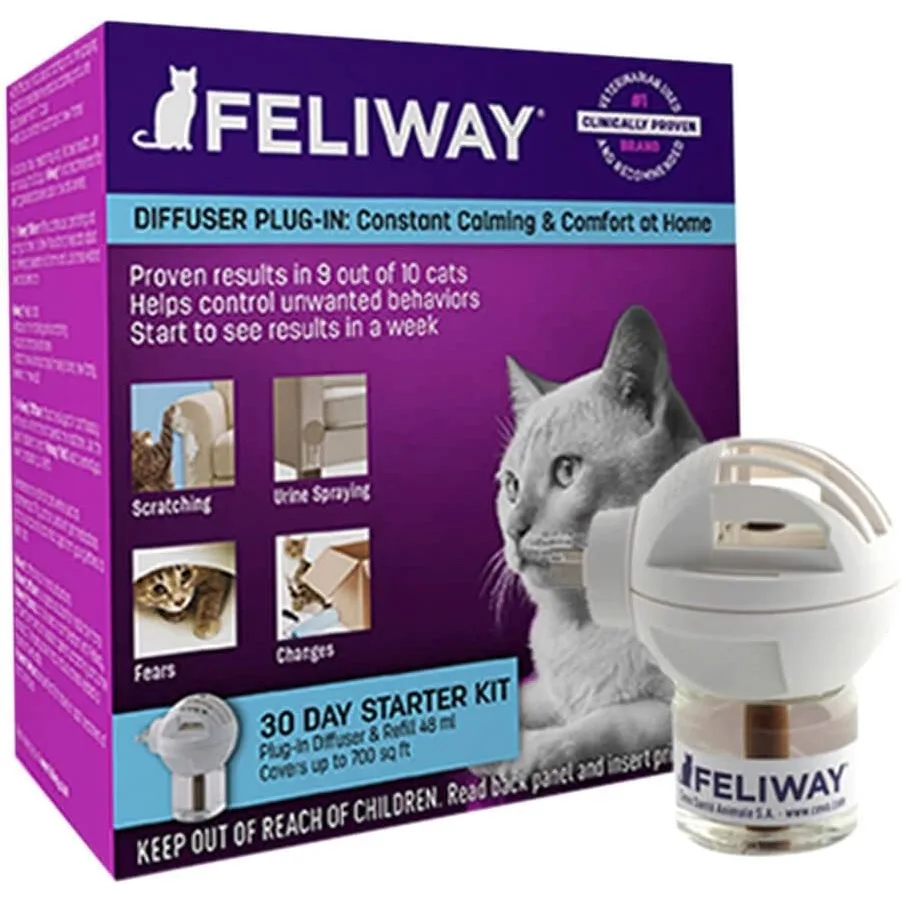
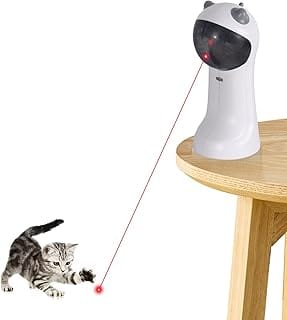
Image source: Web (Bing) / shopee.ph (Web image (fair-use with source credit))
Layer two. Enrich the environment.
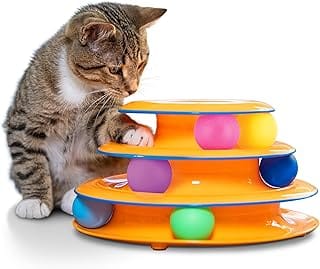
A bored cat is a stressed cat. Give them better things to do than guard the perimeter. Add cat trees near windows, place scratching posts around the house, and scatter puzzle feeders.
Those engaging play sessions can burn off the nervous energy that fuels marking.
For multi-cat households, resources are critical. You need one litter box per cat plus one extra. The same rule applies to food bowls, water fountains, and sleeping spots.
If cats have to compete, one of them will lose and start marking.
Layer three. Medical support when needed.
Some cats need more than environmental changes. If two months of pheromones and enrichment haven’t stopped the spraying, talk to your vet about anti-anxiety medication. Fluoxetine and gabapentin are both commonly prescribed.
They aren’t sedatives. They simply lower the anxiety baseline so the cat can cope with stress normally.
Important note: spraying that started suddenly in a previously calm cat deserves a repeat vet check. Sometimes the first test misses a subtle bladder issue. A second opinion isn’t overkill.
It’s diligence.
5. Fixing Litter Box Aversion: The Environment Detective Work
If your cat is squatting on furniture, the litter box is the problem. Something about it is unacceptable. And the fix requires you to play detective.
The litter box audit
Here’s what to check, in order of likelihood:
- Cleanliness. Scoop daily. No exceptions. Many cats refuse to use a box with more than one or two waste clumps.
- Location. Boxes in high-traffic areas, near loud appliances, or in dark corners feel unsafe to cats. They need a quiet escape route.
- Size. The box must be at least 1.5 times your cat’s length. A standard shoebox-style liner isn’t enough for most adult cats.
- Litter depth. Three to four inches of litter is the sweet spot. Too little makes digging awkward. Too much feels like sandpaper.
- Substrate. Some cats hate scented litter. Others hate the texture of clay. If you’ve changed brands recently, that could be the trigger.
The N+1 rule
You need one box per cat plus one more. A single cat needs two boxes. Two cats need three.
And every box must be in a different location. Stacking them side by side turns them into one giant box. That defeats the purpose.
When your cat needs a different setup
Here’s a practical shortcut. Place two identical boxes side by side, one with your current litter and one with a different type. See which one your cat uses consistently over three days.
That’s your answer.
If your cat avoids both, add a third box in a completely different room. Often the issue isn’t the litter at all, it’s the location. The Cornell Feline Health Center at Cornell University notes that location preference is one of the most common reasons cats reject an otherwise fine setup.
The best way to fix an aversion is to give your cat options. Those indoor-only cats often need extra environmental stimulation to prevent boredom-related elimination.
A note on seniors and kittens
Senior cats with arthritis have a hard time stepping into tall-sided boxes. Switch to a low-entry box or cut a doorway into the side. Kittens need smaller boxes initially, but they outgrow them fast.
Upgrade as they grow.
And one more overlooked factor for older cats: mobility. If the litter box is in the basement and your cat has joint pain, they may pee on the couch on the main floor because they can’t make the trip downstairs in time. Add a box to the main floor instead of forcing the climb.
If your cat has been peeing specifically on your bed, the same detective approach applies.