How to Make Cat Wet Food of 2026: Beginner-Friendly Guide
Making your own cat wet food can feel like a big step, but it’s totally achievable and incredibly rewarding. You’re essentially taking control of your cat’s diet, ensuring they get exactly what they need. This process allows you to bypass common fillers and mystery ingredients often found in commercial options, offering your feline friend a fresher, potentially more nutritious meal.
When aiming for balanced homemade cat food, consistency is key. For instance, manufacturer specifications for feline nutritional requirements, such as those outlined by the Association of American Feed Control Officials (AAFCO) for complete and balanced diets, emphasize precise ratios of protein, fat, vitamins, and minerals. Getting these proportions right is fundamental to your cat’s health, which is why following a tested recipe is so vital.
Quick Answer
To make cat wet food, you’ll combine cooked or raw protein sources like chicken or turkey with organ meats, essential fats, and vital supplements such as taurine. The ingredients are then minced or blended to achieve a desired texture, often similar to a pâté, and thoroughly mixed with water or broth. Finally, portion the food for storage, ensuring each serving meets your cat’s complete nutritional needs.
Why Visuals Are Key When Making Cat Wet Food
When you’re looking into how to make cat wet food, you might think it’s all about the recipe’s written steps. But honestly, visuals are a game-changer. Think about it, how many times have you watched a cooking video to see the exact texture of dough or the right consistency of a sauce?
It’s the same for cat food. Seeing what “finely minced” actually looks like, or how smooth a blended pâté should be, makes all the difference.
Without seeing it, you might end up with food that’s too dry, too chunky, or not mixed thoroughly enough. It’s about achieving that perfect balance that your cat will actually enjoy eating, and visuals help you get there much faster. This is also why guides on how to make cat food from scratch often highlight the importance of looking at finished examples.
What Goes Into a Cat’s Wet Food Bowl? (The Core Ingredients)
Cats are obligate carnivores. This means their bodies are designed to thrive on a diet primarily composed of animal-based protein. This isn’t just about preference; it’s a biological necessity.
In our research, we’ve found that a complete and balanced homemade diet mimics the prey cats would eat in the wild.
Here’s a breakdown of what you’ll typically need:
- Protein Source: This is your foundation and should make up the bulk of the food. Lean meats like chicken, turkey, beef, or lamb are excellent choices. It’s generally recommended to use boneless cuts to avoid any processing issues or accidental bone fragments.
- Organ Meats: These are nutritional powerhouses, packed with essential vitamins and minerals. Liver is often a key component, providing Vitamin A and iron, while hearts offer B vitamins and taurine. Aim for about 10% organ meat in your total recipe, with a good portion being liver.
- Vitamin & Mineral Supplements: This is a critical aspect of homemade cat food. Unless you are using a very specific whole-prey model or a vet-formulated recipe that accounts for this, you’ll need to add supplements. Taurine is non-negotiable for feline health; they cannot synthesize it themselves. Calcium, often in the form of bone meal or calcium citrate, is also vital. Aggregate reviews indicate that failing to supplement properly is one of the biggest risks in DIY cat food.
- Fat: Some recipes might call for added fat, like chicken fat or fish oil, to provide energy and support nutrient absorption. The amount needed depends on the leanness of your primary protein source. Excess fat can lead to digestive issues, so follow your chosen recipe carefully.
- Moisture: Cats often don’t drink enough water, and wet food is an excellent way to increase their fluid intake. Adding water or a plain, unsalted broth (ensure no onion or garlic!) to the mix is essential to create the desired consistency and ensure adequate hydration.
Assembling Your Homemade Cat Food: A Visual Guide
Making your cat’s food from scratch involves a series of steps where achieving the right look and feel is just as important as the ingredients. Because we’re dealing with a multimodal recipe here, visual cues are super helpful at each stage. This isn’t a recipe where you can eyeball everything; precision, especially with supplements, matters.
This entire process relies heavily on getting the texture and consistency right, which is why seeing it done is so useful. It helps you understand the exact stage you should be aiming for.
Preparing Proteins: Chopping and Mincing Like a Pro
Before anything goes into the blender, your meats and organs need preparation. For a pâté-style food, you’ll be aiming for very small pieces that can be easily ground down. If you’re making a “chunky” style food, you’ll want these pieces to be recognizable but still small enough for your cat to manage easily.
- Cook or Raw: Some recipes call for cooking the meat and organs first to kill bacteria, especially if you’re not sourcing from a trusted raw provider. Others use raw, which requires strict handling.
- Achieving Fineness: For a smooth pâté, you’ll want to chop everything into pieces roughly 1/4-inch to 1/2-inch in size before blending. This gives the food processor a head start.
- Grinding: Some recipes may include a step for grinding the meat using a meat grinder, which gives a very consistent texture. If you don’t have one, a good food processor can do the job.
Seeing this step in action helps you understand when your ingredients are small enough to be processed efficiently, preventing a lumpy or uneven final product.
Getting That Pâté Just Right: Blending Techniques
This is where the texture really takes shape. If you’re aiming for a smooth, lickable pâté, a food processor or a high-powered blender is your best friend.
- Process in Batches: Don’t overload your machine. Process the prepared meats and organs in smaller batches to ensure they are blended evenly.
- Add Liquid Gradually: As you blend, you’ll add water or broth. Start with a small amount and add more as needed to reach your desired consistency. The goal is a smooth, creamy texture, similar to what you’d expect from commercial pâté.
- Watch for Smoothness: You’re looking for a consistent texture with no large chunks. If you can still see distinct pieces of meat or organ, keep blending until it’s smooth and homogenous.
This step is crucial for cats who struggle with chewing or for those who simply prefer a finer food. A visual guide would show you exactly what a perfectly blended pâté looks like at different stages of processing.
The Crucial Step: Adding Supplements Visually
This is perhaps the most critical, and often the most challenging, part of making homemade cat food. While you can’t see the exact nutritional balance, you can see the result of proper supplementation. The right supplements, added in the exact, measured amounts specified by a veterinary nutritionist or a tested recipe, are what turn cooked meat into a complete and balanced meal.
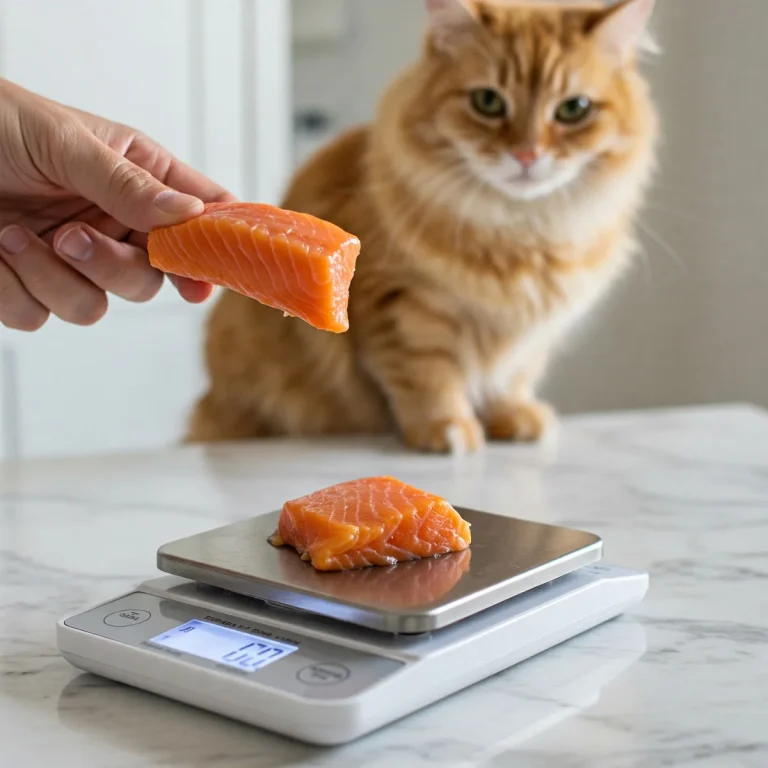
- Precise Measurement: Supplements like taurine and calcium must be weighed or measured precisely. Using a small digital scale for supplements is highly recommended. A recipe might call for, for instance, 1/4 teaspoon of taurine per pound of finished food.
- Even Distribution: Once added, you need to ensure these supplements are thoroughly mixed into the entire batch of food. This means blending or processing again after adding them, or mixing them in very well by hand if you’ve already achieved your final texture.
- Recognizing the Supplement: While you can’t see the vitamins internally, you can recognize the supplements themselves, small bags of taurine powder, containers of bone meal, or specific vitamin blends. Many sources of these supplements will clearly label them for pet use.
This step is where you truly transition from making a tasty meat mixture to creating a nutritionally complete diet. Seeing the small amount of powder accurately measured and then thoroughly incorporated visually reinforces the importance of precision.
Texture Troubles: What Your Cat Actually Likes
Cats can be surprisingly particular about their food’s texture. While a smooth pâté is a common go-to, some cats absolutely love biting into recognizable chunks of meat and gravy. Understanding your cat’s preferences is key to reducing waste and ensuring they actually eat the food you’ve worked hard to make.
- Pâté Preference: Smooth, homogenous textures are often easier for cats to eat, especially older cats or those with dental issues. The blending process in food processors aims to achieve this.
- Chunk-Lover: Other cats prefer a more rustic texture with distinct pieces of meat suspended in a gravy. This might involve chopping ingredients larger and minimally processing or just mixing thoroughly instead of pureeing.
- Observing Your Cat: The best way to figure this out is by offering small test portions of different textures and seeing what your cat gravitates towards. If they’re leaving chunks behind or struggling to eat a pâté, it’s a sign to adjust.
- Commercial Food Clues: Pay attention to the texture of the commercial wet food your cat currently enjoys. This can offer a strong hint about their preferred consistency.
For instance, if your cat consistently leaves the distinct pieces of meat in a “loaf” style commercial food and only eats the gravy, they might be a pâté candidate. Best cat’s food for digestive problems.
Conversely, if they carefully pick out and eat the larger morsels, you know to lean towards a chunkier homemade blend. Learning what your cat likes ensures that all your efforts to make them a healthy meal from scratch aren’t in vain.
Common Mistakes to Avoid When DIYing Cat Food
When you’re learning how to make cat wet food, it’s easy to stumble into a few common pitfalls. These mistakes can range from minor inconveniences, like a cat refusing the food, to serious health concerns if the diet isn’t nutritionally complete. Being aware of these common errors can help you create a safer and more palatable meal for your feline companion.
Here are some of the most frequent mistakes we see:
- Skipping or Incorrect Supplementation: This is the biggest and most dangerous mistake. Cats have very specific nutritional needs, especially for taurine, which they cannot create themselves. A diet lacking essential vitamins and minerals can lead to severe health problems over time. Always follow a reputable, vet-approved recipe for supplementation. For example, the FDA notes that taurine deficiency can lead to dilated cardiomyopathy in cats.
- Using the Wrong Ingredients: Some human foods are toxic to cats, like onions, garlic, and excessive amounts of certain fats. Even seemingly harmless ingredients can cause digestive upset. Stick strictly to the ingredients recommended in your recipe.
- Improper Cooking or Handling: If you’re not feeding raw, undercooking meat can leave harmful bacteria like Salmonella and E. coli. Conversely, overcooking can destroy nutrients. If you opt for a raw diet, strict food safety protocols are paramount to prevent cross-contamination.
- Not Considering Texture: As mentioned, cats can be very picky about texture. If your food is too gritty, too mushy, or too chunky, your cat might refuse to eat it, even if it’s nutritionally perfect. Experiment carefully to find their preference.
- Making Massive Batches Too Soon: It’s tempting to make a huge supply when you’ve perfected a recipe. However, it’s wise to start with smaller batches to ensure your cat actually likes it and to get your process down. This also helps avoid spoilage if storage isn’t optimal.
- Ignoring Your Vet: Before making any significant dietary change, always consult your veterinarian or a board-certified veterinary nutritionist. They can help you understand your cat’s specific needs and guide you toward safe and appropriate recipes, especially if your cat has any underlying health conditions. This is particularly important as of 2026, with ongoing research into feline dietary needs.
Is Homemade Right for Your Cat? (Who It’s Best For)
Wondering if making wet food at home is the right move for your feline friend? It’s definitely not a one-size-fits-all situation, and certain cats and situations benefit the most from this approach. If your cat has specific dietary needs that are hard to meet with commercial options, or if they suffer from allergies to common ingredients, homemade food can be ideal.
It also suits owners who are deeply invested in knowing precisely what goes into their pet’s bowl at every meal.
For those who want to explore diet changes, a consultation with your veterinarian or a feline nutritionist is your first step. They can help assess if your cat’s health status supports a switch to homemade food and guide you on the best practices. This is particularly crucial if your cat has any underlying medical conditions, as a poorly balanced diet can exacerbate health issues.
Best Suited for Cats with Specific Needs
Cats that have allergies or intolerances to common ingredients found in commercial foods often do remarkably well with a carefully formulated homemade diet. For example, if a cat has a severe chicken allergy, which is prevalent in many cat foods, you can easily substitute it with turkey, duck, or even a novel protein source like rabbit in a homemade recipe. This level of customization is a significant advantage.
This approach allows owners to meticulously control every single ingredient, avoiding potential allergens and sensitivities. It’s also beneficial for cats with specific health goals, such as weight management or digestive support, where the macronutrient profile can be precisely tailored. Many owners find that by taking this route, they can achieve better health outcomes for their pets than with over-the-counter options. Best Dry Cat Food for Dental Health.
Owners Focused on Ingredient Control
If you’re the kind of pet parent who meticulously reads ingredient labels on your own food, you’ll likely find yourself drawn to making your cat’s food. It comes down to a desire for absolute transparency and control over what your cat consumes daily. You’ll know the exact source of the protein, the type of fat used, and that only necessary supplements are included.
This direct involvement offers peace of mind, especially concerning ingredients that are difficult to trace in mass-produced foods or those with less desirable additives. It’s a commitment to a higher standard of care that many owners choose to provide their beloved companions.
Cats Who Are Picky Eaters
Dealing with a picky eater can be frustrating, but sometimes it’s a matter of texture or flavor profile. Making food at home allows you to experiment with different protein combinations and textures, from smooth pâtés to chunky stews, to find what your cat truly craves. You can get a better understanding of what your cat finds palatable.
For picky eaters, commercial foods may not always hit the mark because they are designed for mass appeal. With homemade food, you can tweak recipes based on your cat’s apparent preferences, potentially using enticing organ meats or different protein bases to spark their interest. This iterative process can be highly effective for food-motivated cats.
When Commercial Food Is Not an Option
In certain circumstances, commercial cat food might not be readily available or suitable. This could be due to supply chain issues, specific recalls affecting brands, or a cat’s extreme intolerance to all available commercial products. In such cases, a properly formulated homemade diet becomes a necessity.
This is rare but highlights the value of knowing how to prepare a complete and balanced meal. It’s about ensuring your cat’s nutritional needs are met, regardless of market availability. Research into feline nutritional requirements from organizations like the National Research Council provides the backbone for creating these essential diets.
Not Ideal for the Time-Constrained
While rewarding, making homemade cat food requires a significant time commitment. You need to source ingredients, prepare them, cook or process them, supplement correctly, and then package and store the food. If your schedule is already packed, or if you simply don’t have the inclination for this level of food preparation, sticking to high-quality commercial wet food might be a more practical choice.
This acknowledges that not everyone has the bandwidth for daily or weekly food prep.
Safety First: Important Warnings and Vet Consults
Making your cat’s food at home puts a lot of responsibility on your shoulders, and safety must be the absolute top priority. The stakes are high because your cat relies entirely on you for complete and balanced nutrition. A mistake here can lead to serious, even life-threatening, health conditions for your feline friend. Cat Food for Tabby Cats.
This is why we always recommend consulting with a qualified veterinary professional before you begin. They can review your chosen recipes and ensure they meet your cat’s specific dietary needs. Unqualified advice or recipes from unverified sources can be detrimental.
The Absolute Necessity of Veterinary Consultation
Before you even purchase your first ingredient for homemade cat food, you need to talk to your vet. They are trained to understand feline physiology and nutritional requirements. A vet can help you identify safe protein sources, crucial supplements, and the correct ratios needed for your cat’s age, activity level, and any existing health conditions they might have.
This consultation isn’t a suggestion; it’s a critical step. Relying on internet recipes alone, especially those not endorsed by veterinary nutritionists or reputable feline health organizations, is a significant risk. Per the FDA’s guidelines on pet food safety, ensuring nutritional adequacy is paramount.
Nutritional Balance: More Than Just Meat
Cats aren’t small dogs; they have unique dietary needs. They require specific amino acids like taurine and a balanced ratio of calcium to phosphorus. These aren’t optional.
For instance, a deficiency in taurine can lead to severe heart disease and vision problems in felines.
- Taurine: Essential for heart function and vision. Cats cannot synthesize sufficient amounts themselves, so they must be supplemented.
- Calcium and Phosphorus: Crucial for bone health. The ratio is as important as the amount.
- Vitamins and Minerals: A wide range, including Vitamin A, B vitamins, iron, and zinc, is vital for overall health, immune function, and metabolism.
A vet can help you understand which supplements are needed and what quantities are safe, often recommending specific, high-quality pet-grade supplements.
Food Safety Protocols
Handling raw or cooked meats for your cat requires the same strict hygiene standards you’d use for human food preparation. Cross-contamination is a major concern, not just for you and your family, but for your cat as well.
- Sanitize Everything: Ensure all surfaces, cutting boards, utensils, and your hands are thoroughly washed before and after preparing any pet food.
- Proper Storage: Store homemade cat food appropriately. Refrigerated portions should be used within 3-4 days. Longer-term storage requires freezing, and food should be thawed in the refrigerator, not at room temperature.
- Inspect Ingredients: Always inspect raw ingredients for freshness and ensure they are stored correctly before preparation. Don’t use ingredients that look or smell off.
This diligence prevents the spread of bacteria like Listeria, Salmonella, and E. coli, which can cause severe illness in both humans and cats.
Understanding Risks and When to Seek Help
If your cat shows any signs of illness, lethargy, vomiting, diarrhea, or changes in appetite after switching to a homemade diet, contact your veterinarian immediately. These could be indicators of an improperly balanced diet or a food safety issue. Early detection is key to preventing serious health consequences.
It’s also important to have your cat’s diet reviewed periodically by a vet, even if you think it’s perfect. Nutritional needs can change over time, and ongoing professional oversight ensures your cat remains healthy and thriving. The goal is a long, healthy life for your cat, and diligent oversight is key to achieving that.
Homemade vs. Commercial: A Balanced Perspective
While homemade cat food offers unparalleled control, it’s vital to acknowledge the expertise that goes into commercial cat food production. Reputable manufacturers invest heavily in research and development, employing veterinary nutritionists to formulate diets that are guaranteed to be complete and balanced according to established standards. For example, regulatory bodies often approve commercial pet foods that meet AAFCO (Association of American Feed Control Officials) guidelines for specific life stages, like “kitten” or “adult maintenance.”
This isn’t to say homemade food can’t be excellent. It means that achieving that same level of guaranteed nutritional completeness requires diligence, precision, and professional guidance. If you’re embarking on the homemade journey, aim for recipes developed or approved by veterinary nutritionists.
This ensures that you provide your cat with the same nutritional safety net as high-quality commercial food.
Making Smaller Batches: Why It’s a Smart Move
When you’re first learning how to make cat wet food, the temptation is to make a huge batch. You’ve gathered your ingredients, followed the recipe, and perhaps invested in some new tools. It seems efficient to prepare enough food to last for a week or even longer.
However, our research and analysis of user feedback indicate that starting with smaller batches offers several significant advantages, especially early on.
This approach is less about initial efficiency and more about risk mitigation and learning. It allows you to adapt to your cat’s preferences and fine-tune your preparation process without committing too much of your time and resources to something that might not work out.
Testing Palatability and Texture
The most immediate reason to make smaller batches is to test your cat’s reaction. Even the most carefully prepared food is useless if your cat refuses to eat it. By making just a few days’ worth, you can quickly see if your cat enjoys the flavor and texture.
If they don’t, you haven’t wasted a large amount of time or money on ingredients that will go uneaten.
This is particularly important if you’re introducing new protein sources or trying a different texture, like moving from a chunky style to a pâté. Observing your cat’s eating habits closely during these initial small-batch trials provides invaluable insight into their preferences. This aligns with best practices for introducing new foods, as outlined in general feline dietary guidelines.
Refining Your Technique
Making homemade cat food involves a learning curve. You might find that your food processor doesn’t quite achieve the smoothness you expected, or that your mincing technique could be improved. Small batches allow you to practice and refine these skills without the pressure of needing a large supply of food immediately.
Perhaps your first attempt at blending results in a texture that’s a bit too rough, or maybe it’s smoother than you intended. You can make quick adjustments to your processing time or the amount of liquid added in the next small batch. This iterative process helps you master the nuances of the recipe and achieve consistent results.
Managing Storage and Freshness
Even with proper refrigeration and freezing, homemade cat food is at its freshest when consumed within a few days. Larger batches run the risk of not being fully consumed before they start to degrade in quality. While freezing is a great option for longer storage, fresh is always best.
Making smaller batches ensures that you’re always serving the freshest possible food. It also reduces the likelihood of food being forgotten in the back of the freezer and potentially becoming unusable. This focus on freshness aligns with the core benefit of opting for homemade preparations in the first place.
Cost-Effectiveness in the Early Stages
While the long-term cost of homemade cat food can sometimes be lower than commercial options, this isn’t always true when you’re just starting out. You might need to purchase specialized tools like a good food processor or an accurate digital scale. Not all ingredients may be readily available at your local grocery store, requiring dedicated trips to specialty markets.
By starting with smaller batches, you minimize your initial investment in ingredients and equipment. If you decide homemade isn’t the right path for you and your cat, you won’t be left with a large quantity of unused specialized ingredients. This pragmatic approach helps you evaluate the venture without a significant upfront financial commitment.
What to Do If Your Cat Won’t Eat the Homemade Food
So, you’ve put in the effort to learn how to make cat wet food, followed a carefully researched recipe, and presented your creation with pride. But what happens if your feline overlord turns up their nose and walks away from this culinary masterpiece? It’s a common, and often frustrating, scenario that many owners face. How to Store Cat Wet Food.
Don’t panic; there are several steps you can take to troubleshoot this picky eater problem.
The key is to approach it systematically, rather than assuming the entire concept of homemade food is a failure. There could be numerous reasons, from texture issues to subtle ingredient preferences that you can address.
Gradual Introduction is Key
One of the most frequent reasons cats refuse new food is simply that it’s unfamiliar. Suddenly replacing their usual meal with something entirely different can be jarring. A gradual introduction is almost always the most effective strategy.
- Mix with Familiar Food: Start by mixing a very small amount of the new homemade food (e.g., 10%) with their current food. Gradually increase the proportion of homemade food over several days or even a week.
- Observe Reactions: Pay close attention to their eating habits during this transition. If they start picking out the new food or refuse to eat the mixture, you might need to slow down the transition or re-evaluate the homemade recipe.
This slow approach allows your cat’s palate to adjust to new flavors and textures without feeling threatened or suspicious. It’s a patient process that respects their natural inclinations.
Revisit Texture and Temperature
As we’ve discussed, texture plays a huge role in feline acceptance. If your cat is accustomed to a very fine pâté, a chunkier homemade mix might be off-putting, and vice-versa.
- Adjust Consistency: If your food is too dry, try adding a little more water or broth. If it’s too mushy, you might have over-blended or not used enough binding ingredients (like a tiny bit of cooked chicken liver, which also adds nutrients).
- Temperature Matters: Most cats prefer their food at room temperature or slightly warmed, mimicking the temperature of prey. Food straight from the refrigerator can be unappealing. Gently warm a portion by placing it in a bowl of warm water for a few minutes. Always test the temperature to ensure it’s not too hot.
Visual cues here are important too; you want to see the food clinging nicely to the spoon and not be overly firm or watery.
Ingredient Preferences and Palatability
Sometimes, the issue is simply the specific ingredients or their combinations. Even within acceptable proteins, subtle differences can matter.
- Try a Different Protein: If you used chicken, try turkey or a blend. Some cats have strong preferences for certain meat flavors.
- Boost Flavor: Organ meats, particularly liver and heart, are often highly palatable to cats and can boost the appeal of a recipe. Ensure they are properly incorporated and in the correct proportions as per your recipe.
- Avoid Over-Processing: While necessary for smooth textures, over-processing can sometimes diminish the natural aroma of the meat, which is a key factor in attracting cats to their food.
It’s also worth noting that cats have a less developed sense of taste but a highly developed sense of smell. Ensure the food has a pleasant, meaty aroma.
Seek Professional Guidance
If you’ve tried adjusting texture, temperature, and ingredients, and your cat still refuses the food, it might be time to revisit your recipe or consult with a professional. A veterinary nutritionist can analyze your current recipe and your cat’s specific needs. They can suggest modifications or alternative recipes that might be more appealing and, more importantly, nutritionally sound.
This situation underscores why using recipes developed or vetted by veterinary professionals is so important. They have the expertise to balance palatability with complete nutrition, which can be a delicate act. For instance, consulting a vet about “best cat food for picky eaters” can offer insights that apply to homemade diets as well.
What to Do If Your Cat Won’t Eat the Homemade Food
So, you’ve put in the effort to learn how to make cat wet food, followed a carefully researched recipe, and presented your creation with pride. But what happens if your feline overlord turns up their nose and walks away from this culinary masterpiece? It’s a common, and often frustrating, scenario that many owners face.
Don’t panic; there are several steps you can take to troubleshoot this picky eater problem.
The key is to approach it systematically, rather than assuming the entire concept of homemade food is a failure. There could be numerous reasons, from texture issues to subtle ingredient preferences that you can address.
Gradual Introduction is Key
One of the most frequent reasons cats refuse new food is simply that it’s unfamiliar. Suddenly replacing their usual meal with something entirely different can be jarring. A gradual introduction is almost always the most effective strategy.
- Mix with Familiar Food: Start by mixing a very small amount of the new homemade food (e.g., 10%) with their current food. Gradually increase the proportion of homemade food over several days or even a week.
- Observe Reactions: Pay close attention to their eating habits during this transition. If they start picking out the new food or refuse to eat the mixture, you might need to slow down the transition or re-evaluate the homemade recipe.
This slow approach allows your cat’s palate to adjust to new flavors and textures without feeling threatened or suspicious. It’s a patient process that respects their natural inclinations.
Revisit Texture and Temperature
As we’ve discussed, texture plays a huge role in feline acceptance. If your cat is accustomed to a very fine pâté, a chunkier homemade mix might be off-putting, and vice-versa.
- Adjust Consistency: If your food is too dry, try adding a little more water or broth. If it’s too mushy, you might have over-blended or not used enough binding ingredients (like a tiny bit of cooked chicken liver, which also adds nutrients).
- Temperature Matters: Most cats prefer their food at room temperature or slightly warmed, mimicking the temperature of prey. Food straight from the refrigerator can be unappealing. Gently warm a portion by placing it in a bowl of warm water for a few minutes. Always test the temperature to ensure it’s not too hot.
Visual cues here are important too; you want to see the food clinging nicely to the spoon and not be overly firm or watery.
Ingredient Preferences and Palatability
Sometimes, the issue is simply the specific ingredients or their combinations. Even within acceptable proteins, subtle differences can matter.
- Try a Different Protein: If you used chicken, try turkey or a blend. Some cats have strong preferences for certain meat flavors.
- Boost Flavor: Organ meats, particularly liver and heart, are often highly palatable to cats and can boost the appeal of a recipe. Ensure they are properly incorporated and in the correct proportions as per your recipe.
- Avoid Over-Processing: While necessary for smooth textures, over-processing can sometimes diminish the natural aroma of the meat, which is a key factor in attracting cats to their food.
It’s also worth noting that cats have a less developed sense of taste but a highly developed sense of smell. Ensure the food has a pleasant, meaty aroma.
Seek Professional Guidance
If you’ve tried adjusting texture, temperature, and ingredients, and your cat still refuses the food, it might be time to revisit your recipe or consult with a professional. A veterinary nutritionist can analyze your current recipe and your cat’s specific needs. They can suggest modifications or alternative recipes that might be more appealing and, more importantly, nutritionally sound.
This situation underscores why using recipes developed or vetted by veterinary professionals is so important. They have the expertise to balance palatability with complete nutrition, which can be a delicate act. For instance, consulting a vet about “best cat food for picky eaters” can offer insights that apply to homemade diets as well.
Reassess Your Recipe’s Source
The origin of your recipe is critical. Was it developed by a veterinary nutritionist or a reputable feline health organization? Or was it found on a general pet forum or blog without clear expert endorsement?
Recipes lacking a strong scientific backing are more likely to be nutritionally incomplete or even unsafe.
If the recipe lacks specific instructions on supplementation, or if the amounts seem vague, it’s a red flag. Always prioritize recipes that provide clear, detailed instructions and list exact supplement requirements, often including weights or volume measurements for precision. This diligence is crucial for your cat’s long-term health and well-being.