How Many Calories in Friskies Canned Cat Food 2026
Figuring out how many calories are in Friskies canned cat food is key to keeping your feline friend at a healthy weight. Different flavors and product types mean the calorie count can actually vary quite a bit from one can to another. Getting this right makes sure your cat gets the fuel they need without risking unwanted weight gain or loss.
Manufacturer specifications for Purina’s Friskies canned products indicate that a 5.5 oz can typically ranges from about 150 to over 200 calories, depending on the specific formula. This wide range highlights why it’s so important to check the label carefully for whatever Friskies variety you’re offering. We’ll break down what these numbers mean and how to use them to your cat’s benefit, guiding you through the calorie maze with clear, research-backed advice.
Quick Answer: How Many Calories in Friskies Canned Cat Food?
A 5.5 oz can of Friskies canned cat food contains roughly 150-200 calories. Specific formulas, like Friskies Pate or Shreds, may fall slightly outside this range. Always check the product label for the exact calorie count.
This information is vital for proper portion control and maintaining your cat’s ideal weight. Explore Best Food Bowls for Cats.
Why Calorie Counts Matter for Your Cat
Managing your cat’s calorie intake isn’t just about preventing obesity, though that’s a big part of it. For instance, the best cat food for anemic cats might have specific nutrient profiles that also influence its calorie density. Calorie balance is fundamental to overall feline health, impacting everything from energy levels and coat quality to musculoskeletal health and immune function.
An overweight cat, for example, is at a much higher risk for conditions like diabetes, arthritis, and heart disease. Conversely, cats that are consistently underfed may suffer from malnutrition, leading to muscle loss, a weakened immune system, and a generally poor state of health. Precise calorie tracking, especially with a well-loved brand like Friskies, allows you to tailor your cat’s diet to their individual needs, ensuring they receive adequate nutrition without excess.
This is especially true as cats age, with kittens, like those discussed in our guide on the best cat food for 6 month old kittens, having different caloric requirements than mature adults.
Breaking Down Friskies Varieties and Their Calories
Friskies offers a wide array of wet cat food options, and the calorie content can differ significantly between them. These variations are often due to differences in ingredients, moisture content, and the physical form of the food itself, such as whether it’s a smooth pate or hearty shreds. Understanding these differences is the first step to accurately managing your cat’s diet and ensuring they’re getting the right amount of energy.
Friskies Pate Calorie Snapshot
Friskies Pate recipes are known for their smooth, soft texture, which many cats find highly palatable. Because pate formulas tend to have a higher moisture content and a more uniform consistency, their calorie density can be somewhat predictable. For example, a 5.5 oz can of Friskies Pate typically contains around 180-190 calories.
This makes them a solid choice when you need a consistent calorie input for your cat’s meals. However, even within the pate lines, slight variations can occur based on the primary protein source or added nutrients.
Friskies Shreds Calorie Snapshot
The Friskies Shreds line features tender pieces of meat in a savory gravy. The presence of gravy means a slightly different moisture-to-solid ratio compared to pates, which can subtly affect calorie counts. A 5.5 oz can of Friskies Shreds generally hovers around 160-180 calories.
While this isn’t a massive difference from some pate varieties, it’s enough to matter when you’re meticulously managing a cat’s weight. The smaller shredded pieces and gravy might also lead to slightly different consumption rates for some cats.
Friskies Chunks Calorie Snapshot
Friskies Chunks offer larger, more distinct pieces of meat in a thicker gravy. This texture can make them very appealing to cats who prefer a more substantial bite. Due to the chunkier texture and potentially denser protein pieces, calorie counts for Friskies Chunks can sometimes be a bit higher or lower than pates or shreds.
A 5.5 oz can might range from approximately 170 to 200 calories, depending heavily on the specific flavor and gravy formulation. As of 2026, these variations are standard across the product line.
Friskies Variety Packs and Mixed Foods
Many households use a combination of food types, perhaps even mixing dry food with wet, or offering different Friskies varieties throughout the week. For instance, if you’re wondering about feeding kittens, understanding the difference between what is kibble cat food and wet food is important for their growth. If you’re feeding a mix, you’ll need to calculate the total daily calories from all sources.
If you’re feeding your cat a diet that includes homemade components, you’ll want to reference guides on how to make cat food from scratch to ensure nutritional completeness and accurate calorie tracking across all their food intake.
How to Accurately Read Friskies Labels
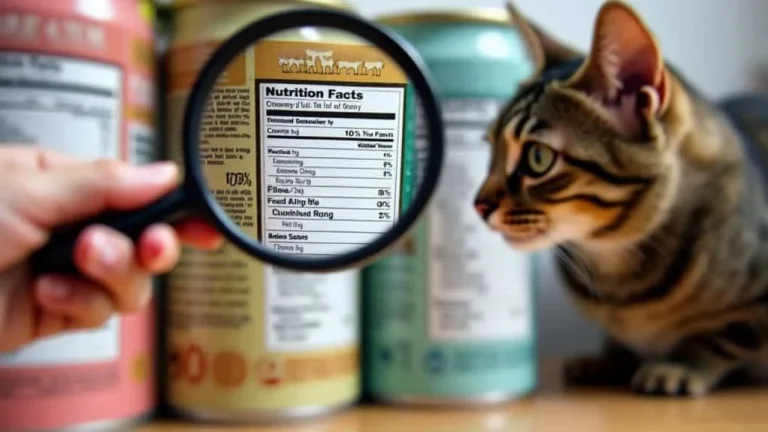
Decoding the information on a Friskies cat food label is crucial for understanding its nutritional content, especially the calorie count. Pet food labels are regulated to provide clarity, but sometimes the terminology can be a bit confusing. Fortunately, the most important information you need, per-serving calorie count, is usually prominently displayed.
Understanding “As Fed” vs. “Dry Matter” for Wet Food
When you look at a Friskies can, the calorie information is almost always provided on an “as fed” basis. This means it reflects the calories in the food as it comes out of the can, including all the moisture. This is the most practical way for you to use the information, as you’re serving the food directly.
The alternative, “dry matter” basis, is more common for dry kibble. It calculates nutrients after removing all the moisture. While this is useful for comparing the concentrated nutrient levels of dry foods, it’s less relevant for wet foods like Friskies because you’re not adding water or removing it before serving.
So, when you see calories listed on a Friskies can, assume it’s for the food exactly as you serve it, moist and ready to eat.
Key Information to Look For on the Can
- Serving Size: This is often listed as a recommendation, but it also indicates how the calories are presented. A common serving size on a 5.5 oz can might be listed as around 1/3 or 1/2 of the can.
- Calories per container (or per can): This is usually the most straightforward number. For a 5.5-oz can, you’ll typically see a range.
- Calories per serving: Sometimes, labels will break this down further, stating something like “200 calories per can (330g)” or “150 Calories Per Container.” Always check the weight or measure associated with that calorie number.
Manufacturer specifications confirm that the calorie content is a key metric for pet owners. Pay close attention to the weight of the can or serving size the calories are linked to, as this can be where confusion arises.
Serving Size Smarts: Getting It Right
You’ve checked the Friskies label and know approximately how many calories are in the can. Now comes the crucial part: serving the correct amount. Overfeeding, even slightly, from a calorie-dense food can lead to significant weight gain over time.
Conversely, underfeeding can leave your cat hungry and lacking essential nutrients.
Measuring Tips for Wet Cat Food
To ensure you’re serving the right portion, using a proper measuring tool is essential. Don’t just eyeball it or rely on kitchen spoons.
- Use a Measuring Cup: A standard liquid measuring cup is best for wet food. You can also use dry measuring cups, but be sure to level them off. For ultimate precision, especially if you have a digital scale, measure by weight.
- Use a Digital Kitchen Scale: Many experts recommend measuring pet food by weight for the most accurate portion control. This accounts for any slight variations in food density or moisture. Weigh the empty bowl, then add the food until you reach the desired weight for the serving.
- Mark Your Bowls: If you always serve the same brand and know its calorie density, you can make marks on your cat’s food bowls to indicate specific portion levels. This can save time and ensure consistency, especially for busy mornings.
Remember that feeding guidelines on pet food labels are often just starting points. Your cat’s individual metabolic rate, age, activity level, and whether they are spayed or neutered all play a role in their exact caloric needs. For example, senior cats or those with certain health conditions might require fewer calories than an active adult cat.
If you’re unsure, your veterinarian can help you determine the ideal daily caloric intake for your specific cat.
Common Pitfalls When Feeding Friskies
Even with accurate calorie information, pet owners can fall into traps that undermine their efforts to feed their cats appropriately. These pitfalls often stem from assumptions about portion sizes or a lack of understanding about how different foods impact a cat’s overall intake. Avoiding these common mistakes is key to successful weight management.
Overfeeding Risks and What to Watch For
One of the most frequent errors is overestimating serving sizes. Many believe that a whole can of Friskies is a single serving, which can lead to substantial calorie excess. Feeding guidelines on cans often suggest feeding less than a full can for a single meal, especially for smaller cats or those on a calorie-restricted diet.
For instance, if a 5.5 oz can has 180 calories and your cat only needs 200 calories per day, feeding just two-thirds of that can is already close to their daily total. This doesn’t account for any treats or other food they might consume.
Another culprit is “free-feeding” wet food. Unlike kibble, wet food shouldn’t typically be left out for extended periods, not only for freshness but because it’s harder to track consumption. If you leave a can out and your cat grazes throughout the day, you lose all track of how much they’ve eaten, making calorie management nearly impossible.
This can quickly lead to obesity, which, as mentioned, brings a host of health issues.
Underfeeding Consequences to Avoid
While overfeeding is more common, underfeeding can also occur if you’re overly restrictive or miscalculate needs. This is particularly concerning if your cat is growing, recovering from illness, or just naturally has a higher metabolism. A cat that isn’t getting enough calories will likely show signs like lethargy, significant weight loss, a dull coat, and reduced muscle mass.
If you’re aiming to feed a low-calorie diet for weight loss, it’s crucial to work with your veterinarian. They can help you calculate a safe and effective target intake that provides all necessary nutrients without over-restricting energy. They can also recommend the best cat food for anemic cats or other conditions, ensuring appropriate calorie and nutrient levels are met.
Friskies vs. Other Wet Cat Foods: A Quick Look
When considering Friskies, it’s helpful to see how its calorie profiles generally stack up against other wet cat food options on the market. While Friskies is often positioned as a budget-friendly and widely available choice, other brands might offer different calorie densities or nutrient compositions. For example, some premium or specialized veterinary diets might have significantly higher or lower calorie counts per ounce, designed for specific health goals like weight management or therapeutic needs.
Other brands might fall into a similar calorie range as Friskies. For instance, many general-purpose wet cat foods, regardless of brand, aim for a calorie density that makes portioning manageable for the average pet owner. The key differentiator often lies in the quality of ingredients, the specific nutrient ratios, and of course, the price point.
If you’re looking at a particular Friskies variety, comparing its listed calories per ounce to another brand’s equivalent can help you make informed choices for your cat’s daily intake. This comparison is also relevant if you’re trying to transition your cat to a new food, ensuring a smooth shift in their diet.
Expert Tips for Managing Your Cat’s Diet with Friskies
Effectively managing your cat’s diet using Friskies involves more than just knowing the calorie count; it’s about integrating that knowledge into a practical feeding routine. One of the first recommendations from veterinary nutritionists is to establish a consistent feeding schedule. This helps regulate your cat’s digestive system and makes it easier to monitor their food intake and overall health.
Beyond consistency, consider the role of treats. Many owners underestimate the caloric contribution of treats, which can significantly derail a carefully planned diet. If you offer treats, you must factor them into your cat’s daily caloric allowance.
Some cats may need a reduced portion of their main meal on days when treats are given. Also, remember that cats can have different metabolic rates based on genetics, age, and activity level, making personalized portion adjustments essential. Our guide to how to make cat food from scratch can provide insights into tailoring nutrition, though proprietary brands like Friskies offer convenience for daily feeding.
What About Feeding Kittens?
If you’re feeding a kitten, their caloric needs are substantially higher than those of adult cats. Kittens are growing rapidly and require more energy and nutrients to support bone development, muscle growth, and overall maturation. Brands like Friskies do offer kitten-specific formulas, but it’s vital to adhere to the feeding guidelines for kittens, which will be much more generous than for adult cats.
For instance, a best cat food for 6-month-old kittens guide emphasizes calorie-dense foods that support growth without overfeeding. Feeding an adult formula to a kitten, or vice versa, can lead to nutritional imbalances.
When to Consult Your Vet About Friskies and Calories
Consulting your veterinarian is paramount whenever you have significant concerns about your cat’s diet, weight, or overall health, including when managing Friskies intake. A vet can provide personalized dietary recommendations based on your cat’s specific age, breed, activity level, and any existing medical conditions. For example, a cat with kidney disease will have vastly different dietary needs compared to a healthy, active feline.
If your cat is overweight or underweight, your vet can help determine the ideal daily caloric intake. They can also assess if a specific Friskies formula is appropriate for your cat’s needs or if a specialized diet is required. They’ll guide you on portion sizes to ensure your cat receives adequate nutrition while managing their weight effectively, preventing issues that can arise from either overfeeding or underfeeding.
It’s also crucial to discuss any dietary changes with your vet, especially if your cat has a sensitive stomach or underlying health issues, to ensure a smooth and healthy transition.
Frequently Asked Questions
How many calories are typically in a 5.5 oz can of Friskies wet food?
Most 5.5 oz cans of Friskies wet cat food contain between 150 and 200 calories, though some formulas might be slightly higher or lower. Always check the specific product label for the exact calorie count.
Does the flavor of Friskies affect its calorie content?
Yes, different flavors and textures within the Friskies line, such as pate, shreds, or chunks, can have slightly different calorie counts due to variations in ingredients and moisture levels. This means a Chicken Pate might have a different calorie total than a Salmon Pate.
Is it okay to feed my cat the entire can of Friskies in one meal?
Generally, no. A full 5.5 oz can often contains more calories than a single adult cat needs for one meal. Feeding guidelines on the can typically recommend serving portions that split the total calories over multiple meals throughout the day.
Can I mix Friskies wet food with dry kibble?
Yes, many owners mix wet and dry cat foods. If you do, it’s essential to calculate the total daily calories from both sources to avoid overfeeding. You’ll need to adjust the quantity of each food to meet your cat’s total caloric needs.
How can I accurately measure my cat’s food portion?
Using a digital kitchen scale to measure your cat’s food by weight offers the most precision. Alternatively, a liquid measuring cup can be used for wet food, ensuring you level off the portion. Avoid “eyeballing” servings.