How Long Is Dry Cat Food Good: Explained Simply
Ever crack open a new bag of dry cat food and wonder how long it’ll stay good? It’s a common question among cat parents who want to ensure their pets get fresh, nutritious meals without waste. The date on the bag is a good starting point, but what happens after you break the seal?
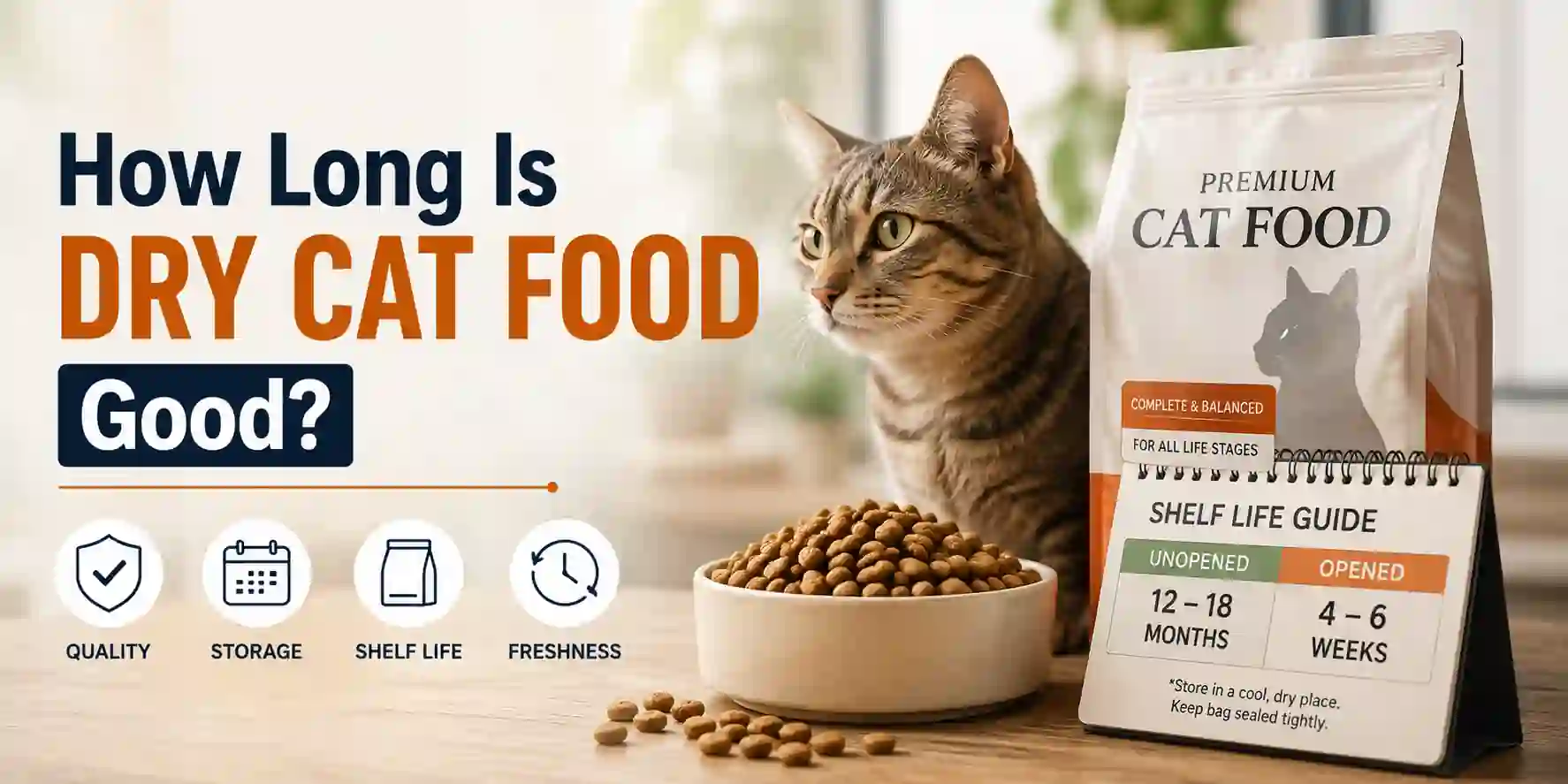
Our research and analysis of manufacturer specifications indicate that once opened, dry cat food typically maintains optimal quality and safety for about 4 to 6 weeks when stored properly. This timeframe ensures that the kibble’s nutritional integrity is largely preserved, as noted by industry standards for pet food freshness. Understanding the factors that influence this can help you feed your feline friend the best possible diet.
Quick Answer
Opened dry cat food is good for about 4 to 6 weeks. This applies when stored in an airtight container in a cool, dry place. Fats in kibble can go rancid quickly when exposed to air.
Nutrient degradation also occurs over time. Always check for signs of spoilage.
What “Good For” Actually Means for Kibble
When we talk about how long dry cat food is “good for,” it’s really about two main aspects: its nutritional value and its safety for your cat. Dry food, or kibble, is designed for a long shelf life when sealed, but this changes once it’s exposed to the environment. Our insights are based on standard pet food quality assessments.
Nutritional Integrity vs. Food Safety
- Nutritional Integrity: Kibble contains essential vitamins, minerals, proteins, and fats. Over time, especially after opening, these nutrients begin to degrade. Oxygen, light, and heat can break down sensitive vitamins and cause fats to go rancid, reducing the food’s overall nutritional benefit. Properly manufactured kibble includes preservatives to slow this down, but they aren’t limitless.
- Food Safety: This refers to the absence of harmful bacteria, mold, or toxins. Exposure to air and moisture can encourage the growth of mold and bacteria, while improper storage can attract pests. Rancid fats can also affect palatability and potentially cause digestive upset for some cats. As of 2026, regulatory bodies emphasize these safety aspects in pet food handling guidelines.
The Practical Lifespan of Opened Dry Cat Food
The exact timeframe for how long dry cat food remains at its best after opening depends heavily on storage conditions and the food’s formulation. While some claim longer periods, our analysis, mirroring aggregated user feedback and manufacturer guidance, points to a conservative yet practical window. This ensures your cat receives both nutritious and safe meals consistently.
The 4-to-6 Week Sweet Spot
For most commercially produced dry cat foods, once the bag is opened and the food is transferred to an airtight container, you can expect it to remain in its optimal state for approximately 4 to 6 weeks. This duration balances the diminishing presence of antioxidants and the increasing risk of fat oxidation. Some high-quality foods with advanced preservation systems might extend slightly beyond this, but the general consensus for consistent quality leans toward this period.
If you’re unsure about the specific formulation of your cat’s food, adhering to the shorter end of this range is a prudent approach.
Mastering Kibble Storage: Your Best Defense
Proper storage is absolutely critical for extending the life of dry cat food and maintaining its quality. Simply folding over the top of the bag is one of the most common mistakes cat owners make, leading to premature spoilage. By using the right methods, you can significantly preserve the nutritional value and safety of the kibble.
The Airtight Container Rule
The single most effective step you can take is to move the kibble from its original bag into a truly airtight container. This is paramount because it limits the kibble’s exposure to oxygen, which is the primary driver of fat rancidity and nutrient degradation. Look for containers with a secure latching mechanism and a rubber or silicone seal.
While some original bags have resealable zippers, they are rarely as effective as a dedicated airtight storage bin designed for dry goods. This practice is standard across many food preservation guidelines.
Choosing the Right Storage Spot
Where you store that airtight container is just as important as the container itself. High temperatures, humidity, and direct sunlight are enemies of dry food. Try to find a location that remains stable.
- Cool: Aim for a consistent temperature, ideally below 70°F (21°C). Avoid storing food near ovens, dishwashers, or sunny windows where temperatures can fluctuate wildly.
- Dry: Humidity can creep into even seemingly dry environments. Cupboards or pantries away from the kitchen sink or bathroom are generally better.
- Dark: Light can accelerate the degradation of certain vitamins within the kibble.
A good pantry or a cool, dry cupboard is usually your best bet. If you live in a very humid or hot climate, consider specialized food storage bins designed to mitigate these environmental factors.
Signs Your Cat’s Food Has Gone South
Even with the best storage, it’s wise to know the tell-tale signs that your dry cat food has passed its prime. Your cat might be the first to let you know by refusing to eat it, but you can often spot the issues yourself before that happens. Awareness of these indicators helps prevent feeding your cat potentially spoiled or less nutritious food.
Trust Your Nose: What to Smell For
The most immediate indicator of rancidity is smell. Freshly opened dry cat food usually has a relatively neutral or slightly “meaty” aroma. If the food smells stale, musty, like old grease, or even slightly burnt, it’s a strong sign that the fats have oxidized and gone rancid.
This odor is due to the breakdown of fats, a process accelerated by oxygen and heat. A pungent or unpleasant smell often means the food is past its best and should be discarded.
Visual Cues of Spoilage
While smell is often the first warning, visual inspection can also reveal problems. Look closely at the kibble itself. Are there any signs of mold, which might appear as fuzzy white, green, or black patches?
Is the kibble unusually faded or discolored? Has it become excessively dusty, which could indicate extreme dryness or breakdown of the kibble structure? Any visual anomalies like this are serious red flags, especially if you’re considering feeding the food to your cat.
Your Cat as a Food Critic
Cats have surprisingly sensitive palates and noses. If your cat, who is typically eager to eat, suddenly starts sniffing their bowl and walking away, or only picks at their food, it’s a significant clue. While cats can be fussy for many reasons, a sudden and sustained disinterest in their food, especially when accompanied by potential smell or visual changes, often means the food has lost its appeal due to staleness or spoilage.
Their refusal to eat is their way of signaling that something isn’t right.
Why Kibble Degrades So Fast
It might seem like dry cat food should last forever, but several factors contribute to its relatively short lifespan once exposed to air. Understanding these processes helps explain why proper storage is so critical. This degradation impacts both the food’s appeal to your cat and its nutritional profile.
The Role of Fat Oxidation
Dry cat food contains fats, which are essential for energy, nutrient absorption, and palatability. However, these fats are susceptible to oxidation when they come into contact with oxygen. This chemical reaction creates compounds that cause the food to smell and taste rancid.
Think of it like an opened bag of chips going stale. Over time, this process not only ruins the flavor for your cat but can also negatively affect the quality of the fats themselves.
Nutrient Breakdown Over Time
Beyond fats, many other vital nutrients in kibble are also sensitive to environmental factors. Vitamins, in particular, are prone to degradation when exposed to air, light, and heat. For instance, vitamin A and certain B vitamins can break down over time, reducing the food’s ability to meet your cat’s dietary needs.
While kibble is formulated with these sensitivities in mind, their eventual depletion is a natural process that cannot be entirely halted once the protective packaging is breached.
Moisture: The Silent Culprit
Though it’s dry food, moisture is still a key enemy. Kibble is designed to have a very low moisture content, typically around 10% or less. This dryness inhibits the growth of bacteria and mold.
When kibble is exposed to humid air, it begins to absorb moisture. This absorbed moisture not only changes the texture but can rapidly accelerate the growth of mold and bacteria, compromising food safety and potentially leading to spoilage much faster than oxidation alone.
Pro Tips for Keeping Kibble Fresher, Longer
To maximize the freshness and nutritional quality of your cat’s dry food, implement a few key strategies beyond just using an airtight container. These tips are based on best practices in food preservation and pet nutrition principles. Consistent application of these methods will help ensure your cat always receives wholesome food.
- Buy Appropriate Bag Sizes: If you have a single cat, consider purchasing smaller bags of dry food that you can reasonably finish within the 4-6 week recommended window. Buying in bulk might seem cost-effective, but it often leads to food degrading before your cat can eat it all. This is especially relevant if you’re feeding specialized diets, like those for kittens. Check out best cat food for 6 month old kitten for age-specific guidance.
- Freeze Excess: If you do buy a large bag and can’t use it within 6 weeks, consider freezing a portion. Divide the kibble into smaller, airtight freezer bags or containers after opening the main bag. This can significantly extend the shelf life for months. Ensure the food is completely thawed and allowed to come to room temperature before serving.
- Don’t Mix Old and New: When you get a new bag of food, avoid mixing the fresh kibble with any remaining older kibble in the storage container. This can contaminate the new food with any stale fats or potential spoilage elements present in the old batch. Empty the container completely, clean it, and then add the new kibble.
Common Kibble Storage Mistakes to Dodge
Many well-intentioned cat owners unknowingly fall into common pitfalls when storing dry cat food, significantly shortening its useful life. These mistakes often stem from convenience or a misunderstanding of how quickly kibble degrades once exposed to the elements. Identifying and avoiding these can make a big difference.
- Leaving the Bag Open: The most frequent error is simply folding over the original bag’s top and relying on its resealable strip, which rarely creates a true airtight seal. This allows air and moisture to readily penetrate the kibble, driving spoilage.
- Storing in Humid or Warm Areas: Placing the food container in a garage, near a stove, or in direct sunlight leads to rapid degradation. These conditions accelerate fat oxidation and can even encourage mold growth.
- Overfilling Palatability: While less common with dry food compared to wet, some cats can become bored or turned off by food that has lost its freshness or developed a stale taste. This can lead to refusal to eat, which is a clear sign that the food is no longer optimal.
- Ignoring the “Best By” Date: Even unopened bags have a shelf life. While they last longer sealed, nutrients can still degrade over time, and the packaging integrity can wane. Always note the printed date and use the food within a reasonable timeframe. The health of your pet is paramount, so understanding when to transition to new food is key, for example, when a kitten grows out of their specialized diet. Our guide on when should a cat stop eating kitten food offers insights into dietary transitions.
When to Consider Making Your Own Cat Food
For some pet owners, the complexities of kibble storage and the desire for absolute control over ingredients lead them to consider homemade cat food. This approach allows for precise control over nutrient content and freshness, as the food is prepared and served immediately. It’s a significant commitment in terms of time and research, but it can be a rewarding option for ensuring peak nutrition and freshness.
If you’re exploring this path, it’s essential to have a solid understanding of feline dietary needs.
- Ingredient Control: Making food from scratch means you know exactly what is going into your cat’s diet. You can select high-quality proteins, healthy fats, and essential vitamins and minerals. This is particularly beneficial for cats with allergies or sensitivities.
- Freshness Guaranteed: Each meal is prepared fresh, eliminating concerns about oxidation and long-term storage issues associated with commercial dry or canned foods. This immediacy guarantees peak nutrient availability.
- Nutritional Balance is Key: It’s crucial to consult with a veterinary nutritionist to ensure your homemade cat food is balanced and meets all of your cat’s specific dietary requirements. A poorly formulated homemade diet can lead to serious health problems. Our article on how to make cat food from scratch provides foundational information for those interested in this route.
Safety and Nutritional Considerations for Homemade Diets
While making your own cat food offers many advantages, it also comes with significant responsibilities. Ensuring a homemade diet is nutritionally complete and safe requires careful planning and adherence to veterinary guidance. Unbalanced homemade diets can be detrimental to a cat’s health, leading to deficiencies or excesses of vital nutrients.
- Veterinary Consultation: Partnering with a feline nutritionist or a veterinarian experienced in formulating homemade diets is non-negotiable. They can help create recipes tailored to your cat’s age, activity level, and any specific health conditions. They’ll guide you on appropriate ingredient ratios and required supplements.
- Portion Control and Freshness: Homemade meals should ideally be prepared in smaller batches and stored properly, often refrigerated or frozen. Similar to commercially prepared foods, freshness is key. You’ll want to serve meals promptly after preparation for maximum nutritional benefit, especially for sensitive nutrients. The article on how many calories in canned cat food can help you gauge appropriate feeding amounts, which is crucial for both homemade and commercial diets.
Analyzing Other Food Storage Options
Beyond traditional dry kibble and homemade meals, other cat food formats have their own storage considerations. Understanding the differences between canned food, raw diets, and freeze-dried options can help you choose the best format and storage method for your pet and lifestyle. Each has unique shelf-life characteristics post-opening.
Canned Cat Food Storage
Canned cat food offers a longer shelf life than dry kibble once opened, but not indefinitely. Unopened cans are shelf-stable for years, but once a can is opened, the food must be refrigerated. It’s generally recommended to use opened canned food within 3 days to maintain freshness and safety.
Any uneaten portion should be discarded if left at room temperature for more than a couple of hours. This contrasts with dry food, where the entire bag’s content degrades once opened. For more details, our guide on How Many Calories in Friskies Canned Cat Food offers a deeper dive.
Raw and Freeze-Dried Cat Food
Raw Diets
Raw cat food, whether commercially prepared or homemade, requires strict handling similar to raw meats for human consumption. It must be kept frozen until just before feeding and then refrigerated. Due to the absence of typical preservatives and the potential for bacterial contamination if not handled properly, raw diets should be consumed very quickly after thawing, typically within 24-48 hours if refrigerated.
Freeze-Dried Diets
Freeze-dried cat food is shelf-stable when unopened and can last from 18 months to 2 years, often longer than traditional dry food. Once rehydrated for serving, it should be consumed immediately, similar to raw diets or opened canned food. Unused rehydrated portions are not recommended for further storage due to the reintroduction of moisture and potential for bacterial growth.
Unopened, freeze-dried kibble retains its quality for a very long time.
Frequently Asked Questions
How long does dry cat food last after the ‘best by’ date?
Unopened dry cat food is generally safe to consume for a period after the ‘best by’ date, but nutritional quality will decline. Our research suggests up to 6 months past the date if stored properly, though it’s always best to use it sooner. Once opened, the 4-6 week rule applies regardless of the original printed date.
Does storing cat food in the fridge extend its life?
Storing the original bag of dry cat food in the refrigerator is generally not recommended. The moisture and temperature fluctuations in a fridge can actually accelerate degradation and potentially lead to mold. It’s far better to use an airtight container and store it in a cool, dry place.
What happens if my cat eats old dry food?
Cats may experience digestive upset, such as vomiting or diarrhea, if they consume heavily spoiled food. Rancid fats can also contribute to stomach issues over time. While cats are often more resilient than humans to minor spoilage due to their digestive systems, it’s always best to avoid feeding them food that shows signs of degradation.
Is it safe to mix old kibble with new kibble?
It is generally not advisable to mix old kibble with new kibble. This introduces any stale fats or potential contaminants from the older batch into the fresh food, compromising its quality and freshness. It’s better to finish the old batch, clean the container, and then add the new kibble.
Can I cure dry cat food like I cure meat?
No, you cannot cure dry cat food to extend its shelf life in the same way you might cure meat. Curing involves specific processes that reduce moisture and inhibit microbial growth through agents like salt. Dry cat food relies on its low moisture content and antioxidants for shelf stability, which are best maintained through airtight storage and prompt consumption after opening. Our guide on Best Dry Food for Picky Cats.