Why Does My Cat Always Want Food? Causes and Fixes
Why Does My Cat Always Want Food? Causes and Fixes
If you've ever stood in the kitchen at 6 AM with a cat weaving between your ankles, meowing like they haven't eaten in days, you've asked yourself: why does my cat always want food? It's a question that can drive any pet owner crazy. And it's rarely just about the food itself.
Your cat might genuinely be hungry. Or it could be a sign of something else entirely. Per the American Association of Feline Practitioners, around 60 percent of domestic cats in the US are overweight or obese.
That means most of those pleading meows aren't coming from a starving animal. The real challenge is figuring out which reason applies to your cat. This guide walks you through it step by step.
Quick Answer
The reasons range from simple habit to serious illness. Your cat may be underfed, bored, or trained to beg. Increased appetite with weight loss always needs a vet.
Diabetes, hyperthyroidism, and parasites are common medical causes. Behavioral causes include boredom, learned begging, and food competition.
The Real Problem: Begging vs. True Hunger
Cats are masters of conditioning. If your cat meows at the pantry and you give them a treat, you've just taught them that meowing works. That's not hunger, that's learned behavior.
And it's one of the most common reasons your cat "always wants food."
True hunger looks different. A cat that's genuinely underfed will eat quickly, finish the bowl, and look for more. They might lose weight, have less energy, or develop a dull coat.
But a cat that's simply begging will often nibble, walk away, then come back. They're not starving, they're working the system.
Here's the key insight we need to keep in mind: your cat's body condition score matters more than their behavior. If your cat is at a healthy weight, their begging is almost certainly behavioral, not nutritional. If they're losing weight despite eating, that's a red flag you can't ignore.
why does my cat always want food
Step 1 — Check the Obvious: Are You Actually Feeding Enough?
Before we jump to medical causes, let's get the simplest answer out of the way. Many owners don't realize how little they're actually feeding.
Most adult cats need about 20 to 30 calories per pound of body weight each day. A 10-pound cat needs roughly 200 to 300 calories. That sounds straightforward, but here's where people mess up:
A standard 3-ounce can of wet food has around 70 to 100 calories
A quarter cup of dry kibble has roughly 100 to 130 calories
Treats add 10 to 30 calories per treat, and most owners don't count them
If you're feeding one can of wet food and a quarter cup of dry food, you might only be providing 170 to 230 calories. For a 10-pound cat, that's borderline. And that's before factoring in activity level.
Here's what to do:
Weigh your cat using a kitchen scale or baby scale. Know their current weight.
Read the food label. Check the calorie count per can or per cup. Not all foods are equal.
Measure every portion. No eyeballing, no "that looks about right."
Add up all calories. Includes treats, toppers, and any table scraps.
If you discover you're underfeeding, the solution is simple. Increase portions by 10 to 20 percent and see if behavior changes within a week. If the begging stops, that was your answer.
One thing to consider here: are you using the right food for your cat's life stage? A kitten needs far more calories per pound than a senior cat. If you're feeding an adult cat kitten food, they'll be extra hungry because the calorie density is different.
Switching to an age-appropriate food can help.
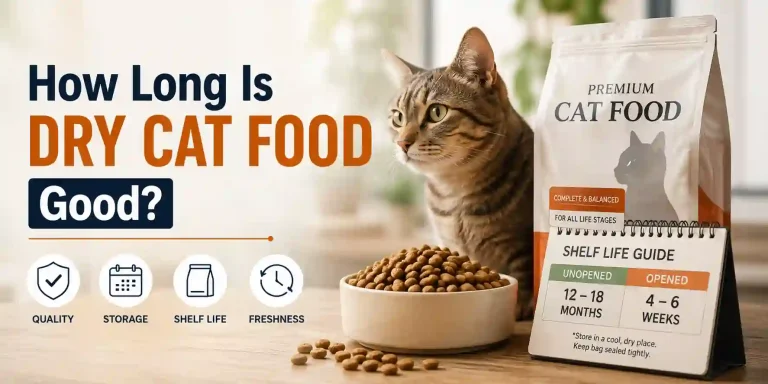
You might also want to check if your cat's food is still fresh. Dry kibble that's gone stale can lose palatability, making your cat feel less satisfied. The shelf life of dry food matters more than you think, and knowing how long dry cat food stays good can help you avoid feeding stale kibble.
Step 2 — Medical Red Flags: When a Vet Visit Is Non-Negotiable
This is the most important section in this guide. If any of these warning signs apply, stop reading and call your vet.
Increased appetite combined with weight loss is a medical emergency indicator. Cat owners often dismiss it as "my cat just loves food." In reality, it's one of the clearest signs of an underlying disease.
Here are the three major conditions to know about:
Condition Key Signs Typical Age Treatment Outlook
Hyperthyroidism Weight loss, huge appetite, vomiting, hyperactivity 8 to 15 years Manageable with medication or diet
Diabetes mellitus Increased thirst, frequent urination, weight loss, lethargy Middle-aged to senior Requires insulin in most cases
Intestinal parasites Weight loss, potbelly, loose stools, visible worms Any age Easily treated with dewormer
Weight Loss + Increased Appetite
This combination is almost always hyperthyroidism until proven otherwise. Hyperthyroidism is caused by a benign tumor on the thyroid gland that makes your cat's metabolism run in overdrive. They burn through calories faster than they can eat.
Aggregate veterinary data reports that around 10 percent of cats over 10 years old develop hyperthyroidism. If your senior cat started acting like a hungry teenager, get a blood test.
Increased Thirst + Urination
If you're filling the water bowl more often and scooping out bigger clumps in the litter box, diabetes is the most likely culprit. Feline diabetes is similar to type 2 diabetes in humans. The cat's body doesn't use insulin effectively, so glucose builds up in the blood and the body tries to flush it out through urine.
Cats with diabetes are constantly hungry because their cells can't absorb the energy from food. The food goes in, but the cells stay starved. That's why they're always wanting more.
Vomiting or Diarrhea
A cat that eats everything in sight but throws it back up might have inflammatory bowel disease (IBD) or a food allergy. The digestive tract becomes inflamed and can't absorb nutrients properly. The cat feels hungry because their body isn't getting what it needs.
Another possibility is exocrine pancreatic insufficiency (EPI), where the pancreas doesn't produce enough digestive enzymes. This is less common in cats than in dogs, but it does happen.
If your cat has any combination of these symptoms for more than a week, schedule a vet visit. A simple blood panel and fecal test can rule out most of these conditions quickly. The cost typically falls between $100 and $250 depending on your location.
Step 3 — Rule Out Parasites and Digestive Issues
Even if your cat's weight seems stable, intestinal parasites can make them feel perpetually hungry. Roundworms and tapeworms are the most common culprits, per data from Cornell University's College of Veterinary Medicine.
These parasites live in the intestinal tract and absorb nutrients that were meant for your cat. Your cat eats a full meal, but the worms take a big share. So your cat keeps feeling hungry.
Signs of a parasitic infection include:
A potbellied appearance despite normal body condition
Visible worm segments in stool (look like small grains of rice)
Scooting or licking the rear end
Intermittent vomiting or diarrhea
The good news is that deworming medication is cheap and effective. A single dose usually resolves the issue within a few days. If your cat goes outdoors, hunts, or lives in a multi-cat household, they're at higher risk.
Regular fecal screenings at your annual vet visit are a good idea.
Some cats also develop a condition called pica, where they eat non-food items like plastic, fabric, or cardboard. This can be related to nutrient deficiencies or to an underlying digestive issue. If your cat is eating things that aren't food alongside their constant begging, mention it to your vet.
Step 4 — Is It Just Boredom? The Enrichment Check
Now let's talk about the most common non-medical reason your cat always wants food: boredom. Indoor cats, in particular, have limited entertainment options. Eating is stimulating.
It's something to do.
Think about your cat's daily environment. Do they have:
Window perches to watch birds and squirrels
Scratching posts and climbing trees
Interactive toys they can play with alone
Daily play sessions with you (at least 10 to 15 minutes)
Access to different rooms and hiding spots
If the answer is no to most of these, your cat is probably bored. Food becomes a reliable source of excitement and comfort. They're not hungry, they're understimulated.
A simple test: the next time your cat begs, try redirecting them to a toy instead of the food bowl. A laser pointer, a feather wand, or even a cardboard box can work wonders. If they forget about food and chase the toy, you have your answer.
Environmental enrichment can reduce food-seeking behavior significantly. Food puzzles and slow feeders are especially effective because they combine mental stimulation with eating. Your cat has to work for their kibble, which satisfies both their hunting instinct and their boredom at the same time.
If you've ruled out medical causes and underfeeding, increasing enrichment is the single most impactful change you can make.
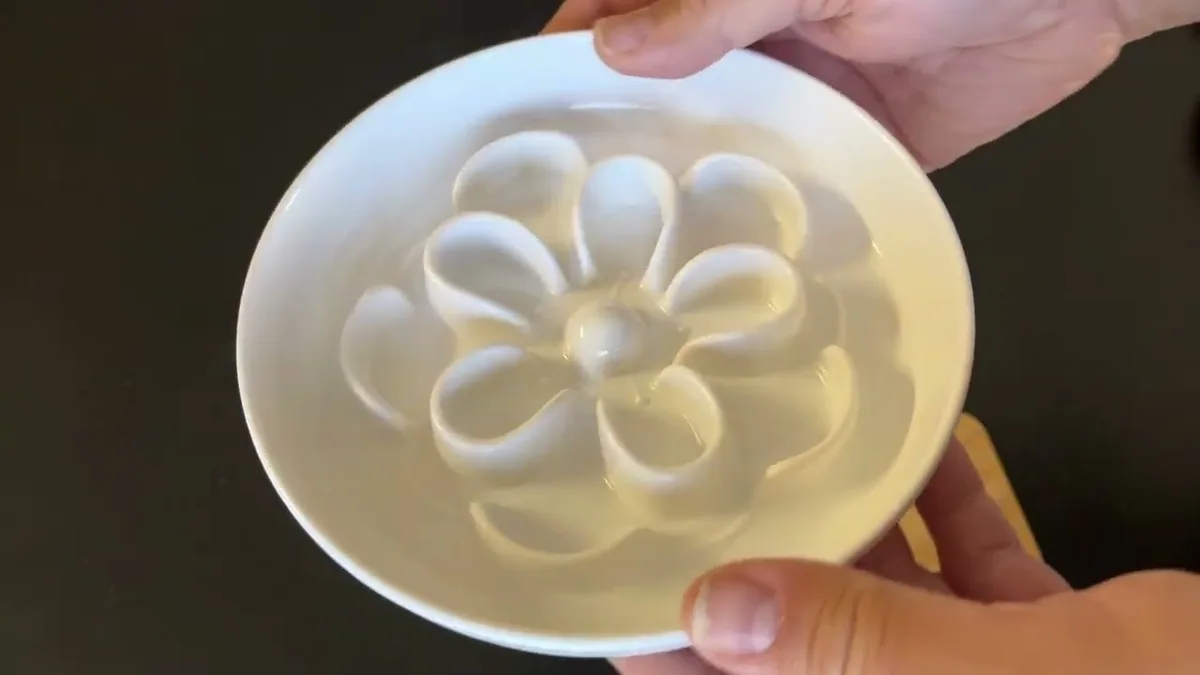
Image source: YouTube / Ben Reviews It (YouTube thumbnail (fair-use with source credit))